
Category
Obedience & Leadership Articles
Reliable dogs come from calm, confident humans. Here is what that looks like.
← All articles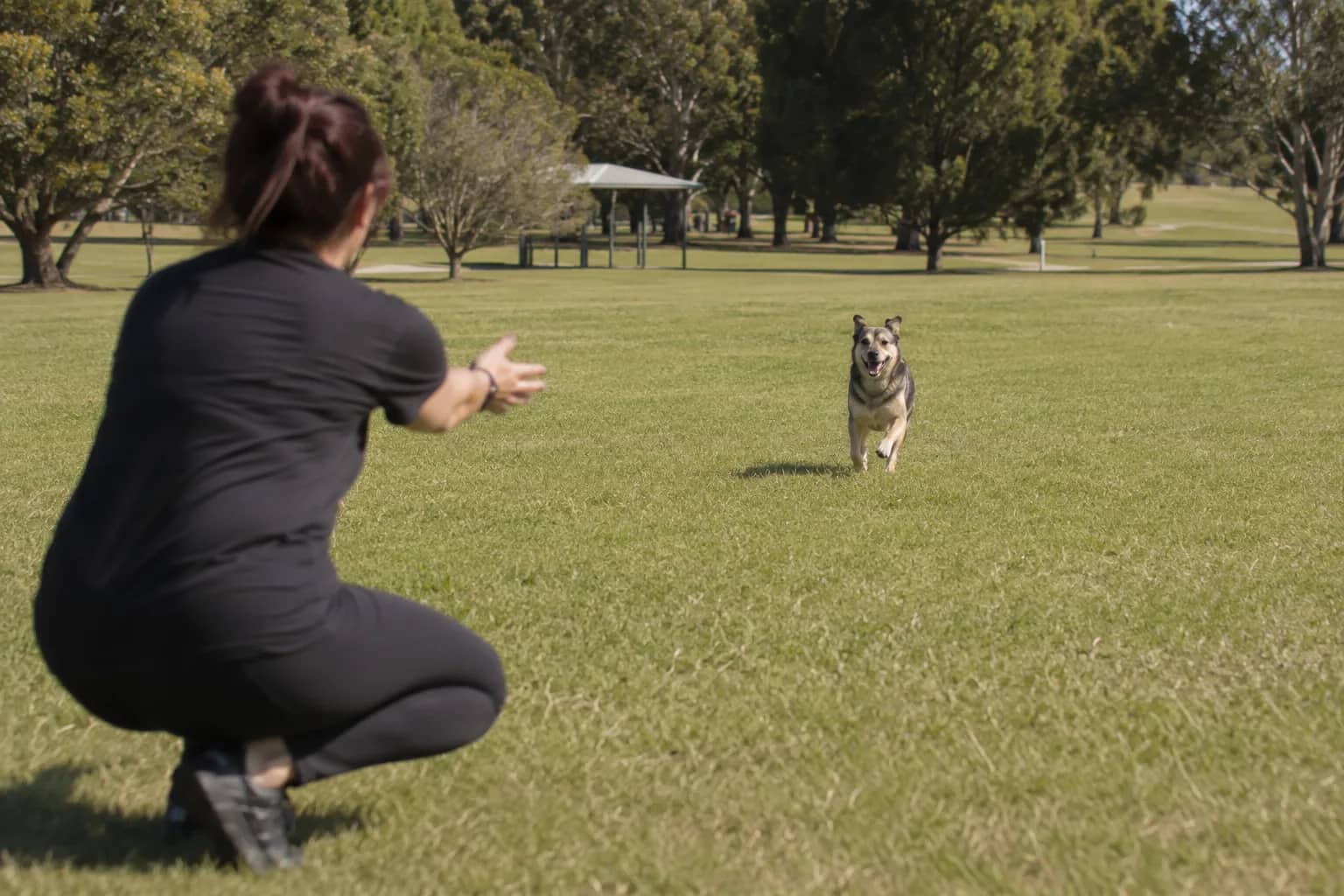
obedience leadership
Dog Recall Training That Actually Works — Regional SA
Reliable off-lead recall around stock, wildlife, beaches and bush. The leadership-based recall method for regional SA owners.
4 min read·Aug 2026
obedience leadership
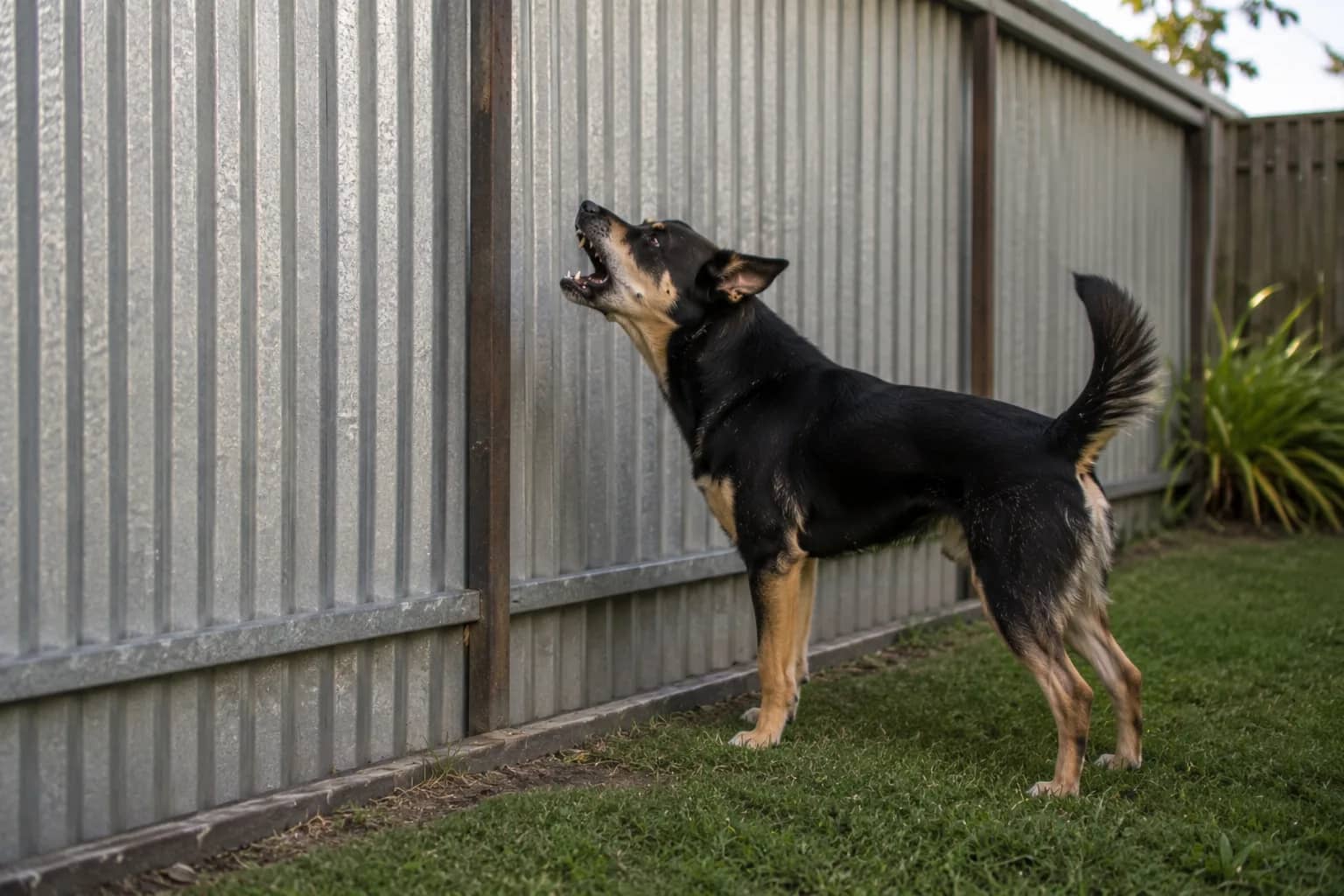
Adolescent Dog Problems — The 6-14 Month Storm
The second puppyhood no one warns you about. What changes between 6 and 14 months, the five patterns that surface, and how to hold pattern.
12 min read·Aug 2026
obedience leadership
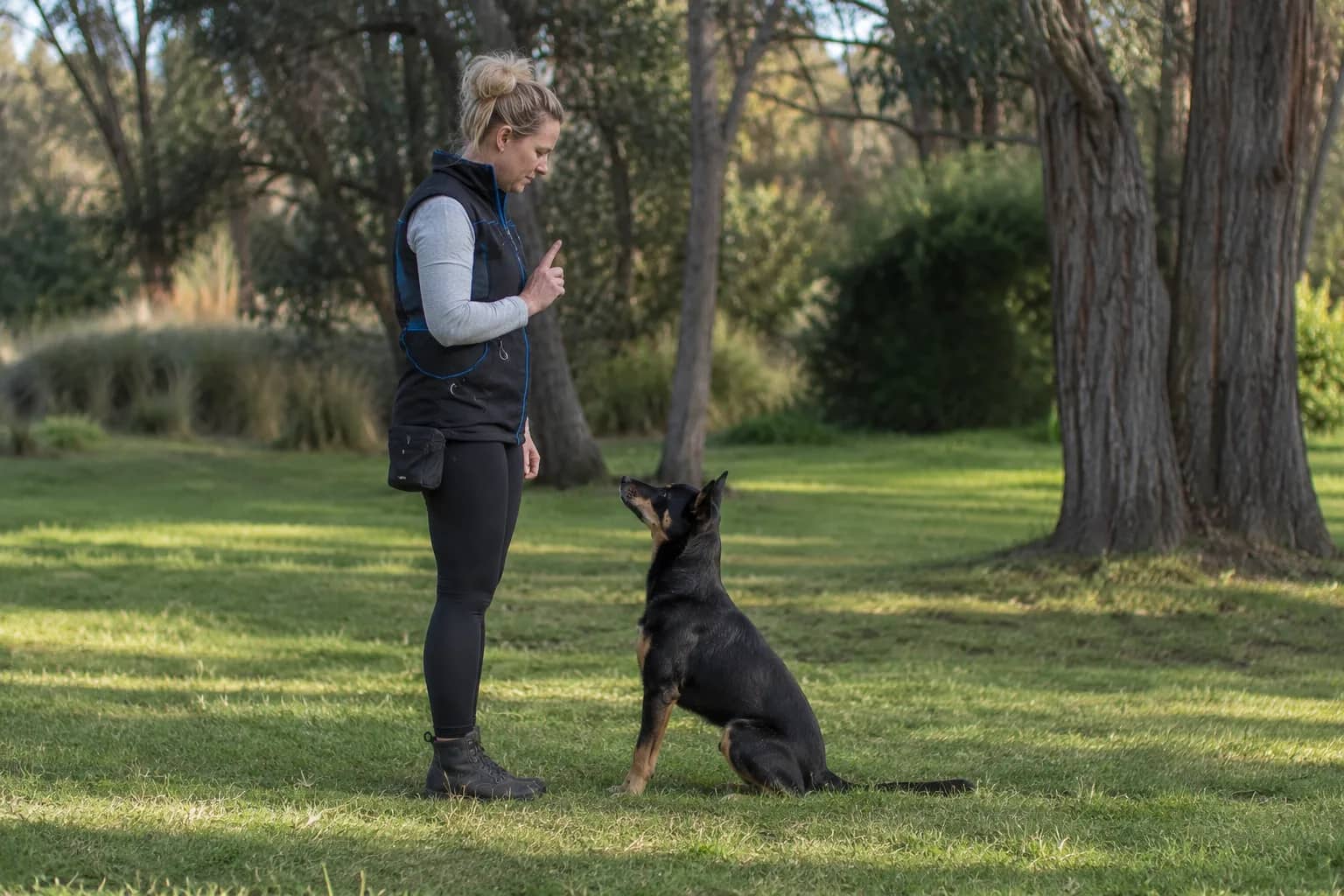
Training a Family-Safe Dog with Young Kids
Household rules, dog training and kid education for a family where everyone is safe around the dog. From an accredited behaviourist.
10 min read·Aug 2026
obedience leadership
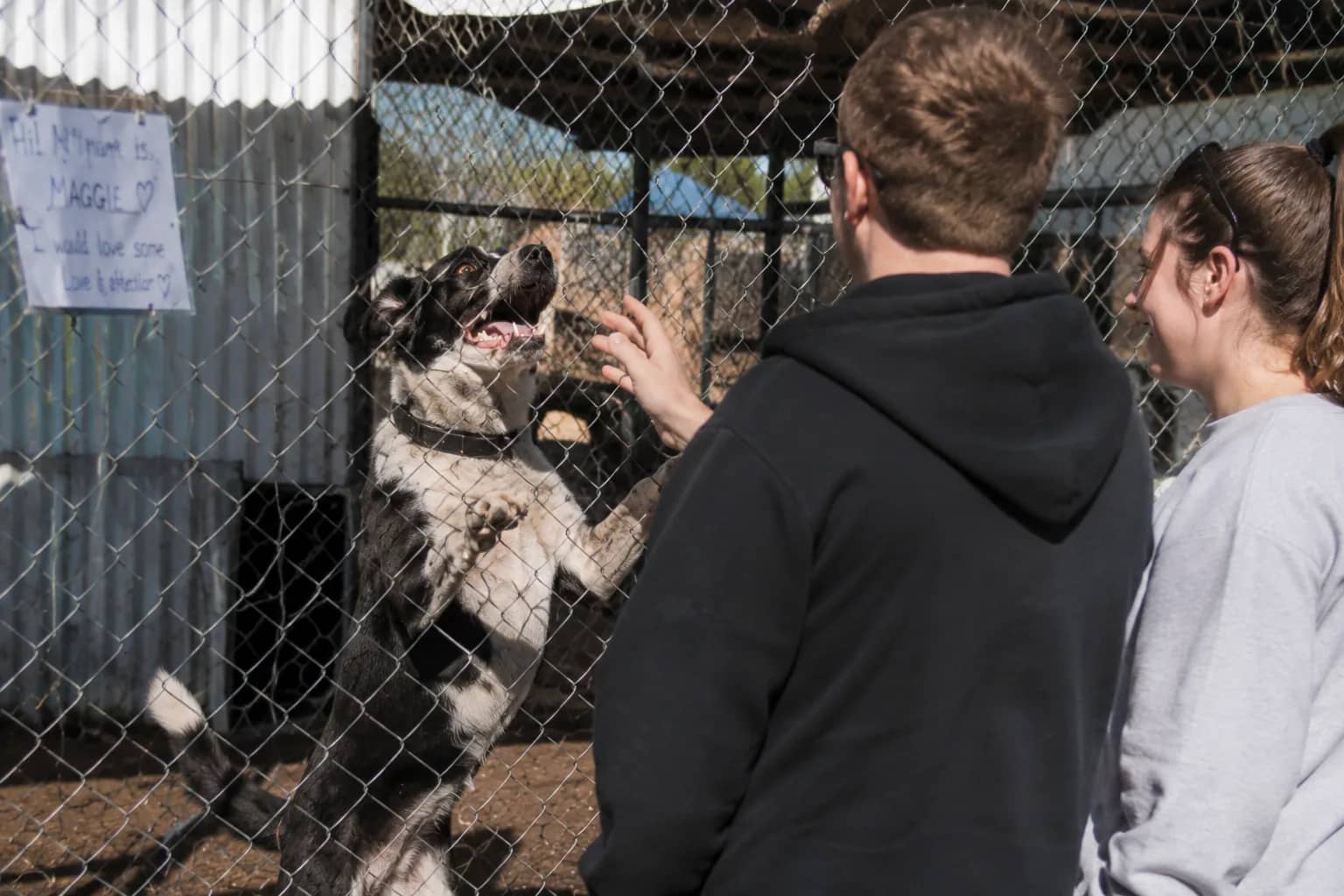
How to Introduce a Rescue Dog to Your Home
Step-by-step guide to introducing a rescue dog — the first 24 hours, first three days, first month, and introductions to family and existing pets.
11 min read·June 2026
obedience leadership
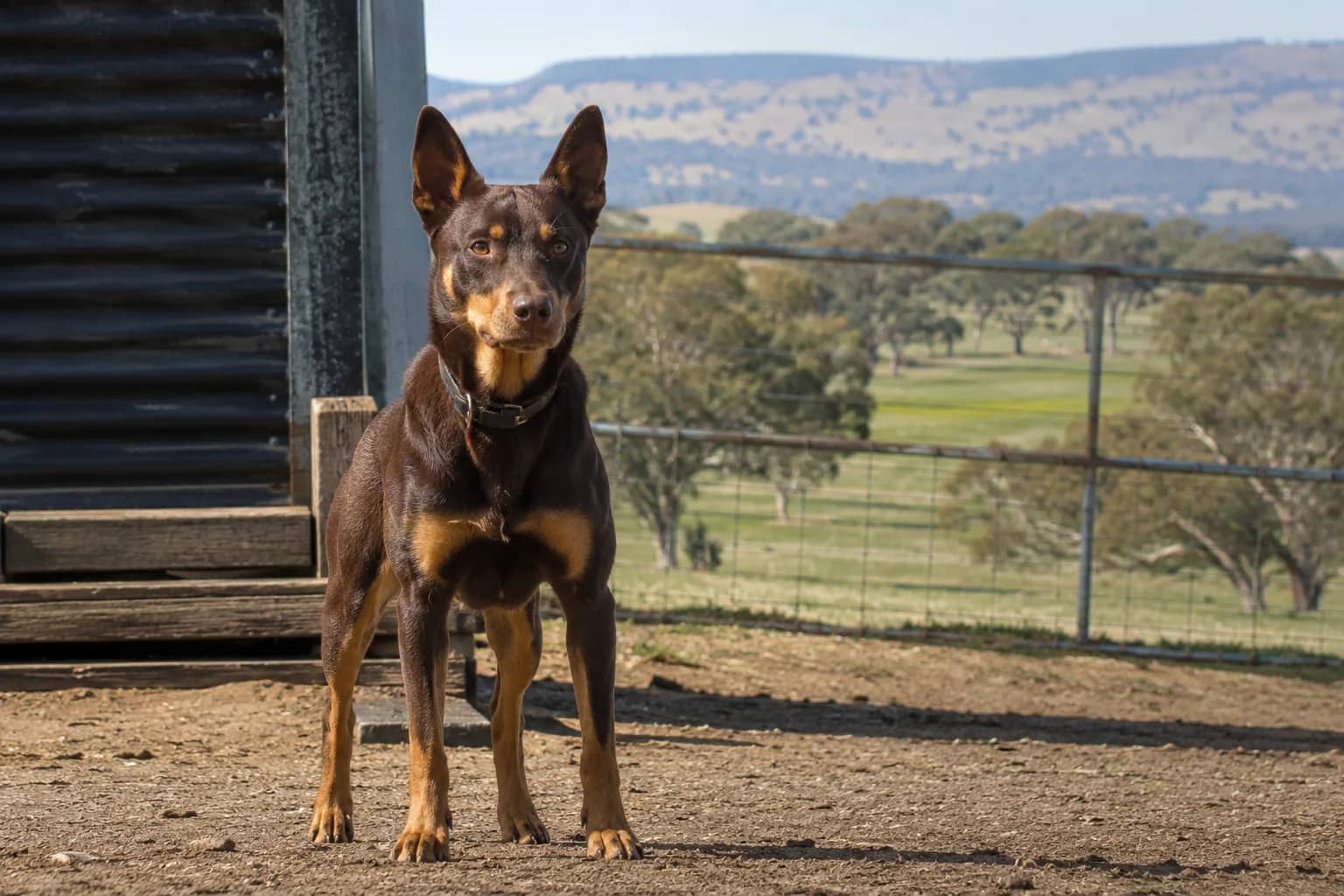
Kelpie Training for Regional South Australian Owners
Kelpies were bred here, for here. The genetics that make them brilliant on stock make them difficult town dogs without structure. An honest regional SA guide.
11 min read·May 2026
obedience leadership
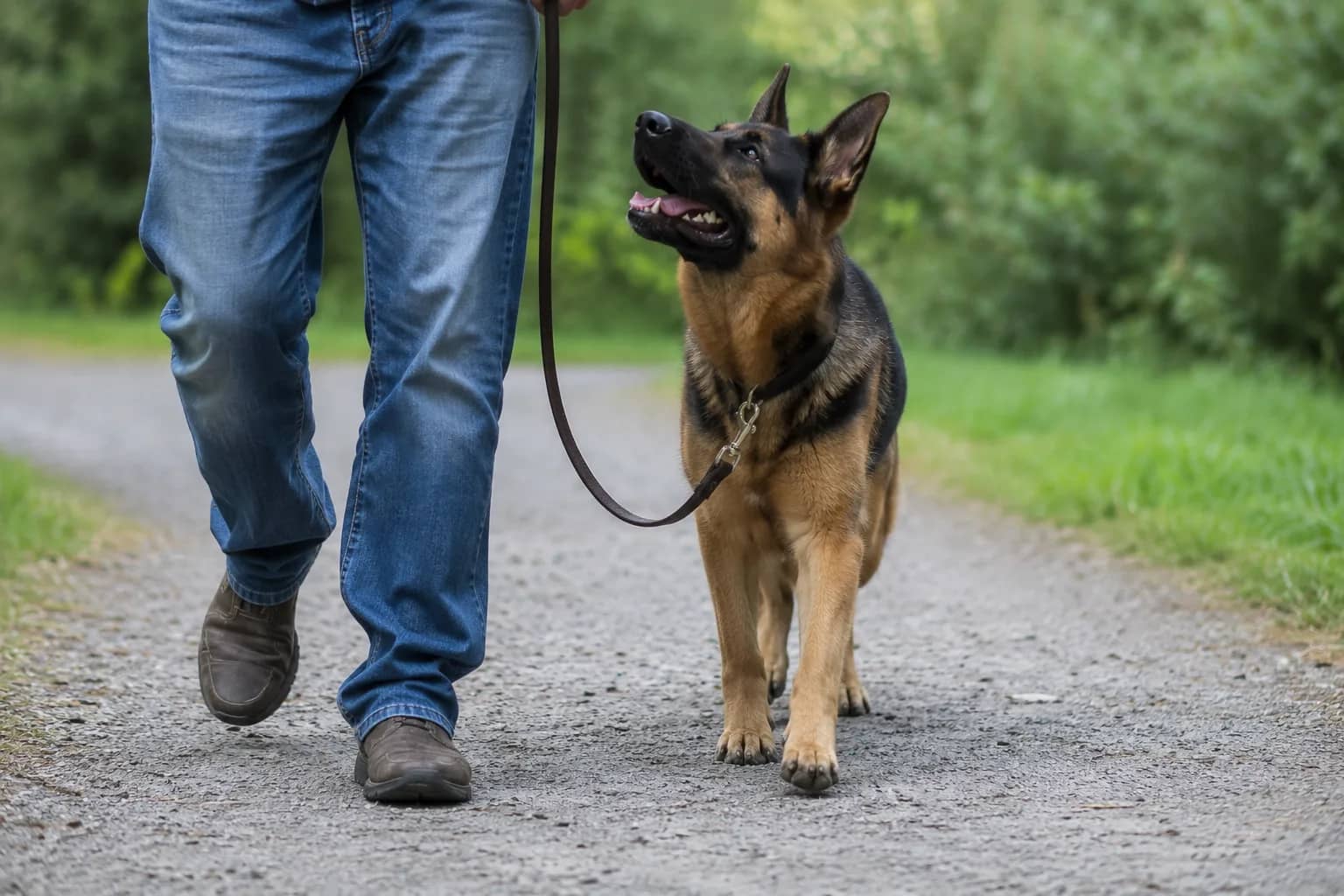
German Shepherd Training & Behaviour in Regional South Australia
GSDs are common across regional SA and frequently mishandled. The working/show/pet-line gap, common cases, and the leadership the breed actually demands.
12 min read·May 2026
obedience leadership
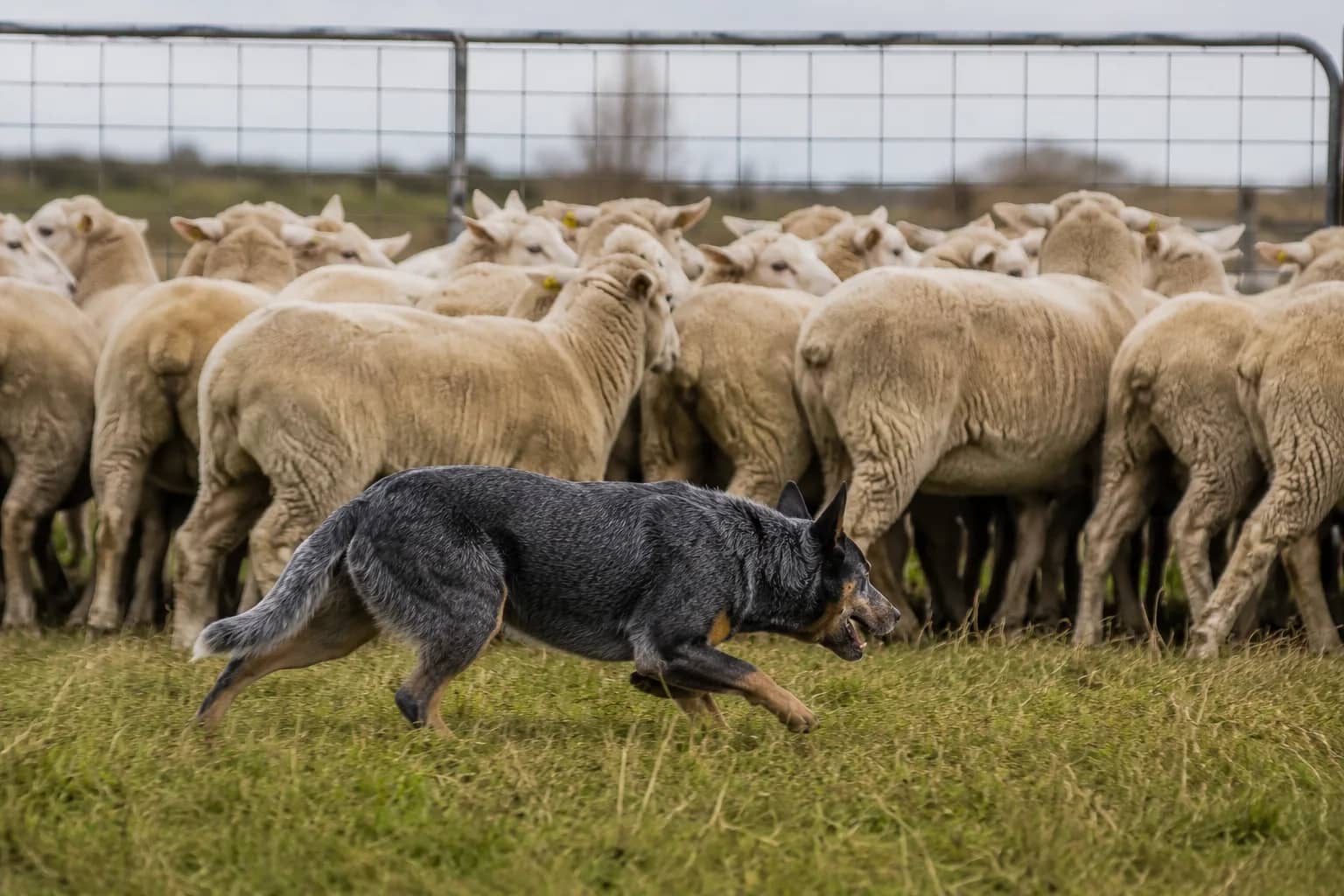
Blue Heeler / Australian Cattle Dog Training for Regional SA
Australian Cattle Dogs are one of regional SA's most underestimated breeds. Temperament, the nipping problem, off-property recall, and the workload they need.
14 min read·May 2026
obedience leadership
Calm Leadership: The Real Reason Your Dog Won't Listen
If your dog ignores you, the problem isn't training — it's leadership. Here's what calm, clear leadership actually looks like across regional SA households.
12 min read·May 2026
obedience leadership
Stop the Pulling: Calm Lead Walking for Your Dog
Loose-lead walking — without head halters, no-pull harnesses or gimmicks. The leadership-based method that works for regional SA dogs.
10 min read·Mar 2026
From Pauline
Why obedience is the easy part
Sit, drop, stay, recall — these are not the hard part of dog ownership. Any reasonably bright dog can be taught the words inside a fortnight. The hard part is the dog choosing to listen when there is a kangaroo over the fence, a delivery van in the driveway, or visitors at the door. That isn’t an obedience problem; it’s a leadership problem.
Articles in this category are built around that distinction. I write about the Five Rules of leadership, what calm energy actually feels like in your body (not just your dog’s), why bribery breaks down the moment the stakes go up, and how to ask for behaviour in a way the dog can’t misread.
The Five Rules are calm energy first, boundaries before commands, guide rather than bribe, follow through every time, and reward the state rather than the behaviour. They are simple to read and hard to do — which is why almost every consultation I run is mostly about coaching the human into doing them consistently, rather than teaching the dog anything new. The dog learned its part by week three of being in your house. The dog is waiting for the rest of the household to catch up.
Recall is the obedience question I get asked about most, and it is the one the leadership distinction matters for most. A dog with calm leadership comes when called because returning to you is the most rewarding thing in the environment. A dog with a treat-based recall comes when called as long as the value in your hand exceeds the value in the environment — which works in the kitchen and fails the first time a roo crosses the paddock. Articles in this category walk through that distinction in detail, including how to rebuild a recall that has already broken down on adolescent and adult dogs.
Loose-lead walking is the other one. Almost every owner I see has tried a head halter, a no-pull harness, a front-clip something, and at least one type of front-and-back combination. None of them holds for long because the pulling is not a hardware problem; it is the dog deciding it is in charge of where the walk goes. Once the leadership conversation has shifted, the lead becomes a thread the dog reads — not a tool the owner braces against. Pieces here cover how to build that, and how to recover a walk that has already turned into a daily wrestle.
If your dog "knows" what to do and just won’t do it when it counts, you don’t need more drilling. You need to show up differently. That’s what these pieces are about.
Other categories on the blog
More from the Heart of the Pack blog
Six topic categories cover the cases I work on most often across regional South Australia. If this one was useful, the related categories below are usually the next place to look.
Puppy Training
Everything you need for the first 16 weeks (and the adolescent storm after).
Read the puppy training category →Aggression & Reactivity
How to read aggression and reactivity for what they really are — and what actually helps.
Read the aggression & reactivity category →Anxiety & Barking
Anxiety and barking are symptoms. Here is how to find — and resolve — the cause.
Read the anxiety & barking category →Choosing a Trainer
Not all dog training is the same. Here is how to pick the right help for your dog.
Read the choosing a trainer category →Regional SA Dog Life
Regional SA dog life is its own thing. Here is how to make the most of it.
Read the regional sa dog life category →Start here
Find out what is really going on with your dog — in 2 minutes.
The Free Dog Behaviour Test gives you (and Pauline) a clear starting point. No pressure, no spam, no obligation — just clarity.