Skip to content
Heart of the Pack — Pauline Cowey, regional SA dog behaviourist
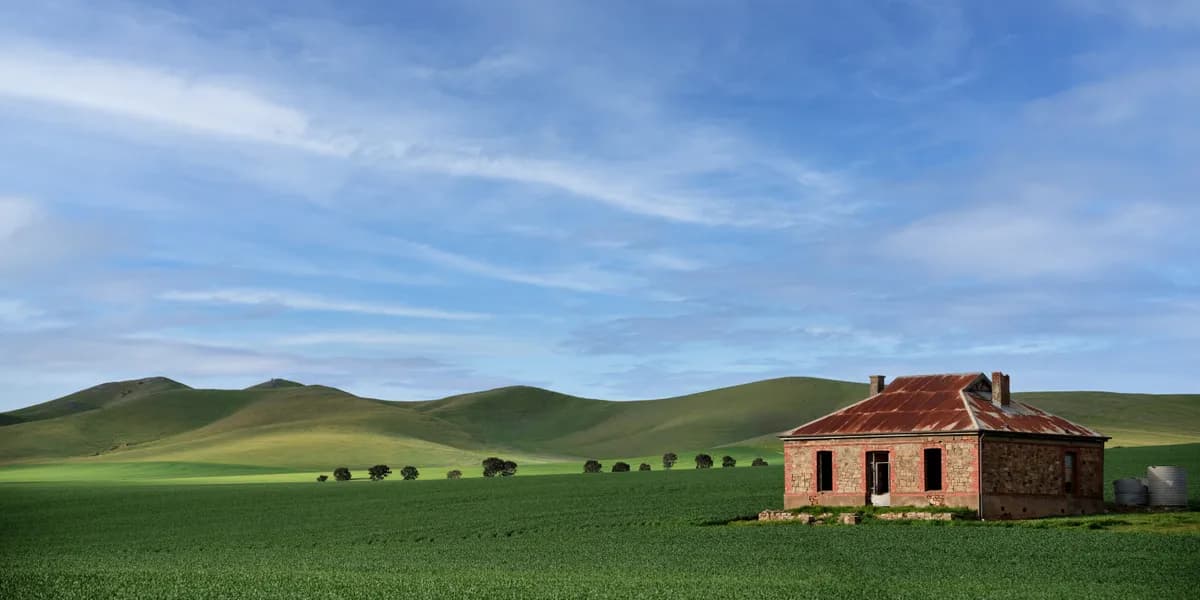
Open Mid North sheep country with stone heritage farm buildings and gum trees near Burra

Burra, South Australia

Burra Dog Training & Behaviour

Burra is a one-hour drive east of my Crystal Brook base — a mining-heritage town sitting at the eastern edge of the Mid North, where the rolling country opens out toward the Goyder line. It is one of the further-out stops on my standard rotation, and I block consultations together so each Burra trip carries multiple cases.

1 hour from Crystal Brook
Accredited Dog BehaviouristCrystal Brook, SARegional SA + Online Australia-wide

In short

Heart of the Pack provides in-home dog behaviour and training in Burra and the surrounding Regional Council of Goyder district. Accredited behaviourist Pauline Cowey is one hour west at Crystal Brook and travels into Burra on regular consultation days through the year, with bookings grouped together so the drive carries multiple cases in the same trip. All eight services are available, with working-breed obedience, rescue-dog rehab and tourist-season reactivity the most common Burra cases.

Working with Burra owners

Burra is the eastern Mid North in miniature. The town itself is small — heritage cottages, the Market Square, Paxton Square, the Bon Accord precinct, the dugouts along Burra Creek — and the population is steady and local through most of the year. Then the cool months arrive and the population rotates. Tourists move through the heritage trail with their dogs, the dog-friendly accommodation fills up at Paxton Square and at the World's End campground, the cafes put water bowls out, and the dog-on-dog density on the Market Square stretch rises sharply. That seasonal rotation is what generates the Burra-specific case mix. Surrounding the town is sheep-station country — the Burra-to-Morgan and Burra-to-Hallett roads run through some of the highest-quality merino country in South Australia, and the rural blocks south and east of town carry a strong working-breed population that mirrors the Jamestown pattern. The Regional Council of Goyder administers registration, off-lead policy and nuisance dog enforcement across Burra, Eudunda, Robertstown and the wider district, and the standard is consistent across the council area. Specialist behaviour support is genuinely scarce in this part of the state — Clare is the closest population centre and most Burra owners I see have either tried Clare-based trainers or driven to Adelaide for an unrepeatable one-off.

Most common cases in Burra

  • Working-breed adolescent obedience (kelpies, heelers, working-line collies)
  • Tourist-season reactivity along the Market Square and the heritage trail
  • Frustrated-greeter behaviour at dog-friendly cafes and Paxton Square
  • Rescue and rehomed dogs adopted into Burra from Adelaide and regional pounds
  • Fence-line and yard-dog behaviour on town blocks and small acreage
  • Recall and stock-proofing for dogs living on the sheep-station country surrounds

Local coverage

  • Burra town
  • Burra North
  • Aberdeen
  • Kooringa
  • Redruth
  • Hampton
  • World's End
  • Mount Bryan
  • Hallett
  • Eudunda

Region

Mid North overview

Other towns nearby

Local landmarks

Where dog life happens in Burra

The named places that show up most often in Burra consultations — useful context if you are weighing where to walk, where to socialise, and where the trigger patterns sit.

  • Burra Heritage Trail

    The 11-kilometre tourist drive marked by brown Route 16 signs, with over 46 historic sites starting from the Burra & Goyder Visitor Information Centre on Market Square. Dog-friendly along most of the route — and the single highest-density trigger context I see linked to Burra cases through the May to October cool months.

  • Market Square and Burra town centre

    The commercial heart of Burra. Dog-friendly cafes, the Visitor Information Centre and the start of the heritage trail. High dog density on tourist weekends — workable for structured threshold exercises with a calm handler, hard work for an under-led reactive dog.

  • Paxton Square cottages and grounds

    Heritage miners' cottages around a central square, often booked with dogs through the tourist season. The grounds and the surrounding streets are the most common cellar-door-equivalent reactivity context in Burra.

  • Burra Creek and the Dugouts

    Creek-side walks past the historic dugouts where early miners lived. Quieter than the Market Square stretch — useful for graduated exposure work and confidence-building with anxious or under-socialised dogs.

  • Bon Accord Mine precinct

    Heritage mining site about 2.6 km from Paxton Square with open ground and walking circuits. Lower stimulation than the central heritage trail and a useful change of scenery for dogs working through a reactivity rebuild.

  • Burra Creek Gorge (World's End) reserve

    Gorge reserve managed by the Regional Council of Goyder with camping that allows dogs. Quiet ground for confidence work and structured recall with reliable dogs — and one of the few genuinely remote-feeling walks within easy reach of town.

  • Mount Bryan and Hallett rural roads

    Long quiet stretches through sheep country north of Burra. Better for recall and structured exposure work than the in-town stretches for dogs that need genuine distance from triggers and other dogs.

The cases I see most across Burra

Burra consultations cluster around four patterns.

First, working-breed adolescent obedience. The country surrounding Burra is heavy sheep-station territory, and the dog population reflects it — kelpies, blue heelers, working-line border collies and German Shepherds dominate the rural blocks south and east of town. The early puppy-school approach that worked for the first six months stops working at 10 to 14 months and owners reach out when the kelpie that used to recall reliably has decided the back paddock is more interesting than they are. The fix is leadership and structured outlet work, not more obedience drills or longer walks.

Second, tourist-season reactivity along the heritage trail and the Market Square stretch. From May to October the cool-months tourist rotation fills Burra with dogs whose owners do not actually know how their dog handles other dogs, and previously settled Burra household dogs come home from a weekend on the trail with a fresh reactive habit that needs unwinding before the next visitor wave. The work is environmental management first (which times, which sections of the trail, which weekends to avoid) and then a proper rebuild of the dog's emotional baseline.

Third, rescue and rehomed dogs adopted into Burra from Adelaide and regional pounds. The pattern matches what I see across the rest of the Mid North — these dogs almost always settle within days, then surface a serious behaviour two to six weeks later as they relax. The first eight weeks decide the trajectory, and that is exactly when most owners are making the most well-intentioned mistakes by giving the dog freedom and affection before structure.

Fourth, fence-line and yard-dog behaviour on town blocks and on the small-acreage rural fringe. Burra's town blocks are tighter than most Mid North towns and the fence-line dynamics with neighbours' dogs are a regular case — months or years of rehearsed reactive sequences that need both environmental restructuring (line of sight, gate management) and a proper leadership rebuild.

How I cover Burra from Crystal Brook

Burra is around one hour east of Crystal Brook — close enough for in-home work, far enough that planning matters. I run a regular schedule of Burra consultation days through the year, with bookings batched together so the drive carries multiple cases in the same trip rather than fitting individual consultations into a longer drive.

Burra blocks fill faster through the May to October cool months when the heritage trail is busy, and case enquiries from owners with tourist-season reactivity issues compete with the routine working-breed and puppy work for the same calendar. Get on the schedule early through those months. A small travel cost is included for Burra consultations and is confirmed in writing before booking.

For urgent cases — bite incidents, council notices, a dog at risk of being surrendered, a working dog that has hurt or threatened stock — call directly rather than emailing. I will either bring forward the next scheduled Burra day or fit you onto the next available opening. Online check-ins between in-home consultations are common for Burra clients because the hour drive each way is enough that follow-up by video is often the more practical option.

Why leadership-based work fits Burra specifically

The Burra dog population sits at the intersection of two worlds — the working-breed and rescue-mix dogs that dominate the rural blocks and the tourist-season social dogs that move through the heritage trail with their owners. Both populations respond fastest to clear, calm leadership and worst to bribery-only training or aversive corrections. The working dogs need leadership because their genetics demand it; the tourist-season social dogs need leadership because the heritage-trail environment is far more demanding than the suburban Adelaide walks most of them rehearsed their habits on.

Most Burra cases I see have been worked previously through either pure reward-based methods (which collapse the moment a stronger reinforcer than treats appears — another dog on the heritage trail, a mob of sheep, a magpie hopping past) or aversively balanced methods (which suppress the symptom and amplify the underlying state). The leadership-first work I do is built specifically to outlast both patterns because it changes the relationship rather than the training.

Local resources

Council, registration and welfare links for Burra

Useful starting points for dog registration, off-lead area policy, welfare reporting and statewide questions relevant to Burra.

Real owners. Real change.

What clients say

A lot of information provided, most of the time is hands on with dog, which was very helpful. Not going to lie training is mostly for the owners not dog, they are smart enough to have already worked out who's the boss. Not going to be a quick fix if that's what you are looking for, lots of practice and repetition required to succeed. Pauline is very easy to work with, friendly and approachable. Session was flexible with working on issues and asking questions. Tilly's behaviour is improving - the small wins make it worthwhile. We still have a long way to go but now have the tools and information to get there and being able to contact Pauline any time is fantastic. Located in Port Augusta, fur-baby Tilly (American Bulldog, Rottweiler, Staffy cross).
Sharlene Welk
Port Augusta · Tilly · In home consultation
Hi I'm Annie and my little dog is Tilly - a Jack Russell Cross. I took Tilly to Pauline when Tilly was an anxious, reactive, barking little dog and very much in control. But it didn't take long for me to see a difference in Tilly once Pauline started working with us. You have to be very consistent with this method and follow the process. It's made for a much happier life for me and my little dog Tilly. Thanks Pauline 😊
Annie Martin
Tilly · In-home consultation
Pauline did a wonderful job of helping us to understand the power dynamics going on with our dogs. She gave us practical advice to follow that actually worked. She really understands the psyche of animals.
Lisa Rowntree

Burra — frequently asked questions

Start here

Find out what is really going on with your dog — in 2 minutes.

The Free Dog Behaviour Test gives you (and Pauline) a clear starting point. No pressure, no spam, no obligation — just clarity.