
Service
Puppy Training That Sets the Foundation for Life
Puppy training that begins with the relationship, not the trick — so the calm carries into adulthood.
In short
Puppy training in regional South Australia should start the day your puppy comes home. Between 3 and 16 weeks, your puppy is forming the templates it will rely on for life. The most important thing in that window is not "sit" or "stay" — it is calm, clear leadership from you. That is what we build first.
Sound familiar?
- Constant biting, nipping, or mouthing the kids
- Toilet training that just isn't clicking
- A puppy that already pulls, lunges, or barks at everything
- Anxiety, whining, or refusing to settle alone
- Worried you're going to "miss the socialisation window"
Why this works where other methods do not
- Hours of treat-baiting until your puppy only listens for food
- One-size-fits-all "puppy school" curriculum
- Heavy reliance on clickers and lures
- No coaching for the rest of the family
- Calm leadership from you — your puppy follows because it trusts
- A plan built around your puppy, your home, your routine
- No bribes, no fear, no force
- Whole-family coaching so everyone communicates the same way
How it works
- 1
Free Behaviour Test
Two minutes to identify what's really driving the behaviour — and what your puppy actually needs from you.
- 2
In-home consultation (3.5–4 hours)
I come to your home, watch your puppy in its real environment, and teach you the Five Rules of leadership in the context of your family.
- 3
Ongoing email support
Follow-up email and check-ins as your puppy grows through fear periods, adolescence, and beyond.
Inside the process
What actually happens when we work together
A puppy consultation runs three and a half to four hours in your home, and within the first twenty minutes you will see what I mean by leadership-based work. I arrive, I sit down, I do not talk to your puppy. Your puppy is going to come to me — bark at me, climb on me, eventually settle near me — and how I respond (mostly: I do not) is the first lesson of the day. By the time the puppy has worked out that I am not a vending machine for attention, the room is already calmer than it has been all week.
From there we walk through the Five Rules of Leadership in the context of your household. We do toilet training in your yard, not in theory. We do settle work on your floor, with your other dog present if you have one. We work the lead in your driveway. We talk about feeding routine, sleeping arrangement, who plays with the puppy and how, what visitors are allowed to do, and where the puppy fits in the household structure that already exists. By hour three you and the kids are running the protocols and I am watching.
You leave the session with a written plan that names the next two weeks of work specifically — what to do at meals, what to do at bedtime, how to handle the next vet visit, when to start meeting other dogs and how. I send the plan within 48 hours, formatted so you can pin it on the fridge. From there, you have ongoing email support — short videos and questions in, expert feedback out, usually within one business day. Puppy work is most intense in the first six weeks and tapers as you build confidence.
What changes
- A puppy that settles calmly without being told
- Reliable toilet habits — without endless interrupts
- A loose lead from week one, not week twelve
- Confidence around people, livestock, traffic, and other dogs
- A puppy that learns from you naturally, no treats required
- A foundation that holds through adolescence (8–18 months) — the hardest stage
Who this is for
- New puppy owners in regional SA who want to do it right from day one
- Families with kids who need the puppy to settle around chaos
- Rural and farm households where the puppy will live alongside livestock and visitors
- Owners with a difficult breed history (Belgian Shepherds, working kelpies, herding dogs, drivey breeds)
Expected outcomes
What you’ll notice — and when
Most families notice the first change inside the first hour of the consultation. The puppy stops the constant climbing on visitors. The owner stops the constant verbal correction. The room is quieter. That is the foundation we build on.
By the end of week one — assuming consistent application — toilet accidents have dropped significantly, the puppy settles on its own bed for stretches, and the kids have stopped being mouthed and nipped as the default greeting. By week three, the loose lead is mostly there in the driveway. By week six you are walking calmly to the gate and back, the puppy is sleeping through the night without crating drama, and most household triggers (the doorbell, the postal delivery, the visitors) are handled with quiet attention rather than chaos.
The eight-to-eighteen-month adolescent window is the real test. Around 10 to 14 months your puppy will challenge everything you taught it. This is normal and expected, and it is also where most early training collapses. The owners who do the work in the first six weeks have a foundation that holds through adolescence; the owners who half-do it discover at month 12 that they have a confident adolescent dog with no boss. The leadership-first method I teach is specifically designed to survive this stage — it is the whole point of doing it the way we do.
Long-term what I am aiming for is a dog that is calm by default, responsive without bribery, confident around the variety of regional South Australian life (livestock, traffic, wildlife, visiting tradies, kids, other dogs) and capable of being taken anywhere. The training is done in the first six weeks. The relationship continues for the next fifteen years.
Real owners. Real change.
Owners who’ve worked with Pauline on puppy training
“We are both really pleased with Arthur's progress and it's only day 3. He's almost like a new dog! Understanding the why behind Pauline's method then being consistent in our actions as pet owners is the most important takeaway we gained from our session with Pauline. Highly recommended.”
“I only wish we had engaged Pauline sooner! Our family found her in-home training session to be informative and invaluable in helping us make real change to our relationship with our 7 year old Border Collie. It was so beneficial to complete the training in person and be able to ask questions along the way. We gained a much better understanding of how our own habits and behaviors were unintentionally reinforcing the behaviors we didn't want. In just a few short weeks, by following Pauline's simple rules, we have already seen a noticeable change in our dog. The literature provided by Pauline has also been an excellent resource, helping us stay on track and reinforce what we learned. We are looking forward to calm outings with our dog in the future!”
“very informative, simple but effective methods to use.”
Where I work
Puppy Training across regional SA
Pauline travels in-home across these regions — and works online with owners anywhere in Australia.

Upper Spencer Gulf
Spanning Port Pirie, Port Augusta and Whyalla, the Upper Spencer Gulf is home to working families, working dogs, and the long open spaces that both help and hurt dog behaviour. I run regular in-person consultation days across the whole USG from my Crystal Brook base — with bookings grouped together for the longer Whyalla and Port Augusta trips so the drive carries multiple cases.
Dog training the Upper Spencer Gulf
Eyre Peninsula
The Eyre Peninsula is vast — Port Lincoln is roughly 5 hours from Crystal Brook, Ceduna closer to 8. I work in-home across the peninsula on blocked consultation days, grouping bookings together to make the drive worthwhile — and online coaching is equally available for owners who prefer it or whose case is time-sensitive.
Dog training in Eyre Peninsula
Iron Triangle
The Iron Triangle — Port Pirie, Port Augusta and Whyalla — is one of the densest regional dog populations in South Australia. Heart of the Pack is based 25 minutes south of Port Pirie at Crystal Brook and runs regular in-person consultation days across all three towns, with bookings grouped together for the longer Whyalla trips so the drive carries multiple cases.
Dog training in Iron Triangle
Mid North
The Mid North is home base. Crystal Brook sits squarely in the middle of it, and my standard rotation covers most Mid North towns within an hour's drive — Jamestown, Peterborough, Burra, Gladstone, Snowtown, Laura, Wirrabara, Quorn — with regular in-person consultation days through the week.
Dog training in Mid North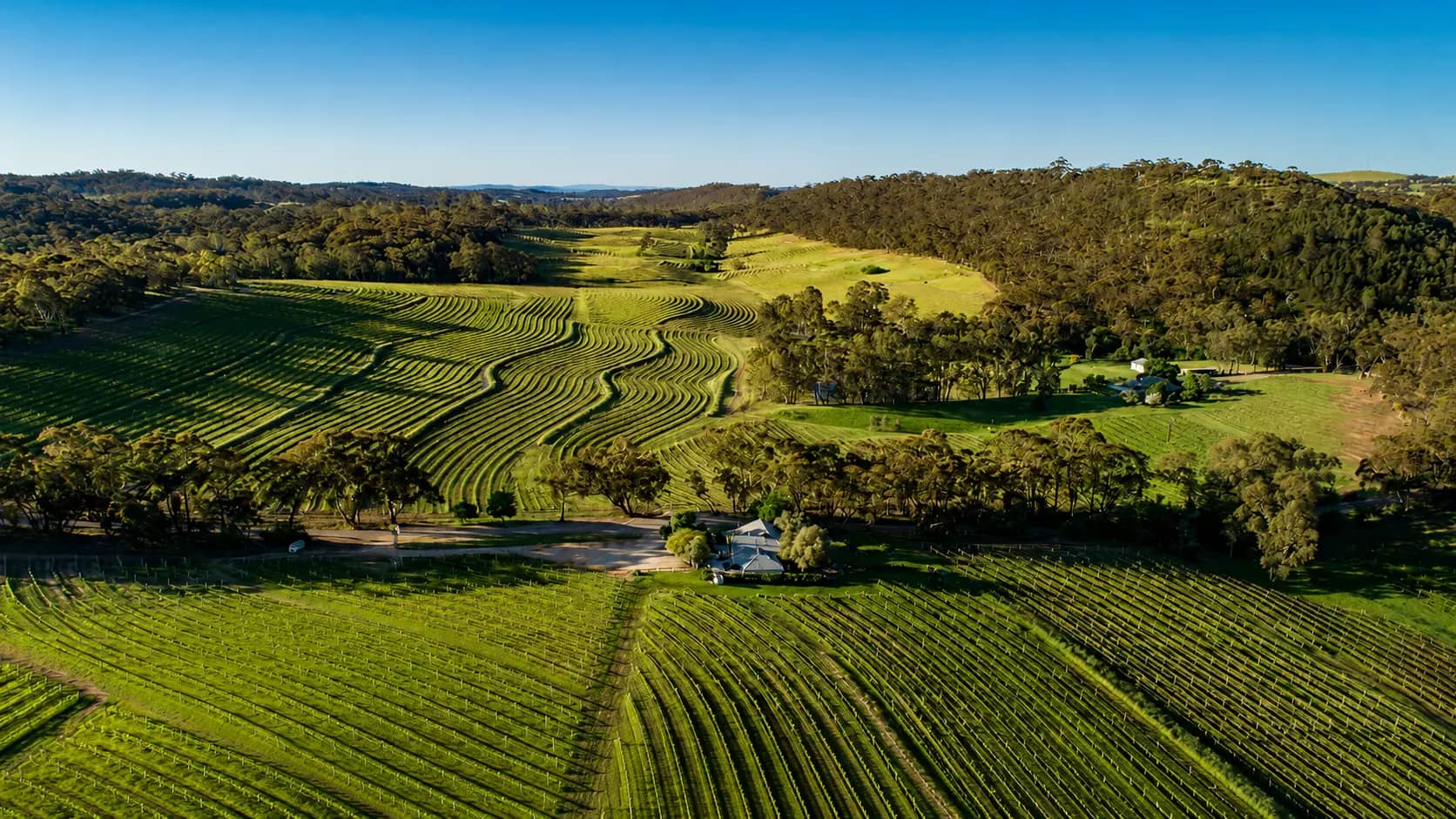
Clare Valley
Clare Valley wine-country dog life is its own thing. Tourists, dog-friendly cellar doors, dog-dense events, and a population mix of long-time locals and tree-changers from Adelaide. I run regular in-person consultation days across the Clare Valley from my Crystal Brook base — about 50 minutes south — with bookings grouped together so each Clare day carries multiple consults.
Dog training in Clare Valley
Yorke Peninsula
The Yorke Peninsula is beach country — fishing trips, tourist holidays, working sheep properties, and family dogs that range from spoilt town dogs to long-line drivers on the harvest. I run regular in-person consultation days across the peninsula from my Crystal Brook base, with bookings grouped together so the drive (90 minutes to the Copper Coast, around 2 hours to Yorketown) carries multiple consults in the same trip.
Dog training in Yorke PeninsulaTown-specific pages
Puppy Training in your town
Local-context pages for puppy training in the towns I work most often.
Port Pirie
Puppy Training in Port Pirie
Port Pirie is the town where I most often arrive to a puppy that has already had a barking complaint logged against it at six months old. The combination of close-set housing, working-breed energy, and limited off-lead options means a Pirie puppy needs leadership and structure earlier than a puppy on five acres. That is the whole point of starting at eight weeks rather than waiting until adolescence forces the conversation.
Read the Port Pirie guideWhyalla
Puppy Training in Whyalla
Whyalla is the Iron Triangle town where I most often arrive to a six-month-old puppy whose owner is already calling it 'reactive' because it has been screaming at every passing dog on the foreshore since week ten. The pattern is preventable, but only if the foundation work happens before the puppy hits the foreshore at six months expecting it to be a free-for-all. The puppy consultation is where we get ahead of all of that.
Read the Whyalla guideClare
Puppy Training in Clare
Clare's geography is a double-edged sword for puppies. The space, the quieter roads, the open paddocks and vineyard tracks give a puppy a richer exposure environment than most of my coverage area. But the same space tempts owners to under-structure the puppy — to assume that a tired puppy is a trained puppy, that a recall on five acres is a recall, that a working-breed puppy 'will work itself out' on the property. The foundation work in Clare is the same as anywhere else; the temptation to skip it is greater.
Read the Clare guideSee it in action
Before and after — a real puppy training consultation
Real footage from in-home consultations. Each clip is the change inside the session — not edited in post.
Pip and a 4-month-old puppy · Wallaroo
By the end of the four-hour consultation, both dogs were settled on their beds while someone knocked at the door.
Related services
Often comes up alongside puppy training
These are the services owners working on puppy training most often need to look at too. If you're not sure which category your dog fits, the Free Behaviour Test sorts it in two minutes.
Service
Obedience Training
Obedience that holds in the paddock, the beach, the cafe and the chaos — because it comes from relationship, not bribery.
Read moreFormat
In-Home Training
Your dog's behaviour lives in your environment. So the training does too.
Read moreFormat
Online Coaching
Because for most behaviour work, you are the variable — and that's what we coach.
Read moreRead more on this topic
puppy training
How to Socialise Your Puppy in Regional SA
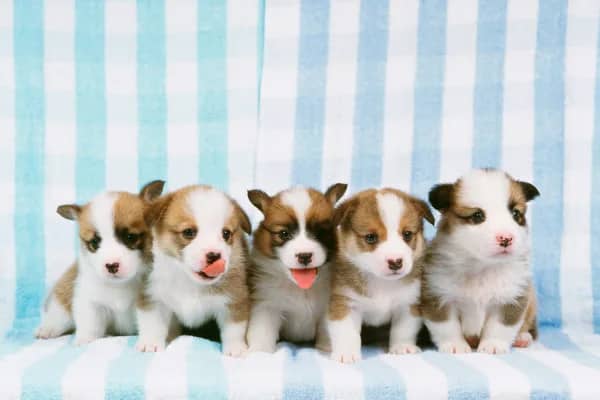
The critical socialisation window (3–16 weeks) closes fast. Here's how to socialise your puppy safely in regional SA — farms, beaches, towns and livestock.
13 min read·Apr 2026
obedience leadership
Calm Leadership: The Real Reason Your Dog Won't Listen
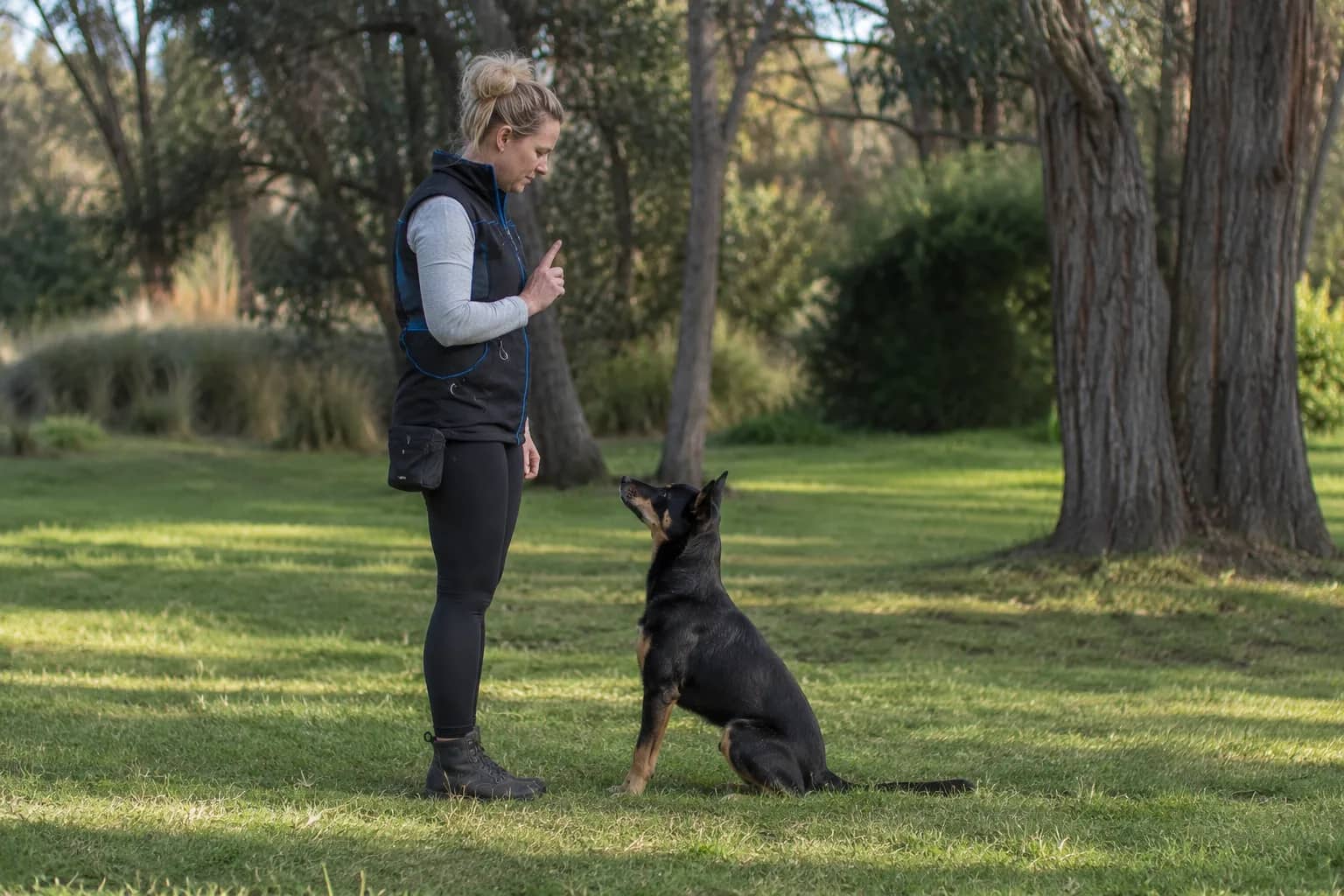
If your dog ignores you, the problem isn't training — it's leadership. Here's what calm, clear leadership actually looks like across regional SA households.
12 min read·May 2026
choosing a trainer
In-Home vs Group vs Online Dog Training — Compared
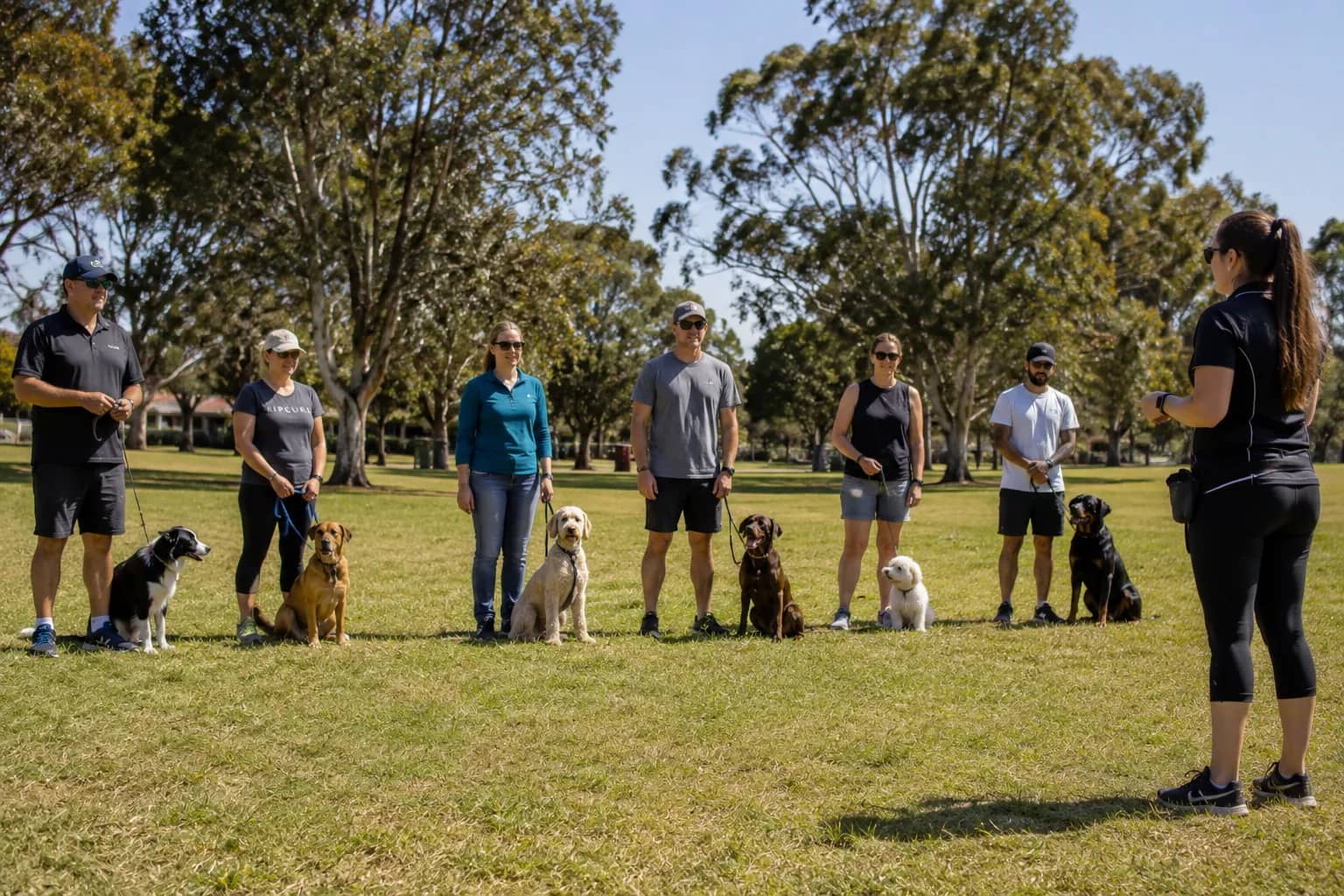
Three formats, three use-cases. How to choose between in-home, group and online dog training as a regional South Australian owner.
9 min read·Jan 2026
Puppy Training — frequently asked questions
Start here
Find out what is really going on with your dog — in 2 minutes.
The Free Dog Behaviour Test gives you (and Pauline) a clear starting point. No pressure, no spam, no obligation — just clarity.