
Category
Regional SA Dog Life
Regional SA dog life is its own thing. Here is how to make the most of it.
← All articles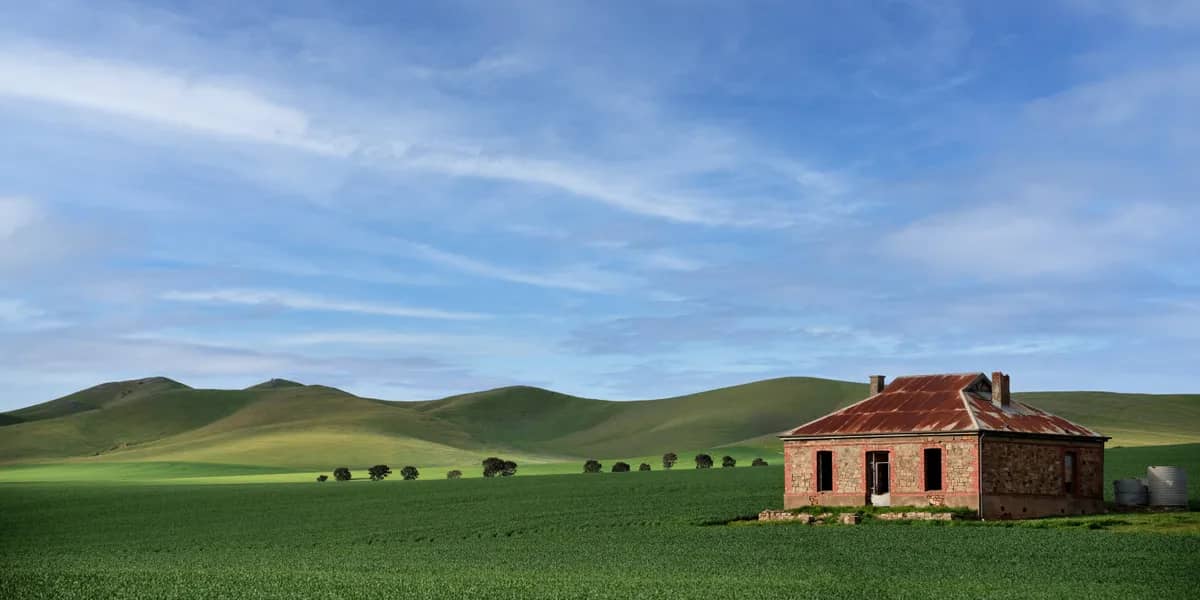
regional sa dog life
Mid North Dog Ownership: Jamestown, Burra & Peterborough Cases
The cases Pauline works in Jamestown, Burra and Peterborough — working-breed density, livestock proximity, and the household patterns behind them.
11 min read·June 2026
regional sa dog life
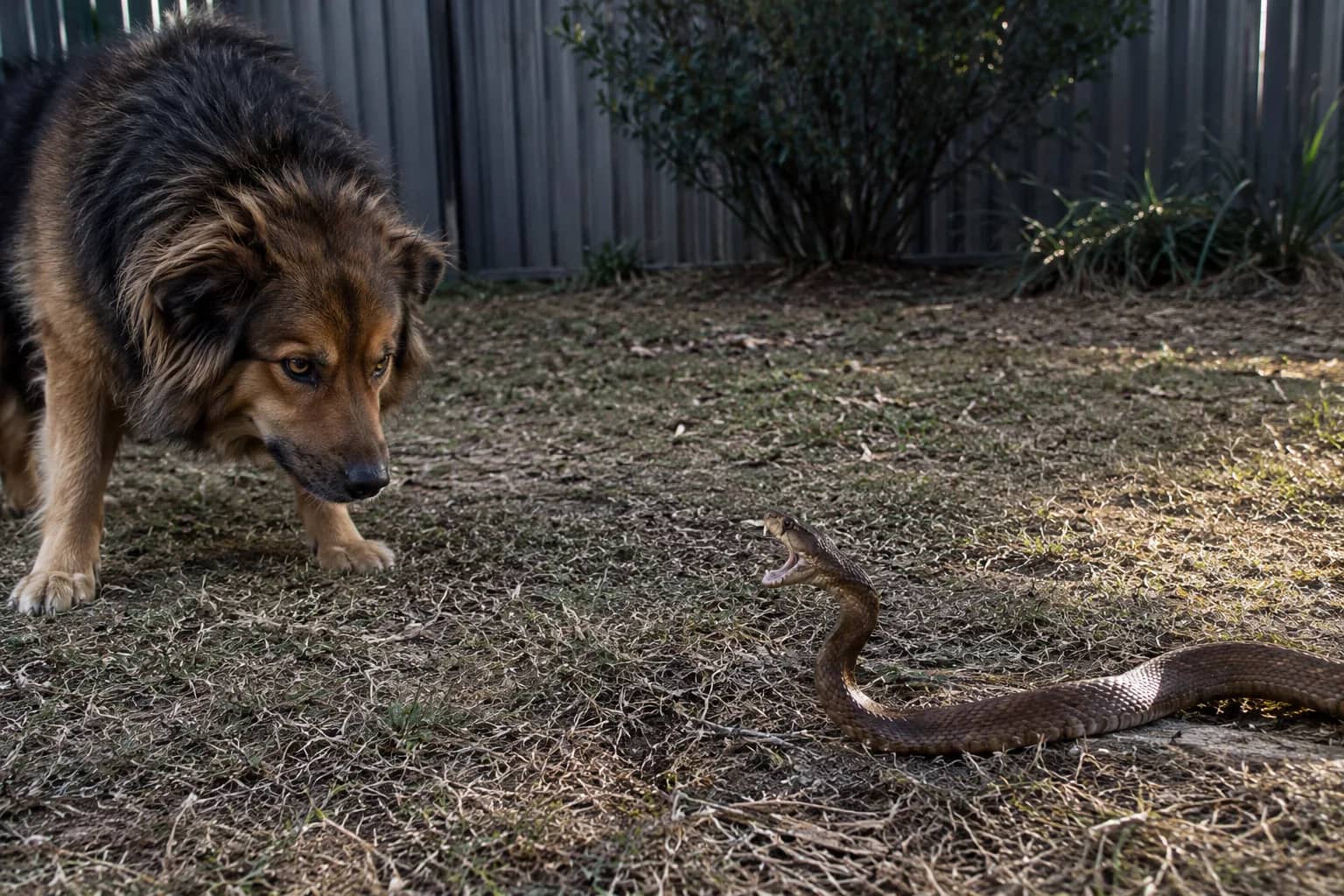
Snake Avoidance Training for Regional SA Dogs
Brown snake risk runs September to April in regional SA. Property habits, exercise rules, an honest take on e-collar training, and the bite emergency plan.
14 min read·May 2026
regional sa dog life
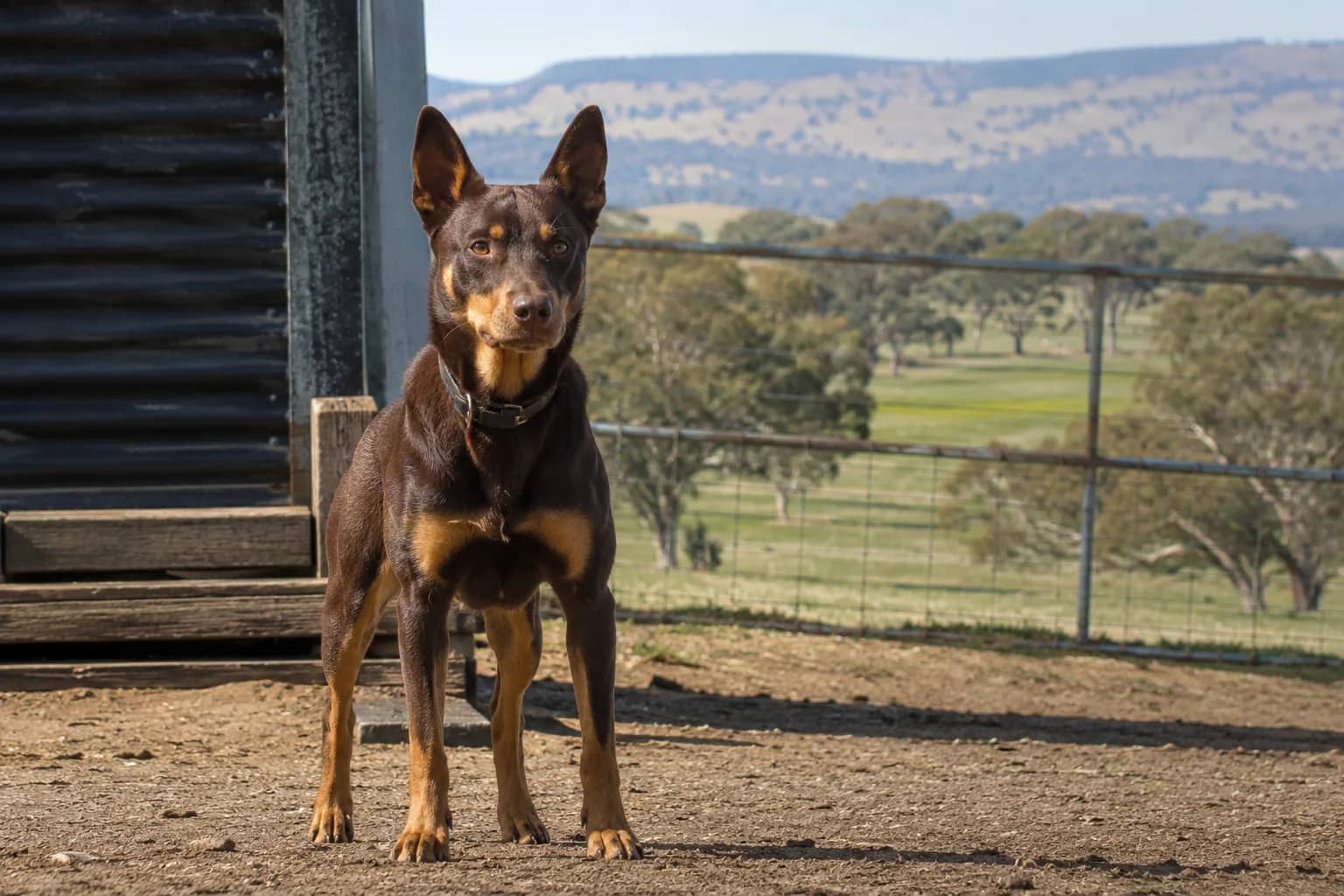
Kelpies & Heelers in Town — Iron Triangle Working Dogs
When a working-bred dog lives a town life, things break. Here's what kelpie, heeler and herding-breed owners across the Iron Triangle need to know.
11 min read·Dec 2025
regional sa dog life
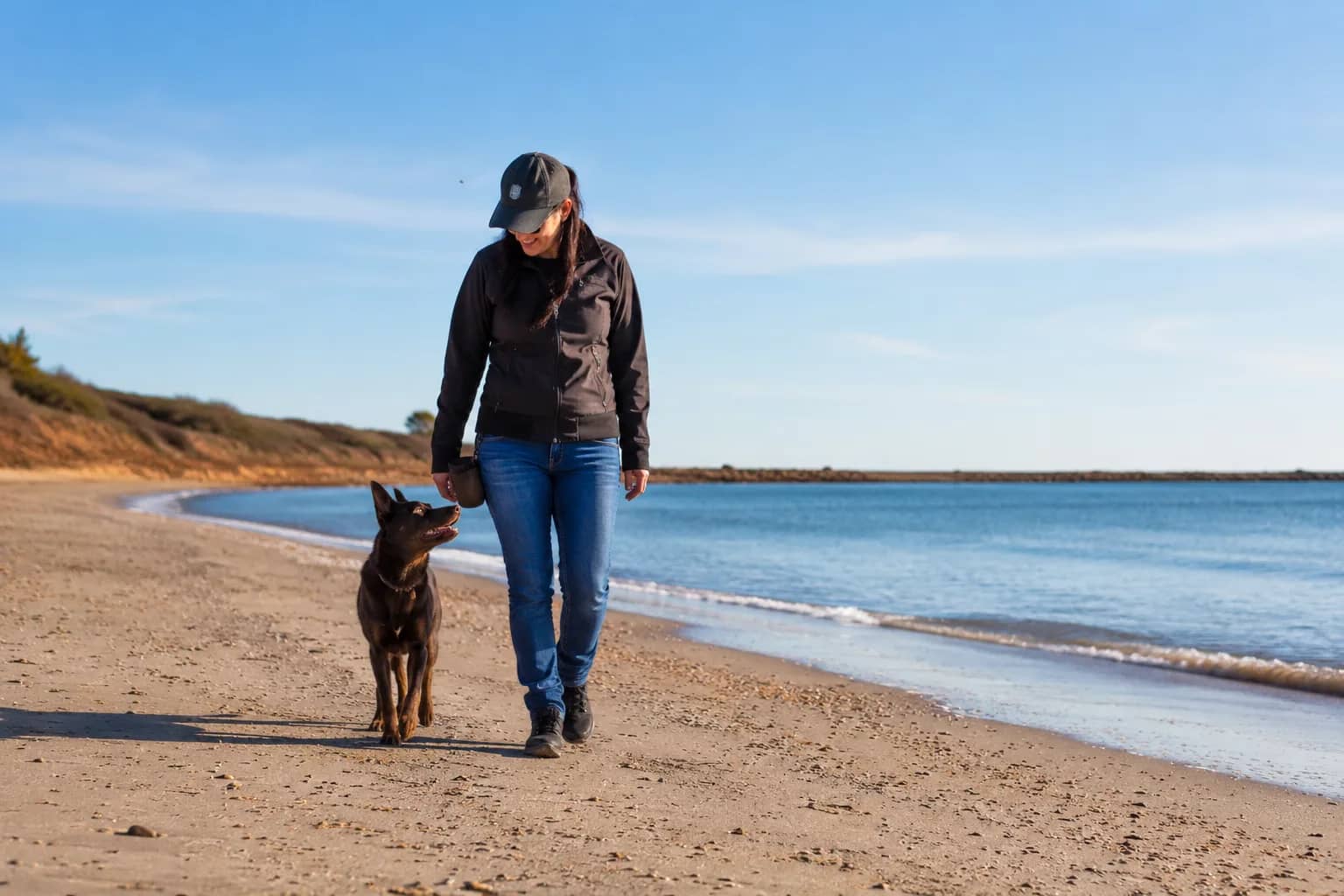
Off-Lead Reliability — Regional SA Beach, Bush & Vineyard
Reliable off-lead across the Clare Valley vineyards, Yorke Peninsula beaches and the Eyre Peninsula coastline. The leadership-based approach.
10 min read·Nov 2025
From Pauline
Why a regional dog isn’t a city dog
A dog in Port Pirie has a different life than a dog in Norwood. The same is true for a dog in Crystal Brook, Wallaroo, Clare, Whyalla, Cleve or Streaky Bay. We have more space, more livestock, more wildlife, more long-distance travel in the back of utes, fewer dog parks and a very different relationship with off-lead freedom. A lot of mainstream training advice doesn’t translate.
These articles are written for regional South Australian owners. Stock-safe recalls. Working dogs at home versus working dogs at work. Beach-day manners on the Yorke and Eyre Peninsulas. Vineyard dogs in the Clare Valley. Snake season. Hot pavement and 40-degree afternoons. Long-distance recall on dirt roads with no fences.
Working breeds are over-represented in regional SA — kelpies, blue heelers, German Shepherds, border collies, Malinois, working-bred labradors and the local crosses. They are bred to make decisions in the absence of a handler, which is a wonderful trait on a working property and a difficult one in a backyard in town. Articles in this category cover what it takes to live well with a working dog when the actual job they were bred for is not on the table — structured outlets, leadership-based engagement, and the specific arousal-management patterns that turn a "too much" dog into a calm one.
Snake season is the regional case people ask me about most between November and March. The honest answer is that snake-avoidance training is real, it works, and it is one of the few situations where I will recommend a structured aversion protocol — run by someone qualified, never DIY. Articles here cover what that looks like, what age to do it at, how long the effect lasts, and the everyday property management that makes a snake encounter less likely in the first place. The work is preventative, not reactive, and it is easier to do at twelve months than at four years old.
Beach dogs, vineyard dogs, farm dogs and town dogs each get their own pieces in this category. The Yorke and Eyre coasts have specific off-lead etiquette that most metropolitan dogs would fail; the Clare Valley vineyards run a particular kind of cellar-door working day that the dogs need to learn; the working farms across the Mid North expect a different standard of stock manners than a backyard kelpie ever encounters. None of this is hard. All of it benefits from being learned deliberately rather than picked up by trial and error.
Regional dog life is one of the best things going. With a calm, clearly led dog, it’s even better.
Other categories on the blog
More from the Heart of the Pack blog
Six topic categories cover the cases I work on most often across regional South Australia. If this one was useful, the related categories below are usually the next place to look.
Puppy Training
Everything you need for the first 16 weeks (and the adolescent storm after).
Read the puppy training category →Obedience & Leadership
Reliable dogs come from calm, confident humans. Here is what that looks like.
Read the obedience & leadership category →Aggression & Reactivity
How to read aggression and reactivity for what they really are — and what actually helps.
Read the aggression & reactivity category →Anxiety & Barking
Anxiety and barking are symptoms. Here is how to find — and resolve — the cause.
Read the anxiety & barking category →Choosing a Trainer
Not all dog training is the same. Here is how to pick the right help for your dog.
Read the choosing a trainer category →Start here
Find out what is really going on with your dog — in 2 minutes.
The Free Dog Behaviour Test gives you (and Pauline) a clear starting point. No pressure, no spam, no obligation — just clarity.