
Category
Choosing a Trainer
Not all dog training is the same. Here is how to pick the right help for your dog.
← All articles
choosing a trainer
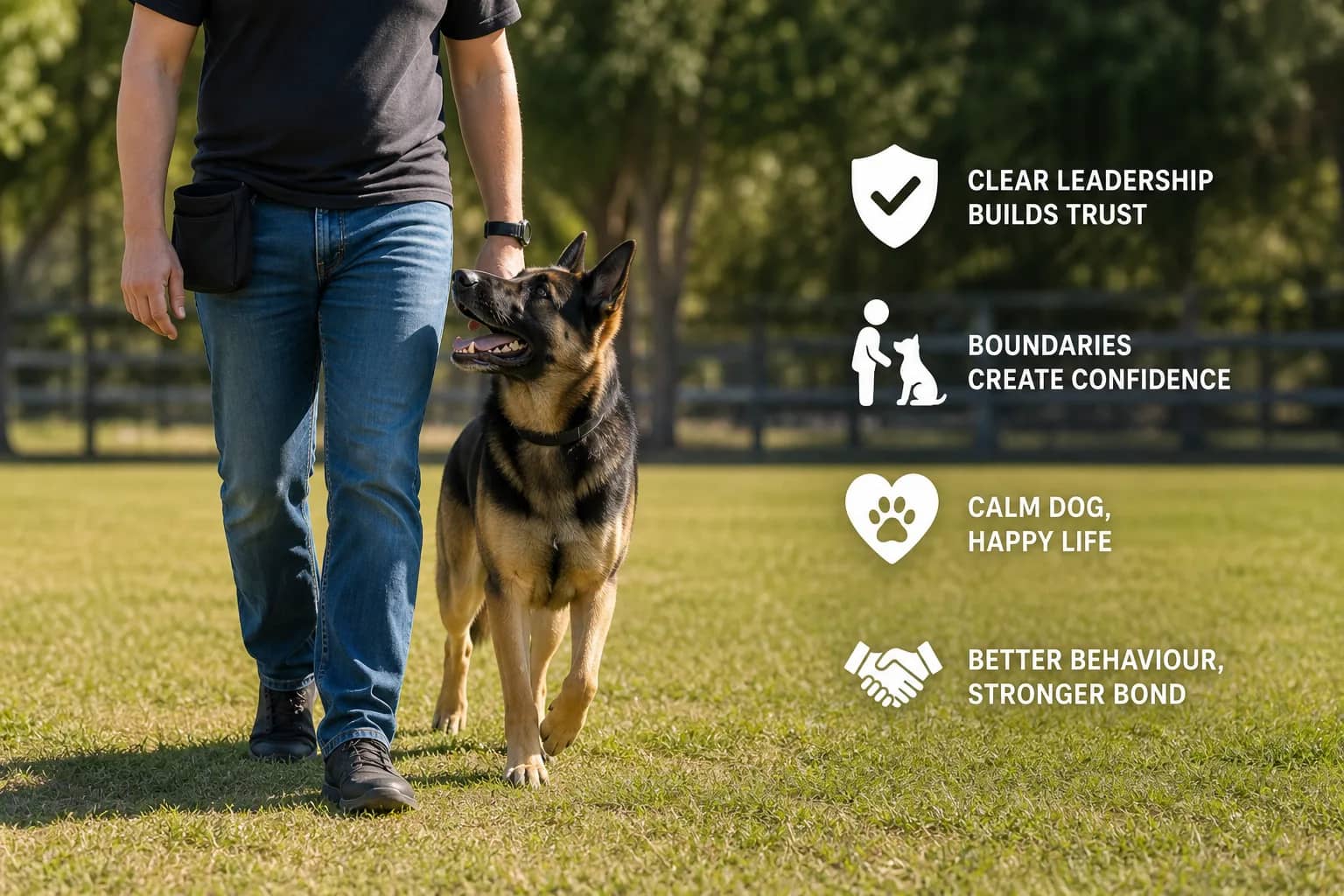
Dog Behaviourist vs Dog Trainer — What's the Difference?
Honest comparison of what a dog trainer does versus what an accredited dog behaviourist does — scope, method, cost, format, and when to book each.
11 min read·June 2026
choosing a trainer
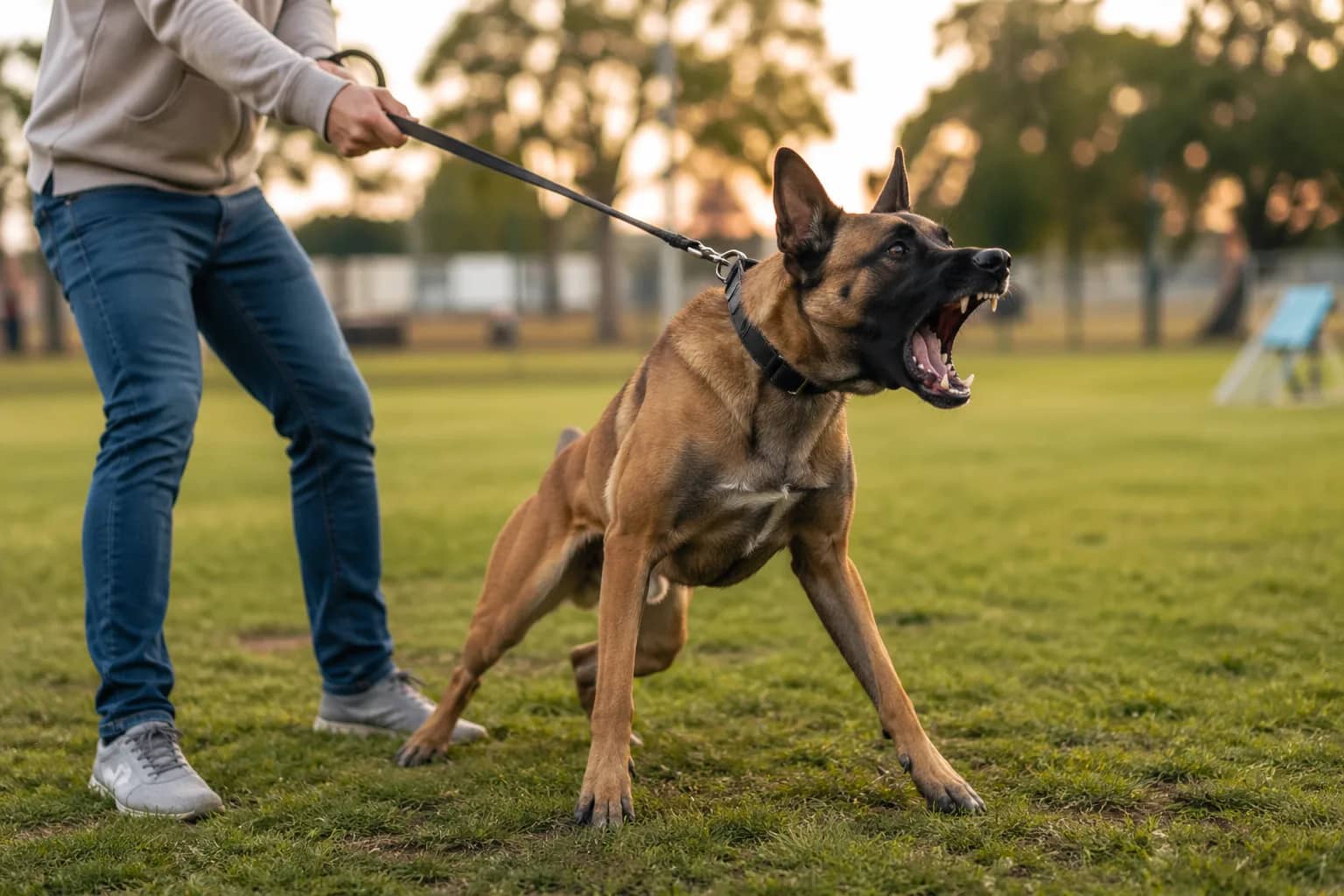
How Much Does a Dog Behaviourist Cost in Australia?
Honest breakdown of what a dog behaviourist costs in Australia — typical fees, what the price includes, and why cheaper is often more expensive.
10 min read·June 2026
choosing a trainer
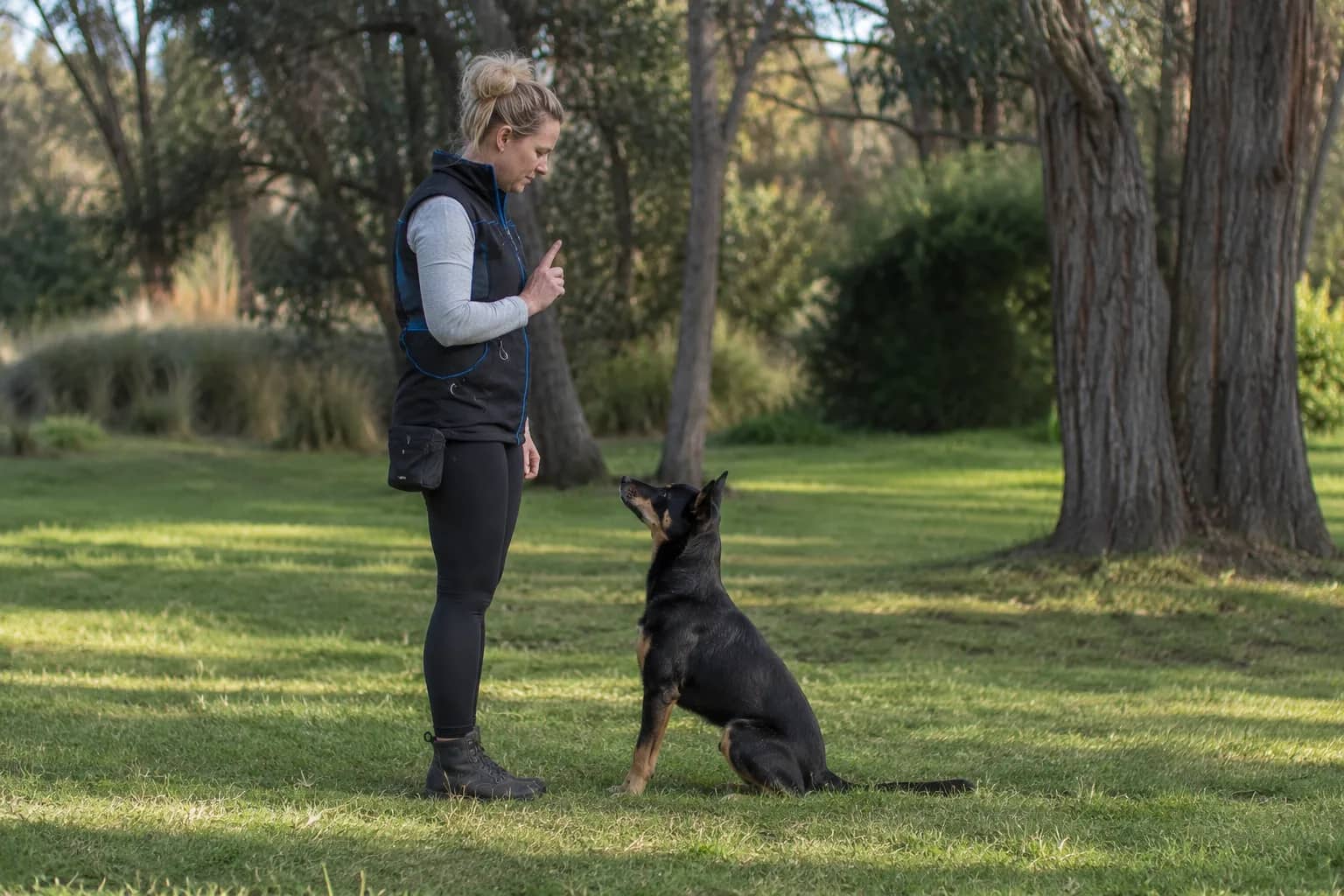
When to See a Dog Behaviourist (Not Just a Trainer)
The specific signs your dog needs a behaviourist rather than a trainer — book-now triggers, warning signs, and the cost of waiting to decide.
10 min read·June 2026
choosing a trainer
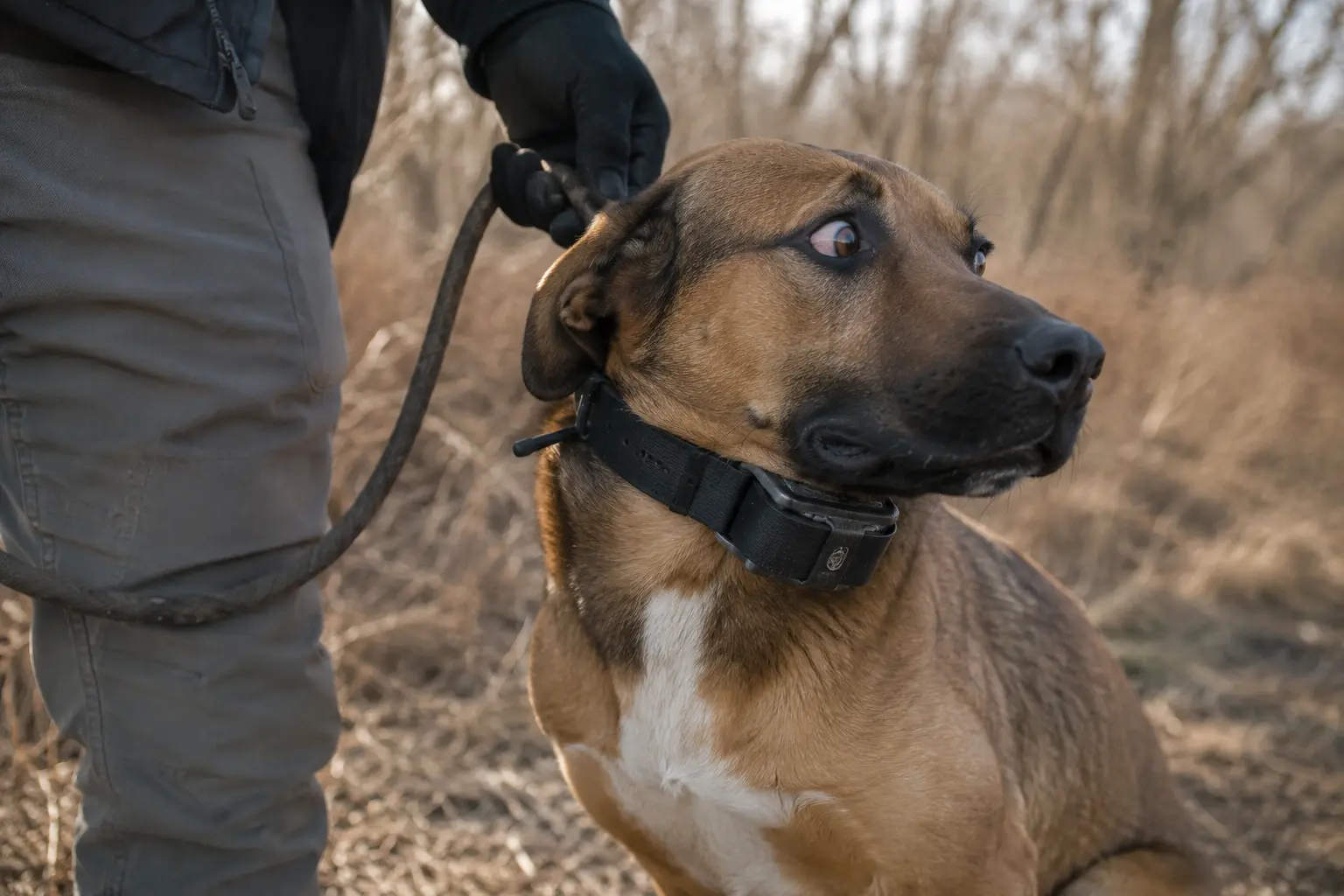
How Long Does Dog Training Take?
Realistic timelines for puppy training, loose-lead, recall, adult obedience, adolescent reset and behaviour cases. What speeds it up, what slows it.
10 min read·June 2026
choosing a trainer
Do Shock Collars Work? The Truth Behind E-Collar Training
Do shock collars work for dogs? Learn the truth about shock collar training, the risks involved, and what actually creates lasting behaviour change.
12 min read·May 2026
choosing a trainer
Leadership vs Balanced vs Force-Free Dog Training
Confused by trainer jargon? Honest comparison of balanced, force-free and leadership-based dog training — what each means and where each fails.
13 min read·May 2026
choosing a trainer
7 Signs Your Dog Trainer Is Using the Wrong Methods
Worried your dog trainer is doing more harm than good? 7 warning signs — and how to find an ethical, results-focused trainer in regional South Australia.
11 min read·May 2026

choosing a trainer
Rescue Dog Behaviour — The Critical First 30 Days
What to do — and not do — in the first month with a rescue dog. The decompression and leadership protocol Pauline uses across regional SA.
12 min read·Jan 2026
choosing a trainer
In-Home vs Group vs Online Dog Training — Compared
Three formats, three use-cases. How to choose between in-home, group and online dog training as a regional South Australian owner.
9 min read·Jan 2026
From Pauline
How to tell a behaviourist from a guesser
The dog training industry in Australia is unregulated. Anyone can call themselves a trainer, a behaviourist, a coach, a “whisperer.” The result is that owners — especially owners of difficult dogs — often pay good money two or three times before they find someone whose method actually works for their dog and doesn’t make the case worse.
These articles are the questions I wish every owner asked before booking. What accreditation actually means. What “balanced” training really translates to in practice. Why a trainer who promises results in one session is usually selling something. What red flags to watch for, especially with aggression and reactivity cases. And how to evaluate a trainer’s method from their website before you spend a cent.
The first distinction worth understanding is between a trainer and a behaviourist. A trainer teaches behaviours — sit, drop, recall, loose-lead walking. A behaviourist works with the underlying state — anxiety, aggression, reactivity, arousal. The two jobs are related but they are not the same, and a lot of cases that look like training problems on the surface are actually behaviour problems underneath. Articles in this category walk through how to tell which one you actually need before you start spending money on the wrong one.
The second distinction is between methods that resolve the state and methods that suppress the behaviour. Suppressing the behaviour is faster in the first session and worse in the long run, because the underlying state still drives the dog — it just shows up in a different form. Resolving the state is slower in the first session and holds for the life of the dog. Almost every article in this category turns on that distinction in some form, because almost every misfire in the industry comes from confusing the two.
The third honest piece is about online programs and board-and-train. There is a place for both, and I cover where that place is in detail. Online coaching, run properly by an accredited practitioner, produces equivalent outcomes for most cases — particularly anything where the household environment is the main driver and the work is mostly coaching the human. Board-and-train, on the other hand, almost always produces a dog that listens to the trainer and a household that has not changed — so the dog reverts inside a fortnight of coming home. Knowing which format genuinely suits your case is the difference between getting your money’s worth and starting over.
You don’t have to pick me. But please pick carefully. Your dog only gets one childhood, and a bad trainer can set you back a year.
Other categories on the blog
More from the Heart of the Pack blog
Six topic categories cover the cases I work on most often across regional South Australia. If this one was useful, the related categories below are usually the next place to look.
Puppy Training
Everything you need for the first 16 weeks (and the adolescent storm after).
Read the puppy training category →Obedience & Leadership
Reliable dogs come from calm, confident humans. Here is what that looks like.
Read the obedience & leadership category →Aggression & Reactivity
How to read aggression and reactivity for what they really are — and what actually helps.
Read the aggression & reactivity category →Anxiety & Barking
Anxiety and barking are symptoms. Here is how to find — and resolve — the cause.
Read the anxiety & barking category →Regional SA Dog Life
Regional SA dog life is its own thing. Here is how to make the most of it.
Read the regional sa dog life category →Start here
Find out what is really going on with your dog — in 2 minutes.
The Free Dog Behaviour Test gives you (and Pauline) a clear starting point. No pressure, no spam, no obligation — just clarity.