
Category
Anxiety & Barking Articles
Anxiety and barking are symptoms. Here is how to find — and resolve — the cause.
← All articles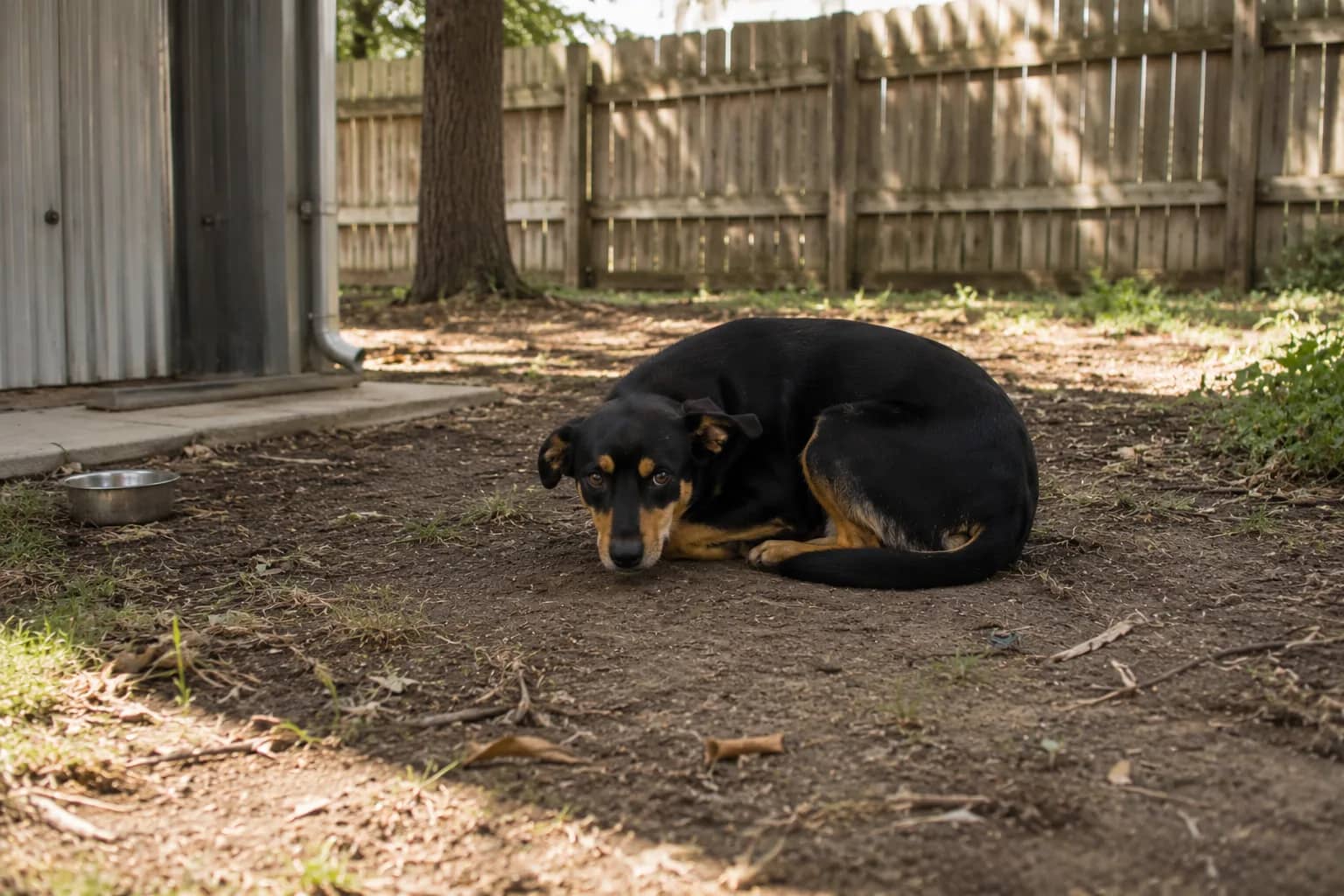
anxiety barking
How to Help a Dog With Separation Anxiety
What separation anxiety in dogs looks like, why the common fixes fail, and what professional help involves. For owners of genuinely anxious dogs.
12 min read·June 2026

anxiety barking
Port Augusta Separation Anxiety — FIFO & Shift Work
FIFO and shift-work households produce more separation anxiety cases in Port Augusta than anywhere else in regional SA. The drug-free protocol.
11 min read·June 2026

anxiety barking
Fireworks Anxiety in Dogs — Regional SA Survival
Helping a fireworks-anxious dog for Christmas, New Year and Australia Day in regional SA — short-term support on the night plus lasting confidence work.
13 min read·May 2026
anxiety barking
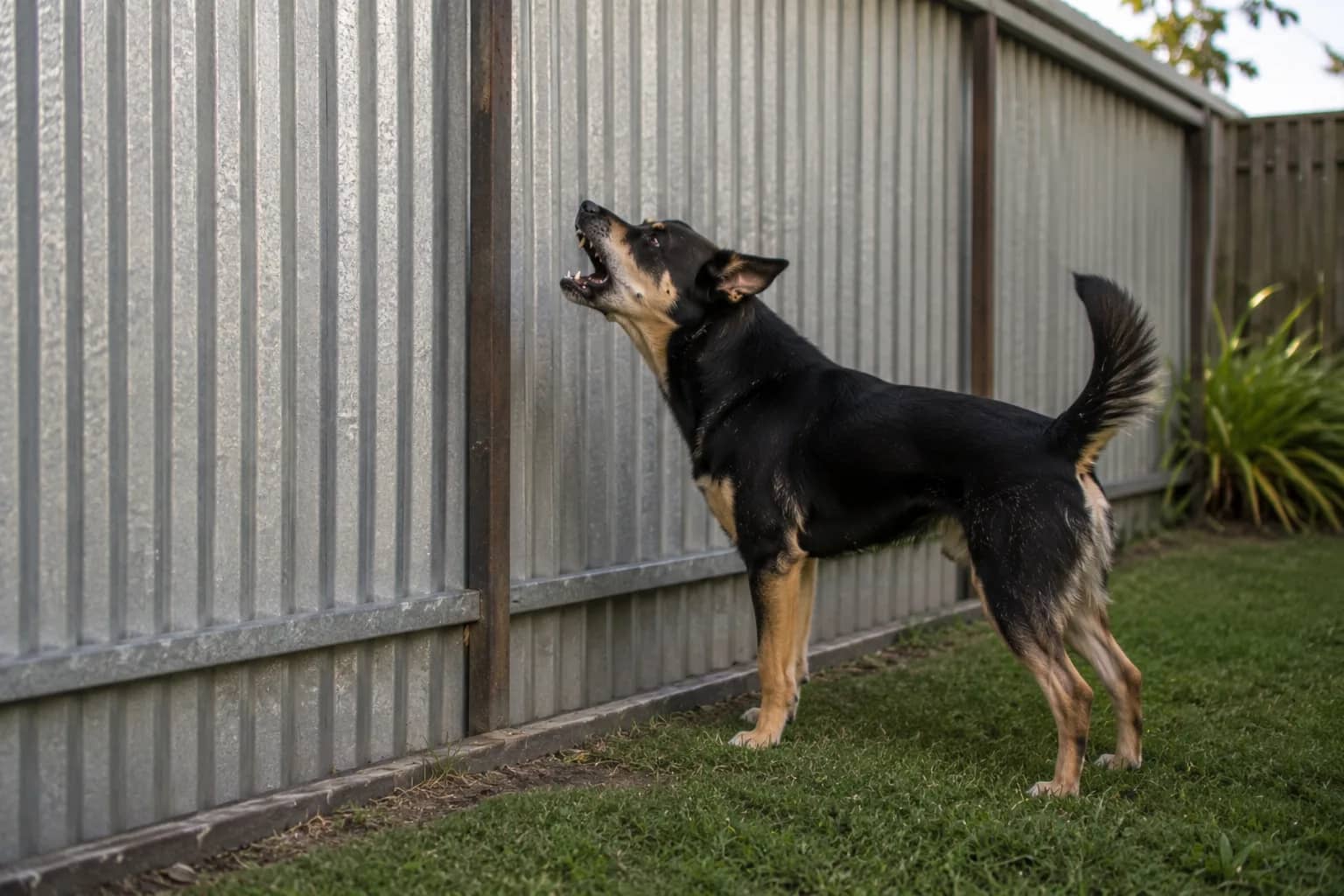
Stop Your Dog Barking at Everything — No Bark Collar
Why bark collars don't work long-term, and the four-type framework Pauline uses to resolve nuisance barking across regional SA homes.
11 min read·Mar 2026
anxiety barking
Separation Anxiety in Dogs: How to Tell, How to Help
Boredom or genuine separation anxiety? How to tell, and the desensitisation approach that resolves SA in regional SA households (including FIFO families).
13 min read·Feb 2026
From Pauline
Why I won’t write about bark collars
Anxiety and barking get bundled together because they look like the same problem (a noisy, distressed dog) and they have the same useless solution sold to them (suppress the noise with a collar, a spray, or a citronella device). Suppress the symptom and the underlying state goes inwards. The dog gets quieter and worse, not calmer and better.
These articles cover separation anxiety, demand barking, alert barking, boundary barking, frustration barking and the night-time vocalisation that drives neighbours mad. Each one is a different state and needs a different response. I also cover the calm-leadership baseline that almost every anxious dog is missing — the thing that has to be in place before any specific technique will hold.
Separation anxiety is the case I see most across the Upper Spencer Gulf, because the shift-work and FIFO roster culture across Port Pirie, Port Augusta and Whyalla puts dogs alone for unpredictable twelve-hour blocks. A dog that can manage a steady 9-to-5 absence falls apart when the household rhythm changes week to week. Articles in this category cover what genuine separation distress looks like (versus boredom or under-exercise), the structured settle protocol that resolves it, and the realistic timeline — most cases stabilise within four to eight weeks once the household leadership and routine are right.
Demand barking, alert barking and boundary barking each have a different fix because they each come from a different state. A demand barker has learned the noise produces a result and is asking for that result on repeat. An alert barker is doing a job nobody asked it to do because nobody else stepped into the role. A boundary barker is rehearsing territorial defence at the front fence and getting good at it. The bark collar treats all three the same — by punishing the noise. The leadership-based approach treats each one differently, which is why the bark stops without anything being suppressed.
Fireworks, thunderstorms and the wider category of "noise sensitivity" cases land here too. Regional South Australia gets cracker nights, big summer storms and the occasional shed-rattling burst of country weather, and the dogs who lose the plot during them often look worse with every event because nothing in between has changed the underlying state. Articles here cover what to do in the moment (less than most owners think), what to set up across the year so the next event lands on a calmer dog, and why drug-free management almost always outperforms sedation across a full season.
If your dog is barking the house down or falling apart when you leave, you’re not alone. These pieces are the starting point.
Other categories on the blog
More from the Heart of the Pack blog
Six topic categories cover the cases I work on most often across regional South Australia. If this one was useful, the related categories below are usually the next place to look.
Puppy Training
Everything you need for the first 16 weeks (and the adolescent storm after).
Read the puppy training category →Obedience & Leadership
Reliable dogs come from calm, confident humans. Here is what that looks like.
Read the obedience & leadership category →Aggression & Reactivity
How to read aggression and reactivity for what they really are — and what actually helps.
Read the aggression & reactivity category →Choosing a Trainer
Not all dog training is the same. Here is how to pick the right help for your dog.
Read the choosing a trainer category →Regional SA Dog Life
Regional SA dog life is its own thing. Here is how to make the most of it.
Read the regional sa dog life category →Start here
Find out what is really going on with your dog — in 2 minutes.
The Free Dog Behaviour Test gives you (and Pauline) a clear starting point. No pressure, no spam, no obligation — just clarity.