
Category
Aggression & Reactivity Articles
How to read aggression and reactivity for what they really are — and what actually helps.
← All articles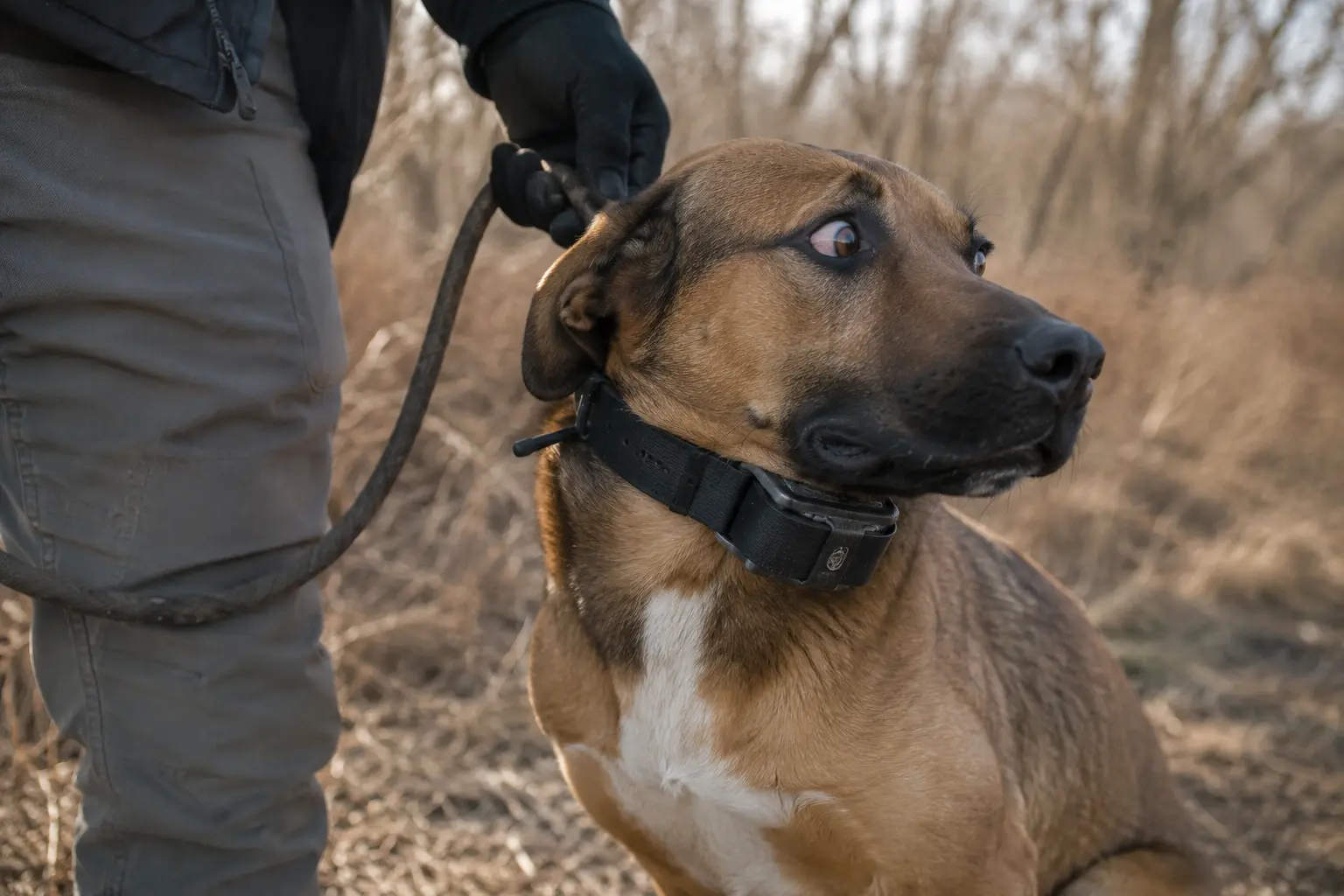
aggression reactivity
How to Rehabilitate a Dog After Aversive Training
Signs your dog is shut down or suppressed after aversive training, why the "regression" at week 3 is actually a win, and what real recovery looks like.
11 min read·Sept 2026
aggression reactivity
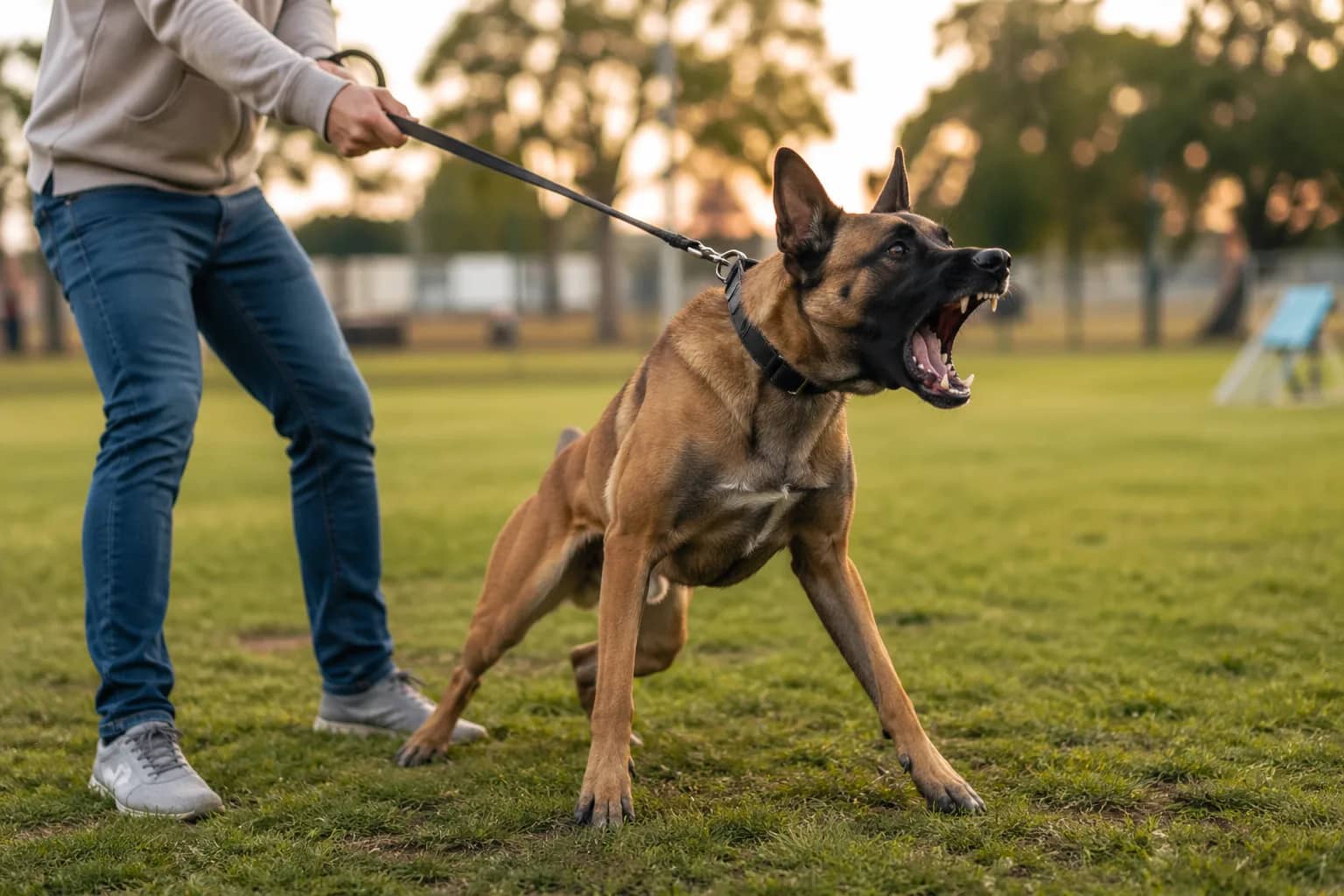
Dog Aggression Training — What Actually Works
Honest guide to dog aggression training — what aggression is, why punishment fails, what ethical rehabilitation looks like, and what to look for.
11 min read·June 2026
aggression reactivity
Your Dog Growled at You — What It Means and What to Do Next
Growling is a warning, not a threat — and punishing it turns a warning into a bite. Five contexts Pauline sees, and the response that prevents escalation.
9 min read·June 2026
aggression reactivity
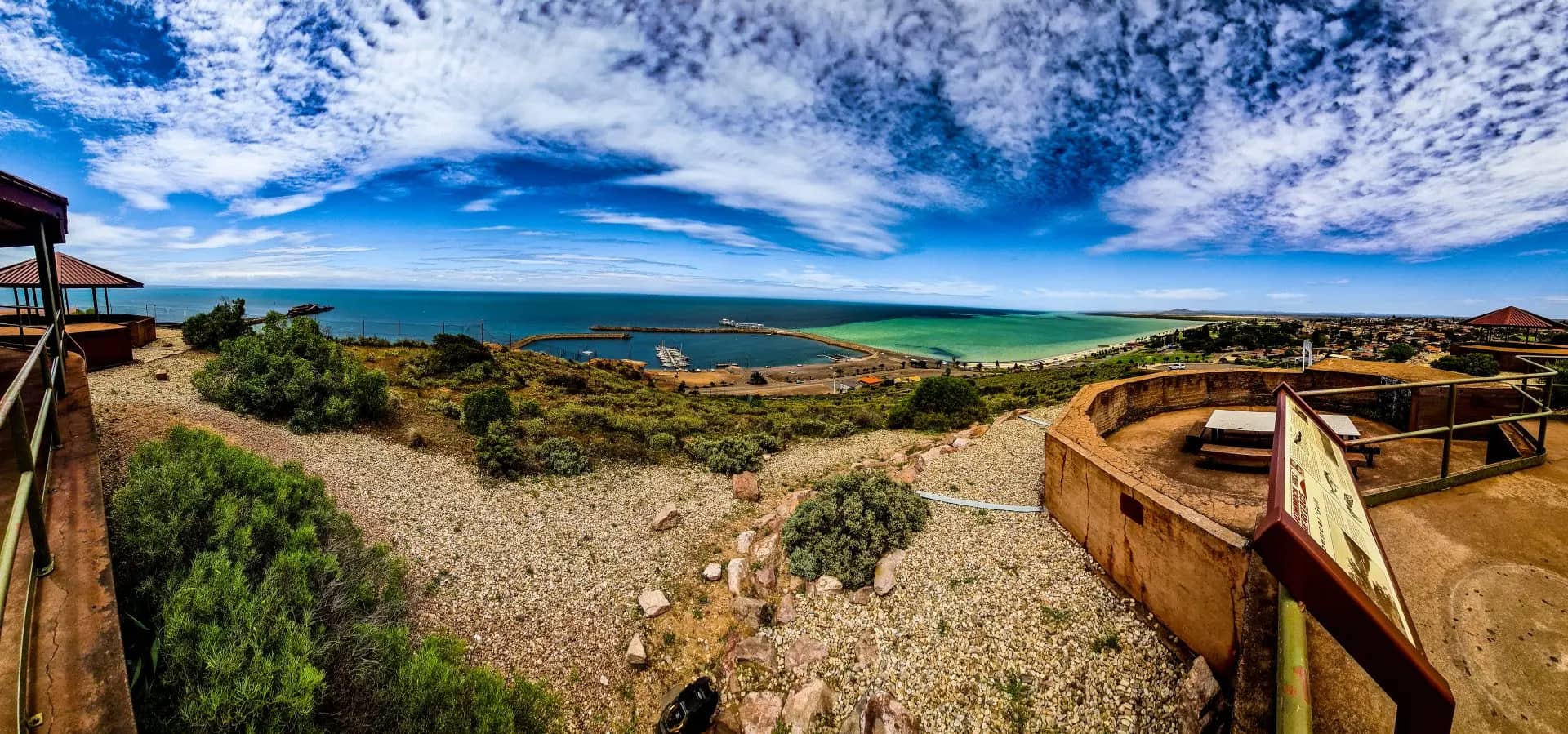
Reactive Dog Training on the Whyalla Foreshore
Whyalla foreshore reactivity is the most-rehearsed leash-reactivity setup in the Iron Triangle. The pattern in 80% of cases, and the three-phase rebuild.
10 min read·June 2026
aggression reactivity
Why Aggressive Dog Training Methods Fail
Punishment-based aggressive dog training makes things worse. The science of why, and the ethical leadership-based approach used in regional SA.
14 min read·Apr 2026
From Pauline
Why these cases need their own writing
Aggression and reactivity are the cases I work on most often, and they are the cases most likely to be made worse by the wrong advice. There is a particular kind of training culture — corrections, prong collars, e-collars, alpha-rolls, “you have to dominate them” — that still circulates in regional Australia and still gets recommended at the pub. It looks decisive. It is not. It almost always escalates the dog.
These articles take the cases apart honestly. What aggression actually is (and isn’t). The difference between a frustrated reactive dog and a fearful one. Why a dog over threshold cannot learn. What a real rehabilitation timeline looks like — usually weeks to months, not a weekend.
The single most useful distinction I make in an aggression or reactivity case is fear versus arousal. Both look like the same noisy explosion at the end of a lead, and both get treated with the same generic protocol online, but the underlying state is opposite. A fearful dog is trying to push the threat away from itself. An aroused dog — a frustrated greeter, a fence runner, a "barrier reactive" dog — is trying to get to the trigger, not get rid of it. The interventions for each are different, and applying the fearful-dog protocol to a frustrated greeter (or vice versa) makes the case worse fast. Almost every reactivity article in this category turns on getting that read right first.
The other piece worth writing about plainly is the suppression-versus-resolution distinction. A shock collar, a prong collar or a strong correction can stop a dog showing the warning signs of aggression — the growl, the lip-curl, the stiff stare — without changing the state behind those signs. The dog still feels what it felt; it has just learned not to show it. That is how a dog ends up biting "out of nowhere": the warnings were drilled out of it months ago. Articles in this category cover the alternative — leadership, structure, threshold work, environmental management — which resolves the state instead of muzzling it.
Rehabilitation timelines are the third honest conversation I want owners to have before they start. A genuine aggression case is usually three to six months of consistent work to reach a stable household life, with another six to twelve months of careful generalisation after that. That is far faster than most owners fear, and far slower than the one-session promises they have been sold elsewhere. Knowing the realistic shape of the work is half the battle — it stops owners panicking when week four feels like a plateau, and it stops them quitting at month two when most of the change is just about to land.
If your dog has bitten, lunged, growled, or you are genuinely worried about what they might do — start here, and please don’t wait. The earlier we work on these cases, the better they go.
Other categories on the blog
More from the Heart of the Pack blog
Six topic categories cover the cases I work on most often across regional South Australia. If this one was useful, the related categories below are usually the next place to look.
Puppy Training
Everything you need for the first 16 weeks (and the adolescent storm after).
Read the puppy training category →Obedience & Leadership
Reliable dogs come from calm, confident humans. Here is what that looks like.
Read the obedience & leadership category →Anxiety & Barking
Anxiety and barking are symptoms. Here is how to find — and resolve — the cause.
Read the anxiety & barking category →Choosing a Trainer
Not all dog training is the same. Here is how to pick the right help for your dog.
Read the choosing a trainer category →Regional SA Dog Life
Regional SA dog life is its own thing. Here is how to make the most of it.
Read the regional sa dog life category →Start here
Find out what is really going on with your dog — in 2 minutes.
The Free Dog Behaviour Test gives you (and Pauline) a clear starting point. No pressure, no spam, no obligation — just clarity.