The cases I see most across Port Pirie
Port Pirie consultations cluster around four patterns.
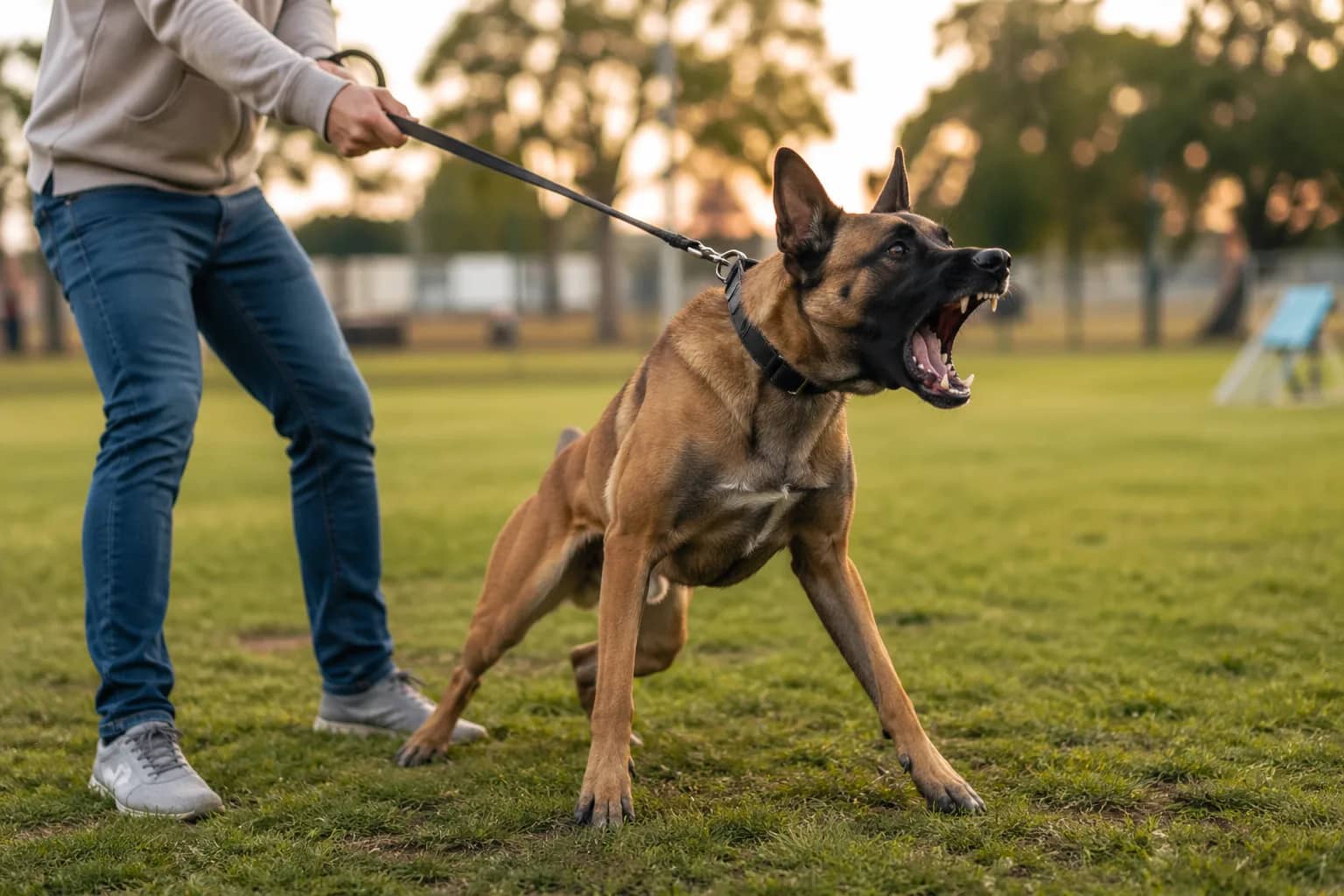
First, on-lead reactivity through Memorial Park and along the central foreshore. The combination of dense dog traffic, the highway-side fence line and the narrow corridor format means dogs meet head-on with nowhere to retreat — and under-led dogs reliably escalate. The work is mostly leadership reset at home plus environmental management on the walks (which times of day, which directions of travel, which distances from the trigger) before training the behaviour underneath it.
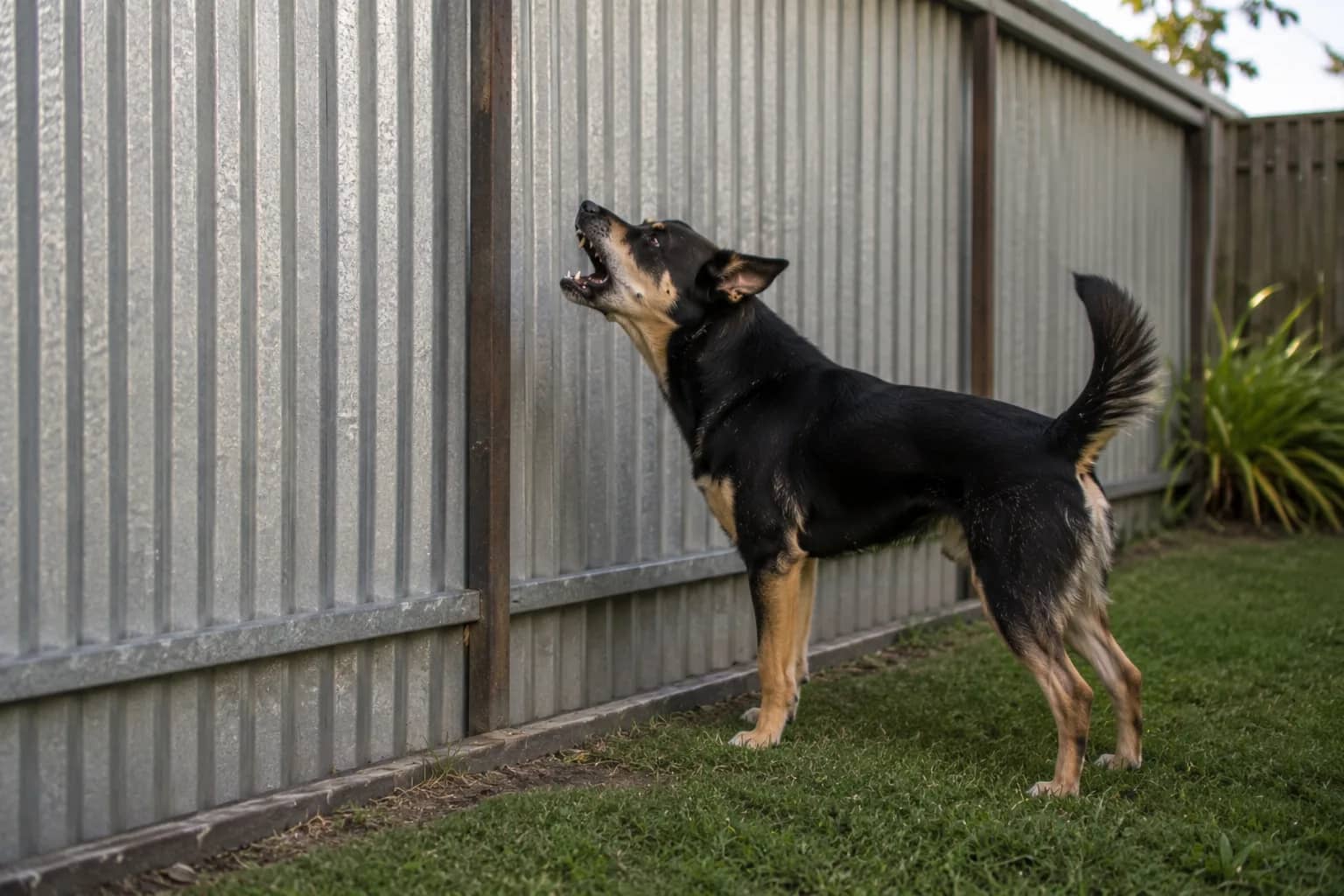
Second, council nuisance-dog notices. Port Pirie Regional Council takes barking complaints seriously, and a written plan in place is sometimes the difference between keeping a dog and having to surrender it. I prioritise these cases — most council situations reset quickly once council can see the plan in place and the training rebuilds underneath.
Third, separation anxiety in shift-work and FIFO households. With the Nyrstar smelter and mining workforces running 12-hour rotations and seven-on / seven-off patterns, the schedule chaos drives separation anxiety harder in Pirie than in most regional towns. The fix is environmental management plus a settle protocol the dog can rely on, not desensitisation tapes.
Fourth, rescue and rehomed dogs coming through the Pirie pound network. These dogs almost always settle within days, then surface a serious behaviour two to six weeks later as they relax. The first eight weeks decide the trajectory — which is exactly when most owners are making the most well-intentioned mistakes.