Blue Heeler & Cattle Dog Training in Regional SA — Honest Owner's Guide

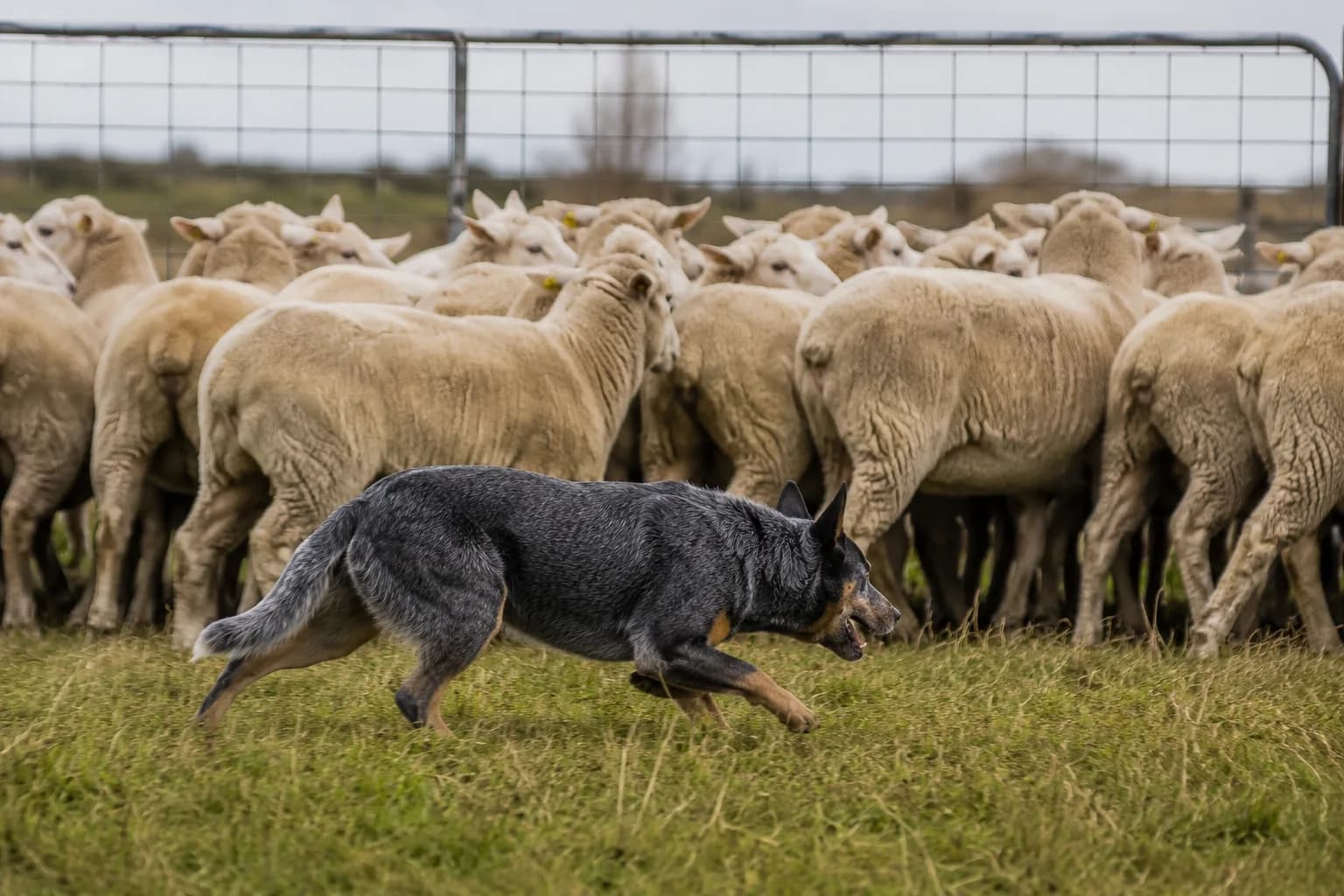
The Blue Heeler — properly the Australian Cattle Dog — is one of the most consistently underestimated breeds in regional South Australia. The herding instinct that built the breed is the same instinct that gets it into trouble with kids, other dogs and livestock when town life doesn't channel it properly. This is what heeler owners across the Mid North, the Iron Triangle and the wider Upper Spencer Gulf need to understand — temperament, the nipping problem, off-property recall, and the workload these dogs genuinely need.
If kelpies are the breed I see most often on hobby blocks across regional SA, blue heelers are not far behind. Most weeks I'm in a household with one — sometimes a working-bred dog on a station, more often a town heeler in Port Pirie, Port Augusta or Whyalla that has decided the next-door neighbour's kids are sheep and need to be moved.
The Australian Cattle Dog is a great dog. It's also a demanding one, and the demand is usually misunderstood. This is what's actually going on under the hood — what the breed needs, where things commonly go wrong, and what works.
A real temperament profile
The Australian Cattle Dog was developed in the 1800s out of crosses between blue-merle drovers' dogs, Dingoes and (later) Dalmatians and Collies. The breed was selected for one job: moving stubborn, often-aggressive cattle across long distances. Everything in the breed's temperament makes sense once you understand that.
A correctly bred ACD is:
- Tough. Bred to take a kick from a cow and keep working. Pain tolerance is high. The dog hides discomfort longer than most breeds.
- Independent. Cattle work happens at distance. The dog has to make its own decisions inside the task. That independence is hard-wired and shows up in the dog's relationship with cues — a heeler decides whether to obey, then complies. The decision happens fast in a well-led dog. It doesn't happen at all in an under-led one.
- Strongly bonded — but selectively. ACDs typically attach hard to one or two people and treat the rest of the world with reserve at best, suspicion at worst.
- Suspicious of strangers. Almost universally. Not aggressive by default, but watchful, alert, slow to warm. This is not a flaw; it is a working trait.
- High prey/chase drive. Movement triggers the chase pattern. Kids running, bikes, joggers, other dogs, livestock — all read as targets to a heeler that hasn't been deliberately socialised against the response.
- Bite-prone in herding mode. The heeler is named for what it does — it nips at the heels of stock to move them. That motor pattern transfers cleanly to children, other dogs, and anything else moving fast at ground level.
- Endurance-built. Bred to work all day. A 30-minute walk barely registers.
A well-led ACD is an exceptional dog — loyal, durable, intelligent, and capable of working alongside its person for 12 to 15 years. An under-led one is a dog with the bite force, the intelligence and the drive to cause real problems.
Why this breed is everywhere in regional SA
Cattle properties across the Flinders, the Mid North and the pastoral districts run heelers, and have for generations. Working litters spread into town households the same way kelpie litters do — a station dog has a litter, half the pups end up in Port Pirie, Port Augusta and Whyalla houses, and they grow into something the new owners didn't quite plan for.
The breed is also unusually well-suited to the climate. Heelers handle heat well, don't shed catastrophically, and are physically sturdy. So they get chosen for practical reasons before the temperament demands are properly understood.
The herding instinct, properly understood
The most common framing I hear: "He's just being a heeler — he can't help nipping."
The framing is half right and entirely unhelpful. Yes, the chase-and-nip pattern is hard-wired. No, that does not mean the dog can't help it. The motor pattern is predatory — it's a fragment of the full hunt sequence (stalk, chase, grab, kill) selected for and amplified in cattle dogs to use the front end (stalk, chase, grab) without the back end (kill).
What this means in practice:
- The pattern fires in response to movement at ground level. Kids running. Other dogs running. Bikes. Joggers. Cars in some dogs.
- The pattern is self-reinforcing. Every successful chase-and-nip rehearsal makes the next one faster and harder to interrupt.
- The pattern can be redirected, not erased. You can teach a heeler that the chase response goes to a tug toy, or a flirt pole, or a structured retrieve — but you cannot train the response itself out of the dog.
- Suppression doesn't work. Punishing a heeler for nipping when the chase pattern fires doesn't address the underlying drive; it just teaches the dog to nip without warning.
The right answer is to manage the environment so the pattern can't rehearse on the wrong target, while building a calm, alternative outlet that gives the drive somewhere structured to go.
The "nipping" problem with kids and other dogs
This is the case I see most often in town heelers, and it's the one most likely to result in a surrender or a council complaint.
With kids
A heeler in a household with young children is in a built-in conflict. Kids run, squeal, fall over, get up, run some more. Every one of those movements triggers the chase pattern. By 9 months old, an unmanaged heeler is herding the kids around the back yard — nipping at heels, body-checking, sometimes drawing blood.
The kids think it's a game until it isn't. The parents call the dog "naughty." The dog gets in trouble for doing what the dog was bred to do. The behaviour escalates anyway because the pattern is firing twenty times a day.
The right intervention is structural, not corrective:
- Stop the rehearsal. The dog and the running kids do not share unsupervised space, full stop, until the dog has a properly built alternative response. Separate yards, baby gates, supervised structured play only.
- Build the alternative response. When the kids start running, the dog goes to a defined settle place. Not because the dog has "obeyed a command." Because the routine has been built so consistently that the dog doesn't need to think about it.
- Channel the drive elsewhere. A daily structured outlet that uses the chase pattern legitimately — flirt pole, structured tug, herding-style retrieve work — so the drive isn't accumulating with nowhere to go.
This is fixable, and quickly, but only if the rehearsal stops first. Trying to train the dog to "be good around kids" while it continues to chase and nip them every afternoon will not work.
With other dogs
The same pattern, transferred. A heeler that has discovered chasing other dogs at the Whyalla foreshore or the Memorial Park in Port Pirie is rehearsing predatory drift every single walk. The other dog runs, the heeler pursues, the chase pattern fires, the nip happens — and you have a dog that is now legally classified as having attacked another dog.
Manage the environment immediately — long-line, distance, quieter times — and build the calm leadership underneath the lead. The reactive lunging that looks like aggression on the lead is almost always frustrated chase response in this breed. More on what actually works for reactivity here.
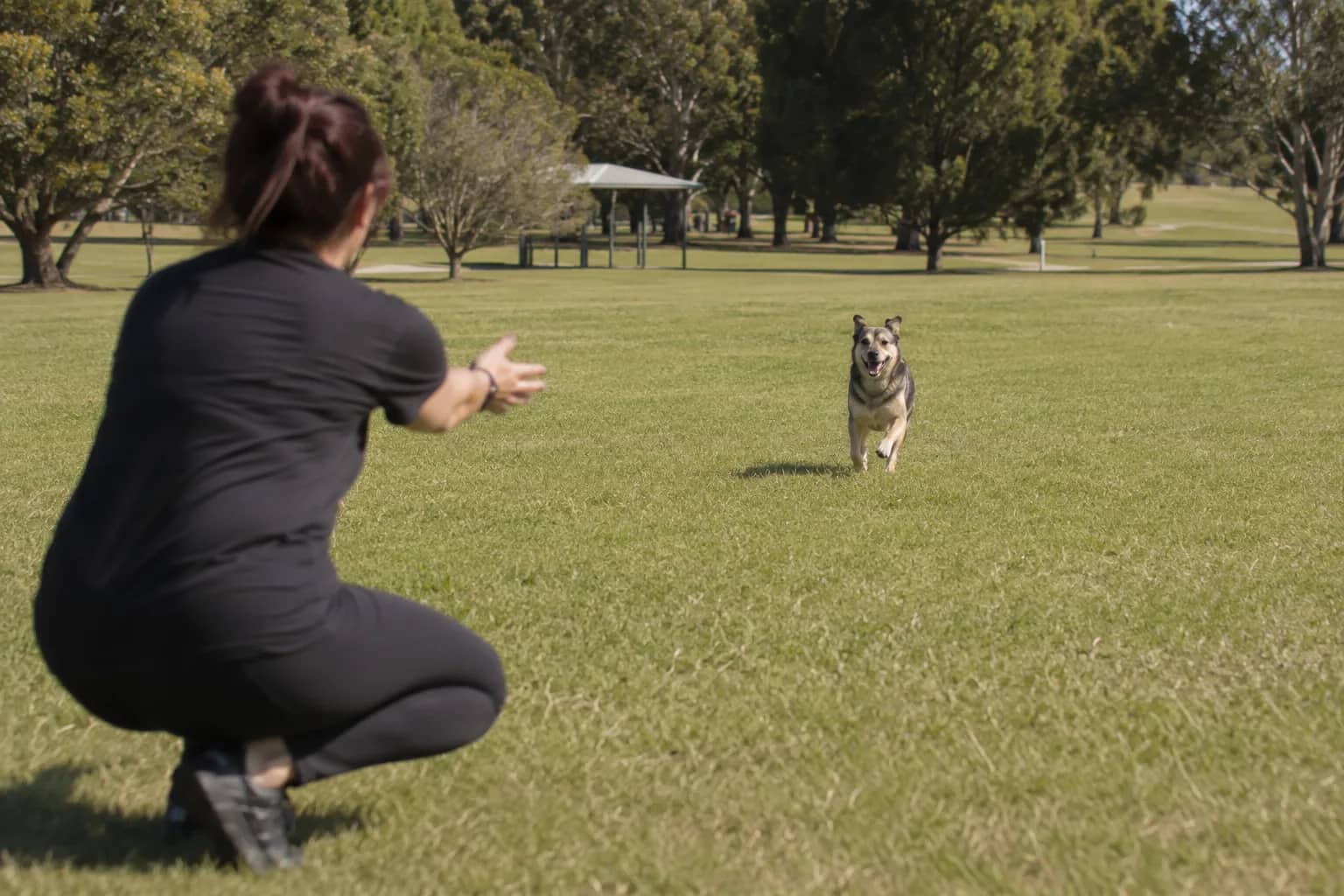
Off-property recall around stock
If you live anywhere with sheep, cattle or working stock — which is most regional SA properties and a meaningful fraction of regional SA town blocks — off-property recall around stock is not a nice-to-have for an ACD. It is a literal life-and-death training task.
A working-bred heeler with no recall, let off-lead in a paddock with stock, will chase. Probably catch. Possibly kill. The legal consequences for the dog are severe and frequently terminal.
The rules for a heeler specifically:
- Never let an adolescent heeler off-lead near stock. Not once. The first uncontrolled chase rehearsal cements the pattern and resets months of work.
- Walk past livestock on lead, calmly, for months. The goal is for the dog to look at stock and look back at you, bored, indifferent. Bored is the target state.
- Use a long line for the transition phase. Five to fifteen metres, in low-stock-density paddocks, for as long as it takes — usually months.
- Reward the calm look-away, never the chase. Most owners reward the dog after the dog has been called off mid-chase. That rewards the chase pattern, not the recovery.
- Don't bluff the recall. If you're not 100% confident the dog will come, don't call. Walk to the dog and reset. Full recall protocol here.
For working heelers on actively stocked property, this is paired with deliberate stock work training — usually with an experienced stock-dog handler — that channels the drive properly. For town heelers, the goal is calm neutrality around livestock, not work.
The workload these dogs genuinely need
This is the part most prospective owners miss. An ACD is not a "walks once a day" dog. The breed was bred to work all day, every day, for centuries. That genetics does not switch off because you've moved the dog to a quarter-acre block in Port Augusta.
A heeler living a town life needs, every day:
- 20 to 40 minutes of structured mental work. Scent games, training, problem-solving puzzles, scatter feeding, controlled outdoor exposure. Not optional.
- A defined settle period. A mat, a crate, a defined corner that the dog is expected to use for sustained rest. Heelers that are never made to switch off will not switch off.
- Real outdoor time, structured. Sniff walks where the dog gets to investigate the world at its own pace. Not lap circuits of the same suburban block at heel.
- Restricted access to the rehearsal triggers. Fence-running, gate-charging, alert-barking — every minute the dog spends on these makes the behaviour worse. Manage the environment so the dog can't rehearse them.
- An alternative outlet for the chase pattern. Tug, flirt pole, structured retrieve, herding-style games. Used deliberately, not as random burn-off exercise.
- Calm, clear leadership from every adult in the household. Mixed messages from different humans break a heeler fast.
The total time commitment is real but not crushing — about an hour a day of intentional, structured engagement, on top of regular feeding, basic exercise and household life. The trap is that it has to be intentional. Random walks and back-yard fetch will not get you there.
Common Iron Triangle heeler cases
A handful of patterns repeat across Port Pirie, Port Augusta and Whyalla consultations.
The fence-charging heeler
Town block backing onto a footpath or school. The dog has been alert-barking and chasing the fence for months. The owner often thinks the dog is "protecting" the property. The dog isn't protecting anything; the dog is rehearsing reactive arousal twenty times a day and getting better at it every time.
Fix: block the visual access (shadecloth, hedging), supervise yard time only during peak triggers, and address the underlying arousal with leadership work. More on barking.
The heeler nipping the kids
Covered above. The most common reason for surrender of this breed. The behaviour is fixable, but the rehearsal has to stop first.
The reactive heeler at the dog park
Owner has been told the heeler "needs to socialise" so it gets taken to the dog park. The dog has either become aggressive to other dogs (defensive over the chase opportunity) or has become a chronic chaser-nipper of other dogs. Either pattern is a textbook dog park casualty.
Fix: stop the dog park visits, full stop. Rebuild calm exposure on lead at distance. Most heelers do better with one or two known dog friends than they do with random dog-park populations.
The bonded heeler with stranger reactivity
The dog is fine with the immediate family, very bonded to one person, and increasingly suspicious of any stranger entering the property. By 18 months the household has stopped having visitors.
Fix: structured, controlled exposure to strangers under leadership conditions, paired with a clear routine for what the dog does when someone arrives. Not "the dog gets to greet" — "the dog goes to its place and the human comes in calmly."
The under-stimulated town heeler
The diffuse case. Not obviously aggressive, not obviously reactive, just too much — pacing, vocalising, mouthing the family, destroying objects, demand-barking, never settling. The dog is bored beyond what owners realise is possible.
Fix: structured outlet (one a day, intentional), enforced settle, mental engagement. The behavioural change is often dramatic within two weeks.
An honest self-assessment for prospective heeler owners
If you're considering a heeler, answer these honestly:
- Do you have at least an hour a day of intentional engagement to give this dog, every day, for 12 to 15 years?
- Are you genuinely OK with a dog that is suspicious of strangers and will likely never be a "loves everyone" dog?
- Do you have either no young kids, or the capacity to fully separate the dog from running children until the management is built?
- Are you prepared to manage chase exposure around stock, wildlife and bikes carefully through the dog's entire life — not just adolescence?
- Is your household calm enough that the dog won't be amplifying constant chaos?
If most of those are yes, an ACD can be the best working partner you'll ever have. If most are no, look at a different breed. There is no shame in not being the right home for a heeler. The shame is in becoming the wrong home, then handing the dog on after the behaviour has consolidated.
If you already have a heeler and it's going sideways
You're not alone, and the situation is almost always more workable than it feels. Some first steps:
- Stop the rehearsals. Whatever your dog is practising — fence reactivity, nipping kids, chasing dogs at the park — make it impossible for two weeks while you reset.
- Add one structured mental outlet. One thing, every day, done intentionally. Sniff walks, scatter feeding, a daily training session.
- Enforce the settle. A defined rest place. The dog uses it, every day, for hours. Counter-intuitive but transformative.
- Read on leadership. Start here. Most heeler problems are leadership problems wearing a heeler costume.
- Get a baseline read. The Free Behaviour Test tells you in two minutes whether what you're seeing is leadership-shaped, anxiety-shaped, or something more specific.
How Pauline works with heeler owners
Heart of the Pack is based at Crystal Brook in the Mid North, 25 minutes south of Port Pirie. I work in-home across the Iron Triangle, the Upper Spencer Gulf, the Mid North, the Clare Valley, the Yorke Peninsula and the Eyre Peninsula. Heelers — town dogs, working dogs, problem-rehome cases — are a substantial portion of the caseload.
For the chase-pattern and nipping cases especially, in-home work is the right format, because the behaviour lives in your specific environment with your specific triggers. For owners on the Eyre Peninsula or further afield, online coaching works very well too.
Start with the Free Behaviour Test if you'd like a baseline read. Or, if you'd rather just talk, contact me directly — I personally reply within one business day.
A heeler that isn't working out is almost always a heeler whose drive is going somewhere unhelpful. Redirect the drive, hold the leadership, and you've got one of the best dogs in the country.
Not sure where to start with your dog?
Take the Free Dog Behaviour Test.
Two minutes. You’ll find out exactly what’s driving your dog’s behaviour — and what to do next.
Frequently asked questions
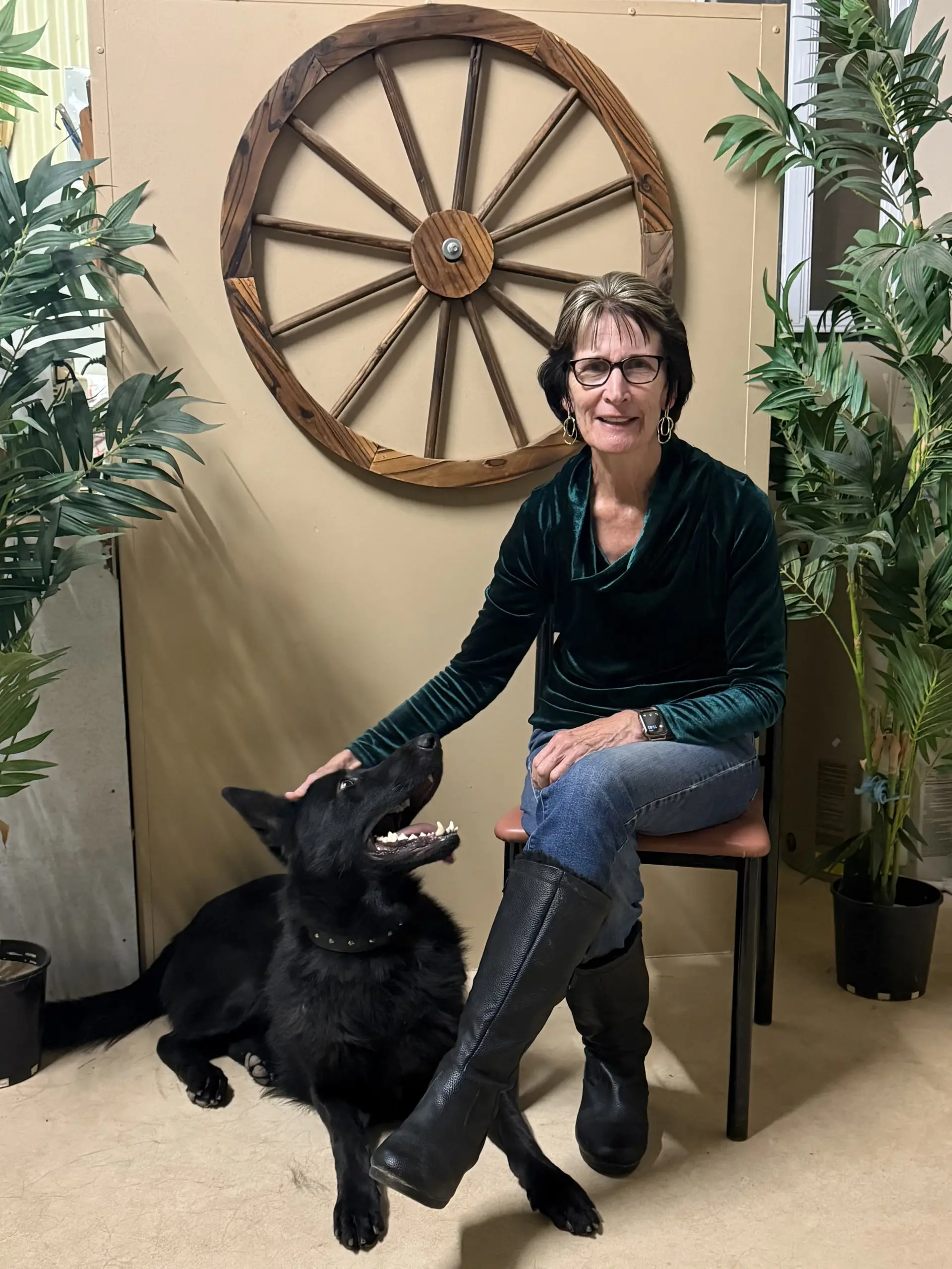
Written by
Pauline Cowey
Accredited Dog Behaviourist, Communicator, Owner Educator and Trainer based at Crystal Brook, South Australia. Decades of hands-on work resolving aggression, reactivity, anxiety and obedience cases across regional SA — through ethical, leadership-based methods.
Read Pauline’s full story →