Kelpie Training for Regional SA — What Actually Works

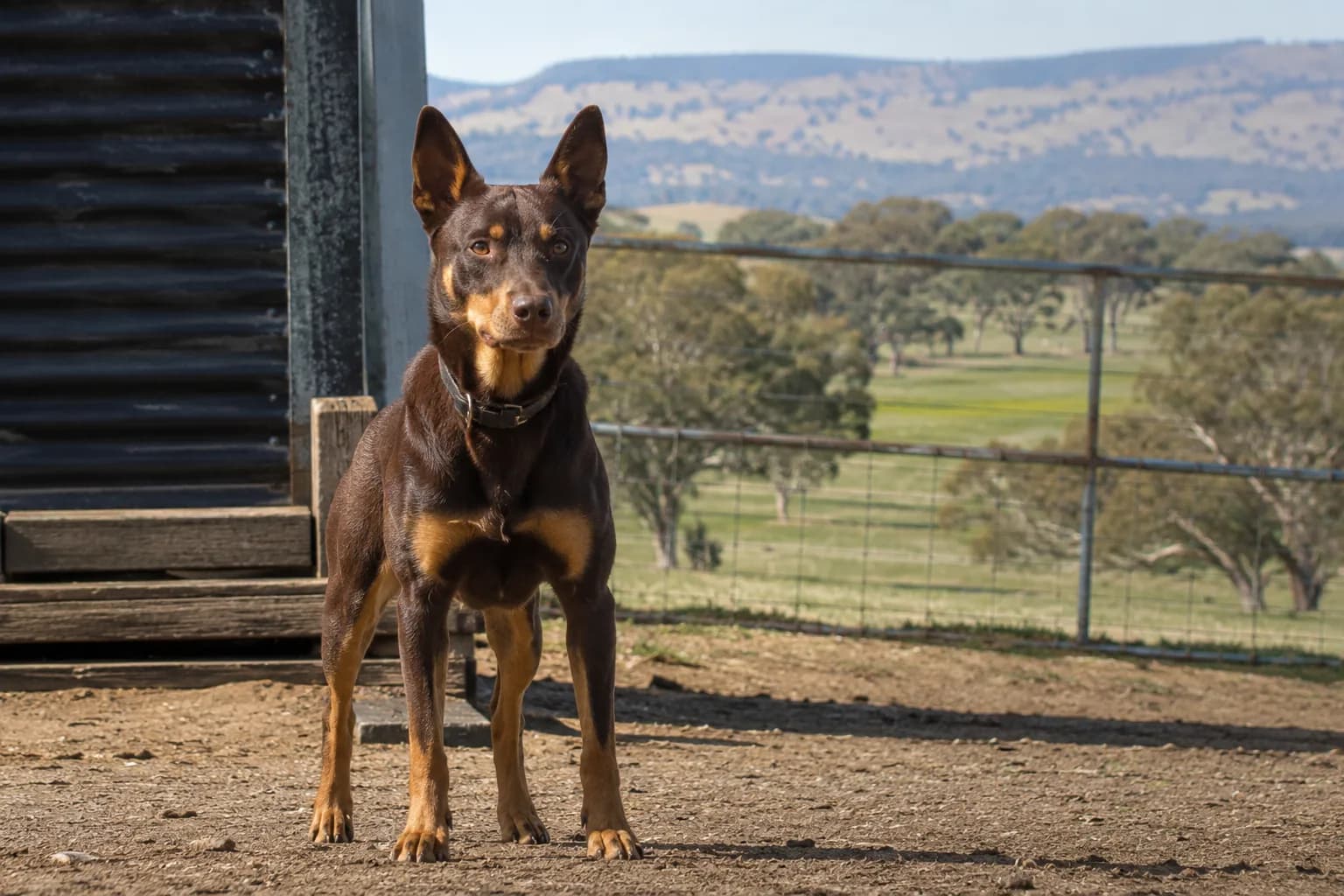
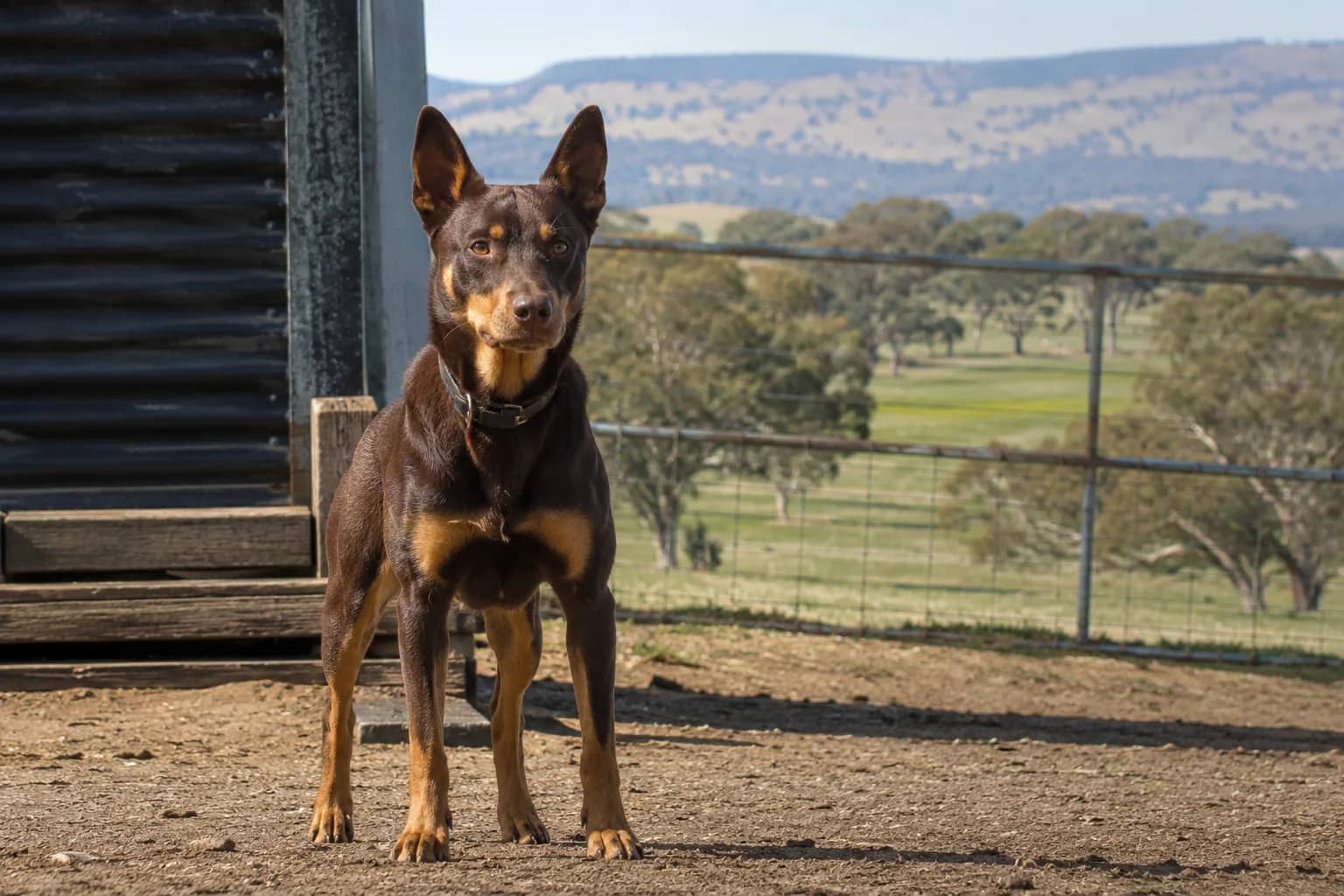
Kelpies are everywhere in regional South Australia because they were bred here, for here. But the same genetics that make them brilliant on stock make them difficult town dogs without the right structure. This is what kelpie owners across the Mid North, Upper Spencer Gulf and Eyre Peninsula need to know — what's hard about the breed, the gap between working-line and show-line, the common owner mistakes, and the approach that actually works.
Almost every week, somewhere in my rotation, I'm in a kitchen with a kelpie. Sometimes it's a 12-month-old in town that has just started eating the laundry. Sometimes it's a four-year-old on a hobby block that has decided the postal worker is a personal enemy. Sometimes it's a working-line dog from a station up north that has been "retired" into a Pirie backyard and is unravelling fast.
Different households, different stories, same underlying pattern. The kelpie isn't broken. The kelpie is doing exactly what a kelpie does. The household just isn't set up to channel it.
Here's how to think about the breed honestly — and what to do if you've got one and it's not working out yet.
Why kelpies are everywhere in regional SA
The Australian Kelpie was developed in the 1870s and 1880s out of imported Scottish collies bred to Australian conditions — heat, distance, sheep, scrub. South Australia and western New South Wales did most of the early development work. The breed is, in a real sense, a regional Australian invention.
So when you drive through the Mid North, the Flinders, or the Eyre Peninsula, and every second ute has a kelpie or a kelpie cross in the back, that's not coincidence. It's heritage. The genetics that built this country's sheep industry are still living in our towns, our farms and our spare rooms.
A few practical reasons the breed is so common here:
- Heritage and availability. Working-line litters are accessible across regional SA in a way they aren't in Adelaide or interstate. Most farming districts have a known breeder within an hour.
- Practicality. Kelpies are weather-tolerant, sturdy, and live a long time. They suit the climate.
- Reputation. Australians are proud of the breed, and rightly so. A well-led kelpie is one of the most useful and connected dogs in the world.
- Rehoming pipeline. Working dogs that don't make the cut on a property — too soft, too sharp, too independent — often end up in town homes. That pipeline keeps the breed flowing into Port Pirie, Port Augusta, Whyalla and the wider USG.
The catch: a breed designed to run paddocks all day, think for itself, and respond to whistles from 300 metres away does not automatically suit a quarter-acre block and a 30-minute lead walk.
Working-line vs show-line — the gap matters
Most kelpies in Australia are working-line. The "Australian Working Kelpie" is what most regional owners are dealing with, and the breed standard is functional, not cosmetic — you'll see variation in size, ear set, coat colour and build because the breeders were optimising for work, not looks.
The "Australian Kelpie" show-line is a smaller, conformation-bred population, more commonly seen in cities and in the show ring. Calmer on average, less driven, but still recognisably a kelpie.
What this means in practice:
- Working-line kelpies need a job. Not as a nice-to-have. As a baseline requirement for sanity. Without one, the drive surfaces as fence-running, demand barking, obsessive ball chasing, reactive lunging on lead, or self-mutilating chewing.
- Show-line kelpies need a job too — just less of one. They handle a softer life better but still need genuine mental work, not just walks.
- Most "rescue" or "rehomed" kelpies are working-line that didn't make the property cut. Assume working-line genetics unless you have paperwork that says otherwise.
If you're not sure what you've got, watch the dog. A working-line kelpie will offer behaviour constantly — stalking the cat, herding the kids, redirecting onto a chair leg when bored. The drive is visible.
What working-line genetics actually mean for your week
A working kelpie was bred to:
- Cover 40 to 80 kilometres a day
- Sustain repeated short bursts of high-intensity work
- Read stock pressure and adjust position constantly
- Take direction at distance, then make independent decisions inside the task
- Switch off completely between sessions
That last one is important and often missed. A genuine working kelpie does not run at high intensity all day. It works hard, then it sleeps under a tank stand. The "off switch" is bred in.
What town life does to a working kelpie is invert that pattern. A two-hour walk in the morning becomes the only structured outlet, the dog spends the next ten hours alert and looking for work, and the off switch never engages because the dog never finishes a task in any meaningful sense.
That's the root of most kelpie problems I see in regional SA town households. It is not lack of exercise. It is lack of completed work.
The common owner mistakes
After enough kelpie consultations across the Upper Spencer Gulf and Mid North, you start to see the same handful of mistakes repeated.
Under-stimulation framed as over-exercise
Owners told, often by other well-meaning kelpie people, that a kelpie needs "a couple of hours of running a day." So they run the dog. Hard. Off-lead, fetch, runs alongside the bike, dog park.
The dog gets fitter. It does not get calmer. By 14 months it can run for four hours without breaking a sweat and it now needs five hours to feel anything.
Physical exercise without structure builds a fitter dog with a higher arousal baseline. That is not what a kelpie owner wants. What works is structured mental work — scent games, training sessions, problem-solving puzzles, calm exposure outings — for 20 to 40 minutes a day, paired with proper rest. The dog finishes the task and switches off.
Treating a working dog as a pet without an outlet
The "just a pet" framing is the second common mistake. The owner doesn't want to do agility, doesn't have stock, doesn't have time for nose work classes — so they default to walks and cuddles and hope that's enough.
It isn't enough. The drive doesn't disappear because you've decided not to use it. It re-routes — into fence reactivity, into demand barking, into resource guarding, into compulsive licking, into the dog deciding it is in charge of household security.
A kelpie doesn't need to be a competition dog. It does need a daily task that uses its brain in a deliberate way. Scatter feeding in the back yard. A sniff walk where the dog gets to choose the route. A five-minute training session before each meal. None of this is exotic. It just has to be intentional and consistent.
Late socialisation
Kelpies that miss the puppy socialisation window — that 3 to 16 week stretch — frequently develop into hyper-alert, suspicious adolescents. The breed is naturally watchful, and an under-socialised kelpie can drift toward fear-reactivity or fence-line aggression by 10 months.
This hits regional puppies particularly hard. Litters sold off properties at 8 weeks sometimes arrive at their new home with limited exposure to anything that isn't another kelpie or a sheep. The new owner waits for vaccinations to finish, the critical window quietly closes, and by 6 months the dog is reactive to strangers, kids, other dogs or all of the above.
The fix is to start exposure work the day the puppy comes home — carried into town, sat at the foreshore, exposed to surfaces and sounds — and to keep that exposure constant and varied through the first six months.
Late leadership
Soft breeds tolerate imperfect leadership. Kelpies don't. By 8 months an under-led kelpie is making decisions for the household — who to react to, what to chase, when to push past you at the door, when to ignore a cue.
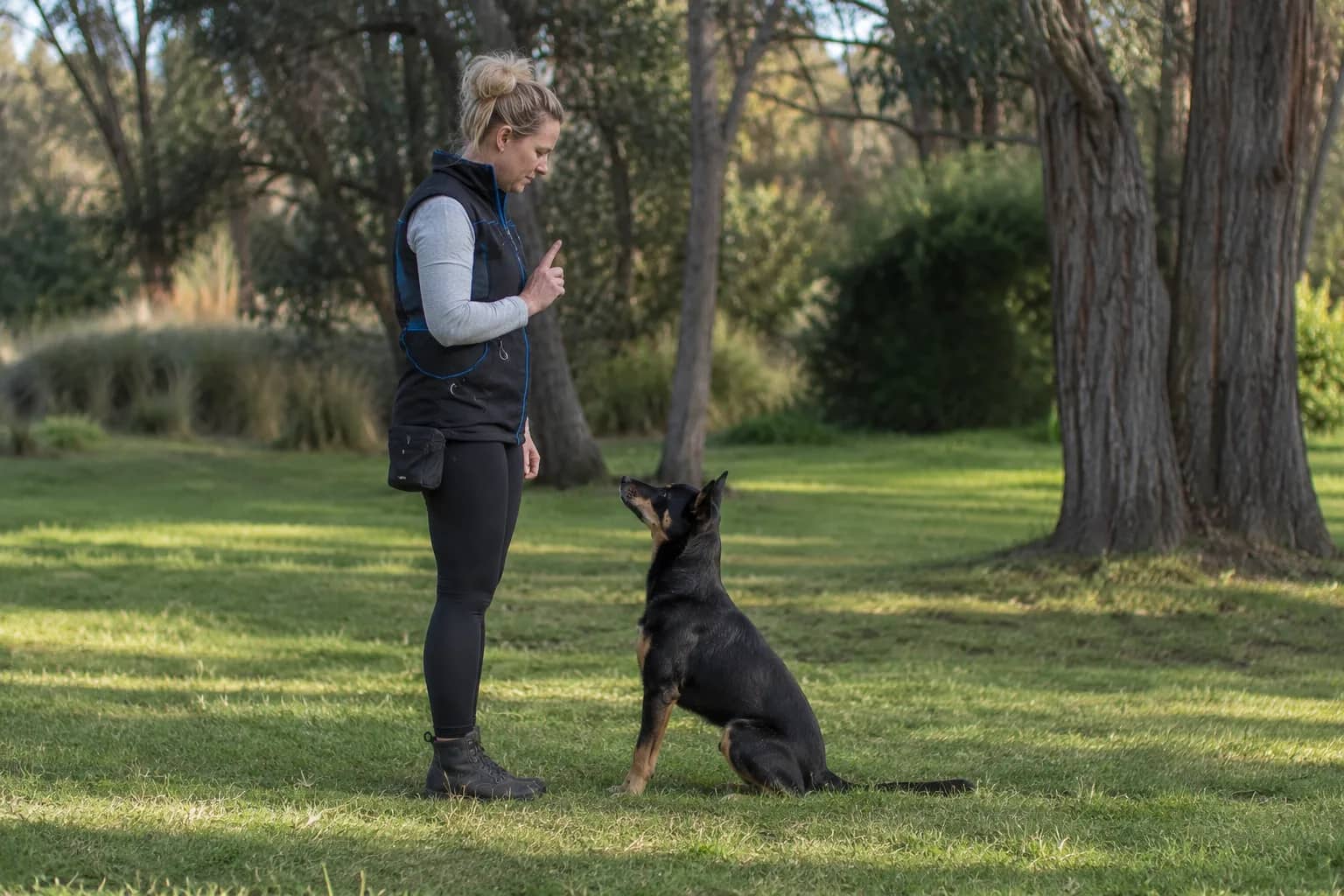
Calm, clear, consistent leadership needs to be in place from week one. Not dominance, not corrections. Just the steady, predictable structure of a household that has rules the dog can read.
Permitting the rehearsal
The most preventable mistake. A kelpie left alone in a yard backing onto a footpath, alert-barking at every passer-by, is rehearsing reactivity 30 times a day. A kelpie taken to the dog park to "burn energy" while it lunges and herds the other dogs is rehearsing exactly the wrong pattern. A kelpie allowed to charge the front door at every visitor is becoming better at door-charging every single time it does it.
Behaviour you don't want, do not let the dog practise. Manage the environment so the rehearsal stops, then build the behaviour you want underneath.
What Pauline's approach looks like with a kelpie
The method is the same one I use with every dog — calm leadership, environmental management, structured outlet, patient consistency. The application is breed-aware.
With a kelpie specifically, the first session is usually about:
- Slowing the household down. Kelpies match the energy of the people around them and amplify it. Calmer family, calmer dog.
- Defining the off switch. A defined settle place — a mat, a crate, a corner — that the dog is expected to use for hours each day. Without an enforced rest pattern, the dog never properly switches off.
- Replacing physical exercise with structured work. Less running, more thinking. Less fetch, more sniffing. Less dog park, more calm exposure.
- Stopping the rehearsals. Identifying what the dog practises and removing the opportunity. Shadecloth on the fence. Visual barriers in the yard. Lead walks at quieter times. Door routines that don't allow the charge.
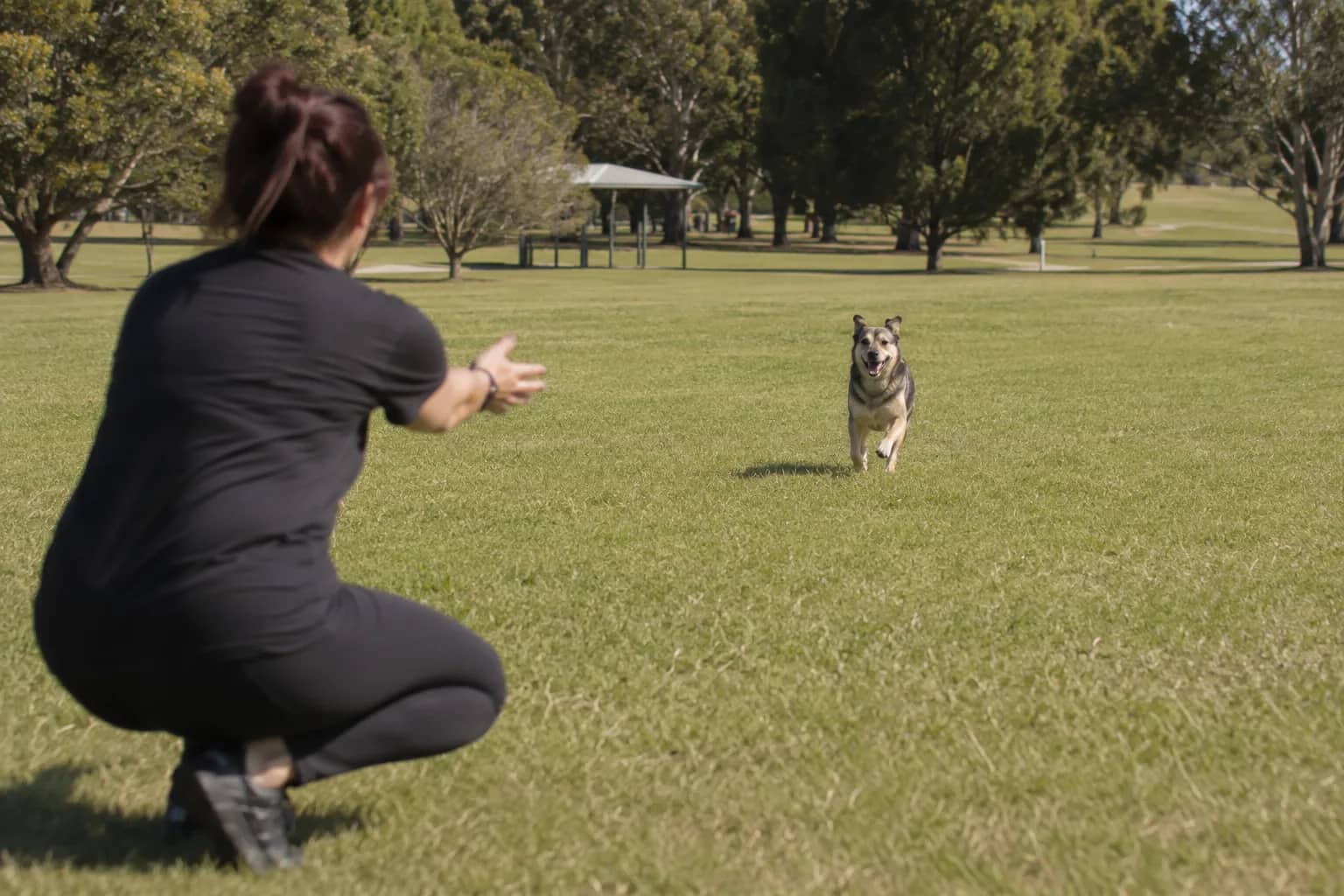
- Building a real recall. Long-line work, ladder-built, before any off-lead in the paddock. Full recall protocol here.
Most owners feel the shift in the dog inside the first session. By two weeks, the household feels different. By a month, the original behaviour the owner called about is usually most of the way resolved.
It is not magic. It is just the right structure applied consistently. Kelpies are extraordinarily responsive to calm leadership — once they see it.
An honest self-assessment for prospective kelpie owners
If you don't yet have a kelpie and you're thinking about one, answer these honestly:
- Can you give the dog 30–40 minutes of structured mental work, every day, for 12 to 14 years? Not most days. Every day.
- Is your household calm? Slamming doors, shouting kids, constant comings and goings — the dog will amplify all of it.
- Are you willing to enforce a settle? A kelpie that is never made to switch off will not switch off on its own.
- Do you have someone to leave the dog with for periods you can't supervise? Yards full of bored kelpies cause council complaints, neighbour disputes and escape attempts.
- Are you prepared to manage a working dog properly through adolescence (10–24 months)? That window is where most kelpie problems are made.
If most of those are yes, a kelpie can be one of the best dogs of your life. If most are no, look at a different breed. There is no judgement in that. There is only honesty about what the dog needs.
If you already have a kelpie and it's going sideways
You're not alone, and the situation is usually more workable than it feels. Some practical first steps:
- Stop running the dog harder. Reduce physical exercise temporarily and add structured rest. Counter-intuitive; it works.
- Audit the rehearsals. What is your dog practising every day? Fence-reactivity, demand barking, lead-pulling? Whatever it is, stop it being possible for two weeks while you reset.
- Add one structured mental activity. A sniff walk, a 10-minute training session, scatter feeding. One thing, every day, done with intention.
- Read on leadership. Start here and apply what's in it. Most kelpie problems are leadership problems wearing a kelpie costume.
- Get a baseline read. The Free Behaviour Test is two minutes and tells you whether what you're seeing is leadership-shaped, anxiety-shaped, or something more specific.
How Pauline works with kelpie owners
I'm based at Crystal Brook in the Mid North and work in-home across the Mid North, the Iron Triangle, the Yorke Peninsula, the Clare Valley and the Eyre Peninsula. Working-line kelpies are a substantial portion of my caseload — town dogs, hobby-farm dogs, retired working dogs, problem-rehome cases.
The first step for most owners is the Free Behaviour Test. If you'd rather go straight to a conversation, contact me directly — I personally reply within one business day.
A kelpie that isn't working out can almost always be turned around. The drive that's making your life hard is the same drive that, properly channelled, makes this breed one of the most rewarding dogs you'll ever live with.
Not sure where to start with your dog?
Take the Free Dog Behaviour Test.
Two minutes. You’ll find out exactly what’s driving your dog’s behaviour — and what to do next.
Frequently asked questions
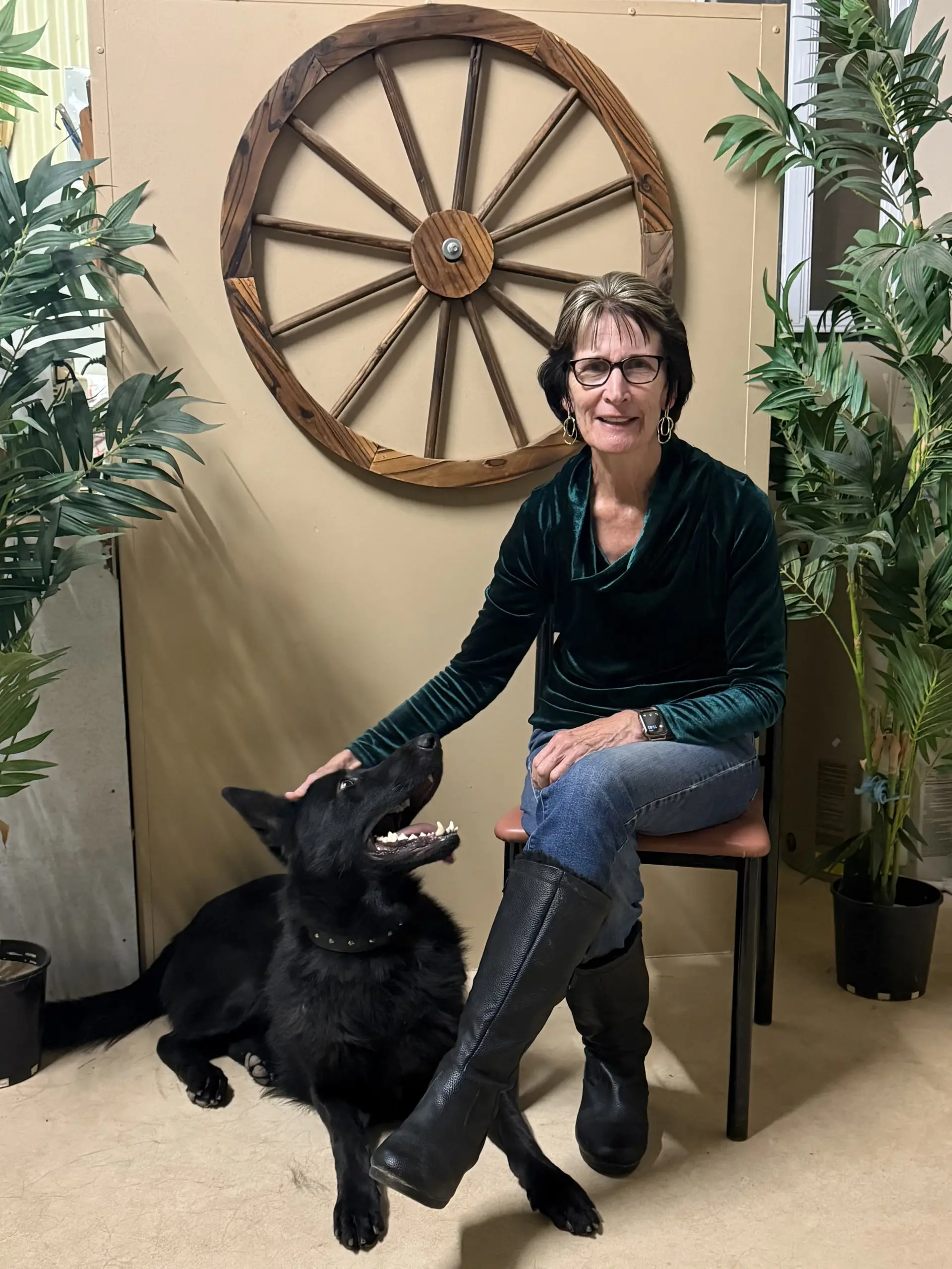
Written by
Pauline Cowey
Accredited Dog Behaviourist, Communicator, Owner Educator and Trainer based at Crystal Brook, South Australia. Decades of hands-on work resolving aggression, reactivity, anxiety and obedience cases across regional SA — through ethical, leadership-based methods.
Read Pauline’s full story →