Recall That Actually Works — for Regional SA Dogs

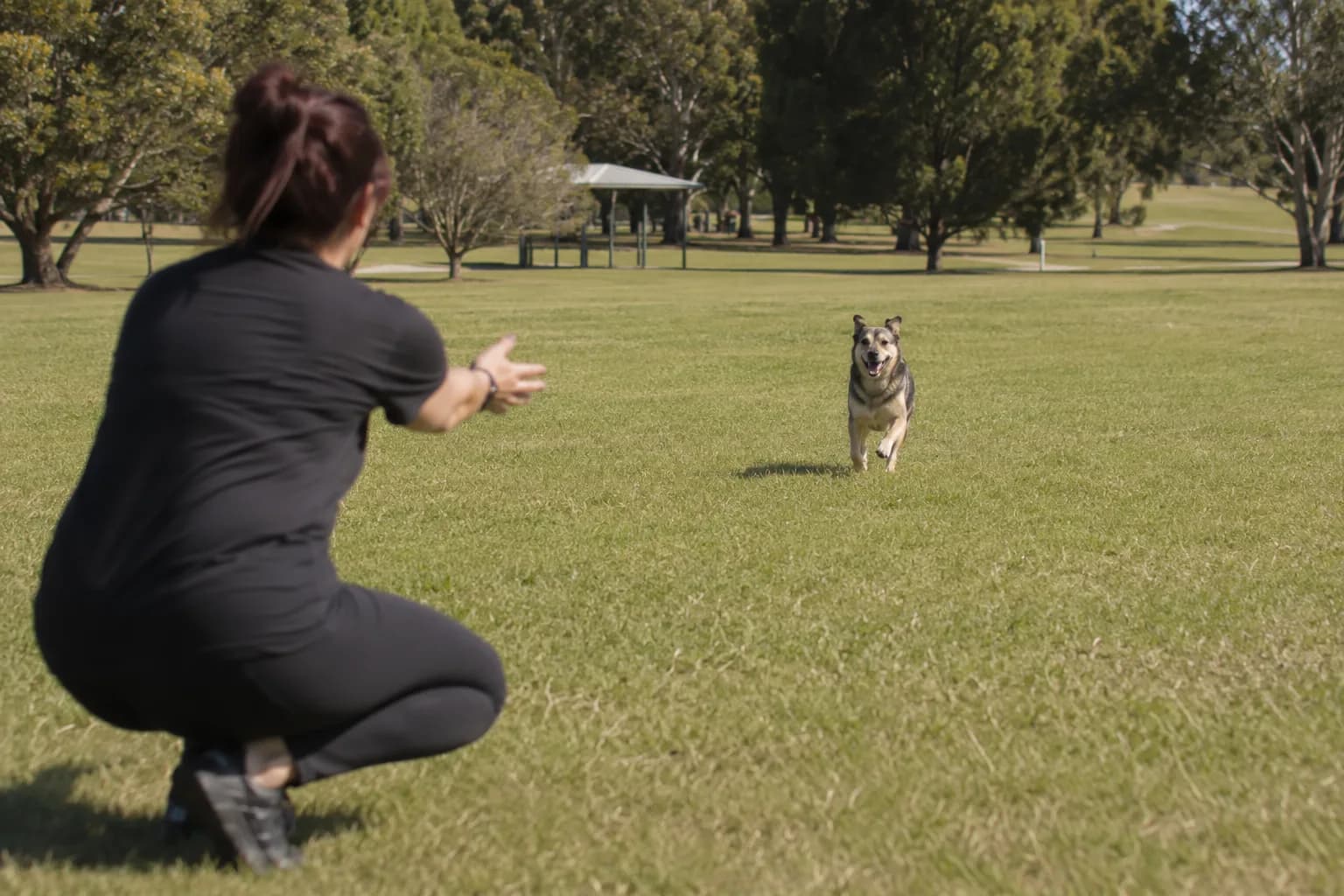
Reliable recall is not a command — it's a relationship. Most "recall problems" are leadership problems, and the fix is consistency in everyday handling long before you ever step off-lead. This is what reliable off-lead looks like for regional SA dogs: paddocks, beaches, livestock, traffic, working stock.
If you live in the Eyre Peninsula, the Mid North, the Yorke Peninsula or anywhere across regional SA, your dog probably has more off-lead opportunity than most metro dogs ever will. That's the upside of regional dog life.
The downside: many regional dogs are let off-lead before their recall is rock-solid. The owner discovers the problem at the worst moment — chasing stock, running onto a road, vanishing into bush. By then it's an emergency, not a training opportunity.
This is how to build the recall that actually holds.
What "reliable recall" means
A reliable recall:
Works in any environment, regardless of distraction
Works under genuinely competing motivators (other dogs, wildlife, food)
Works after distance (the dog comes back from 200 metres, not 5)
Works on the first cue, not the fifth
Works calmly — no manic sprinting, no avoidance
An example for you of a solid recall....
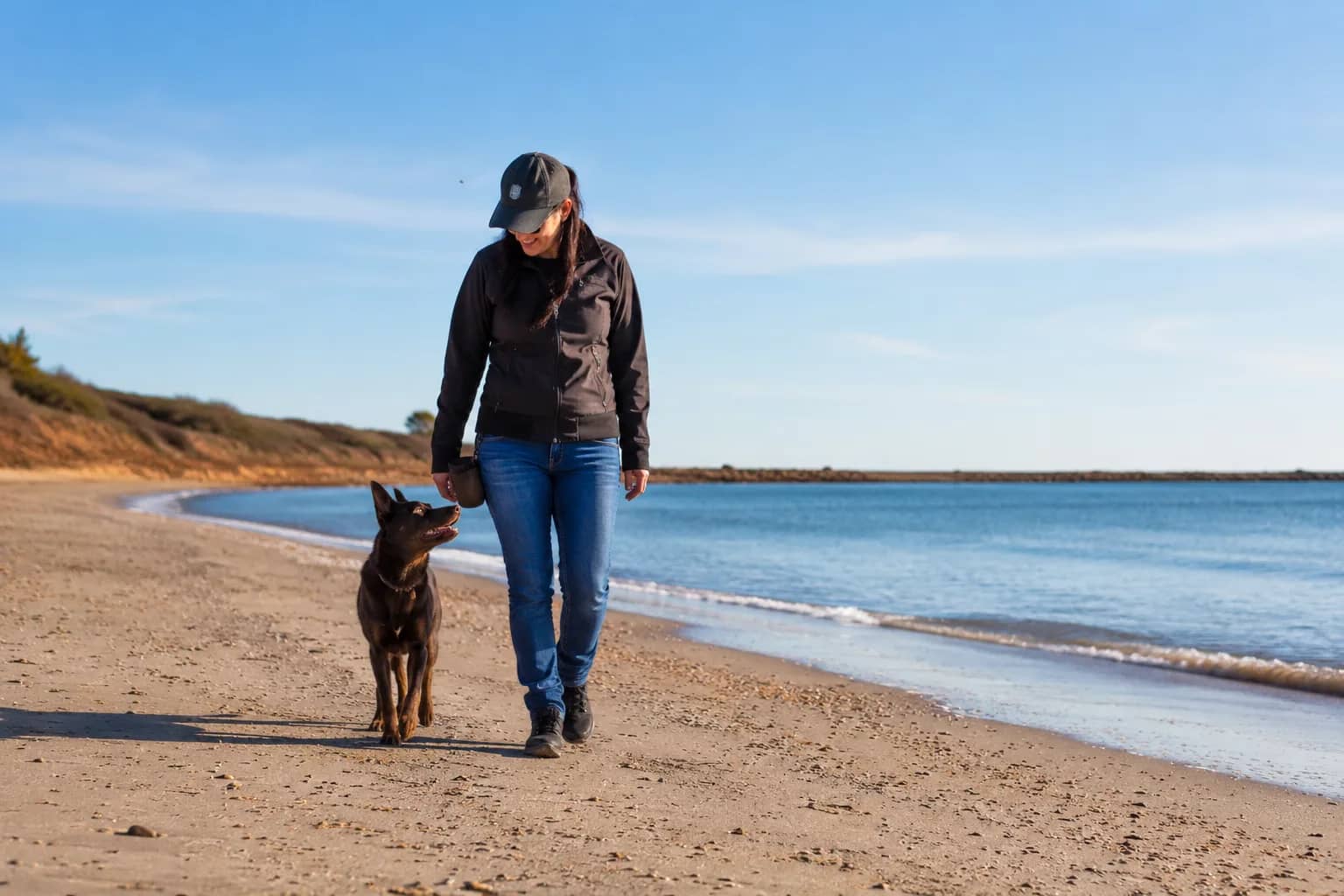
I was at the beach with my two year old female German Shepherd, Nova. She was 200 metres away off lead with my partner and another dog. I called her once ('Nova, come'). She spun around immediately, ran back to me and was totally focused on me. Anything less than that then your dog hasn't earnt the right to be off lead.
If your dog "comes when called" only when nothing interesting is happening — you don't have recall. You have a coincidence.
The mistake most owners make
The biggest single recall mistake is using the recall cue ("come" / "here" / the whistle) for everything. Owners call the dog away from a fun thing → leash on → go home. The dog learns: recall = the fun ends.
Within months, the dog hears the cue and weighs up whether to comply. Most of the time it would rather not.
The fix is to make the recall cue mean something good 95% of the time, and never something neutral or bad. We stop using it for "time to leave" and start using it for "good thing happens."
The foundation — leadership first, recall second
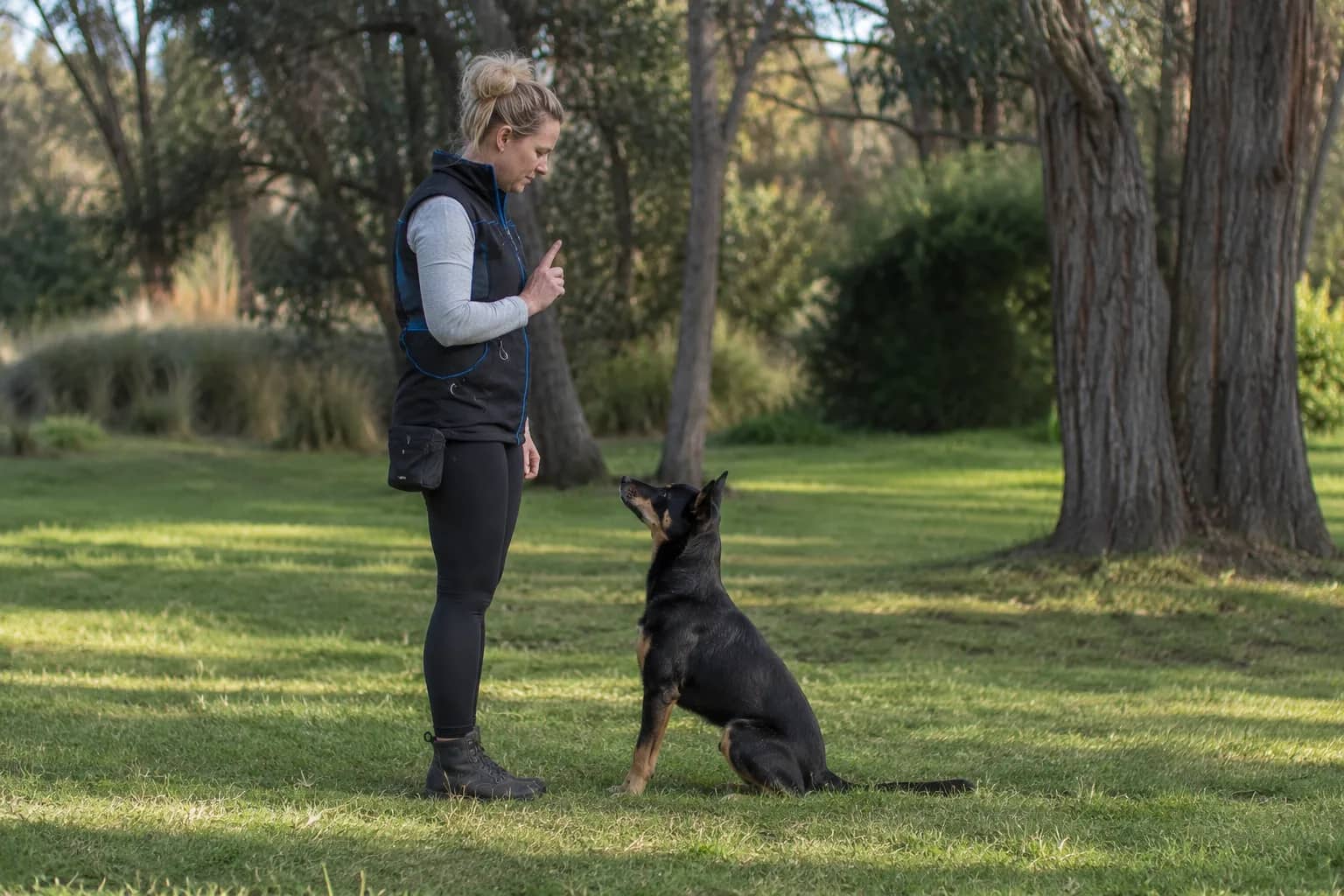
A dog that doesn't defer to you in the kitchen will not defer to you 200 metres away under chase pressure. This is the order of operations most owners get wrong.
Recall is downstream of relationship. Build the relationship at home — calm leadership, consistent follow-through, the dog choosing you over distractions in low-stakes situations. The recall in the paddock follows.
More on what leadership looks like here.
Working breeds — the regional SA special
Kelpies, blue heelers, Border Collies, German Shepherds, Belgian Shepherds. Regional SA is overwhelmingly working-breed territory, particularly in the Iron Triangle and across Mid North farming country.
These breeds have wired-in chase pattern. The drive that makes them genius working dogs makes them recall-resistant around stock, wildlife, bikes and movement.
Particular rules for working breeds:
Start earlier. Recall foundations from 8 weeks, not 8 months.
Manage chase exposure. Don't let an adolescent working breed ever practice chasing stock without supervision. One uncontrolled chase resets months of work.
Direct the drive. Working breeds need an outlet. Fetch, tug, scent work, structured tasks. Without it, the chase pattern surfaces unwanted.
Outdoor recall under stock supervision is the gold standard. If you have stock, walk the dog calmly past sheep on lead until the dog is bored. Bored is the goal.
Recall around stock — non-negotiable in regional SA
If you live anywhere with sheep, cattle or working stock, recall around livestock is a literal life-and-death skill.
A working-bred adolescent that discovers stock at 12 months old uncontrolled will, with very high probability, chase and potentially kill. The dog is then a danger and often legally required to be put down. This outcome is preventable. The prevention is recall work.
Beach recall — the Yorke Peninsula reality
If you holiday on the Yorke Peninsula or live there year-round, summer beach behaviour is its own challenge. Crowds, other dogs, food smells, kids, beach toys.
What recall actually feels like when it works
A real example from the Eyre Peninsula, worked entirely online.
Two-year-old kelpie cross, sheep property, owner had given up on off-lead after the dog killed a chicken at 9 months. The recall had been actively trained and was unreliable.
We worked online for 16 weeks. Long-line at home, then in the paddock, then around the chickens at distance, then closer, then off-line in a fenced area, then off-line in a safe paddock.
By month 4 he was reliable off-line around the chickens. By month 6 he could be called off a moving sheep at 30 metres. The owner sent me a video of him doing exactly that — coming back, panting, settling at her feet. That's recall.
Where to start
If your dog has any recall problems — even mild ones — the Free Behaviour Test is the fastest way to figure out whether the issue is recall-specific or whether it's leadership-shaped. The fix is different.
For dedicated recall and obedience work, contact Pauline — in-home across the regions, or online for further afield.
Reliable recall is not magic. It's months of patient ladder work. But once you have it, regional SA dog life opens up in a way metro dogs will never know.
Not sure where to start with your dog?
Take the Free Dog Behaviour Test.
Two minutes. You’ll find out exactly what’s driving your dog’s behaviour — and what to do next.
Frequently asked questions
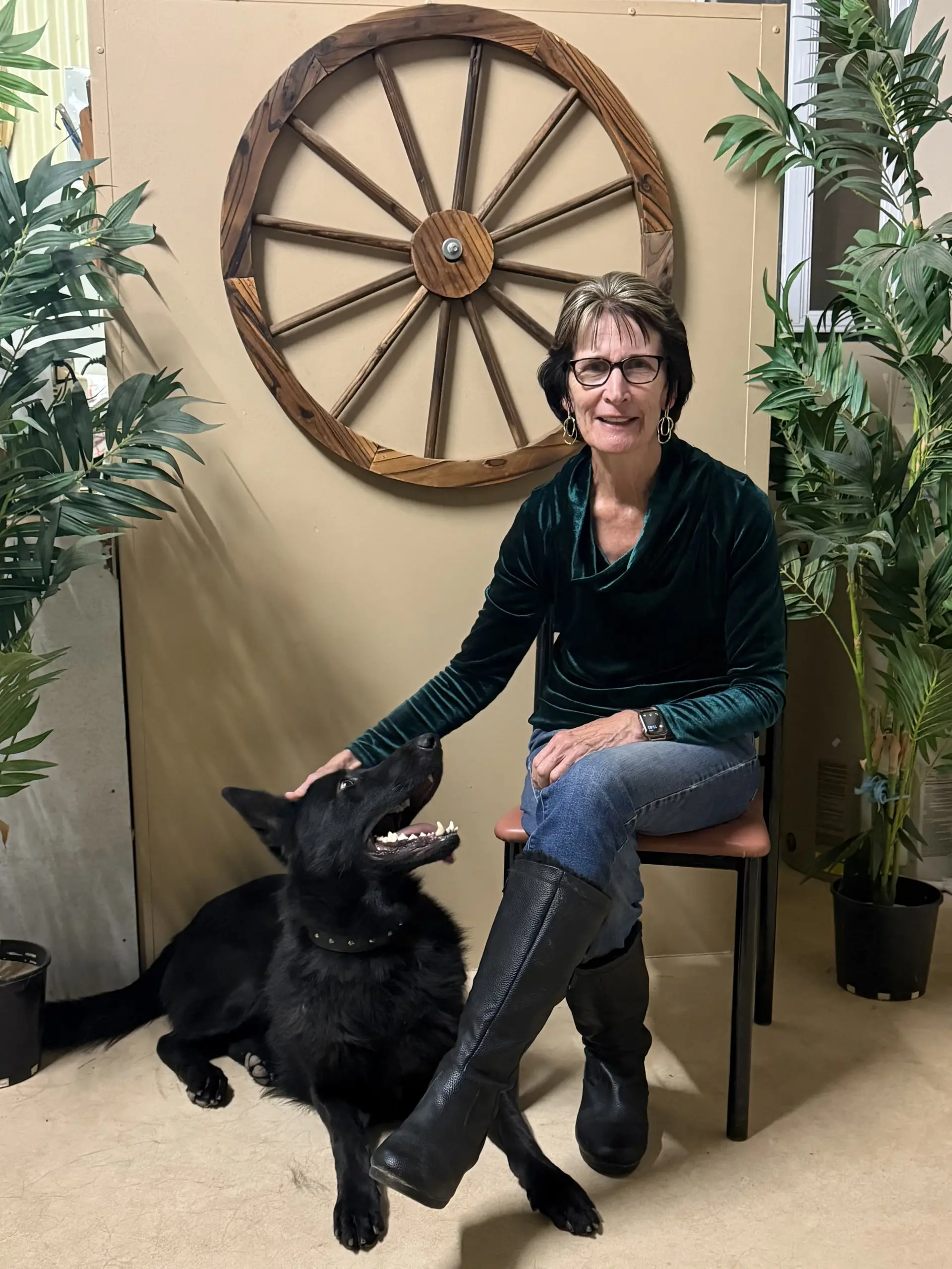
Written by
Pauline Cowey
Accredited Dog Behaviourist, Communicator, Owner Educator and Trainer based at Crystal Brook, South Australia. Decades of hands-on work resolving aggression, reactivity, anxiety and obedience cases across regional SA — through ethical, leadership-based methods.
Read Pauline’s full story →