Rescue Dog Behaviour: The First 30 Days

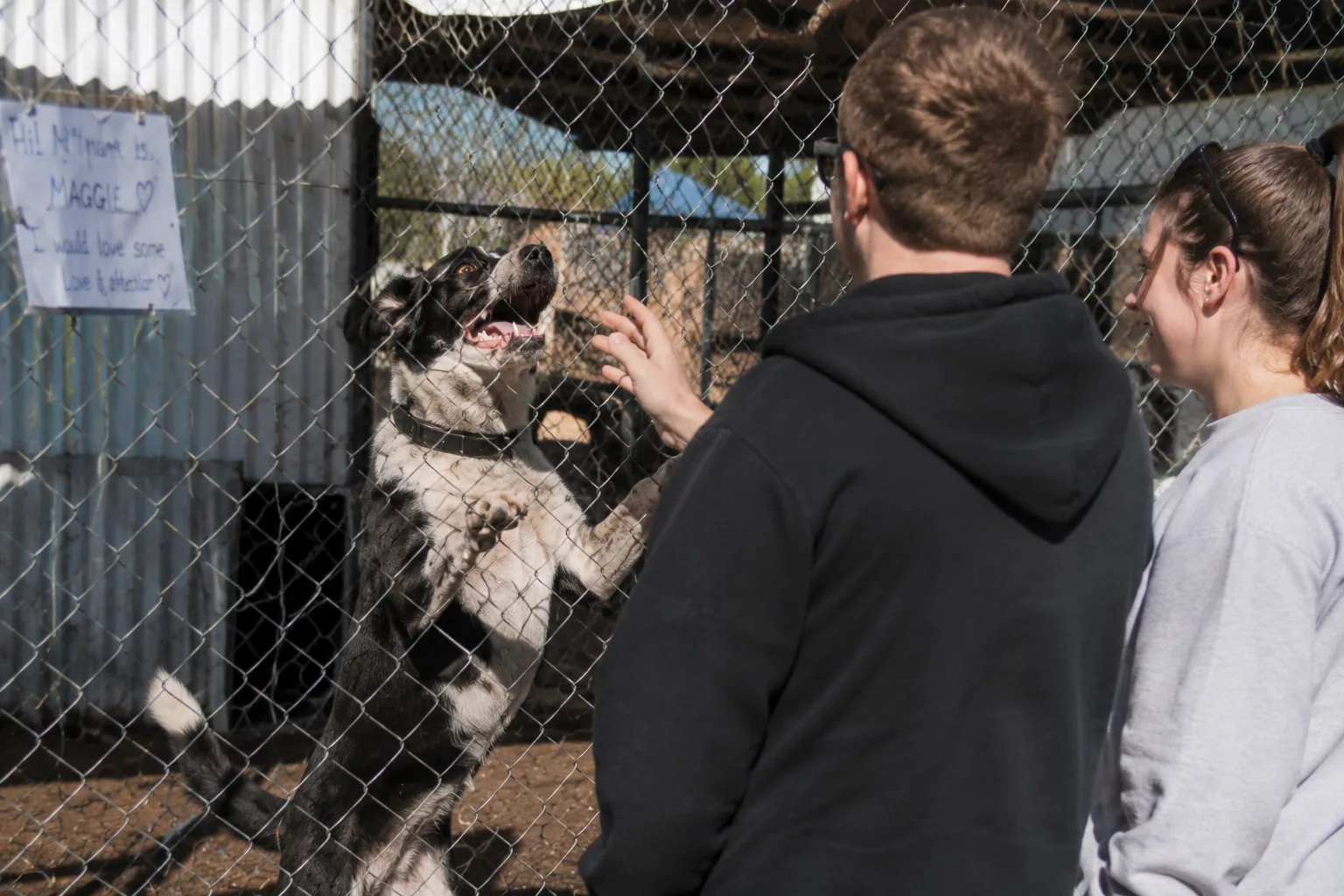
The first 30 days with a rescue dog set the next 12 months. Most owners try to do too much, too fast, and create problems that take a year to undo. The rule is simple: decompression first, leadership second, formal training third. Here's the protocol that works across regional SA.
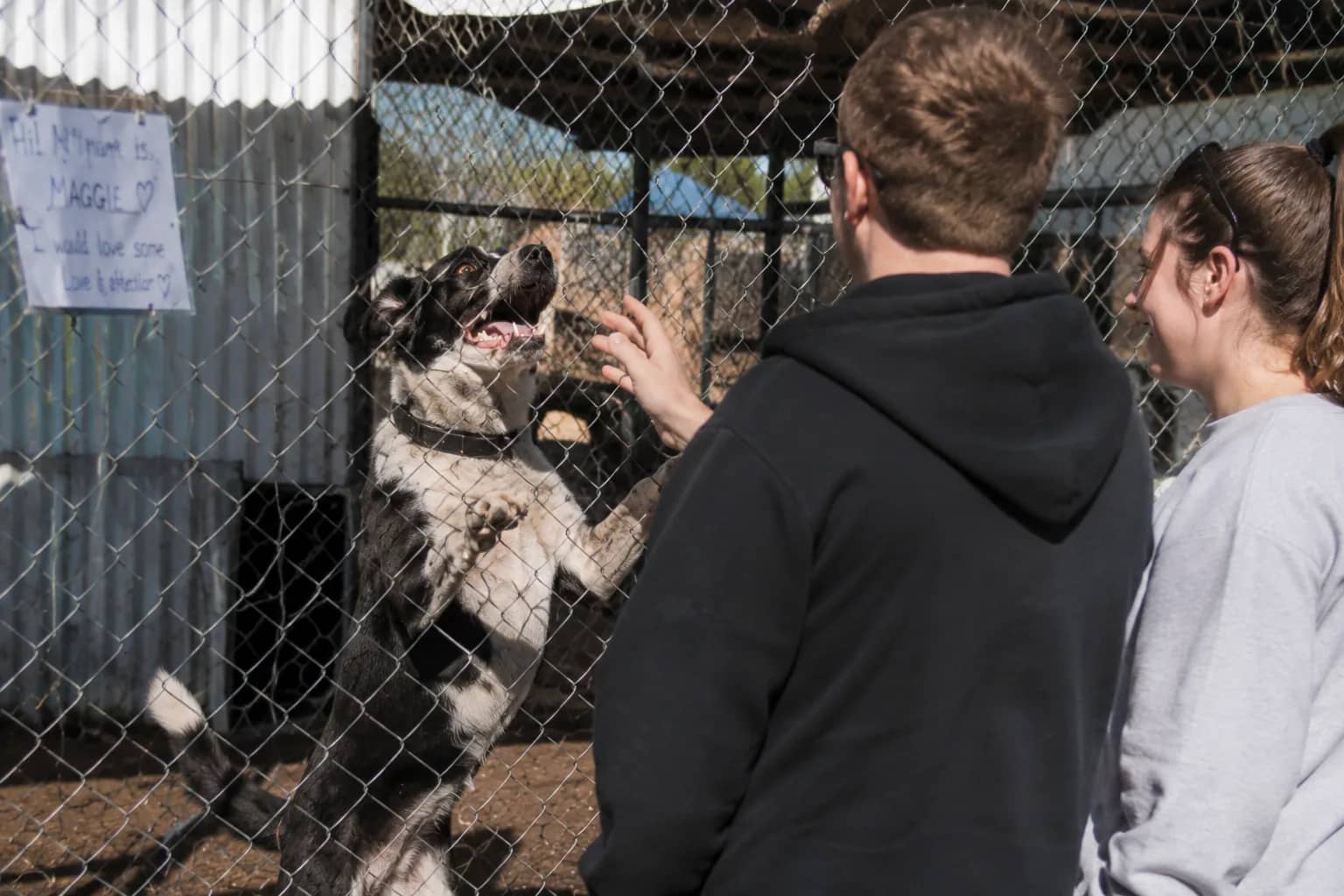
You've just brought home a rescue dog from one of the regional pounds — Port Augusta, Whyalla, the Yorke Peninsula AWL, somewhere in the Mid North. Or you've adopted from interstate and the dog has just landed.
Welcome to the most important 30 days of this dog's life. What you do — and don't do — in this window will shape who this dog becomes.
The big mistake — doing too much too fast
The instinct of nearly every new rescue owner is to integrate the dog quickly. Show it the property. Introduce the kids. Walk it to the cafe. Try the dog park. Send it to the vet for a once-over and a teeth clean.
This is exactly the wrong order. A rescue dog's first week should be largely uneventful — and that takes deliberate restraint, because everyone in the household is excited to meet the new dog.
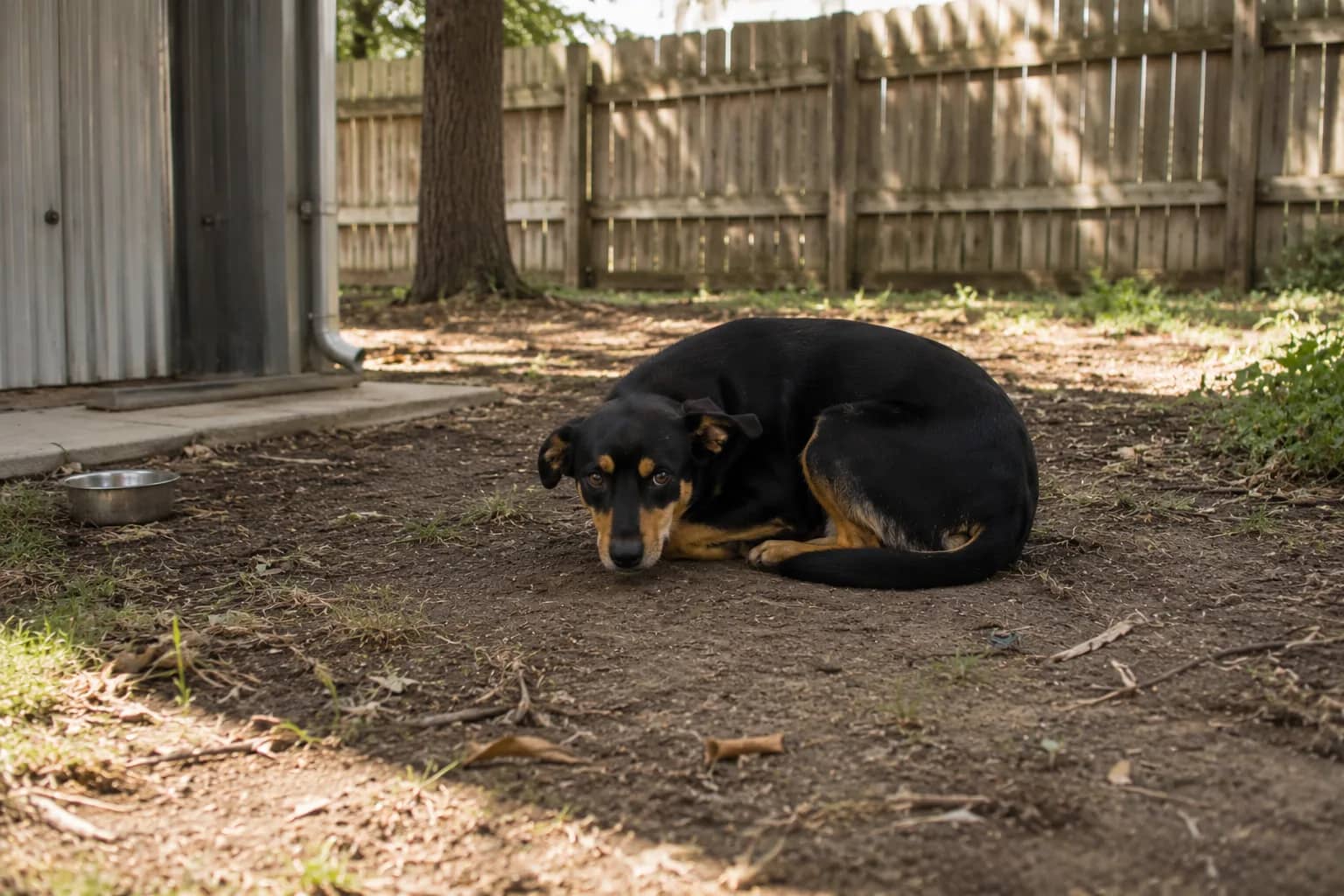
The reason is decompression. A dog arriving in a new household is in shock. Even a "calm" rescue is internally elevated. The dog you see in the first 7–10 days is not the real dog. It's the dog in shutdown mode. The real dog emerges around week 2–3, and if the first weeks have been overwhelming, the dog that emerges is often anxious, reactive or aggressive.
The 30-day protocol
Days 1–7: Pure decompression
No visitors. No new environments. No formal training. Just routine, quiet, and structure.
What this week looks like:
- Wake / feed / brief toilet / rest
- Mid-morning calm walk on lead (your property or close by — not the cafe, not the foreshore)
- Rest
- Afternoon feed
- Calm evening with the household
- Sleep in a defined area (crate, mat, room — your choice, but the same place every night)
That's it. The dog needs to discover that this household has predictable rhythm.
What this week should NOT include:
- The dog park
- Long visits to family
- The vet (unless emergency)
- Other dogs in the household running free with the new dog
- Children encouraged to "make friends" with the new dog
- Being held, hugged, or cuddled extensively
- Group training classes
Days 8–14: Routine + light exposure
Now you can add small, controlled exposure to the world outside.
- A short visit to the front yard during quieter parts of the day
- A walk along a quiet street
- A controlled introduction to one other household member (if not already established)
- Calm exposure to household activity (visitors talking nearby — not interacting with the dog yet)
Still no:
- Dog parks
- Boisterous play
- Forced affection
- Group training
- Extended car trips
Beyond day 14 — work with Pauline
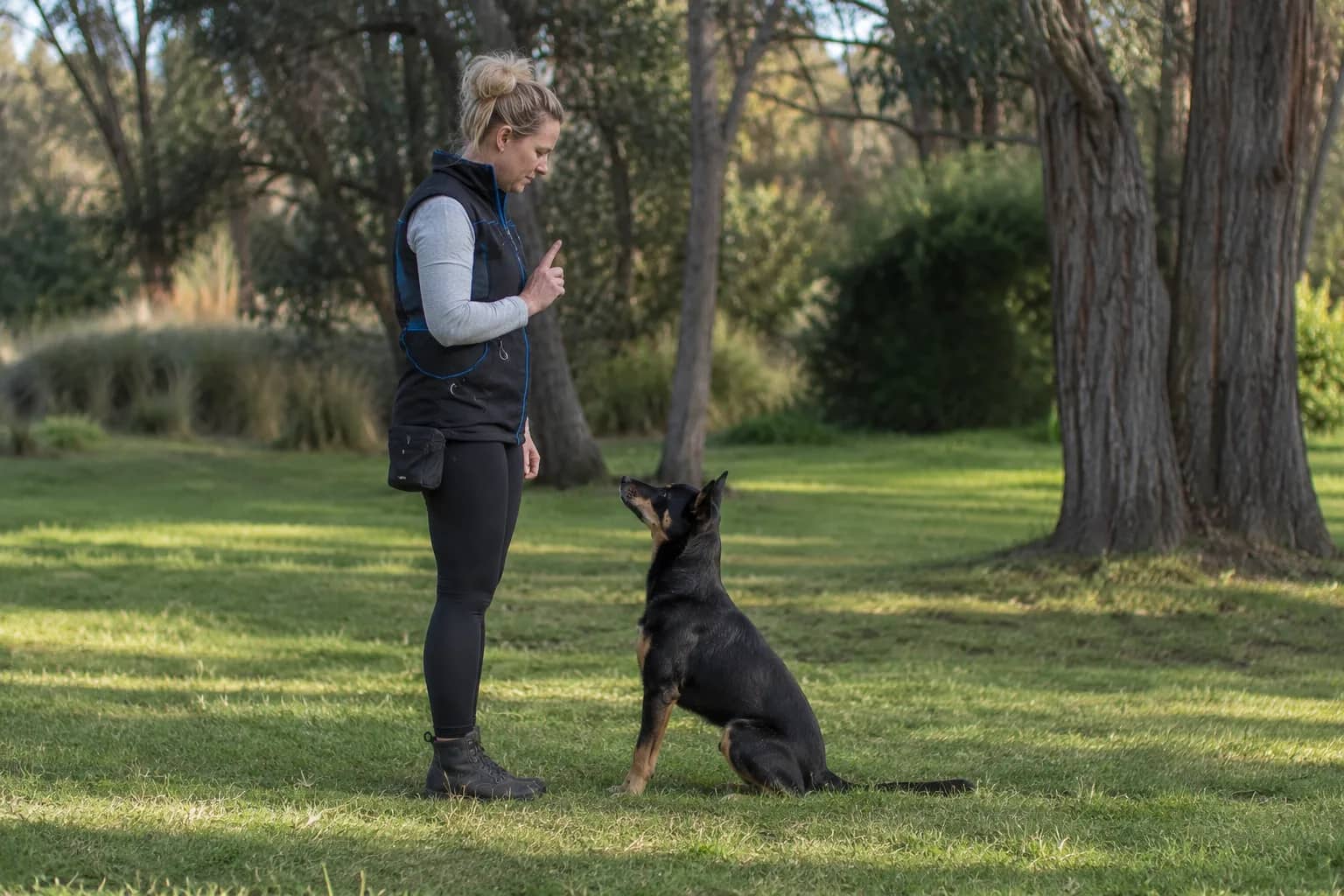
By the third week the real dog is starting to show up and the household is the thing that needs the work, not the dog. This is where an in-home consultation makes the biggest difference: the leadership pattern, the rest-and-settle structure, the integration plan into life outside the house — all of it is calibrated to your specific dog, your household, your property.
If your rescue is past day 14 and you want the next three weeks done right, book an in-home consultation with Pauline. One session covers leadership, household structure, walks, integration with other dogs, kids, and the realistic timeline for your dog. Most owners feel the shift in the dog inside that single session.
Common rescue dog mistakes
"Forcing the relationship"
Many owners try to bond with the new dog by hand-feeding, cuddling, sleeping with it, or carrying it around. For some dogs this is fine. For most rescues this prevents settling — the dog never has a quiet moment to assess the new environment without human attention.
Quiet presence builds bonds faster than forced affection. Sit nearby, do your own thing, ignore the dog. The dog approaches when ready. That connection is real and durable.
"But the kids want to meet it"
Children are often the source of the biggest first-week mistakes. The dog needs to be left alone for the first days, and children should be coached carefully on:
- No approaching the dog when it's resting
- No taking food, toys or beds from the dog
- No grabbing collars, ears or faces
- No running near the dog
- All interaction supervised, by an adult, every time
Most "rescue dog bit a child" incidents I see across regional SA happen in the first two weeks because the boundaries above weren't enforced.
"But we have to take it to the vet"
For routine matters (worming, microchip check, non-urgent vaccines), wait two weeks. The dog needs to know the household first. A vet visit on day 2 imprints the new household with the most stressful possible association.
For urgent medical issues, of course go. But "I want to make sure it's healthy" can wait 14 days.
"We need to know if it's good with our dog/cat/kids"
Resist the urge to "test" the dog by exposing it to potential triggers in the first week. The dog you're testing isn't the real dog. The information you get is wrong.
Slow introductions over weeks produce more reliable assessments — and prevent the bad first interactions that create lasting problems.
"It seemed fine but suddenly it's reactive at week 3"
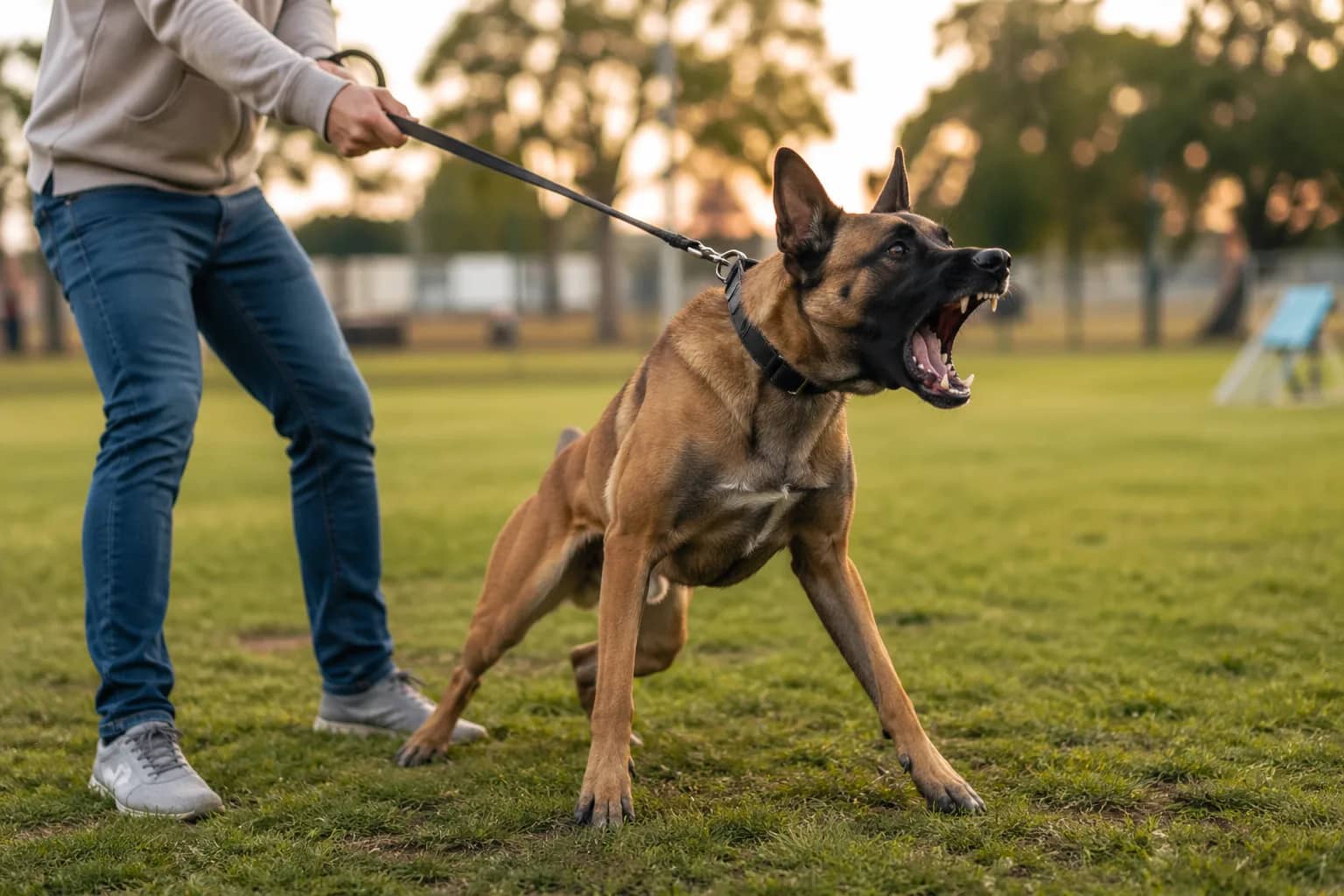
This is normal. The decompression phase masks the dog's real state. Around week 2–3, the real dog appears. If reactivity, aggression, fear, or guarding shows up at this stage, you're not seeing regression — you're seeing the real situation for the first time.
This is the moment to contact a behaviourist if needed. Not before week 3 (you don't know what you're working with), not after week 12 (the patterns have set).
Specific rescue scenarios
Rescue from a regional pound
Often unknown history, possibly bounced through multiple foster homes, sometimes with a "surrendered for" reason that may or may not be accurate. Treat as full decompression protocol. Be prepared for the real dog to surprise you in either direction at week 3.
Rescue from interstate transport
Multi-day transport, multiple handlers, unfamiliar environments. Decompression usually takes longer — extend the first phase to 10–14 days minimum.
Re-homed adult dog from a family
Often the easiest, because some history is known. Still — the new household is a new environment, and decompression rules apply. Reduced reactivity at the previous home doesn't guarantee the same here.
Foster fail (you're keeping the foster dog)
Same protocol. Even if the dog has been with you for weeks as a foster, the transition to "permanent" subtly changes things — for the dog and for you. Re-establish leadership and routine.
Senior rescue
Senior dogs respond to the same protocol but typically settle faster. Decompression may only need 5–7 days. Routine still matters.
Rescue with bite history
Genuinely concerning behaviour reports from the pound or rescue should be taken seriously. Aggression cases need professional guidance early — call before you bring the dog home if possible, definitely within the first week.
What to do when you think you've "got it wrong"
Many owners realise around week 3 that they've been doing too much too fast. The dog is more reactive, more anxious, or more pushy than they expected.
The fix is to reset to day 1 of the protocol. Calm. Quiet. Structured. Predictable. Reduced stimulation. Most dogs recover from a chaotic first week within 2–3 weeks of returning to the protocol.
There's no shame in this. Almost every owner I work with has tried to do too much too fast, particularly with their first rescue. The dog is forgiving. The protocol works.
A real example
A family in the Mid North adopted a 3-year-old kelpie cross from a country pound. He was reported as "good with everything." Within a week of being home he was reactive on lead, snapping at the cat, and resource-guarding the couch.
The owners called distressed: "Did we get a broken dog?"
They hadn't. They'd done what everyone does — full integration in the first week. Two children, two other dogs, family visiting, vet visit, walks around town, dog park.
We restarted: full decompression for 10 days. Quiet routine. Boundaries with the children. Cat separated. Other dogs separated. Couch off-limits.
By day 14, the dog was settling. By day 30, the household was integrated. By month 3, the dog was on calm walks with all members of the family and one of the household dogs. The other dog took longer; he's a slow integrator, but the work transferred.
That dog isn't broken. He just needed the right onboarding.
How Heart of the Pack helps
For rescue cases, in-home work early is one of the most useful interventions. Often within the first 2–3 weeks. Pauline can see your real environment, your real household, and tailor the protocol to your specific dog and family. Across the Upper Spencer Gulf, Iron Triangle, Mid North, Clare Valley and Yorke Peninsula in person; online for further afield.
If you've just adopted, or are about to: take the Free Behaviour Test and start the right way. The 30-day protocol is free. Done well, it saves you a year of remediation.
Not sure where to start with your dog?
Take the Free Dog Behaviour Test.
Two minutes. You’ll find out exactly what’s driving your dog’s behaviour — and what to do next.
Frequently asked questions
Written by
Pauline Cowey
Accredited Dog Behaviourist, Communicator, Owner Educator and Trainer based at Crystal Brook, South Australia. Decades of hands-on work resolving aggression, reactivity, anxiety and obedience cases across regional SA — through ethical, leadership-based methods.
Read Pauline’s full story →