Border Collie Training in Regional SA — Why Exercise Is Not the Answer

Border collies are, pound for pound, the most intelligent dog on the planet. They are also the breed whose intelligence turns on them most reliably when the household can't give them what they need. Across regional South Australia — the farms of the Mid North and Clare Valley, the hobby properties of the Yorke Peninsula, the working stations further north — border collies are everywhere. Half of them are thriving. Half of them are a specific flavour of behavioural case that I see over and over, in a pattern so consistent that owners are often shocked to hear their "weird" dog is actually textbook.
This is the honest guide to living with a border collie in regional SA. It covers the difference between a thriving collie and a collie in trouble, the five behaviour patterns that signal the household is under-meeting the breed's actual needs, what "mental work" really means (it is not an extra lap of the paddock), and the leadership structure that lets a border collie be the brilliant, settled companion the breed is capable of being.
What makes a border collie different
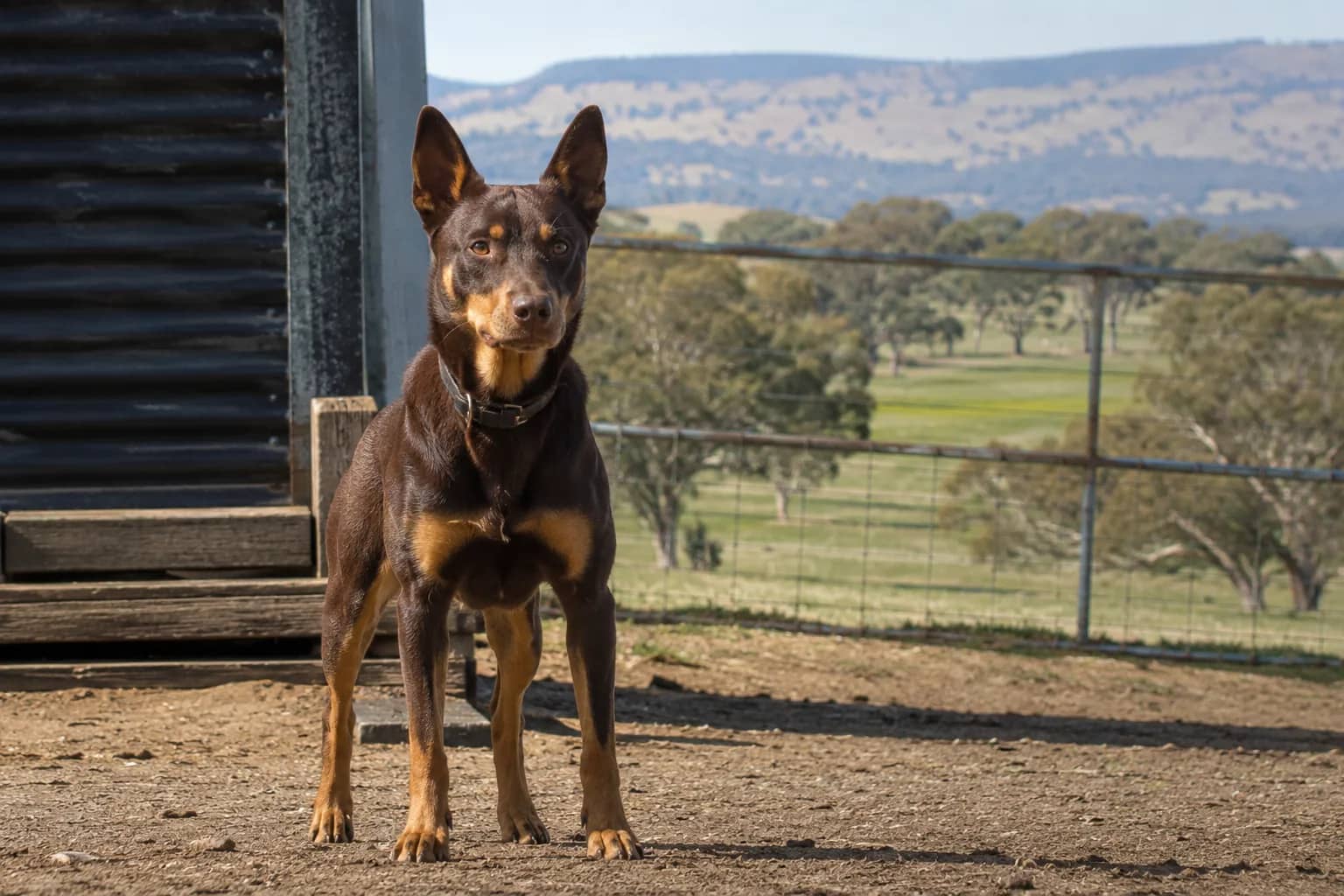
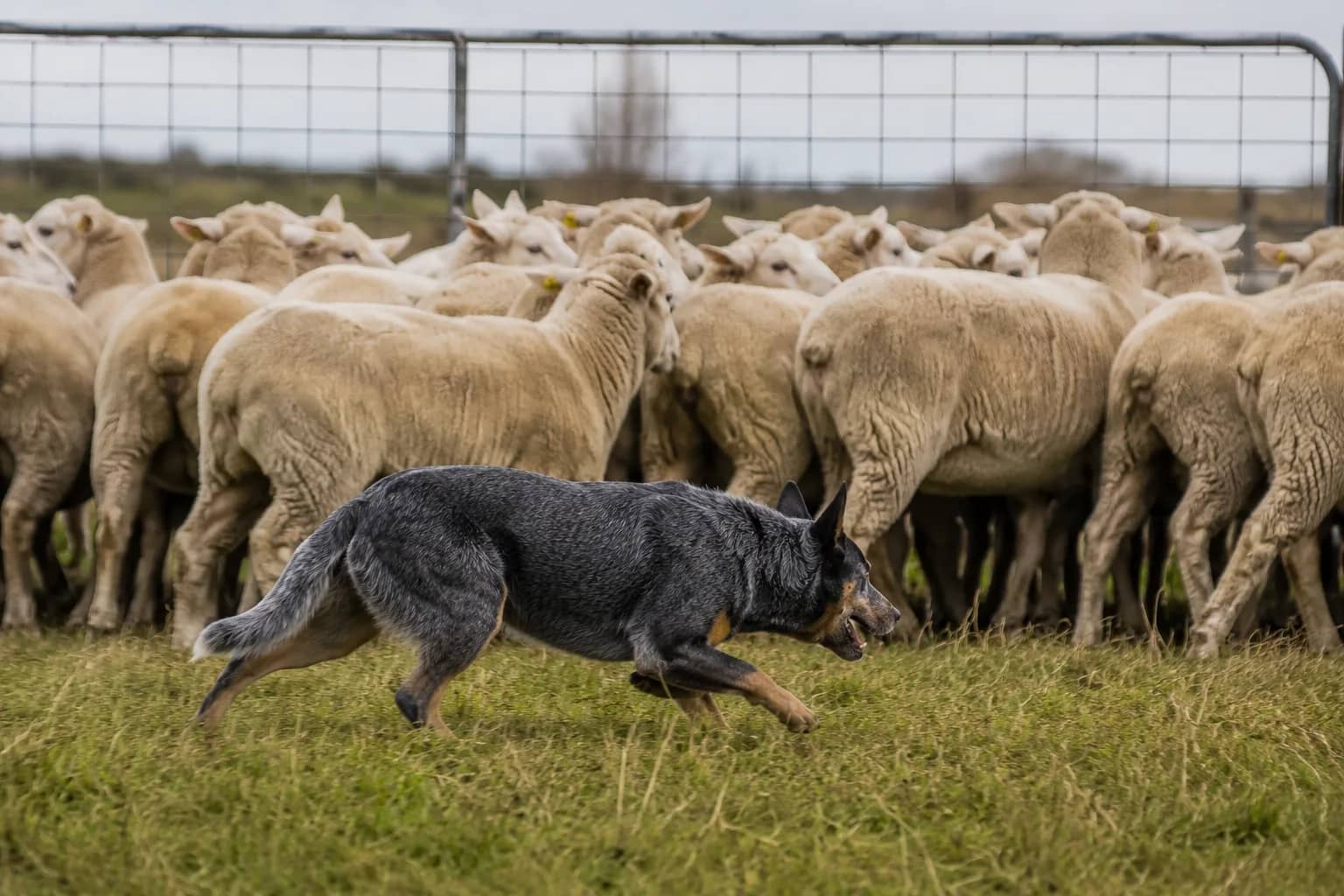
Border collies were bred to work stock at distance from the handler, make independent decisions, read livestock pressure, and respond to subtle human cues. Every behaviour the breed shows in a pet household — the stare, the stalking crouch, the hyper-vigilance, the obsessive repetition — is a modified version of a stock-working behaviour. The dog is not malfunctioning. The dog is a working dog without stock, redirecting its wiring onto whatever the environment provides.
In a pet household, that redirection is almost always one of five things: children (herded, nipped, obsessively watched), bikes (chased, barked at, lunged after), cars (fence-raced, chased down driveways, bitten at), light and shadow (chased endlessly, often developing into OCD-like patterns), or balls (fetched to the point of injury, with no off switch). None of these are the dog's fault. All of them are the dog expressing what the breed was selected over hundreds of years to express. The question is whether the household gives the dog an outlet, or whether the dog finds its own.
The thriving border collie
A thriving border collie, in my experience, has four things in its daily life:
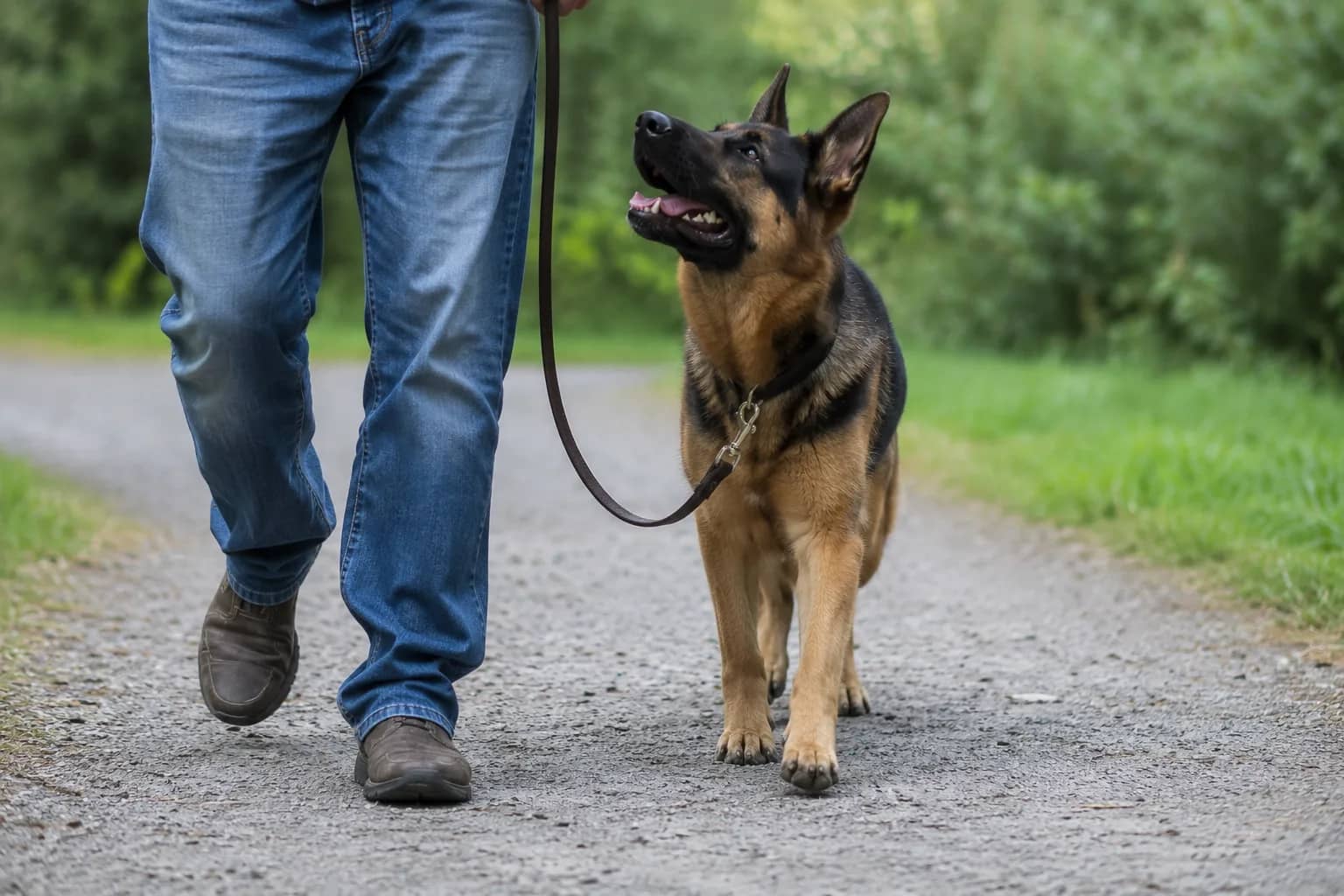
A clear household leader. Border collies defer beautifully to a human who is calm, consistent, and clearly in charge of situations. They do not defer to a human who is uncertain, inconsistent, or emotionally volatile. The breed reads leadership more acutely than any other I work with. A household with soft leadership produces a collie that takes decisions into its own hands — because somebody has to.
Daily mental work. Not "a long walk". Mental work. Scent games, structured obedience, trick-training in short bursts, puzzle feeders, chase-and-stop games where the dog has to think, formal training sessions. Fifteen minutes of real mental work tires a border collie more than two hours of running. Owners who understand this have a collie that comes home and sleeps.
Structured physical work. Border collies are built for endurance. A proper off-lead walk, a swim, a run alongside a bike or horse — these are fine, and sometimes necessary. But the critical word is "structured". Loose chaos — hours of unsupervised ball throwing, uncontrolled chase in a paddock — teaches the dog to escalate its own arousal, and arousal becomes the dog's default state.
Clear downtime. Border collies that are always on become collies that can't switch off. Successful households build in long rest periods — an afternoon stretch of nothing, a quiet morning on a mat — and enforce them. The dog learns that calm is also a state. Without this, the dog oscillates between hyper-alert and hyper-aroused, with no middle ground.
The five signs the household is not meeting the breed
Herding children. The classic early warning. The puppy or young adult starts stalking the kids, circling them in the yard, nipping at ankles or heels when they run. Owners often label this as "playful"; it isn't. It is herding behaviour expressed on the only moving targets in the household. Left unchecked, it escalates — harder nips, more intense stalking, eventually bites when a child runs away.
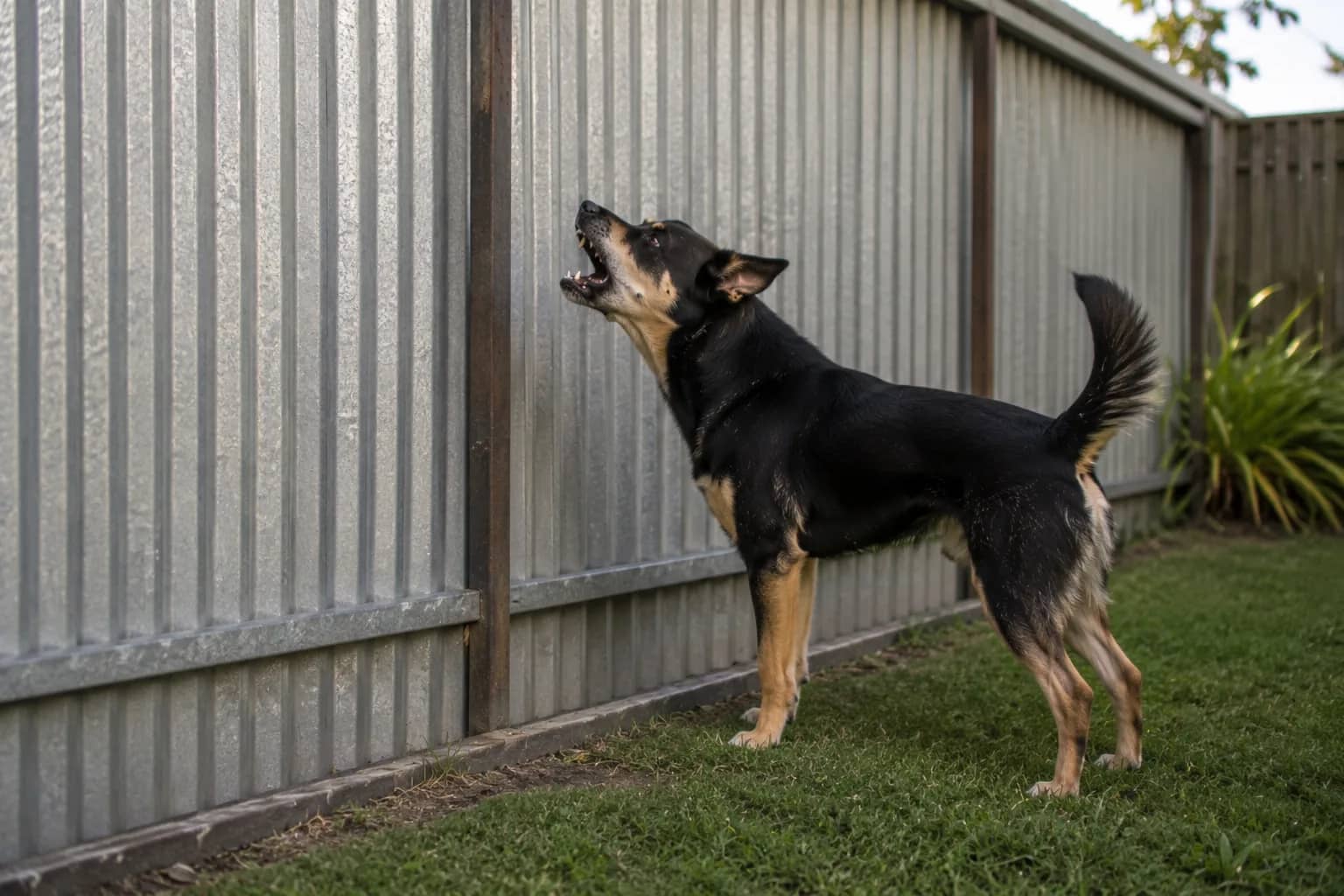
Car and bike chasing. Fence-racing the car as it goes past, chasing bikes down the driveway, lunging at motorbikes on the road. This is predatory motion-chase, and the breed is engineered for it. Every uncontrolled chase rehearses the pattern deeper. One or two sessions become dozens become hundreds, and by the time the owner thinks about it, the dog has turned the behaviour into its daily job.
Light and shadow chasing. The dog that stares at the kitchen tap waiting for a drip. The dog that chases its tail. The dog that pounces on reflections, scratches at mirrors, chases the sunbeam across the floor. These are not quirks. These are the first stages of canine compulsive disorder, which border collies are the most prone-to breed in the world. Early intervention here is critical. Late-stage CCD is extremely hard to resolve.
Resource guarding of the ball or frisbee. The dog that will not relinquish a ball to any human, that growls when another dog approaches, that becomes rigid around a toy. Not resource guarding of food — the specific pattern of guarding the fetch item. This is almost always a dog that has been given too much unstructured fetch and whose arousal has consolidated around the toy. See our guide to resource guarding for the broader framework.
Over-arousal that looks like anxiety. Pacing, whining, restlessness, inability to settle, panting when there's no heat. This is often misdiagnosed as anxiety when it is actually chronic over-arousal — the dog has been running at a baseline that is far too high for too long, and now cannot drop. The intervention is lowering the baseline, not treating the surface symptoms. If the dog in the picture looks shut down and withdrawn rather than restless, that may be a different pattern — see our separation anxiety guide.
The regional SA angle
Living in regional SA with a border collie has particular advantages and particular pitfalls.
Space is not the solution. The common assumption is that a border collie needs a big paddock. In practice, a big paddock with no structure makes the problem worse — the dog becomes self-employed, running patterns the owner can't see or interrupt. A smaller yard with structured engagement produces a calmer dog than a huge property with none.
Working-stock exposure is a double-edged tool. If you have stock and want the dog to work them, that is the breed's native state and almost everything resolves. If you have stock and don't want the dog to work them, you must manage the exposure carefully — see our recall training guide for the specifics around stock and chase. Uncontrolled stock exposure in an un-trained border collie is one of the fastest routes to a dog that must be destroyed.
Rural property triggers. Kangaroos, foxes, rabbits, wedge-tailed eagles passing over the yard, horses in the next paddock, wind. Collies pick up and react to triggers that owners don't notice. If your dog has become hyper-vigilant and reactive to things you can't see, that's often what's happening.
Isolation. Border collies, more than most breeds, need daily human engagement. A rural property where the dog is alone for most of the day will produce a stressed collie. The breed does not do well as a self-entertaining backyard dog.
The adolescence
The border collie adolescence (roughly eight to fourteen months) is the hardest in the dog world. Recall collapses. Reactivity surfaces. Obsessive behaviours consolidate. The puppy that was perfect at six months is a different dog at ten. Owners who understand this is coming and prepare for it ride through it. Owners who are blindsided often book a behaviourist at eleven months, which is when I see most of my border collie case load.
The adolescent window is when the structure installed in puppyhood either holds or breaks. If the household was casual about the rules through the first six months, adolescence breaks everything. If the household was clear and consistent, adolescence surfaces the dog's drive but doesn't change the obedience foundation. See our broader guide to the adolescent dog window.
What good border collie training actually looks like
Not drills. Not long leash walks. Not more exercise.
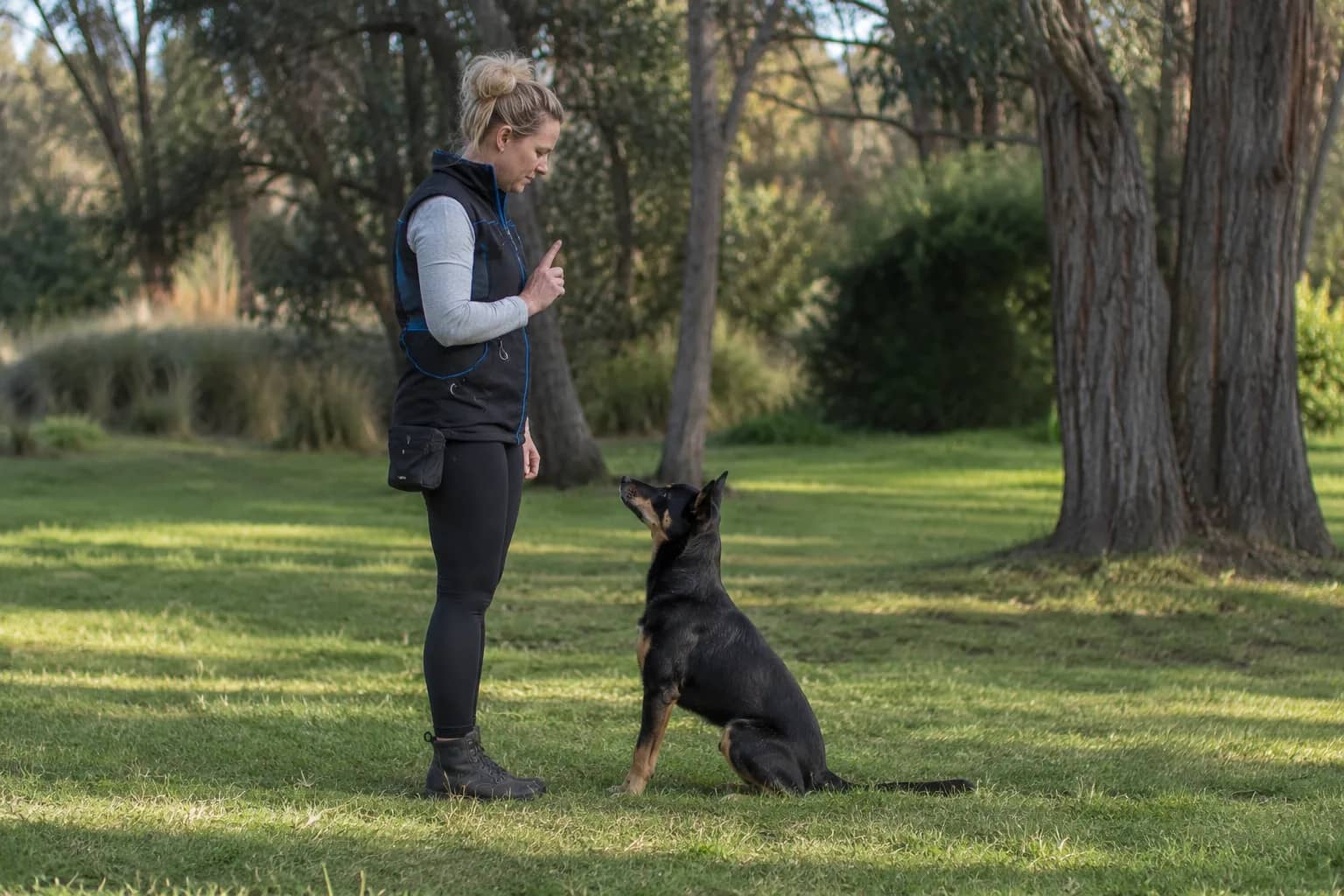
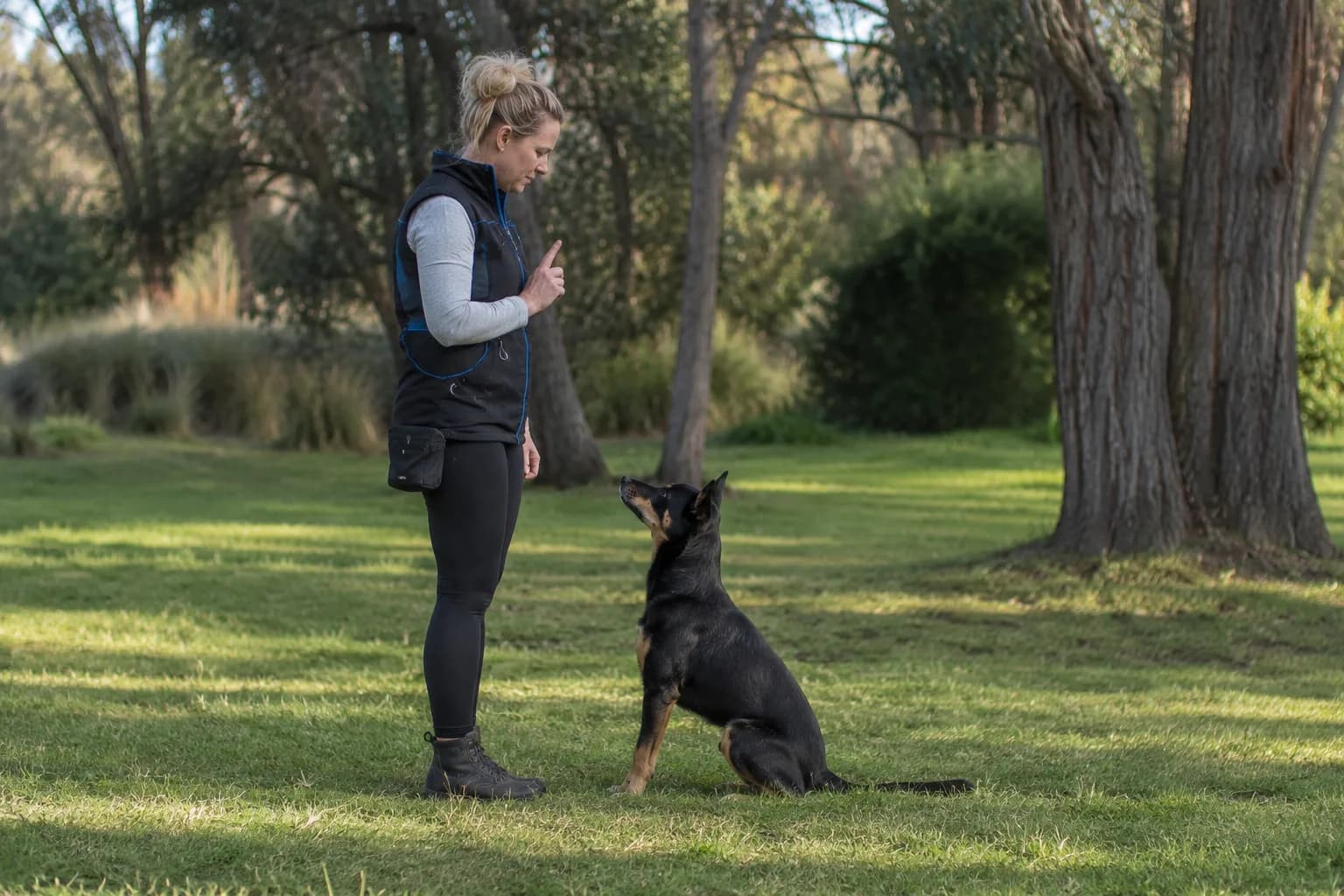
Good border collie training is: short structured training sessions (ten to fifteen minutes, two or three times a day); scent work and search games that engage the dog's nose and brain; impulse-control games that teach the dog to think before it acts; downtime on a mat with the household going about its day around it; and a leader the dog genuinely defers to in every ordinary moment of household life.
The dogs I see thriving are owned by households that treat the collie like a working animal with ongoing employment, not like a pet with an exercise budget. The dogs I see struggling are owned by households that are trying to tire the collie out — a strategy that produces an increasingly athletic and increasingly aroused dog over months.
Where to start
If you have a border collie puppy, the window to install the right foundation closes fast. The first six months set the dog's lifetime pattern. By twelve months, you are either managing a settled breed-appropriate dog or trying to rebuild one.
If you have an adult border collie that is showing any of the five signs above — herding kids, chasing cars, obsessive patterns, resource guarding fetch items, or over-arousal that doesn't settle — intervene now. These patterns consolidate quickly and the longer they run, the harder they are to resolve.
Start with the Free Dog Behaviour Test to confirm which pattern you are seeing. In-home consultations across the Iron Triangle, Mid North, Clare Valley, Yorke Peninsula and Eyre Peninsula are the right format for border collies in particular — the breed's issues almost always need to be addressed in the real environment where they are expressing. For properties beyond the drive radius, online coaching delivers the same framework.
The border collie is the breed that most rewards good leadership and most punishes its absence. Done well, it is the finest dog most households will ever own. Done poorly, it is one of the most difficult cases a behaviourist sees. The difference is almost entirely about what the household does in the first eighteen months.
Not sure where to start with your dog?
Take the Free Dog Behaviour Test.
Two minutes. You’ll find out exactly what’s driving your dog’s behaviour — and what to do next.
Frequently asked questions
Written by
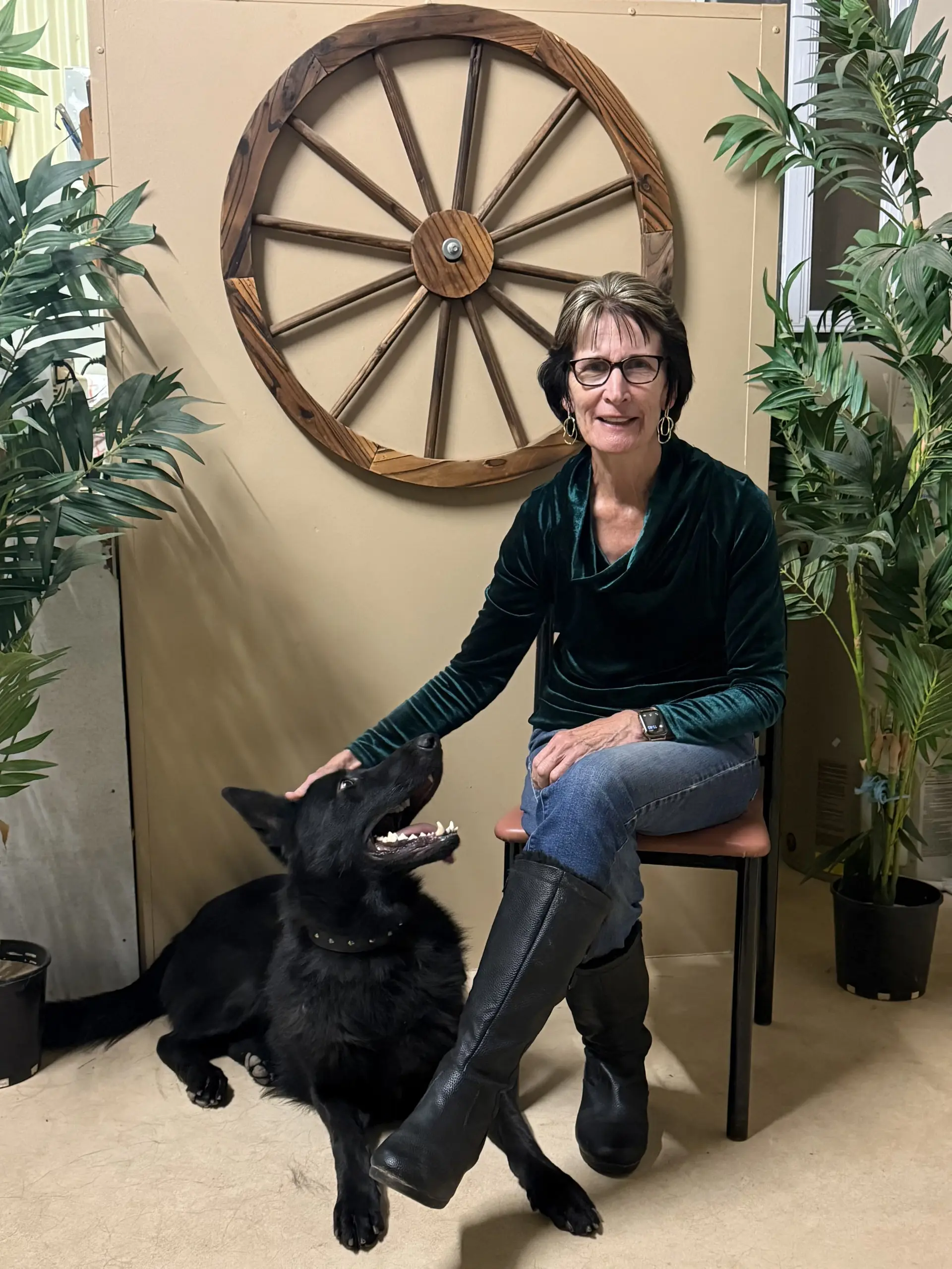
Pauline Cowey
Accredited Dog Behaviourist, Communicator, Owner Educator and Trainer based at Crystal Brook, South Australia. Decades of hands-on work resolving aggression, reactivity, anxiety and obedience cases across regional SA — through ethical, leadership-based methods.
Read Pauline’s full story →