Separation Anxiety in Dogs — What Owners Miss and What Actually Helps

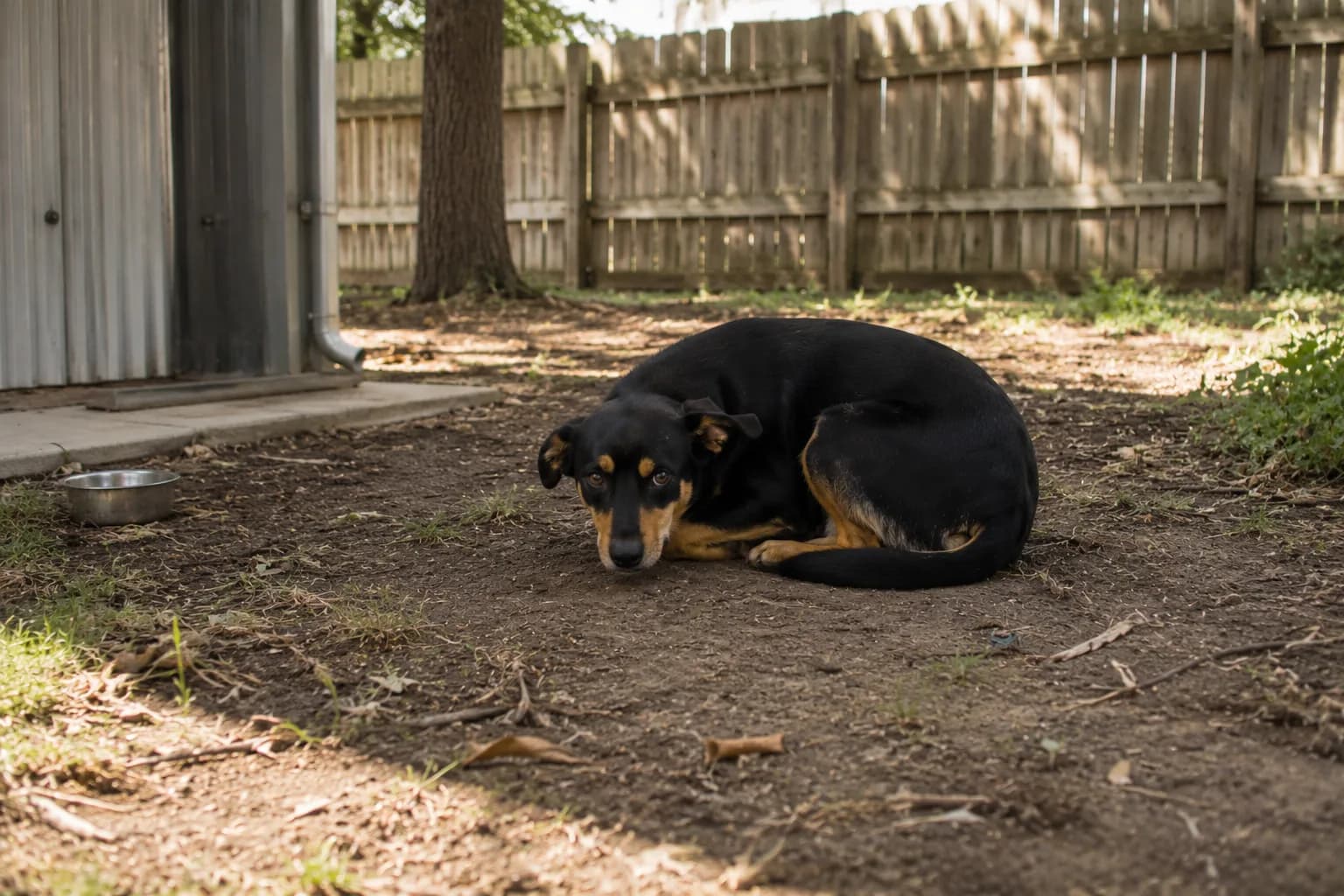
Separation anxiety is not "a dog that misses you." Separation anxiety is a dog that cannot cope with the absence of its person and expresses that inability through destruction, self-harm, howling, soiling, escape attempts, or a chronic anxious state that resets every time you leave the house.
It is one of the most common cases I take, one of the fastest-growing since 2020, and one of the most misunderstood problems in dog ownership. Owners routinely try to fix it with the wrong tools — a second dog, a Kong toy, the TV left on, more exercise, a crate, a YouTube desensitisation protocol — and end up eighteen months later with a dog that is worse, not better.
This article covers what separation anxiety actually is, how to recognise it, why it happens, and why the common fixes almost always fail. It intentionally does not lay out the specific method I use to resolve these cases. That work belongs in the consultation, not on the internet, because each case is different and generic protocols do more harm than good in this area. What this piece does give you is a clearer picture of what you are actually dealing with and how to think about the next step.
What separation anxiety actually is
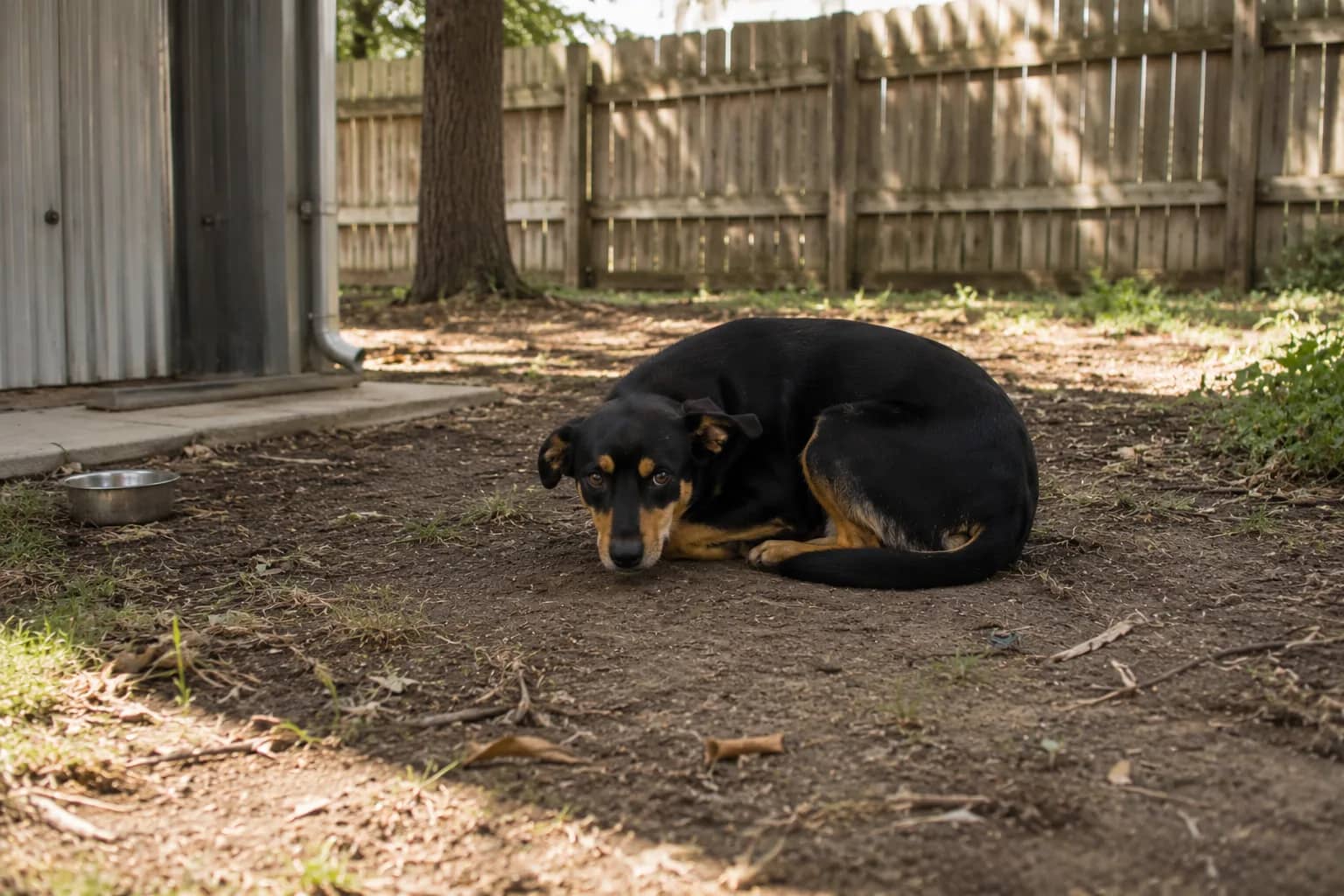
Separation anxiety is a clinical anxiety response, not a behavioural quirk. It sits in the same broad category as human panic disorder — a dog with separation anxiety is not being disobedient, not being spiteful, not "acting out" because it is angry. It is having a genuine anxiety response that its body cannot regulate.
That distinction matters because it determines what the fix has to look like. You cannot obedience-train a dog out of a panic response. You cannot reward-condition a dog into no longer feeling anxious about being alone. You cannot correct or punish the anxiety away — attempting to do so almost universally makes it worse, because you have layered a punishment association on top of an already anxious state.
The dog is not choosing to howl for six hours or destroy the doorframe. The dog is trying to survive an emotional state it does not have the skills to regulate. The fix has to address the underlying anxiety, not the surface behaviour, and that is a very specific kind of work — not something a class-based trainer or a generic protocol can deliver.
The signs
Separation anxiety looks different in different dogs. Some households have a dog that vocalises non-stop — barking, whining, howling — for the entire absence. Some have a dog that goes silent but destroys the house: chewed doorframes, ripped skirting, torn furniture, shredded bedding. Some dogs urinate or defecate indoors despite being reliably house-trained when the owner is home. Some scale fences and escape. Some over-groom, chew their paws, or develop compulsive licking spots. Some refuse to eat while the owner is away, even food they would otherwise take instantly.
The single most reliable indicator is that the behaviour happens specifically in the context of the owner being absent — and only in that context. A dog that barks all day whether the owner is home or not is a different case. A dog that chews things because it is an under-exercised adolescent is a different case. A dog that panics the moment the door closes, calms within minutes of the owner returning, and shows that same pattern reliably across weeks is a separation anxiety case.
Watch for the pre-departure signs too. Owners of separation-anxious dogs often describe the dog beginning to pant, pace, whine or hide as soon as the owner picks up keys, puts on shoes, or performs any of the small unconscious cues that precede leaving. The dog is anticipating the state, and that anticipation is diagnostic in a way that the behaviour during the absence sometimes is not.
Why it happens
There is no single cause. In my caseload, the pattern splits roughly across four groups.
The first is dogs that were poorly separated as puppies. Puppies pulled from the litter too early, or brought home into a household where they were never left alone even briefly, sometimes never developed the neurological wiring to cope with solitude. By the time they are adolescent or adult, being alone feels genuinely threatening to them — not because they are weak or clingy dogs, but because the specific learning window for tolerating solitude was missed.
The second is dogs whose baseline was fine until something in the household changed. A new baby. A return-to-office. A house move. A divorce or a death. A schedule that shifted from someone being home most of the time to someone being home rarely. These dogs had the wiring; the household broke the pattern faster than the dog could adapt. Post-2020 separation anxiety cases are heavily represented in this group, as households that were home constantly through lockdowns returned to workplaces and offices, and the dog that had never experienced meaningful solitude was suddenly asked to.
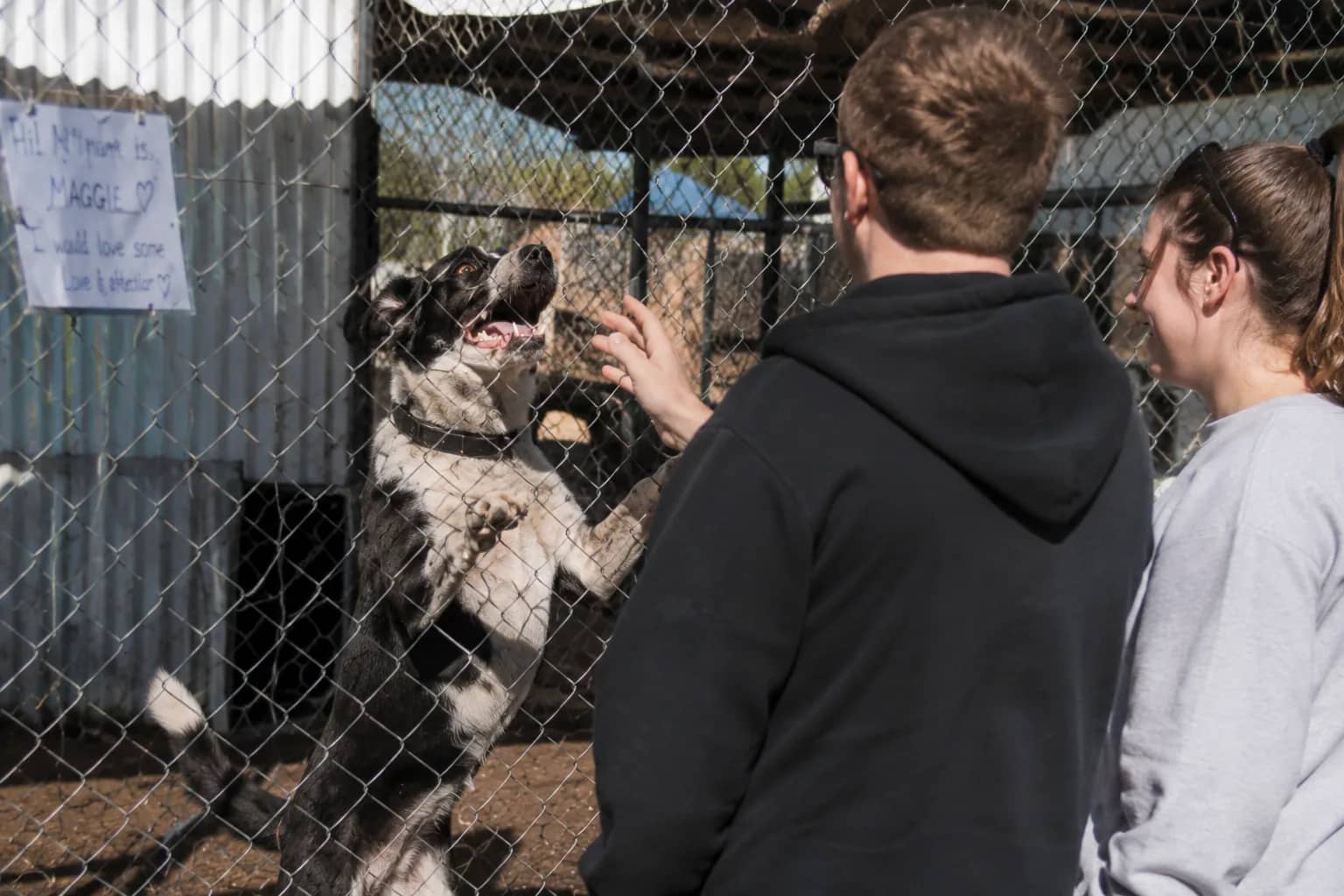
The third is rescue dogs whose history is unknown. Rescue dogs are wildly over-represented in separation anxiety cases, particularly rescues that spent time in a shelter, that have been rehomed more than once, or that experienced abandonment prior to adoption. The anxiety attaches to the new person because losing them feels catastrophically similar to what happened before. These cases are treatable, but the timeline sometimes runs a little longer than for the other patterns.
The fourth is dogs where the household unintentionally taught the pattern. High-arousal greetings on return, elaborate departure rituals, treating the dog as if being alone is a punishment or a hardship — these patterns, repeated day after day, teach a dog that absence is significant. Ordinary dogs turn into anxious ones surprisingly fast when the household models it as a problem.
Why the common fixes almost always fail
The internet is full of separation anxiety advice. Most of it is wrong in specific ways.
Getting a second dog. By far the most common suggestion I hear from other owners. It almost never works. If the dog's anxiety is attached to a person, adding another dog does not touch it. In many cases it makes it worse — you now have two dogs feeding each other's arousal, and the original dog's anxiety is unchanged. In a small minority of cases the second dog is a comfort; in most, it is a second training project layered on top of an unresolved anxiety problem.
More exercise. A tired dog is a calmer dog for a few hours, and no dog with separation anxiety needs less exercise. But exhausting the dog does not resolve the anxiety. A well-exercised separation-anxious dog is a well-exercised separation-anxious dog. The state comes back the moment the exercise wears off.
Kong toys, lick mats and food puzzles. These help some dogs get through the first few minutes of a departure. They do nothing for the underlying anxiety state and often stop working within days. If your dog will not touch a Kong when you are absent, that is diagnostic — the dog is too anxious to eat, which tells you where you are on the severity spectrum.
Leaving the TV or radio on. Same category. Occasionally masks the ambient silence for a mild case. Does not touch a real separation anxiety case at all.
Crating. Crating a genuinely separation-anxious dog can produce serious injury — dogs have broken teeth on crate bars, sliced feet trying to escape, bloodied their faces on latches. If your dog has separation anxiety and you are considering a crate, do not proceed without professional guidance. This is one of the areas where the wrong intervention causes real physical harm, not just a stalled training program.
Wait it out. The idea that a dog will "settle in" or "get used to it" if you keep leaving. Sometimes true for mild cases. For most real separation anxiety cases, repetition of the trigger with no intervention makes the anxiety worse, not better — each anxious departure rehearses the pattern and deepens the neural groove.
Generic YouTube desensitisation protocols. These usually involve a specific graduated absence schedule. Applied correctly to the right dog they can help. Applied incorrectly — or applied to a dog whose case profile is different from the video's — they routinely go backwards. The problem is not the protocol; the problem is that separation anxiety is a spectrum and a case-specific intervention is what actually works.
Why professional help is warranted earlier than most owners think
Owners routinely wait too long to seek help with separation anxiety. The pattern I see repeatedly: the dog shows the signs, the household tries the internet fixes for six months, the dog gets worse, the household starts hearing from neighbours or council about the noise, a family member says "maybe it is time to rehome," and then I get the call.
By the time a case has been rehearsed for six or twelve months, the intervention is longer and harder than it would have been at week four. The dog's anxiety has become a habit as much as an emotion. The household has adjusted around the problem in ways that will need unpicking. The trust between owner and dog has usually eroded. All of that is fixable — most separation anxiety cases resolve when they are worked properly — but it takes longer than an early intervention would have.
If your dog is showing the signs, book the conversation before the pattern is entrenched. The earliest cases resolve fastest, and the difference between four weeks and four months of rehearsal is significant.
What working through a separation anxiety case looks like
I will not lay out the method here, both because it is not appropriate for the internet and because each case is genuinely different. What is the same across cases is the shape of the work.
A separation anxiety consultation is longer than a standard consultation because there is more to read. I need to see the household, the arrival and departure routine, the dog's baseline anxiety independent of absence, the environment the dog occupies when alone, and the small unconscious patterns the household has developed around the problem. That work takes hours, not minutes, and none of it happens usefully in a training hall or a group class — it happens in your house, with your dog, at your normal times.
The consultation itself is diagnostic first — working out which of the four causal patterns this particular case sits in, and which specific triggers are driving the state — and then interventional. What the household actually does after I leave is what changes the dog. My job is to give them a plan they can execute daily, and to stay in the loop through email as the case unfolds over the following weeks and months.
Most separation anxiety cases resolve. The timeline varies — some inside a month, some three to six months, a small minority longer. The variables are the severity of the case, how long it has been rehearsed, how consistently the household applies the plan, and whether any medical factors need addressing alongside the behaviour work. For cases that involve possible physical drivers — pain, thyroid, gastrointestinal issues, medication reactions — I work alongside your veterinarian rather than around them.
The role of medication
Some separation anxiety cases benefit from short-term medication alongside the behaviour work. That is a veterinary decision, not a behaviourist decision, and I make no assumption either way about your specific dog until the case has been read.
What is worth knowing: medication is not a shortcut. It does not resolve separation anxiety on its own, and prescribing it without concurrent behaviour work rarely changes the underlying case. But for a subset of cases where the anxiety is severe enough that the dog cannot regulate at all, medication reduces the baseline arousal enough for the behaviour work to land — which is what actually changes the pattern.
If your veterinarian has raised medication or your behaviourist has, treat that as a conversation to have across both professionals, not a decision to make on your own by reading forums.
What to do next if this describes your dog
The single most useful step is to write down what you actually observe. When does the pattern start? What triggers it? What does the dog do — specifically? How long does it last? What happens on your return? What have you tried, and what worked or did not? A ten-minute audit of the pattern often reveals more than most owners realise they already know, and it makes the conversation with a behaviourist significantly more efficient.
Then get professional eyes on the case. If you are in regional South Australia, contact me directly — separation anxiety is one of the categories I prioritise on the calendar, because the earlier the intervention, the shorter the work. If in-home consultation is not practical from where you are, online coaching covers the same case work remotely and produces the same outcome for most separation anxiety cases. If you are further afield than that, seek out an accredited behaviourist in your area — separation anxiety is specifically the kind of case where a real behaviourist matters more than a general trainer.
Do not wait until the neighbours complain or the household is at breaking point. Separation anxiety cases resolve, but the timeline gets longer with every month of rehearsal. The best time to book was three months ago; the second best time is today.
The one thing I want owners to take from this
Your dog is not being difficult. Your dog is not punishing you for leaving. Your dog is not going to grow out of it. Your dog is having an anxiety response it does not know how to regulate — and that response is fixable, with the right work, in the right order, with the right support.
Nothing about the situation is your dog's fault, and very little of it is yours either. The pattern is what it is; the fix takes competent help; and the sooner it starts, the sooner the household stops living around the problem and starts living with a dog that is genuinely calm when alone.
If you would like to talk about a specific case, get in touch — separation anxiety is one of the categories where a phone conversation early usually saves months of work later.
Not sure where to start with your dog?
Take the Free Dog Behaviour Test.
Two minutes. You’ll find out exactly what’s driving your dog’s behaviour — and what to do next.
Frequently asked questions
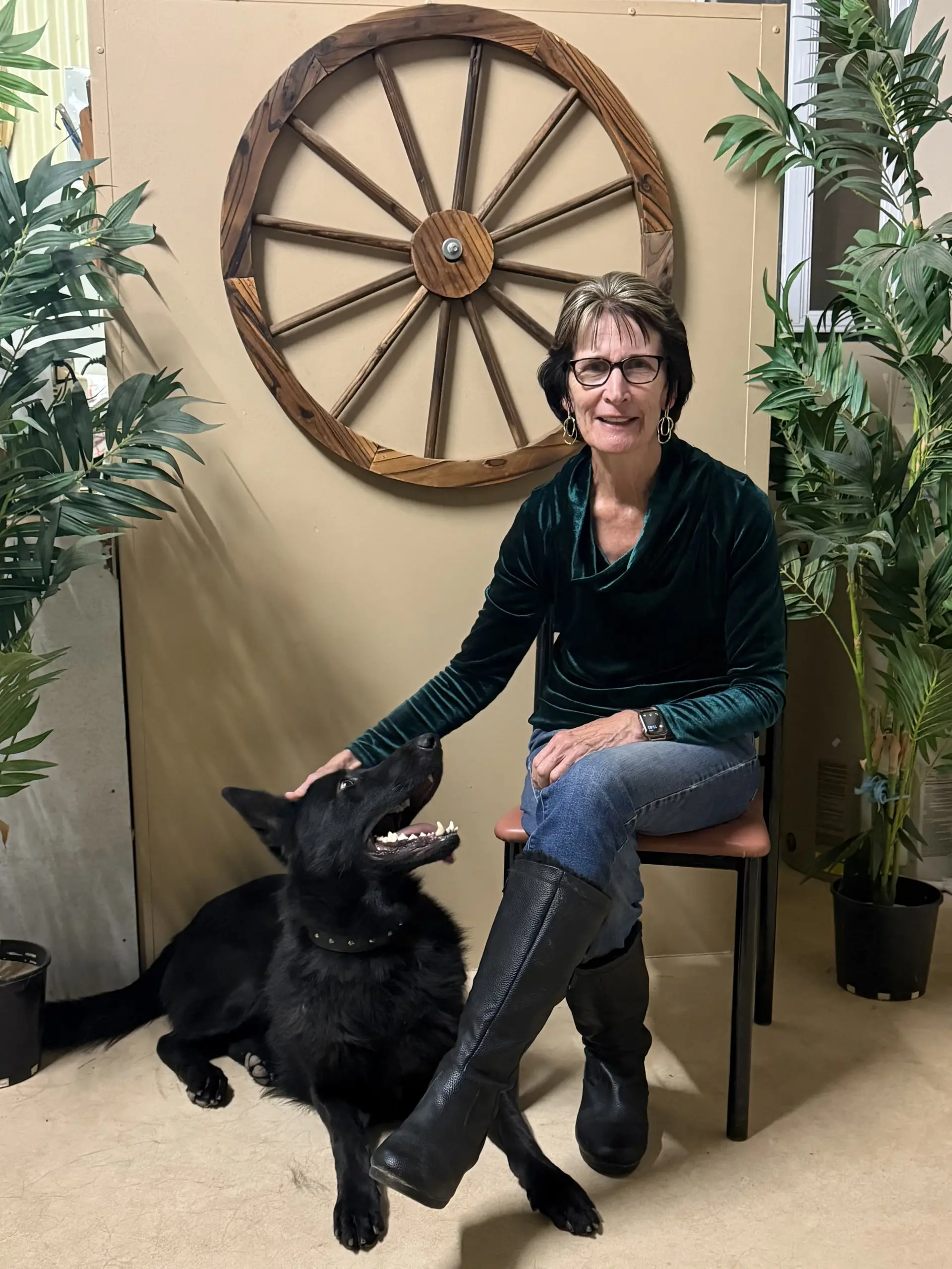
Written by
Pauline Cowey
Accredited Dog Behaviourist, Communicator, Owner Educator and Trainer based at Crystal Brook, South Australia. Decades of hands-on work resolving aggression, reactivity, anxiety and obedience cases across regional SA — through ethical, leadership-based methods.
Read Pauline’s full story →