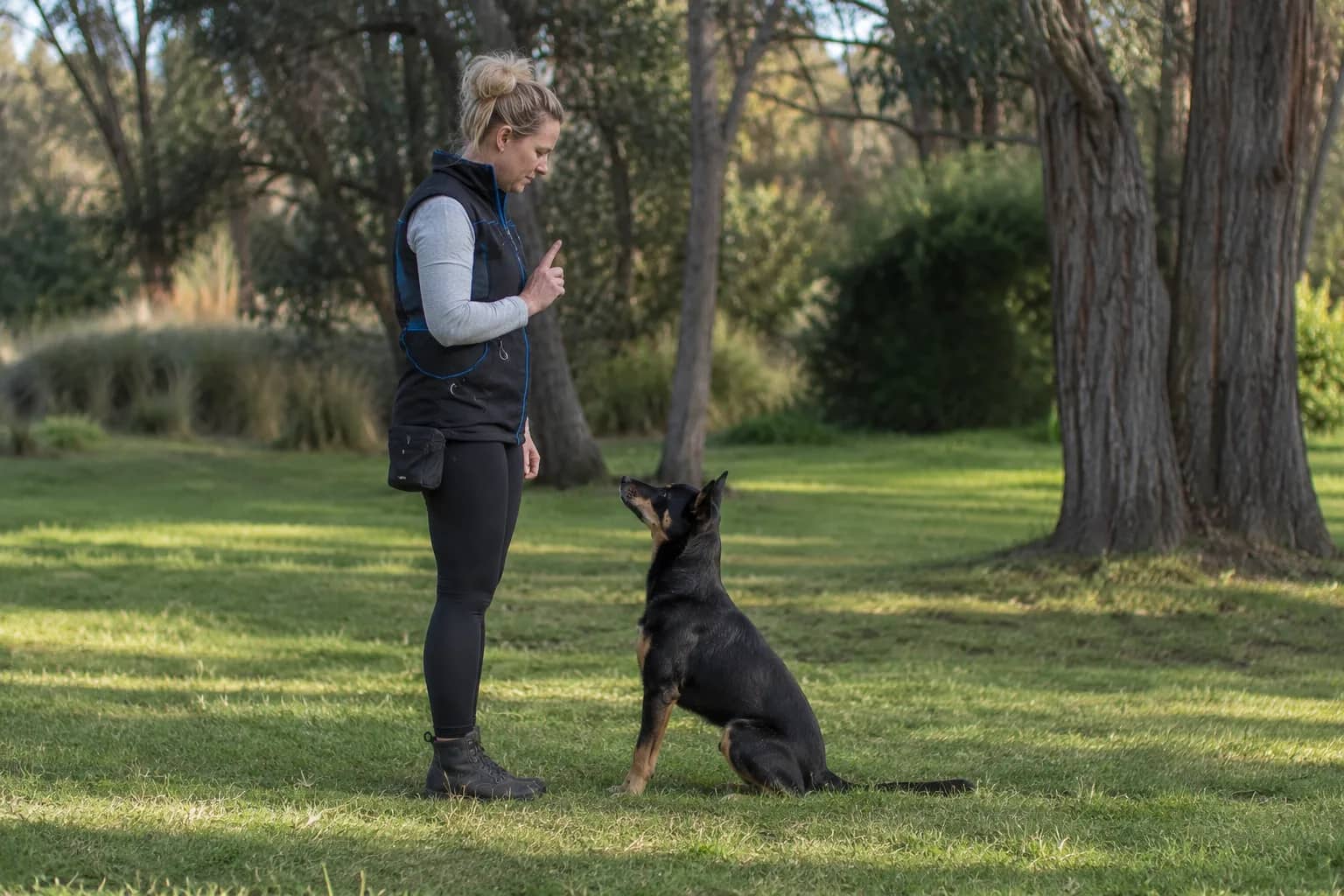
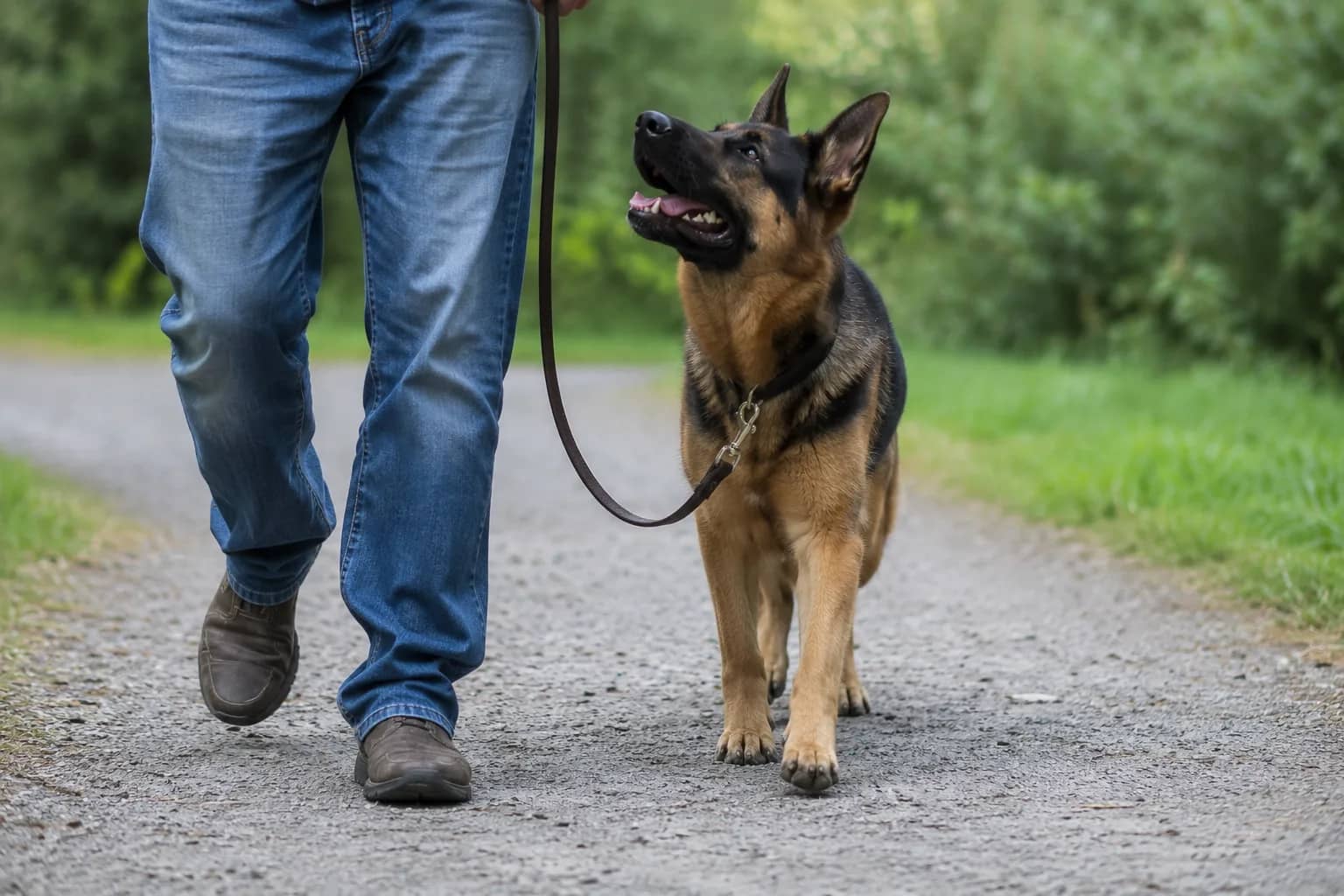
The Adolescent Dog Storm — What Changes Between 6 and 14 Months

The dog you had at six months is not the dog you have at ten. Between roughly six and fourteen months, most dogs go through the adolescent phase — the second puppyhood that hardly anyone warns owners about, and the single most common reason owners contact a behaviourist about a dog that "was fine and has suddenly changed."
This piece is the honest guide to the adolescent window: what is actually happening in your dog's brain, the five patterns that surface most often, why the training that worked at four months stops working at ten, and how to hold the household through it without either giving up on the dog or making the pattern worse.
The short version
Adolescence in dogs runs roughly six to fourteen months in most breeds (later in giant breeds, sometimes earlier in small breeds). It is a real neurological phase — the developing brain re-tests the household hierarchy, the environmental map, and the response patterns the dog learned as a puppy. Dogs regress on recall, test boundaries they previously respected, show new fears, become reactive, or become intense in ways they weren't before. None of this means the puppy work has "failed" — it means the dog is doing what an adolescent dog does. The household work is to hold pattern through the phase, not to correct the dog out of it or to give up and let the behaviours consolidate.
What actually happens in adolescence
Adolescence is a genuine developmental stage, not a training gap. Three things are happening simultaneously in the dog's brain:
Neurological rewiring. The pathways the puppy laid down between three and sixteen weeks are being remodelled into the adult architecture. During this remodelling, the dog's responses are inconsistent — a cue that worked yesterday might not land today, not because the dog has forgotten but because the neural pathway is temporarily under construction.
Hormonal changes. Both entire and desexed adolescents go through hormonal shifts that affect arousal, attention, drive, and (in males particularly) territoriality. Even neutered adolescents experience these shifts, though the intensity varies.
Social re-evaluation. Adolescence is when the dog re-tests the household hierarchy — not because the dog is trying to "dominate" (that framing is discredited) but because the developing dog is working out where it fits in the household as an adult, not as a puppy. Puppies get automatic accommodation. Adolescent dogs earn their place.
Combined, these three shifts produce a dog that looks unfamiliar to owners who thought the puppy work was finished. The adult dog is being built. The behaviours you see during construction are not the adult dog.
The five most common adolescent patterns
Across my caseload, adolescent cases cluster into five patterns. Most dogs show at least two.
Recall failure. The puppy that came reliably at eight months stops coming at ten. Not because it forgot the cue — because the environmental interest (roos, other dogs, birds, novel smells) now outweighs the household relationship. If the recall was built on treats alone, this is when it breaks. If it was built on relationship, it holds but wobbles.
Boundary testing. The couch, the kitchen, the bed, the front door — all the places that had rules — become negotiations again. The dog is not being disobedient. The dog is genuinely re-asking the question "what's the rule here for an adult dog." Households that answer clearly get through it fast; households that get confused answer inconsistently and the pattern entrenches.
New fear responses. Adolescents commonly develop new fears — fireworks, garbage trucks, umbrellas, men in hats. This is the "second fear period," a genuine developmental window between roughly seven and fourteen months where the brain is more sensitive to threatening stimuli. Fears that appear here can consolidate into lifelong anxiety patterns if the household handles them badly (over-reassurance, forcing exposure, punishing the fear).
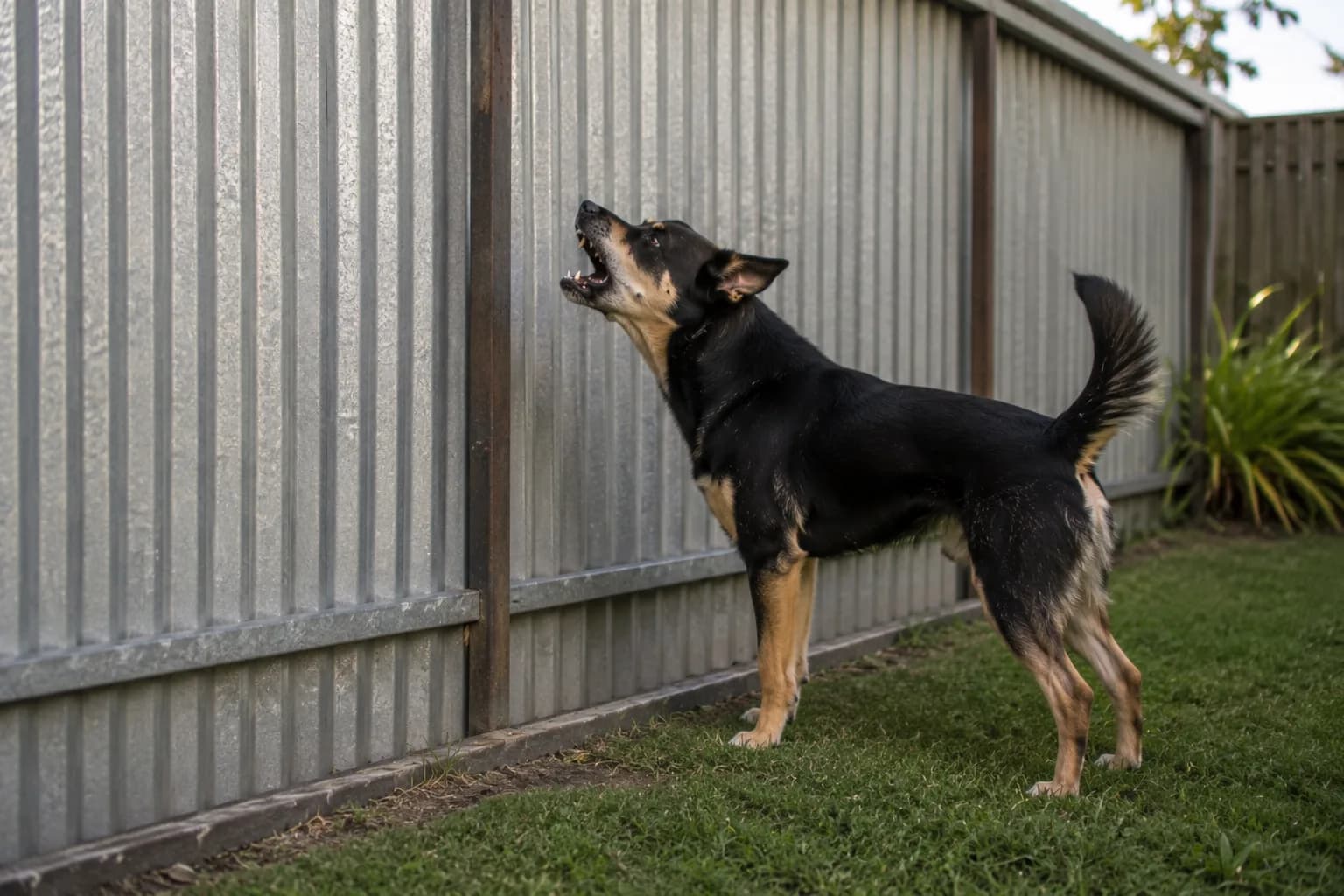
Reactivity that wasn't there before. The friendly puppy at nine months who suddenly barks at other dogs on lead at twelve months. Sometimes this is fear-based (developed during the second fear period), sometimes it's frustration-based (the dog wants to get to the trigger but can't), sometimes it's arousal-based. Each has a different fix. Left alone, this is the pattern that most often entrenches into adult reactivity.
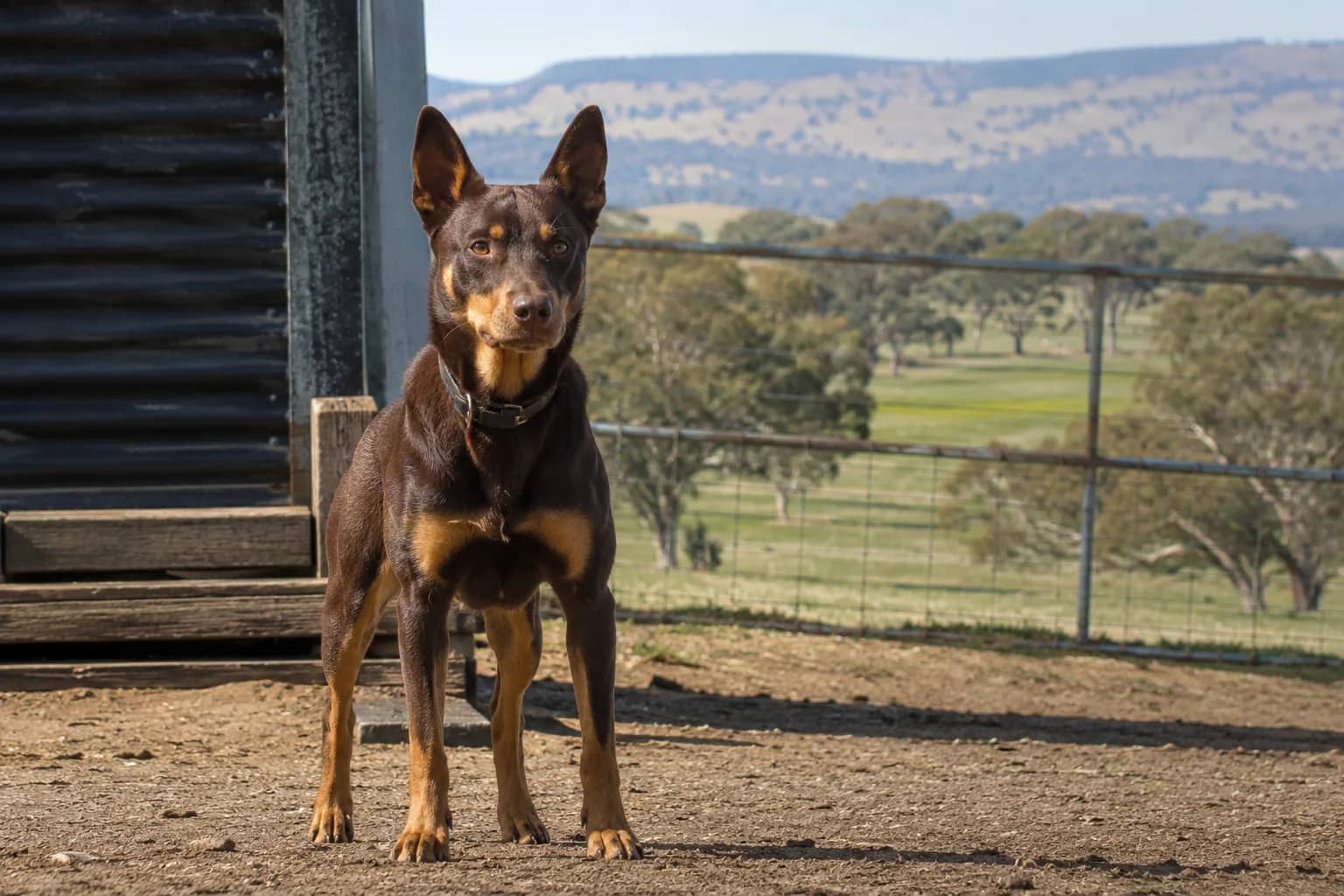
Working-breed intensity. In kelpies, blue heelers, working-line shepherds and Malinois, adolescence is where the breed's genetic drive fully surfaces. The dog that was intense at six months becomes overwhelming at ten. The household that could manage the puppy suddenly cannot manage the adolescent. This is the specific pattern that produces most of the working-breed cases I take.
Why the training that worked at four months stops working at ten
The puppy training that produced a calm, listening four-month-old was working with a puppy brain. The adolescent brain is different. The same techniques don't land the same way. Owners interpret this as the dog having "unlearned" the training. What's actually happened is that the dog has moved into a developmental phase where the training relationship needs to change with it.
Puppies respond to warmth, reward and repetition. Adolescents respond to relationship, structure and consistency. The lever changes from "make the behaviour worthwhile" to "make the household the calm centre of the dog's world."
Bribery-based training reliably breaks in adolescence because the environmental competition (a running roo, another dog, an unfamiliar person) now outweighs the treat. Correction-based training reliably makes reactivity and fear worse in adolescence because the developing brain is more sensitive to negative associations. What holds through the phase is leadership-based work — the household staying calm, clear and consistent through the noise the dog is bringing.
I don't lay out the specific technique here because the application varies by breed, temperament, and household. What is the same across cases is the principle: the household stops chasing the behaviour and starts holding the pattern.
The pattern that reliably holds
Households that come through adolescence well share four traits.
They understand the phase is normal. The dog is not broken. The dog is not "regressing." The dog is doing what adolescents do. Owners who read the phase as a personal failure make worse decisions during it than owners who understand what they're looking at.
They tighten household structure, not training intensity. More boundaries, not more drills. Clearer household rules, not more obedience sessions. The adolescent dog needs a household that is a calm reference point, not one that is running extra training programs.
They protect the dog from consolidating bad experiences. During the second fear period, they don't force the puppy to "work through" fireworks or the vacuum cleaner or the neighbour's dog. During the boundary-testing phase, they don't let the dog rehearse successes at breaking the rules. Every rehearsal locks the pattern in a little further.
They get professional help early if the case is turning behavioural. Reactivity that appears in adolescence and gets six months to consolidate is a much harder case than the same reactivity caught at week three. Households that book a behaviourist within four to eight weeks of a new behaviour surfacing usually resolve it in a fraction of the time it takes if they wait.
Working breeds warrant special mention
Adolescence hits working-breed dogs harder than family-companion breeds. The genetic drive fully surfaces around ten to fourteen months. A kelpie or blue heeler that was manageable as a puppy can become overwhelming as an adolescent — chasing everything that moves, herding the kids, alerting to every sound, unable to settle.
This is the age at which most working-breed rehomings happen. It is also the age at which the right intervention lands fastest — because the drive is real, but the household pattern that lets the dog regulate it is straightforward to install, and the dog reads the pattern quickly once it's in place. Working-breed adolescents are the specific case for booking a behaviourist rather than a general trainer — the drive is not the problem; the household not knowing how to hold the drive is.
When to book professional help
Book a behaviourist during the adolescent phase if any of these appear:
- Reactivity that wasn't present before (on lead, at the fence, at the window)
- New fear responses that are consolidating (specific triggers the dog now avoids or panics around)
- Any aggression toward household members, visitors, other dogs, or other pets
- Recall that has genuinely broken down in the environments the dog needs to be off-lead in
- Working-breed intensity that is running the household
- Anyone in the household starting to feel unsafe around the dog
For adolescent cases that are training gaps (recall not proofed, boundaries never fully installed), a trainer is often enough. For adolescent cases that are behavioural (fear, reactivity, aggression, anxiety), a behaviourist is the right call — earlier rather than later.
What to expect on the far side
Most dogs stabilise into their adult behaviour by fourteen to eighteen months. Working breeds sometimes take longer — full behavioural adulthood in a kelpie or shepherd can be closer to two years. What survives the adolescent phase is the dog you'll have for the rest of the relationship.
Households that hold the pattern get the dog they'd hoped for at eight months — just later than they expected. Households that either give up or over-correct usually end up with the same dog they had at ten months, permanently. The difference between the two outcomes is almost always the household work between month ten and month sixteen.
What to do next
If your dog is in the adolescent window and the phase is manageable, hold the pattern. Read the calm leadership piece and the how long does dog training take piece — both cover the adolescent window in more detail.
If the case is turning behavioural, take the Free Behaviour Test or contact me directly. Adolescent behaviour cases resolve fastest in the first four to eight weeks of a new behaviour surfacing — that's the window to book, not month six of watching it entrench.
For working-breed households, the specific breed pieces on kelpies, German Shepherds and blue heelers cover the adolescent-specific patterns for each breed in more detail.
The adolescent phase is temporary. What consolidates during it, isn't.
Not sure where to start with your dog?
Take the Free Dog Behaviour Test.
Two minutes. You’ll find out exactly what’s driving your dog’s behaviour — and what to do next.
Frequently asked questions
Written by
Pauline Cowey
Accredited Dog Behaviourist, Communicator, Owner Educator and Trainer based at Crystal Brook, South Australia. Decades of hands-on work resolving aggression, reactivity, anxiety and obedience cases across regional SA — through ethical, leadership-based methods.
Read Pauline’s full story →