Skip to content
Heart of the Pack — Pauline Cowey, regional SA dog behaviourist
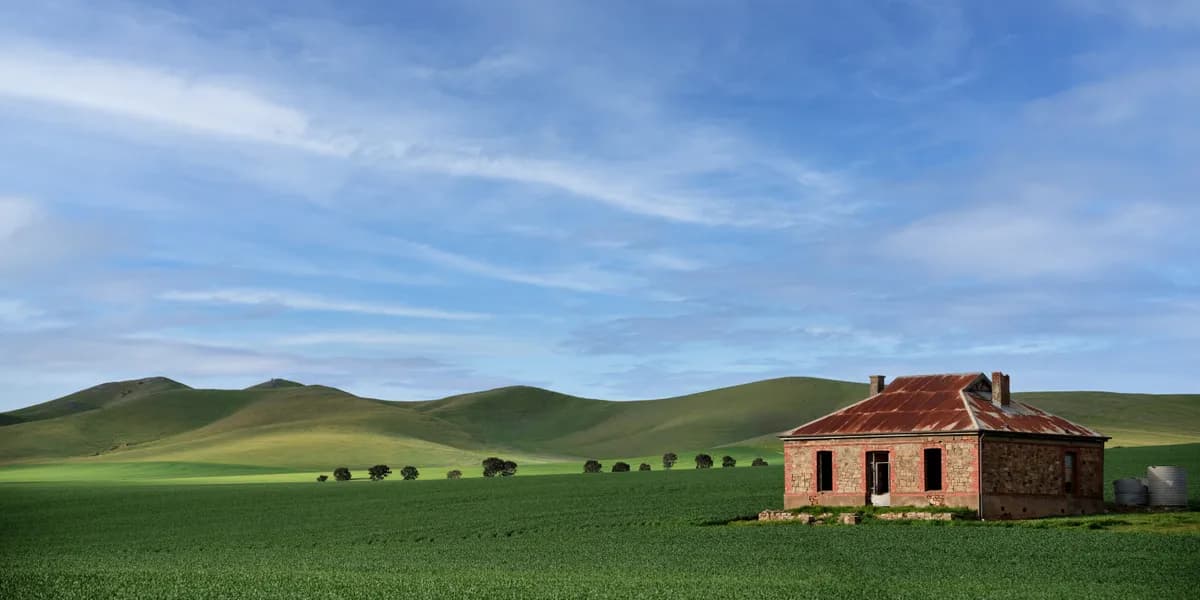
Rolling Mid North farmland and grain paddocks under a wide South Australian sky near Gladstone

Gladstone, South Australia

Gladstone Dog Training & Behaviour

Gladstone is one of the closest towns to my Crystal Brook base — a 20-minute drive east through the Rocky River country. It sits on my standard in-home rotation and is one of the towns I am able to fit into the calendar fastest when a case is urgent.

20 minutes from Crystal Brook
Accredited Dog BehaviouristCrystal Brook, SARegional SA + Online Australia-wide

In short

Heart of the Pack provides in-home dog behaviour and training in Gladstone and the surrounding Northern Areas Council district. Accredited behaviourist Pauline Cowey is 20 minutes west at Crystal Brook and works across Gladstone, Laura, Caltowie, Georgetown and the surrounding farming country on standard in-home consultation days. All eight services — puppy, obedience, aggressive, reactive, separation anxiety, barking, in-home and online — are available across the area, with working-breed adolescents and rescue cases the two most common Gladstone patterns.

Working with Gladstone owners

Gladstone sits at the junction of three worlds — the heritage railway and agricultural town at the centre, the working-property country running north and east toward Jamestown and Caltowie, and the corridor down to Crystal Brook, Port Pirie and the Iron Triangle to the west. That geographic position shapes the dog population. Working sheep and grain country produces a heavy kelpie, blue heeler and working-line border collie presence. The town itself is small and quiet — the Gladstone Gaol precinct, the main street, the sports oval and the surrounding side streets — which means most dogs live either on a property or on a town block with plenty of yard space, rather than in the denser suburban setups I see in Port Pirie or Port Augusta. Council coverage sits with the Northern Areas Council (the same body that administers Jamestown, Caltowie, Laura and Crystal Brook itself), and the standard is consistent across the district. Local specialist behaviour support is scarce — most owners I see in Gladstone have either watched YouTube, driven to Adelaide once, or hoped the dog would grow out of it. The proximity to Crystal Brook is the main advantage: cases that would take three weeks to slot in from further out often fit into the calendar within days.

Most common cases in Gladstone

  • Adolescent working breeds (kelpies, heelers, working-line collies) outgrowing soft early training
  • Farm-dog recall around livestock, vehicles and machinery
  • Fence-line and yard-dog behaviour on hobby farms and rural blocks
  • Anxious rescue and rehomed dogs adopted from Adelaide pounds into Mid North properties
  • Puppy training for first-time owners on rural blocks
  • Stock-proofing and snake-awareness for dogs new to country life

Local coverage

  • Gladstone town
  • Caltowie
  • Laura
  • Georgetown
  • Yatina
  • Bundaleer
  • Belalie North
  • Crystal Brook
  • Jamestown

Region

Mid North overview

Other towns nearby

Local landmarks

Where dog life happens in Gladstone

The named places that show up most often in Gladstone consultations — useful context if you are weighing where to walk, where to socialise, and where the trigger patterns sit.

  • Gladstone Gaol precinct

    The heritage gaol on the eastern edge of town, one of the best-preserved country gaols in South Australia and the anchor of the local tourism trail. The surrounding heritage streets are useful low-stimulation ground for structured loose-lead work with dogs that need the calm urban rehearsal.

  • Gladstone main street and Ninth Street

    The commercial centre of Gladstone — quiet by weekday standards, busier on weekends. A workable graduated-exposure environment for dogs that have started their reactive rebuild at home and need the next step of controlled town exposure.

  • Gladstone sports oval and surrounding side streets

    The local walking circuit for most Gladstone families. Fine for routine exercise, not the right environment for a reactive dog on a weekend sports morning when the oval fills.

  • Rocky River corridor

    The waterway that runs between Gladstone and Crystal Brook. Rural, quiet, workable ground for structured exposure with dogs that need genuine distance from other dogs and traffic.

  • Bundaleer Forest Reserve (25 min east)

    Heritage pine plantation and long walking tracks — excellent low-stimulation environment for confidence-building work and one of the best Mid North spots for working a reactive dog through gradual exposure.

  • Laura and Georgetown rural roads (15 min north)

    Long quiet stretches through farming country. Better for recall and structured exposure work than the in-town streets for dogs that need genuine distance from triggers and other dogs.

The cases I see most across Gladstone

Gladstone consultations cluster around four patterns.

First, working-breed adolescent meltdowns. Kelpies, blue heelers, working-line border collies and German Shepherds dominate the Gladstone dog population, and the early puppy-school approach that worked for the first six months stops working at the same time the dog hits 10 to 14 months. Owners think the dog broke; the dog has just outgrown the approach. The fix is leadership and structured outlet work rather than more obedience drills or more aerobic exercise — these breeds need a job, and "more walking" is not the job they need.

Second, farm-dog cases — recall around stock, fence-line behaviour, working dogs that have decided to take initiatives the owner did not sign off on, and the line between a working stock dog on the property and a family pet at the house. These cases reward in-home work because the behaviour lives in the paddock and the yard, not in a classroom. A half-hour walking around the property usually tells me more than a full hour of obedience drills would.

Third, anxious rescue and rehomed dogs adopted from Adelaide pounds and brought up to Gladstone for a quieter life. The quiet life helps; what changes the dog is the leadership in the new household. These dogs almost always settle within days, then surface a serious behaviour two to six weeks later as they relax. The first eight weeks decide the trajectory — which is exactly when most owners are making the most well-intentioned mistakes.

Fourth, puppy training for first-time owners on rural blocks — and stock-proofing and snake-awareness for dogs new to country life. The work is anticipating the realities that a suburban training script does not cover: livestock on neighbouring properties, brown snakes through summer, longer off-lead distances, less reliable phone coverage, and building the dog's foundation around what a Gladstone year actually looks like.

How I cover Gladstone from Crystal Brook

Gladstone is 20 minutes east of my Crystal Brook base on Hughes Gap Road — one of the closest towns on my rotation and well inside the inner ring. That makes Gladstone a standard in-home day with no travel surcharge, and I run consultations across the town itself and the surrounding Northern Areas district (Caltowie, Laura, Georgetown, Bundaleer) on the same standard rate.

For routine cases I usually have a week or less of lead time on the Gladstone calendar — the short drive means the town fits into gaps in the schedule that further-out towns cannot. For urgent cases — bite incidents, council notices, a dog at risk of being surrendered, a working dog that has hurt or threatened stock — call directly rather than emailing and I will fit you onto the next available day. Online check-ins between in-home consultations are common for Gladstone clients who want to embed the work across the eight to twelve weeks after the visit without scheduling a second drive.

Why leadership-based work fits Gladstone specifically

The Gladstone dog population skews heavily working-breed, and working breeds are the specific dogs that leadership-based training was built for. Kelpies, heelers and working-line border collies were bred for purpose — to take direction from a calm leader and to apply intelligent initiative inside that direction. They are the easiest dogs in the world for the right owner and the hardest dogs in the world for the wrong one, and the variable is almost always how clearly the human is leading rather than how much the dog was rewarded as a puppy.

That is why bribery-only training collapses on Gladstone working breeds the moment a stronger reinforcer than treats appears — a mob of sheep moving in the next paddock, a magpie hopping past, the neighbour's ute on the gravel road. It is also why aversive-balanced training builds a dog that does what it is told but shuts down its initiative, which is exactly the wrong outcome for a working dog. The leadership-first method I run is built specifically for these breeds: a small number of clear protocols the whole household can apply identically on day one and day fifty, with the dog's initiative kept intact inside the structure.

That is the method underneath every Gladstone consultation. The application varies by case; the principle does not.

Local resources

Council, registration and welfare links for Gladstone

Useful starting points for dog registration, off-lead area policy, welfare reporting and statewide questions relevant to Gladstone.

  • Northern Areas Council

    Gladstone, Jamestown, Caltowie, Laura, Crystal Brook and the surrounding district — dog registration, off-lead area policy and nuisance dog complaints.

  • District Council of Mount Remarkable

    Wirrabara, Melrose and Wilmington to the north-west — registration and animal management for owners on the fringe of the Gladstone district.

  • Port Pirie Regional Council

    Neighbouring council covering Port Pirie and the surrounding district — relevant for Gladstone owners whose work or family takes them west into the Iron Triangle.

  • Dog and Cat Management Board (SA)

    State regulator for dog and cat registration, microchipping and statewide policy.

  • RSPCA South Australia

    Welfare reports, cruelty investigations, surrender enquiries and adoption.

Real owners. Real change.

What clients say

A lot of information provided, most of the time is hands on with dog, which was very helpful. Not going to lie training is mostly for the owners not dog, they are smart enough to have already worked out who's the boss. Not going to be a quick fix if that's what you are looking for, lots of practice and repetition required to succeed. Pauline is very easy to work with, friendly and approachable. Session was flexible with working on issues and asking questions. Tilly's behaviour is improving - the small wins make it worthwhile. We still have a long way to go but now have the tools and information to get there and being able to contact Pauline any time is fantastic. Located in Port Augusta, fur-baby Tilly (American Bulldog, Rottweiler, Staffy cross).
Sharlene Welk
Port Augusta · Tilly · In home consultation
Hi I'm Annie and my little dog is Tilly - a Jack Russell Cross. I took Tilly to Pauline when Tilly was an anxious, reactive, barking little dog and very much in control. But it didn't take long for me to see a difference in Tilly once Pauline started working with us. You have to be very consistent with this method and follow the process. It's made for a much happier life for me and my little dog Tilly. Thanks Pauline 😊
Annie Martin
Tilly · In-home consultation
Pauline did a wonderful job of helping us to understand the power dynamics going on with our dogs. She gave us practical advice to follow that actually worked. She really understands the psyche of animals.
Lisa Rowntree

Gladstone — frequently asked questions

Start here

Find out what is really going on with your dog — in 2 minutes.

The Free Dog Behaviour Test gives you (and Pauline) a clear starting point. No pressure, no spam, no obligation — just clarity.