Why Dogs Resource Guard — And How to Resolve It Without Trading or Punishment

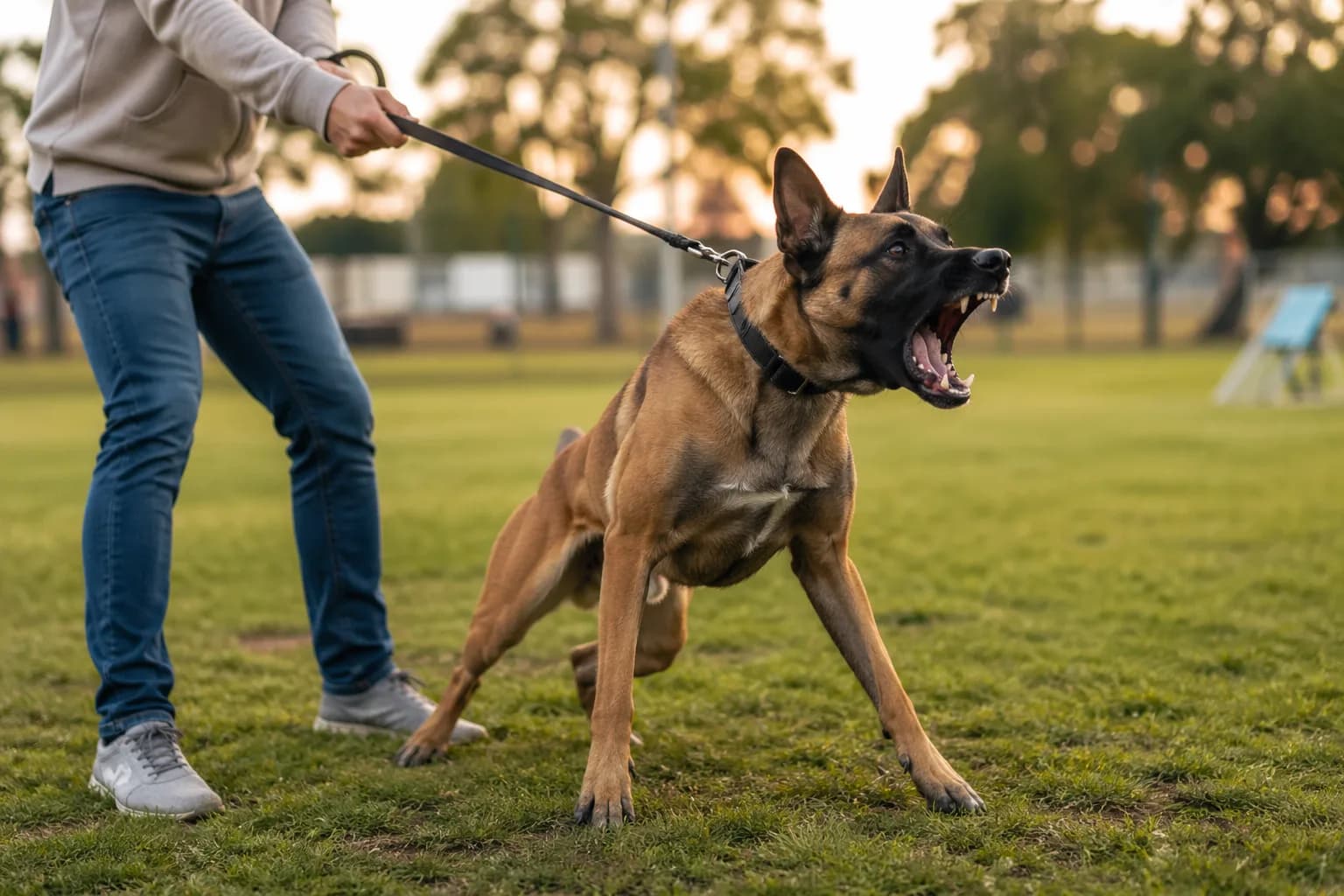
Resource guarding is one of the most misunderstood behaviours in a dog's repertoire. It is routinely mis-labelled as dominance, routinely treated with the exact methods that make it worse, and routinely dismissed as a quirk ("he's always been funny about his food") until it causes a bite. It is also, when read properly, one of the most reliably resolvable behaviour issues — provided the household stops doing the things that are feeding it.
This is the honest guide to what resource guarding actually is, why it almost never means what owners think it means, the specific actions that escalate it from a growl into a serious case, and the leadership-based approach that resolves it without force, without food trades, and without the "trade up" training that masks the issue without fixing it.
What resource guarding actually is
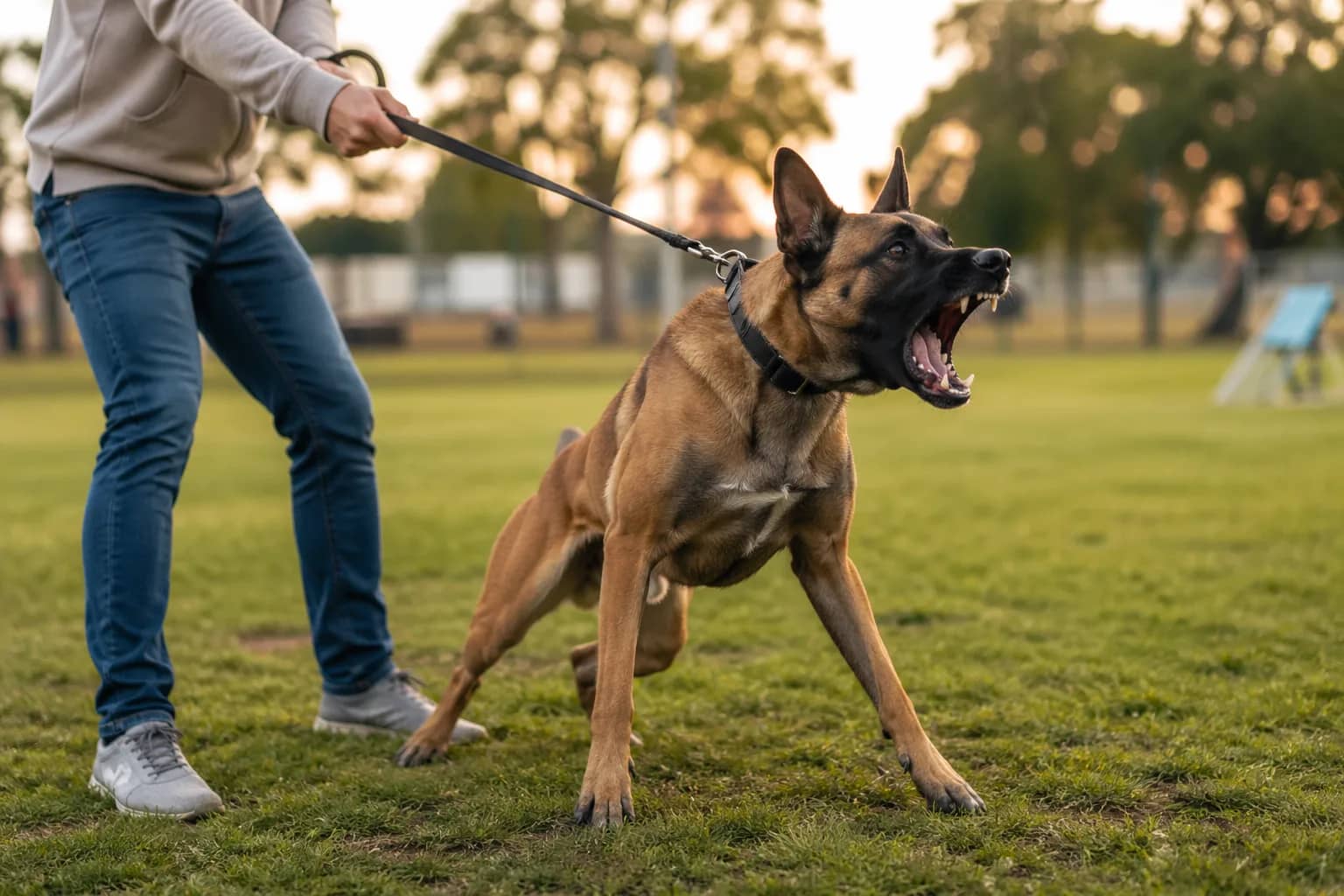
A resource-guarding dog protects something it values — food, a chew, a toy, a bed, a particular couch spot, a person — by displaying increasing degrees of threat as another dog or human approaches. The displays escalate in a predictable sequence: stillness and freeze, hard eye, lip curl, low growl, snap, bite. Dogs almost always warn first; the exception is a dog whose warnings have been trained out by punishment, which is why "balanced" training produces the "no-warning bite" pattern so reliably — see why aggressive dog training methods fail for why.
The thing to understand is that resource guarding is not an expression of confidence or dominance. It is an expression of insecurity. The dog is saying: "I don't trust that this resource will still be mine in a minute. I will defend it, because if I don't, it will be taken." That is not the thinking of a dog who feels safe in its household. It is the thinking of a dog whose nervous system is reading the household as unpredictable.
This matters because every intervention that works addresses the underlying insecurity. Every intervention that fails addresses the outward behaviour and leaves the state intact.
The common patterns
Food bowl guarding is the classic. The dog stiffens as anyone approaches the bowl, growls if they get within a certain radius, and may snap if a hand enters the field. Often shows up at eight to ten weeks when a puppy learns that food can be taken away, and consolidates in the first six months.
Chew and bone guarding is a more intense version. High-value chews — bully sticks, raw bones, pigs' ears — produce stronger guarding than kibble because the dog values them more. Many a bite has come from a child picking up a dropped bone.
Toy guarding varies by breed and temperament. Working-breed dogs with high prey drive often guard tennis balls more intensely than they guard food. The toy becomes a focal point and the dog can't disengage.
Space guarding — a couch, a bed, a particular corner — is often the earliest sign of broader household leadership issues. The dog has claimed territory in the home and defends it. Owners often don't recognise this as guarding because the dog doesn't growl at them specifically; it growls at a partner or a visitor who approaches the dog's spot.
Resource guarding of a person — "my dog growls at my partner when I'm in bed" or "the dog guards my chair when I'm sitting in it" — is the most socially fraught. It usually indicates the dog has decided it has some kind of exclusive claim on one household member, and the leadership structure needs rebalancing across the whole household.
The five mistakes that escalate guarding
Taking the resource away as punishment. The dog has growled; the owner removes the food bowl as a correction. This is probably the single most damaging intervention. The dog has just had its worst fear confirmed — the resource was taken. Next time, the dog will guard harder and earlier, because the warning didn't work and the thing it was afraid of happened anyway.
Reaching into the food bowl while the dog is eating. A popular training suggestion from a decade ago. The thinking was that it would "teach the dog that hands near food means good things". In practice, it teaches the dog that hands near food are a threat that needs to be deterred. Most resource-guarding cases I see have been accidentally created by this intervention.
Trading up with high-value treats. The dog has a bone; the owner offers a piece of chicken to swap. The dog takes the chicken and gives up the bone. This looks like success. In reality, the owner has taught the dog that growling at a human produces a high-value food reward — which is exactly the wrong lesson. Trade-up methods are a short-term workaround that reliably creates worse guarding over months.
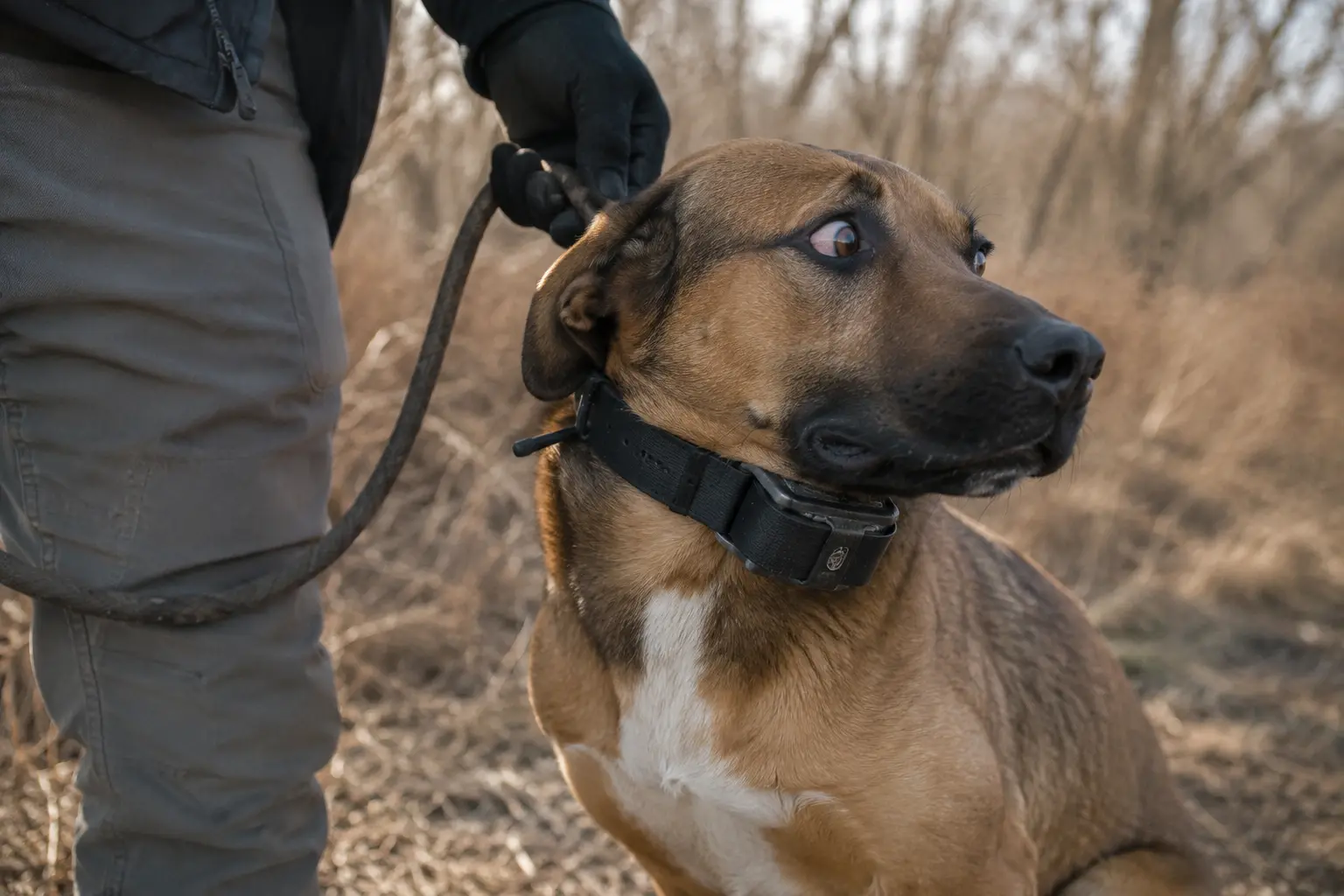
Alpha-rolling or physical correction for a growl. The dog has growled over a bone; the owner pins or physically corrects. The dog learns that growling brings pain. The dog stops growling. The next time, the dog goes straight to the snap, with no warning. This is the mechanism by which aversive training creates no-warning bites. See how to rehabilitate a dog after aversive training if your dog has been through this and the pattern now feels worse.
Children allowed to approach the dog while eating or chewing. The highest-risk combination in any household. Children are at face-height, move unpredictably, and don't read warning signals. The responsibility is on the adults to prevent proximity, every single time, until the household work is done.
What actually fixes resource guarding
The thinking has to flip. Resource guarding is not a "stop the growl" problem. It is a "lower the dog's baseline insecurity" problem. The dog needs to experience the household as a place where resources are abundant, reliable, and never threatened. Once the dog believes that, the guarding stops needing to happen.
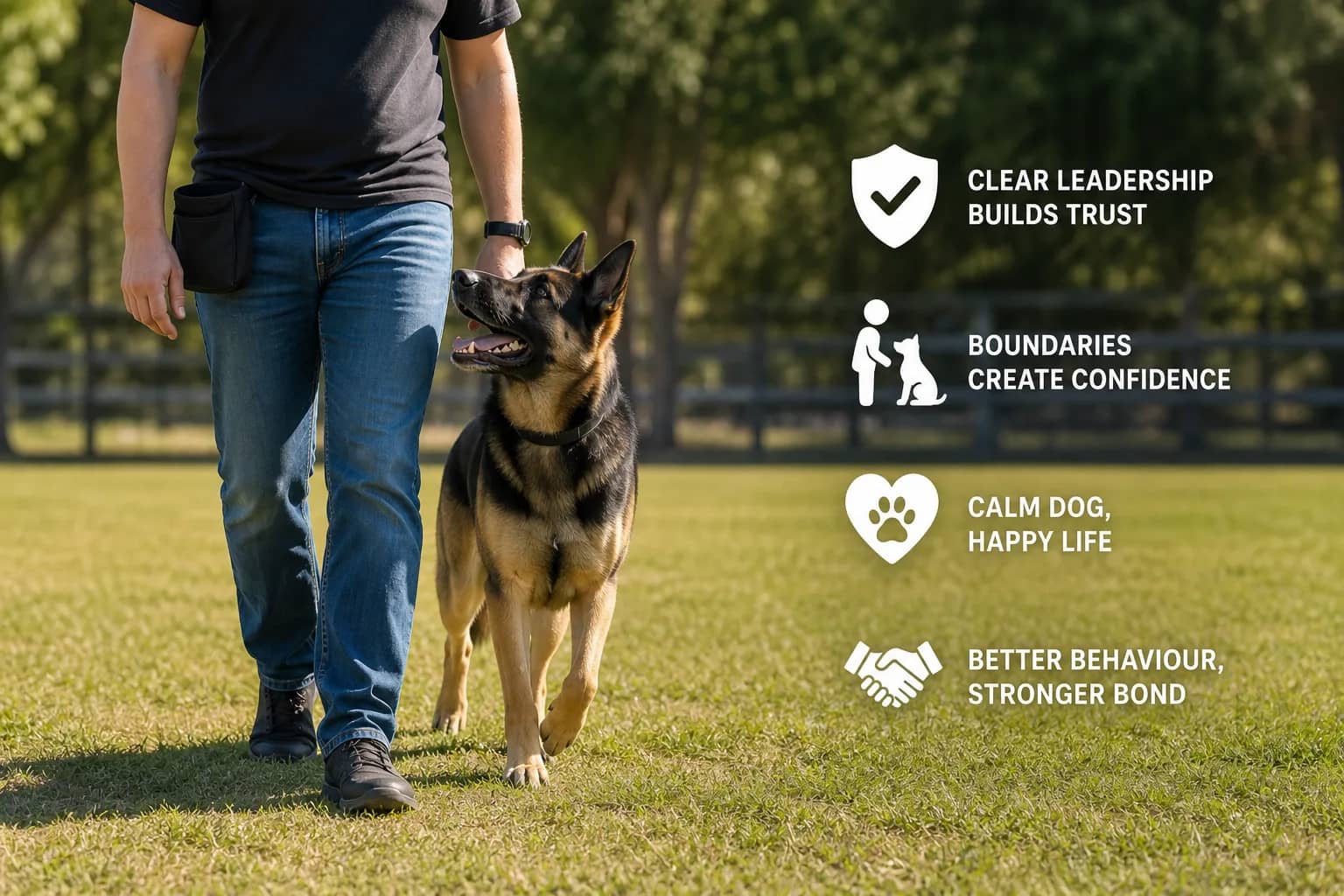
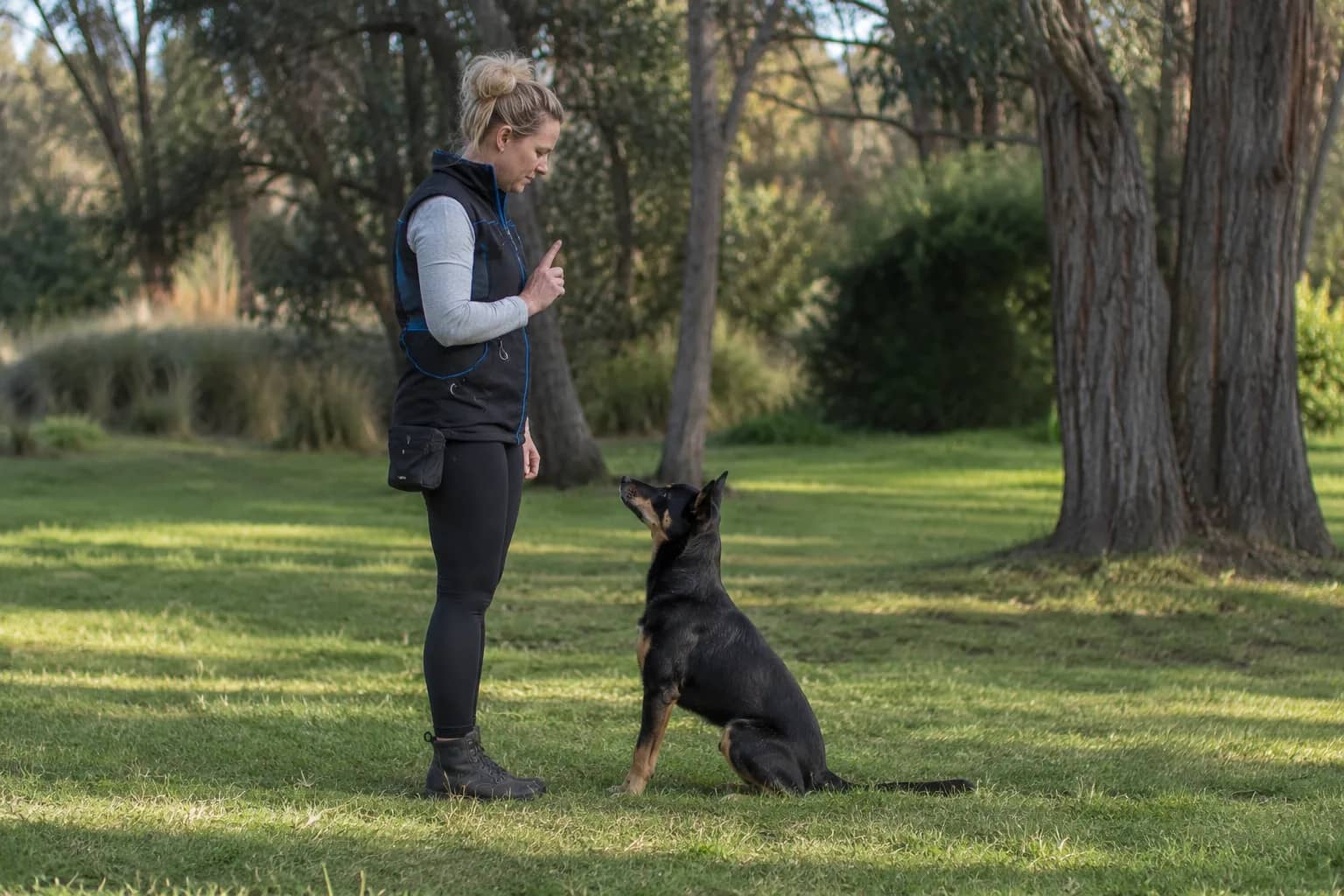
Household leadership comes first. The dog that is deciding what's its, where it eats, when it eats, who approaches, and whose chair is whose, is a dog running household decisions it isn't equipped to make. The leadership reset — who moves through doors first, where meals are prepared, where the dog is allowed to settle, how greetings are handled — lowers the overall insecurity before any specific food-bowl work happens. Most resource guarding softens materially inside the first week of a leadership reset, before anything food-specific has been addressed.
Predictable, abundant feeding routines. The dog is fed at the same times, in the same place, in the same way, every single day. No surprises. No bowl grabbed away. No testing by reaching in. The dog learns that meals arrive and are completed without interference. Over two to three weeks, most food-bowl guarding reduces to nothing, because the fear has been disconfirmed by consistent reality.
Space management for the high-value items. Bones, pigs' ears and anything the dog values most highly are given in a dedicated space — a crate, a laundry, a defined mat — where no household member interferes until the dog is finished. The dog learns that these items don't need to be defended, because they aren't threatened.
Children and dogs separated at meal and chew times. Not forever — but until the household work has resolved the guarding and the dog has been assessed as safe. This is a safety protocol, not a training step. It stays in place until the behaviourist clears it.
Never punish a growl. The growl is the dog's attempt to communicate. Punishing it removes the dog's warning system without changing the fear underneath. Thank the growl. Acknowledge it. Address the cause. Rebuild the warning system.
When to call a behaviourist
If any of the following are present, this is not a case to work with YouTube videos. It needs professional eyes:
- Any resource guarding directed at a child, no matter how mild
- Any growling that escalates despite consistent household work
- Any snap, air-bite or contact bite over a resource
- Any guarding directed at a partner or housemate (relationship implications)
- Any case where the dog's guarding is escalating in frequency or intensity
- Any dog with a bite history and a new resource-guarding presentation
These are not cases to delay on. Heart of the Pack prioritises bite-risk cases above the normal waitlist.
The long view
Dogs that have been through a proper leadership reset and consistent household work are reliably not resource guarders inside three to six weeks. Dogs that have been through aversive correction for guarding often take longer, because the suppressed-warning pattern needs to be rebuilt before the real behaviour work can happen. Either way, the vast majority of cases resolve — and the dog that comes out the other side is not a suppressed, braced version of its old self. It's a dog that has stopped needing to guard, because its world has become one where guarding isn't necessary.
If you suspect resource guarding is forming in your dog, don't wait. The patterns consolidate quickly in the first few weeks, and are much easier to resolve while the dog is still learning them than after they've been practised for months.
Start with the Free Dog Behaviour Test to confirm whether you're seeing resource guarding or another pattern that looks similar. For in-home consultations across the Iron Triangle, Mid North, Clare Valley, Yorke Peninsula and Eyre Peninsula, or online coaching further afield, get in touch directly.
Not sure where to start with your dog?
Take the Free Dog Behaviour Test.
Two minutes. You’ll find out exactly what’s driving your dog’s behaviour — and what to do next.
Frequently asked questions
Written by
Pauline Cowey
Accredited Dog Behaviourist, Communicator, Owner Educator and Trainer based at Crystal Brook, South Australia. Decades of hands-on work resolving aggression, reactivity, anxiety and obedience cases across regional SA — through ethical, leadership-based methods.
Read Pauline’s full story →