How Long Dog Training Actually Takes — Puppy, Adult, and Reactive Cases

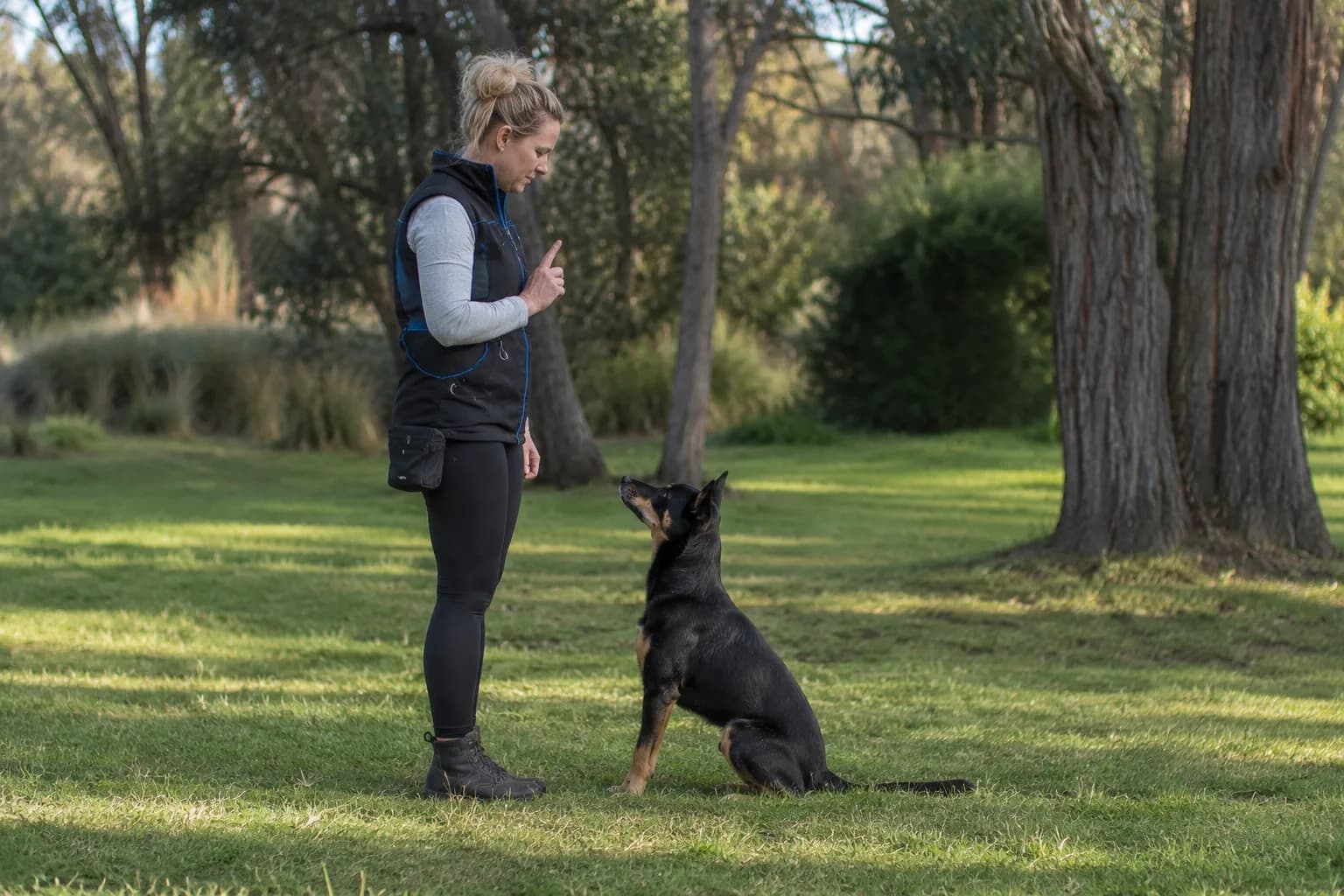
"How long does dog training take?" is the question I get asked before almost every consultation is booked. The honest answer is: it depends on what you mean by training, what you mean by "done," and what the household is willing to hold consistent. But the ranges are more predictable than most people expect once the actual variables are named.
This piece covers realistic timelines for common goals, what speeds training up, what slows it down, and why "not making progress" at week three is almost always normal rather than a failure of the plan.
The short version
Foundation obedience for a puppy takes about six to twelve weeks of consistent household work; loose-lead walking and reliable recall take three to six months of practice under increasing distraction; genuine behaviour cases (aggression, reactivity, severe anxiety) take three to six months of household intervention with a behaviourist. The single biggest variable is not the dog and not the trainer — it is how consistently the household applies the plan across seven days a week. Consistency beats intensity every time.
Why "how long" is the wrong question first
The question owners are actually asking when they ask "how long does training take" is usually one of two questions in disguise. Either "when can I stop working at this and just live with the dog" — which is a household-management question, not a training timeline. Or "how long before the specific problem I'm worried about goes away" — which depends on what the problem actually is.
Foundation obedience for an emotionally healthy dog with an emotionally healthy household is a training project with a predictable timeline. Behaviour rehabilitation for a dog whose emotional state is producing the behaviour is a different kind of work, with a different timeline, and a different professional. Getting these two categories mixed up is the fastest way to end up frustrated with either the trainer, the behaviourist, or the dog.
Realistic timelines for common goals
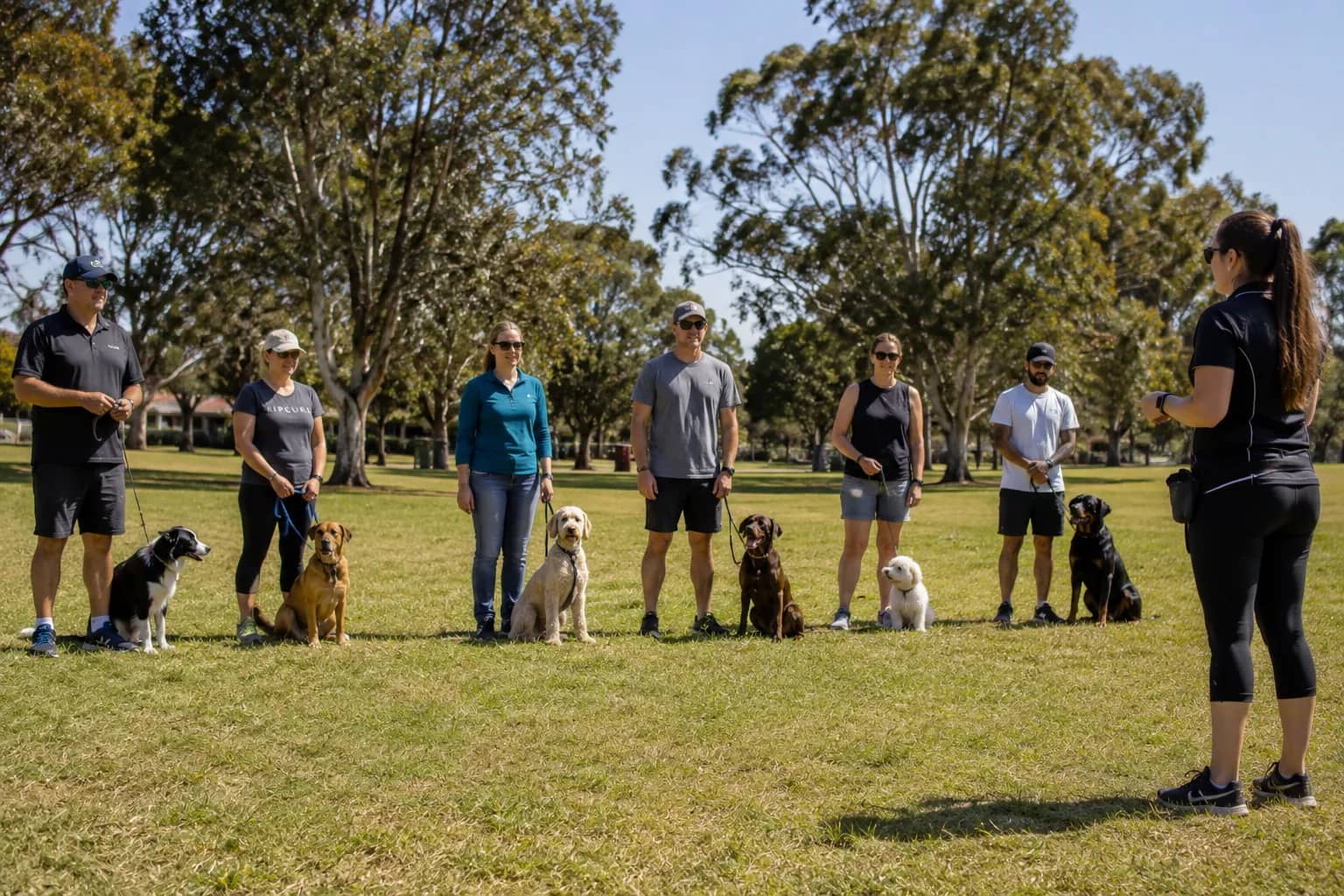
Puppy foundation obedience. Six to twelve weeks. Basic sit, drop, stay, come, name response, wait at doors, house-training and lead manners for a puppy under 16 weeks. This assumes daily short training sessions (five to ten minutes, three times a day), a household that is on the same page, and a puppy who is developmentally normal. Working-breed puppies sometimes lock in the skills faster than family-companion breeds; the difference is not huge.
Reliable loose-lead walking. Three to six months. Not six sessions, not six weeks. The reason loose-lead walking takes this long is that the dog has to unlearn the pull pattern in every environment it has practised the pull, and re-learn the loose-lead pattern in each new environment separately. A dog can walk beautifully at home, adequately at the park, and terribly at the foreshore, all in the same week — because loose-lead walking is environment-dependent until it is fully proofed.
Reliable off-lead recall. Three to six months for average cases, longer for working breeds and rescue dogs. Recall built in low-arousal environments comes fast. Recall proofed under distraction — kangaroos, other dogs, wildlife, kids, moving cars, food — takes months of graduated exposure. Most owners underestimate how long the proofing phase takes because the low-arousal recall goes so smoothly that they assume the job is done.
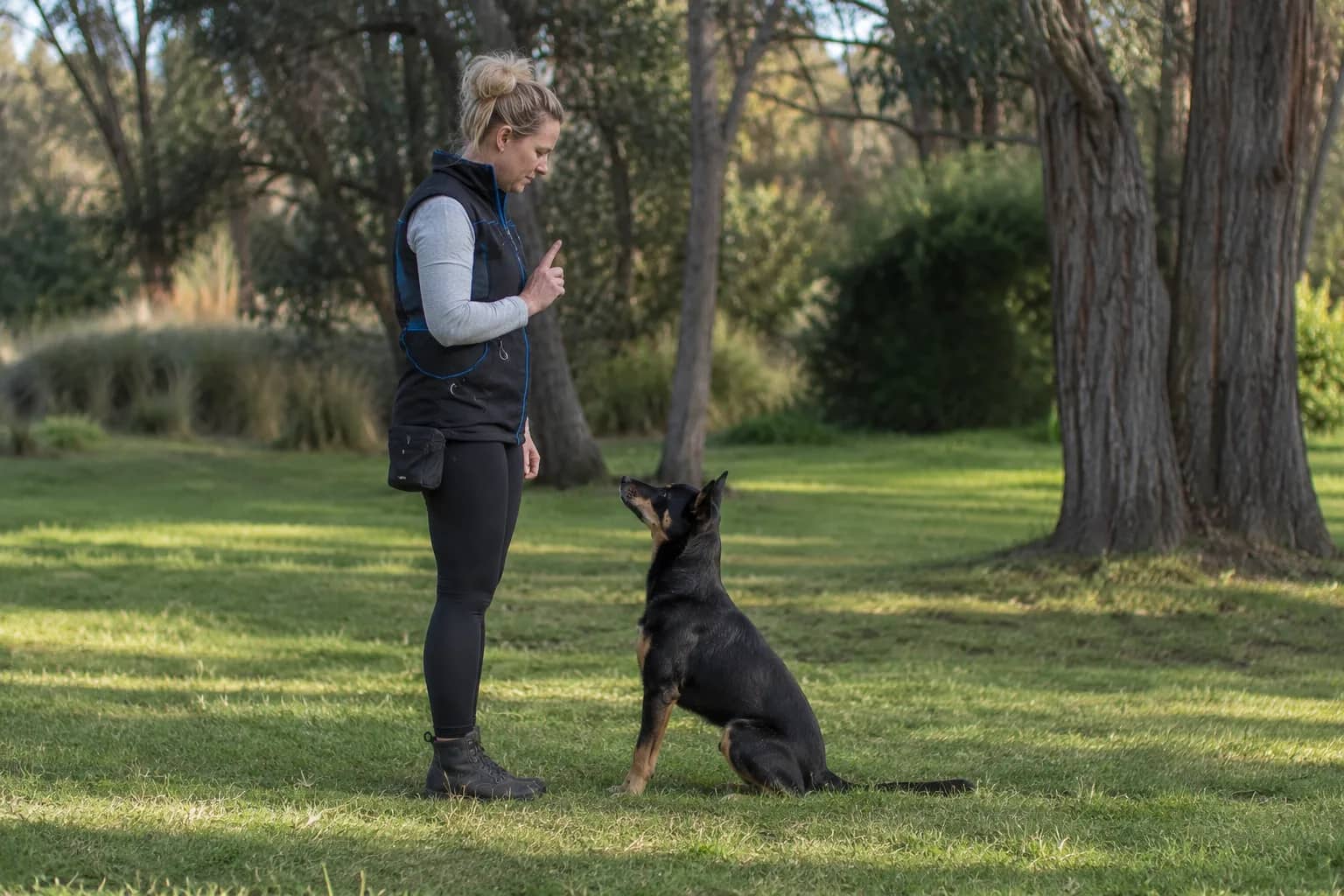
Basic obedience for an adult dog. Two to eight weeks depending on the dog's history. Adult dogs pick up new skills fast when the household leadership pattern is clear. The variable is not the dog's age — it is whether the household is signalling "please" or "we are asking you to do this."
Adolescent working-breed obedience reset. Six to twelve weeks. When a working-breed adolescent (10 to 14 months) has "stopped listening" despite good puppy training, the reset is fast if the household changes what it needs to change and slow if it doesn't. The variable is almost always the humans.
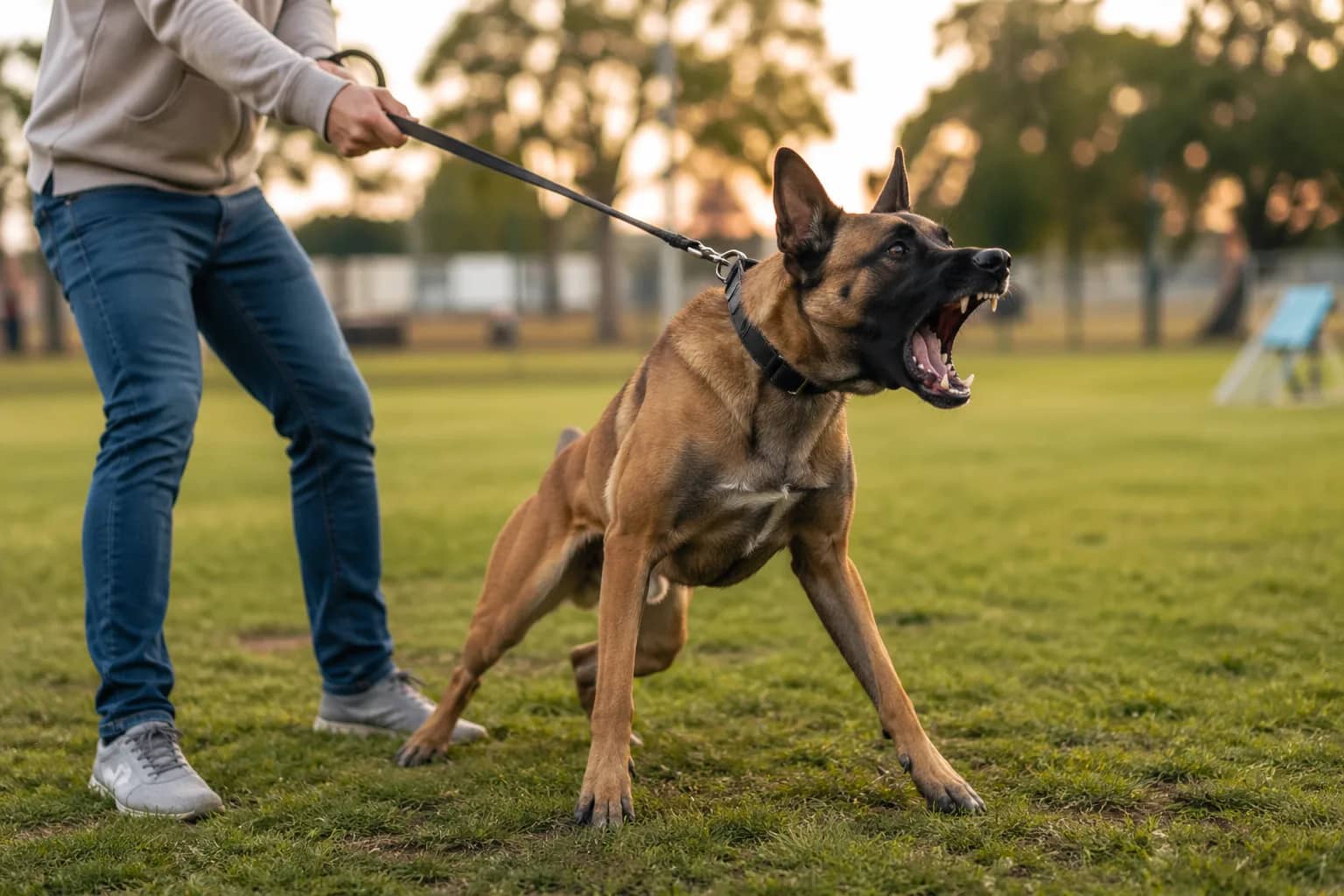
Genuine behaviour case (aggression, reactivity, anxiety). Three to six months for most cases, with some resolving in a month and a small subset taking longer. Behaviour work is not on a training timeline — it moves at the pace the dog's emotional state can regulate, which is slower than skills-based training. The longer piece on separation anxiety timelines and the aggression rehabilitation piece both discuss why.
What speeds training up
Five variables shorten timelines predictably.
Household consistency. Every household member applying the same rules the same way, day one and day fifty. This is the single biggest accelerator across every training category. A dog whose household is on the same page learns twice as fast as a dog whose household is not.
Short, frequent sessions. Five to ten minutes, three times a day, beats a single 45-minute session on Sunday. Dogs consolidate learning through repetition across contexts, not through duration in a single session.
Real-world practice. Training the sit in the kitchen is the easy half. Practising it at the door when someone arrives, at the park before the lead comes off, at the vet clinic, and beside the dinner table is where the sit actually becomes reliable.
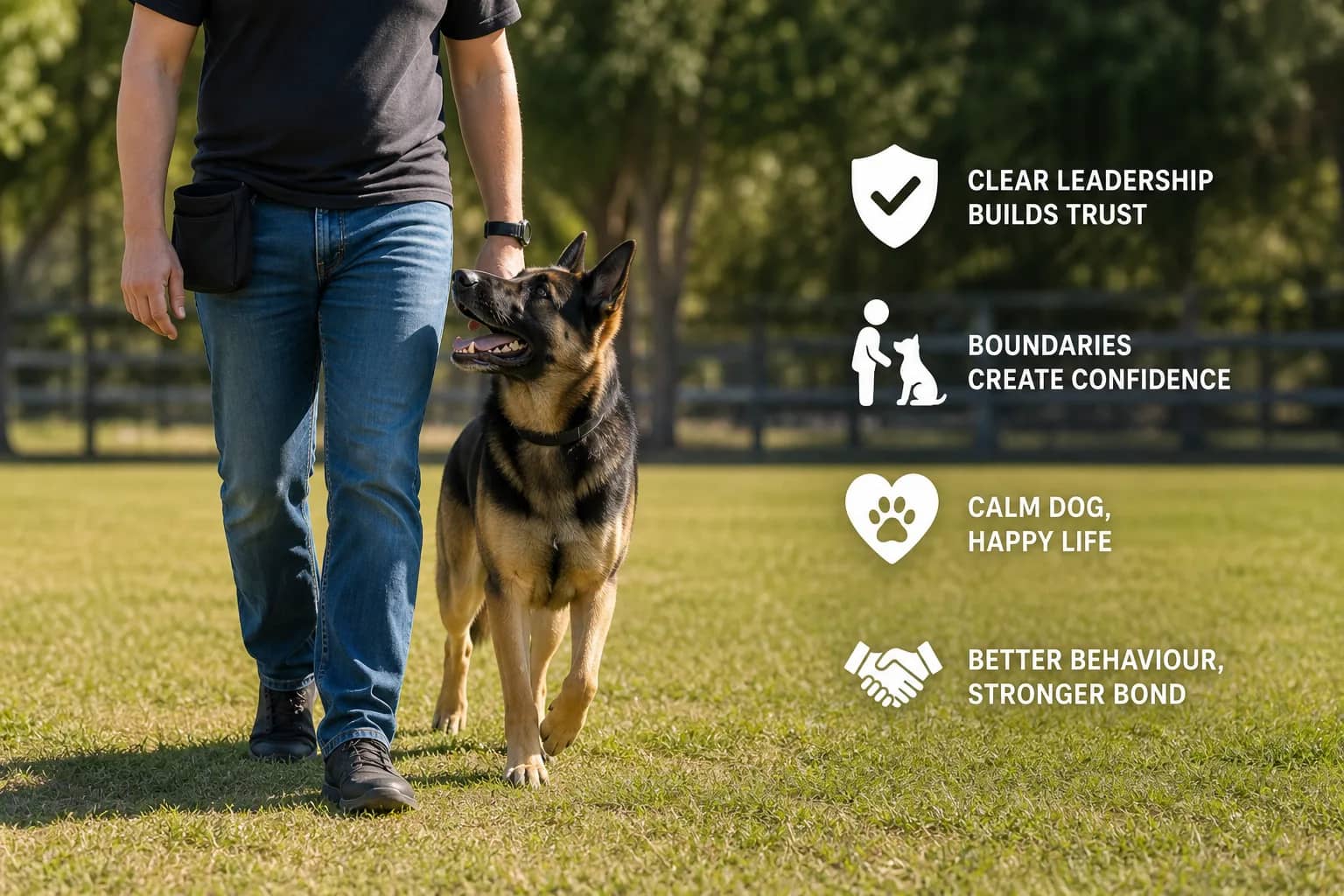
Clear leadership at home. Almost every skill lands faster when the household leadership pattern is clear. Dogs that see calm, unrushed authority day-to-day take on training work as an extension of the pattern, not as a separate context to negotiate.
Working breed genetics with breed-appropriate outlets. Kelpies, heelers, working-line Labradors and shepherds learn fast when the training is built for their breed. The same dogs stall when the training is treat-heavy or when the breed's genuine need for structured work is not being met.
What slows training down
Five variables extend timelines predictably.
Inconsistent household rules. The couch is allowed on Monday, forbidden on Thursday, allowed again on Sunday. The dog cannot learn a rule that is not a rule. This one is the most common cause of "training isn't working."
Long sessions with too much repetition. Twenty minutes of drilling sit produces a tired, disengaged dog. Five sessions of two minutes across a day produces a dog who volunteers the sit. Trainers that recommend long single sessions are working on trainer time, not dog time.
Practice in only one environment. A dog that only ever practises recall in the yard has learned yard-recall. Recall at the paddock is a different skill that has to be built separately. This is why owners are frequently surprised that "trained" recall fails at the dog park — the dog has never been asked to recall in that environment.
Working through the wrong professional. A behaviour case put through a training program stalls at week four when the emotional state hits the ceiling of what obedience can address. The clock resets when the household switches to a behaviourist. See the behaviourist vs trainer comparison for how to tell which professional you actually need.
Undiagnosed medical drivers. Pain, hearing loss, cognitive decline, thyroid problems and gastrointestinal issues all reduce a dog's capacity to learn. A dog that seems to be "stubborn" or "regressing" often has a medical answer that a veterinary check would surface.
Consistency beats intensity — always
The single most important sentence in this whole article is the one from the summary: consistency beats intensity every time. Ten minutes of training every day for a fortnight produces more learning than a two-hour session once a week for six weeks. This is not a preference; it is how dog learning actually works.
The households that get frustrated with the "not making progress" phase almost universally have the same story. They did the training work hard for the first two weeks. Then the school pickup got in the way for three days. Then someone was sick for a week. Then the weekend was busy and the sessions got skipped. Then they wondered why the dog was not further along. The dog is exactly as far along as the actual practice hours account for. If your dog is "not making progress," the honest audit question is how many minutes of consistent practice have actually happened this fortnight — not how frustrated you are that the sit still doesn't hold.
When "not making progress" is actually normal
Three specific windows are misread as failure but are actually normal.
Weeks three to four of any new skill. Most learning is nonlinear. A skill that looks reliable at week two often looks worse at week three as the dog integrates it and starts testing edge cases. This is not regression — it is consolidation. Hold the plan; the skill usually reappears more solid at week five.
The first adolescent fear period (roughly 8 to 14 months). Puppies that were rock-solid on their obedience at eight months sometimes appear to forget it all around ten. They have not forgotten. They are moving through an adolescent phase where the developing brain re-tests the household hierarchy and the environmental map. Hold the pattern; the skills reappear.
The first two weeks after a new environment or life change. A house move, a new baby, a return to work, a change in the household schedule — any of these produces a temporary decline in what the dog seems to remember. It is context re-integration, not memory loss. The skills return once the new context stabilises.
How to think about the total timeline
For a normal puppy from twelve weeks to two years old, the household is doing structured training work regularly for the whole period. The intensity drops after the first six months, but the maintenance work continues. A "trained dog" is not a fixed destination; it is a household that has integrated the training patterns into its normal rhythm.
For a behaviour case (aggression, reactivity, anxiety, resource guarding), the intensive work is three to six months, and the maintenance pattern continues indefinitely — but as a household rhythm, not as a training program.
Owners who expect a fixed endpoint sometimes get frustrated at month four when the dog is "still" needing structure at the door. That is not a failure of training. That is the mature form of the household pattern.
The honest one-sentence version
For most emotionally healthy dogs, expect six to twelve weeks for foundation obedience, three to six months for reliable loose-lead and recall, and ongoing household leadership as the maintenance pattern; for genuine behaviour cases, expect three to six months of household intervention with the right professional, and expect the household pattern to become permanent rather than temporary.
If you would like a specific timeline estimate for your case, contact me directly or take the Free Behaviour Test — the test will point you at whether your case is a training case, a behaviour case, or a mix, which is the first variable in the timeline conversation.
Not sure where to start with your dog?
Take the Free Dog Behaviour Test.
Two minutes. You’ll find out exactly what’s driving your dog’s behaviour — and what to do next.
Frequently asked questions
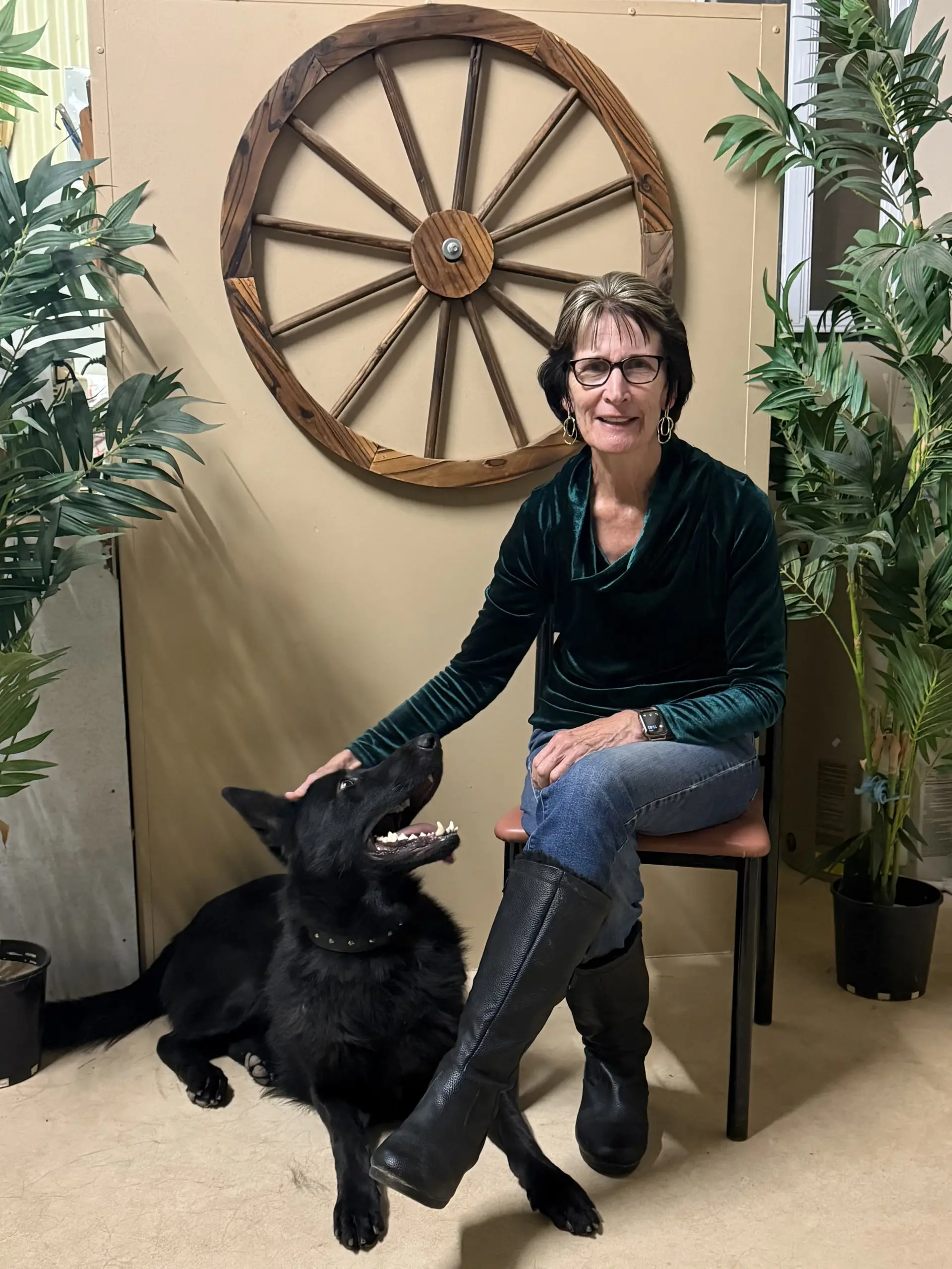
Written by
Pauline Cowey
Accredited Dog Behaviourist, Communicator, Owner Educator and Trainer based at Crystal Brook, South Australia. Decades of hands-on work resolving aggression, reactivity, anxiety and obedience cases across regional SA — through ethical, leadership-based methods.
Read Pauline’s full story →