The Signs You Need a Behaviourist — Not Another Trainer

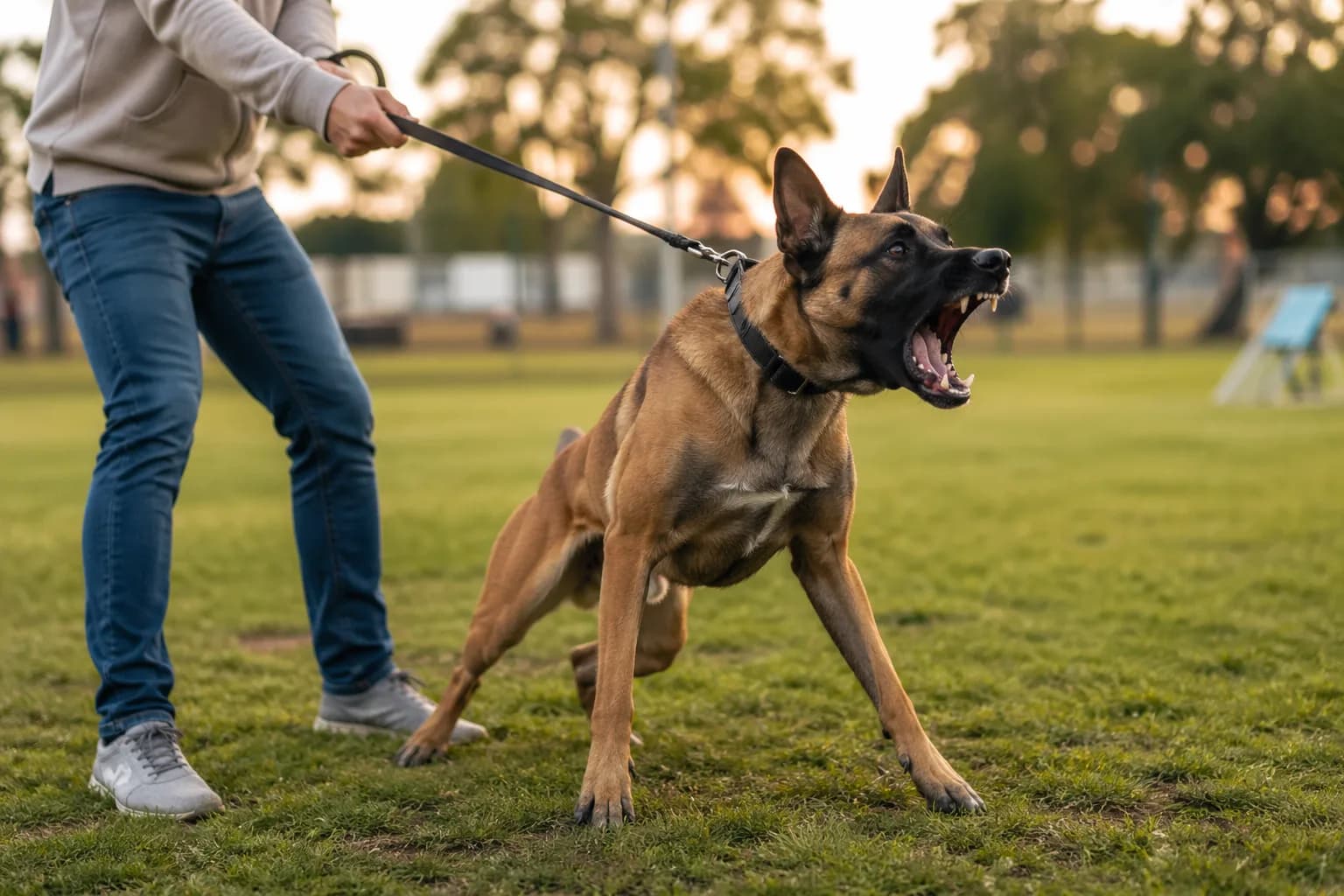
Not every dog problem needs a behaviourist. Some cases are training gaps that a competent trainer can close in a fortnight. Some are household-management questions that resolve with a conversation. But there is a category of case where a trainer is the wrong professional — and the households that book a behaviourist late in that category almost always wish they had booked earlier.
This piece is the honest guide to the signs. Book NOW, book SOON, book LATER, and don't book a behaviourist at all — which of the four is your dog actually in.
The short version
Book a dog behaviourist when the behaviour you are seeing is driven by an emotional state — fear, anxiety, aggression, arousal, insecurity — rather than by a missing skill. If your dog is genuinely in the wrong state to learn what a trainer would try to teach it, adding more training makes the pattern worse. That is the boundary between the two professions. If you are seeing aggression, reactivity, severe anxiety, resource guarding, or any bite history, you are in behaviourist territory.
Book a behaviourist NOW — five triggers
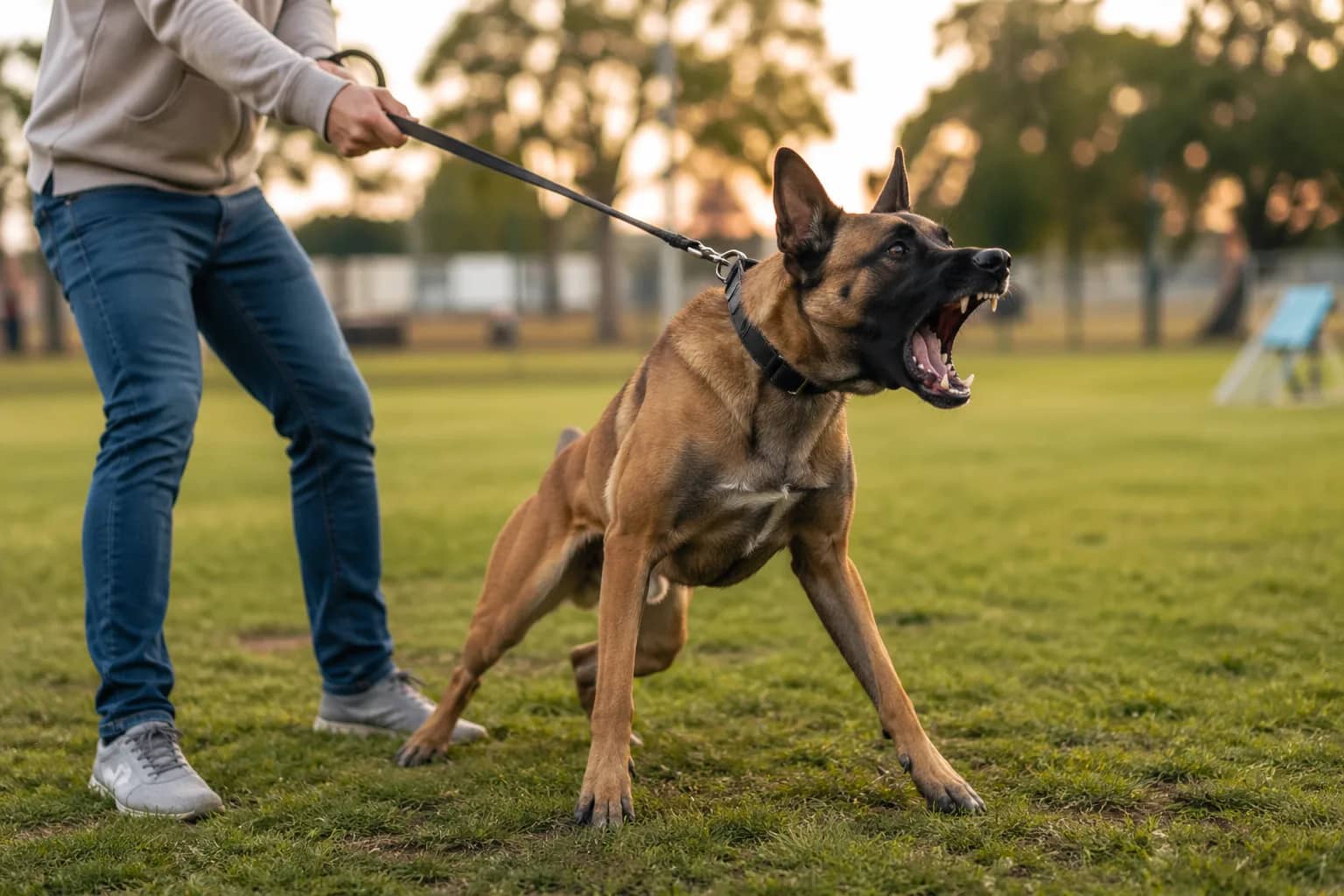
1. Any bite history — even one. A dog that has bitten a person, another dog, or itself is a behaviour case by definition. It is also a liability case: the household has a moral and often legal obligation to intervene. Even a single bite that "didn't break skin" or "wasn't really a bite" belongs in this category. Book within days, not weeks.
2. Aggression toward a household member. Growling, snapping or lunging at someone the dog lives with is a specific kind of behaviour case. The household risk is high, and the pattern rehearses fast — every incident that goes without intervention teaches the dog that the response worked. Book immediately.
3. Aggression toward a child. Same category as above, escalated. There is no dog-training version of this that is safe to try on your own or that is appropriate for a trainer without behaviour-specific accreditation. Book directly and disclose upfront that a child is involved.
4. A dog that has stopped feeling safe to walk. Escalating on-lead reactivity that has crossed the threshold where the walk itself has become dangerous or unmanageable is a behaviour case. Once the household is dodging streets, changing walking times, and cancelling social contact because of the dog, the pattern is entrenched and needs an intervention beyond the normal walk-training approach.
5. A dog that a rescue, breeder or veterinarian has flagged as needing behaviour work. Rescue organisations and vets do not lightly send owners to a behaviourist. If either has recommended it, take the recommendation seriously and book promptly.
Book a behaviourist SOON — five warning signs
1. Rehearsed reactivity that isn't improving despite training work. If you have been doing look-at-me, engage-disengage, high-value treats and gradual exposure for eight to twelve weeks and the pattern is unchanged, the case is not a training case. The state underneath has to shift; more of the training program will not shift it.
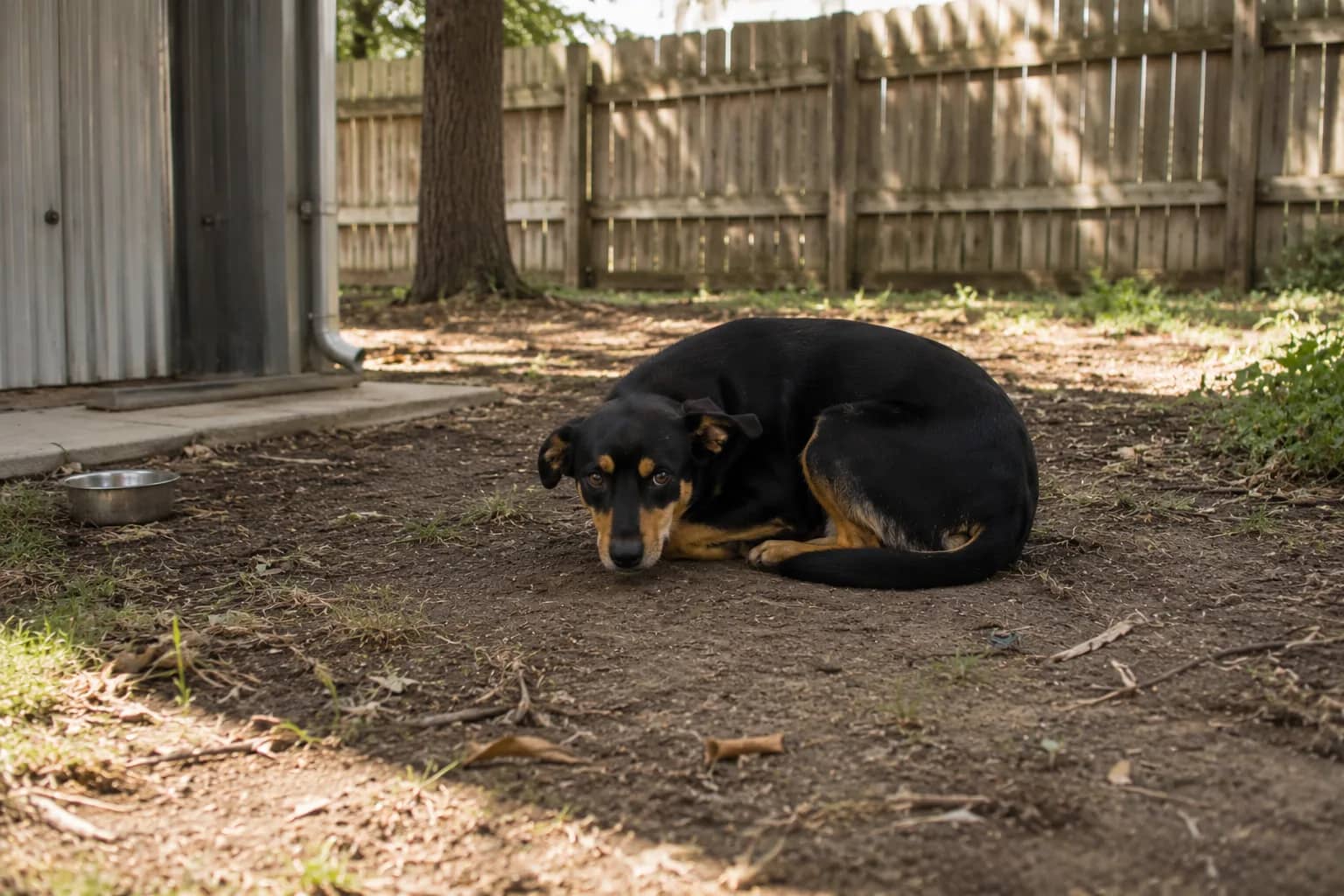
2. Separation anxiety in any form. Separation anxiety is a clinical anxiety case, not a training case. It rarely resolves on its own, and the pattern deepens with rehearsal. The earliest cases resolve fastest — book in the first month of noticing the pattern rather than waiting for the neighbours to complain.
3. Resource guarding — food, toys, resting places, people. Growling or snapping when someone approaches the dog while it has a valued resource is a specific pattern that needs specific work. Most of it is manageable; a small subset is dangerous. A behaviourist reads the difference. Trainer-level advice ("just take the bowl away and give it back") is exactly the intervention that escalates guarding cases into bite cases.
4. Compulsive or ritualised behaviour. Spinning, tail-chasing, over-grooming, obsessive licking, repetitive vocalising or fixation behaviours that the household cannot interrupt are behaviour signals. Some have a medical driver; some are anxiety-based. Book a vet first, then a behaviourist.
5. Sudden behaviour change in a previously stable dog. A dog whose baseline was fine for months or years and has suddenly become fearful, reactive, aggressive, anxious or withdrawn is showing you something. Rule out pain, cognitive decline and thyroid issues with your veterinarian; then book a behaviourist.
Book LATER — cases where you can wait
Some situations are behaviourist-territory but not urgent. Book when it suits the household, not in a panic.
- Adolescent working-breed over-arousal at 10–14 months that isn't dangerous, just hard work
- Recall that has broken down under distraction but the dog is safe on-lead
- A puppy showing the early signs of anxiety that hasn't yet consolidated into a pattern
- A rescue dog whose case is still settling in the first four to six weeks
- A single incident (one bark, one growl, one lunge) that hasn't repeated across contexts
These cases still benefit from a behaviourist consultation; they just don't need to be booked this week. Get on the calendar within a month or two.
Don't book a behaviourist at all — cases where a trainer is right
Some cases are firmly in trainer territory, and booking a behaviourist for them is overkill and expensive. Book a trainer if you are seeing:
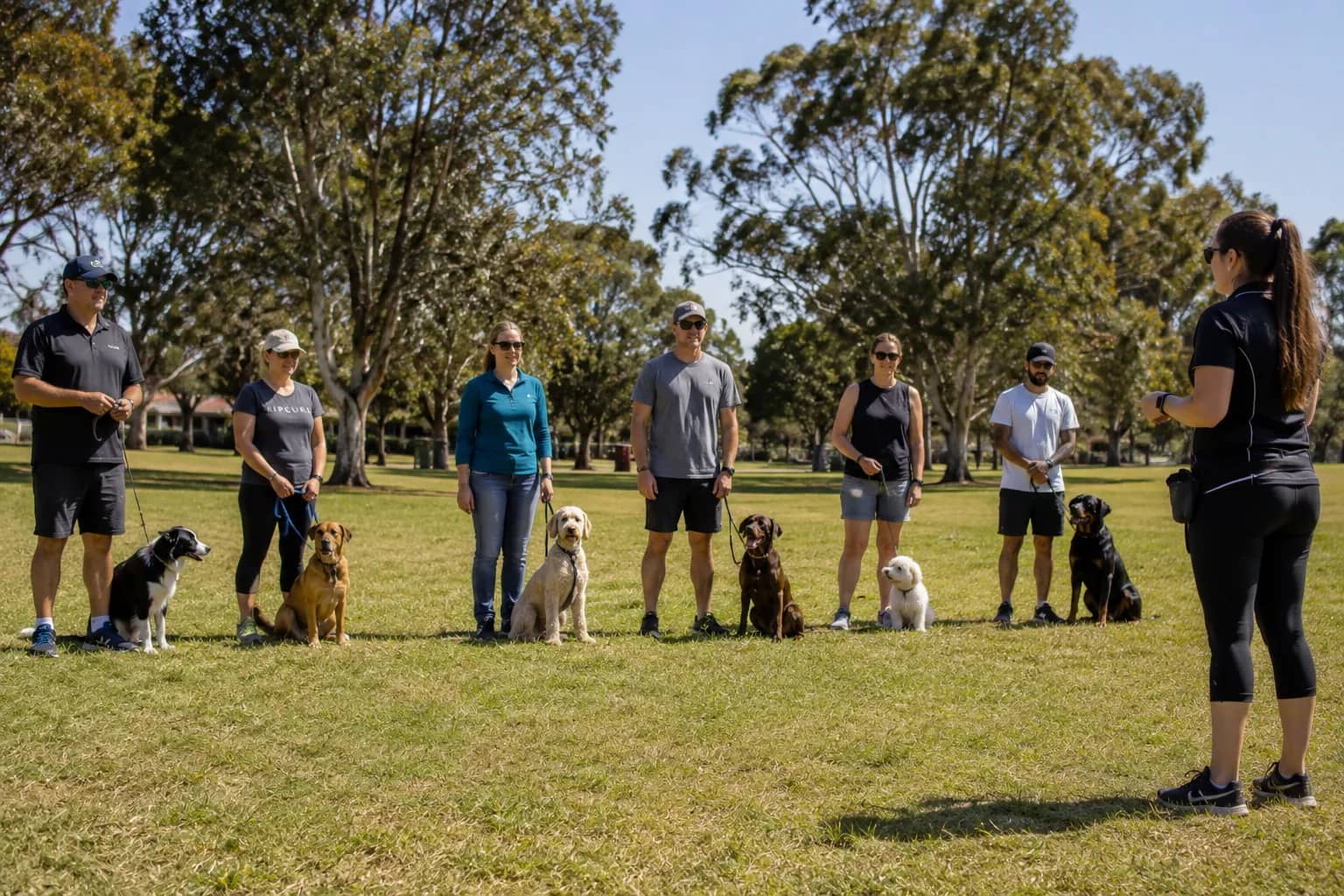
- A puppy learning its basic obedience and needing foundation skills
- An adolescent dog whose sit/drop/stay/recall is patchy but who is emotionally sound
- A specific skill you want to build (loose-lead walking, off-lead reliability, a trick, agility foundation)
- A dog whose problem is being under-trained rather than emotionally challenged
- A household that wants a weekly practise structure and enjoys the class format
If your dog is genuinely happy, healthy and just missing a skill, a competent trainer is the right professional and the fee is lower. Do not upgrade to a behaviourist for training-level problems.
The cost of waiting
I mention timing so often because the timing genuinely matters. A separation anxiety case at week four takes a fraction of the work of the same case at month twelve. An aggression case caught after the first growl is a different animal to an aggression case caught after the third bite. Rehearsed anxiety deepens; rehearsed aggression escalates; rehearsed reactivity generalises.
The pattern I see repeatedly in my caseload is not "the household booked a behaviourist too early" — that has never happened in twenty years. It is "the household booked eight months too late, and the case is now twice as long as it needed to be."
If the case is genuinely a behaviour case, waiting does not resolve it. Waiting is another word for rehearsing the pattern.
What happens when you book
The typical process across accredited Australian behaviourists looks similar. You send an enquiry with a paragraph describing the case, the dog's history, the household situation, and the specific triggers. The behaviourist reads it and either books a consultation directly, sets up a short phone or video pre-call to work out the fit, or refers you to a colleague if the case is outside their scope.
If it is an emergency case — bite, child-safety concern, imminent surrender — a good behaviourist prioritises the booking. If it is a manageable case that can wait, it goes onto the calendar in the normal rotation.
Before the visit you get a preparation note (what to have ready, who needs to be home, the specific things to observe in the week before). The visit itself is three to four hours in-home. Within 48 hours you have a written case plan; over the following weeks and months you execute it, with email support from the behaviourist as questions surface.
That is the shape. The variables are the depth of the case, the household's consistency, and any medical factors that need working alongside your veterinarian.
Four questions to ask yourself before booking anyone
Before you decide between a trainer and a behaviourist, honestly answer four questions. The answers usually make the decision obvious.
1. Is my dog in an emotional state that would stop it learning right now? If the honest answer is yes — the dog is scared, aroused, defensive, anxious, or over threshold when the trigger appears — the case is a behaviour case. No amount of training can be received by a dog whose state is producing the problem.
2. Have I already tried a competent trainer and the case is unchanged? If you have been through six to twelve weeks of good training work and the specific problem you booked for is unchanged, the diagnosis was probably wrong. Behaviour cases put through training programs stall at the point where the emotional ceiling stops the learning. Switching to a behaviourist resets the clock in the right direction.
3. Is anyone in the household starting to feel unsafe around the dog? If the honest answer is yes — a family member is nervous around the dog, a partner has raised the possibility of rehoming, a visitor has said something — the case has crossed the safety line and needs a behaviourist regardless of what the specific behaviour is.
4. Am I trying to fix a specific behaviour, or trying to change how the dog feels about the world? Fixing specific behaviours is training work. Changing how the dog feels about the world is behaviour work. Most owners are trying to do the second while paying for the first.
If you're not sure which category you're in
The single most useful two minutes you can spend before booking anyone is the Free Behaviour Test. At the end of it, you will know whether your case is a training gap, a behaviour case, or a mixed one — and whether the next call should be to a trainer, a behaviourist, your veterinarian, or all three in order.
If you are already sure it is a behaviour case and want to talk through it, contact me directly. Behaviourist-level cases in regional South Australia get a phone conversation before the in-home date is booked, so we can both make sure the visit is set up to succeed.
Not sure where to start with your dog?
Take the Free Dog Behaviour Test.
Two minutes. You’ll find out exactly what’s driving your dog’s behaviour — and what to do next.
Frequently asked questions
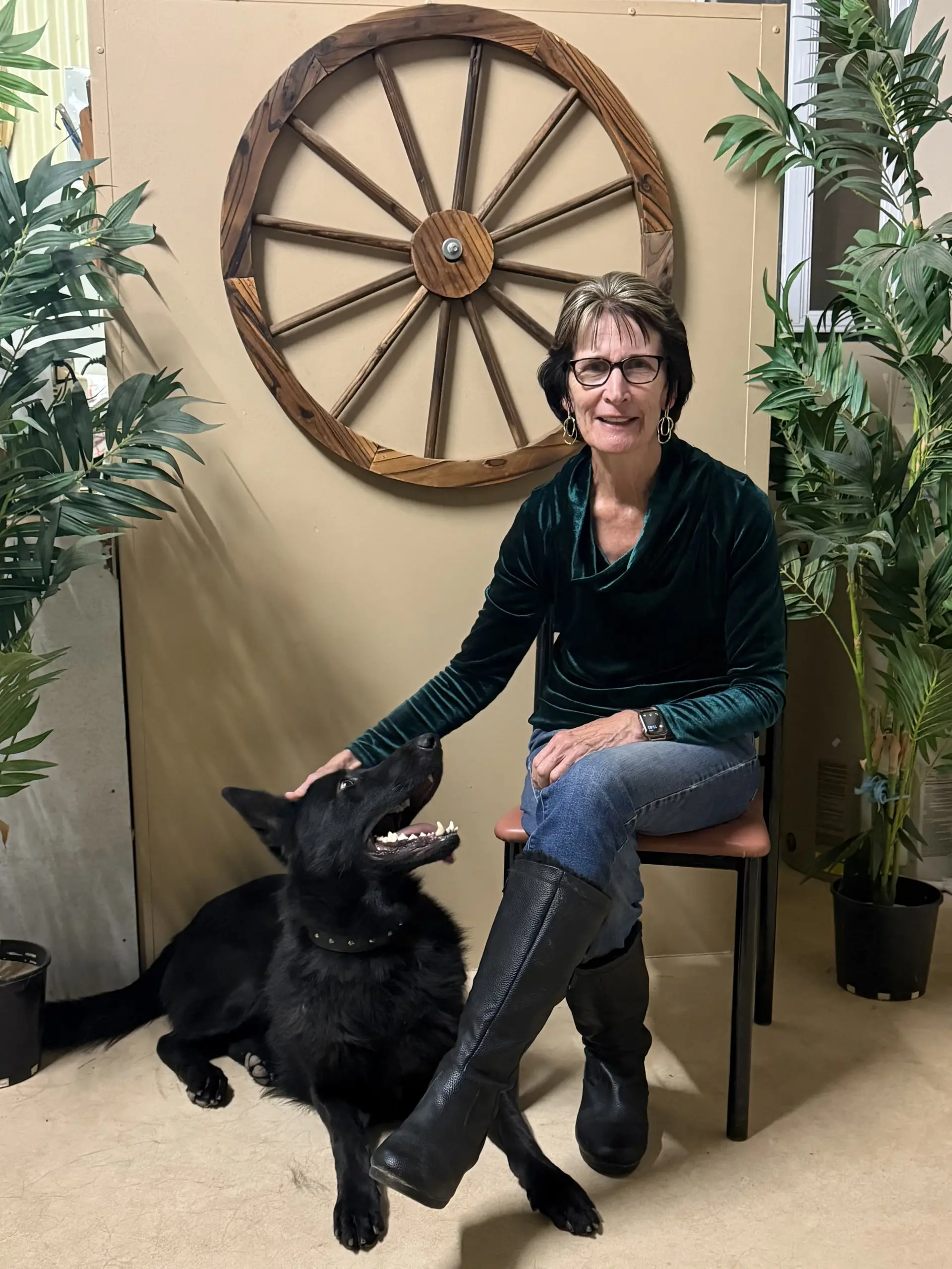
Written by
Pauline Cowey
Accredited Dog Behaviourist, Communicator, Owner Educator and Trainer based at Crystal Brook, South Australia. Decades of hands-on work resolving aggression, reactivity, anxiety and obedience cases across regional SA — through ethical, leadership-based methods.
Read Pauline’s full story →