Beach, Bush & Vineyard: Off-Lead Reliability in Regional South Australia

Reliable off-lead is the regional South Australian dream — and it's achievable for most dogs with patient, ladder-based work. Beaches, vineyards, bush tracks and paddocks each require their own approach. This is how to think about off-lead reliability across the Yorke Peninsula, Eyre Peninsula, Clare Valley and beyond.
If you live in regional SA, off-lead dog life is one of the perks of being here. You're not navigating dog-restricted parks like a metro owner. Beaches that allow off-lead all year. Paddocks that are simply… available. Bush tracks where you can walk a dog for hours and barely meet another soul.
The catch: many regional dogs are let off-lead before they're ready. The mistakes get rehearsed, the recall degrades, and by adolescence the dog is "trained to ignore off-lead." Or — worst case — the dog chases stock once and the legal and emotional consequences are catastrophic.
This is how to enjoy regional off-lead life properly.
What "reliable off-lead" actually means
A dog is off-lead reliable when:
- Recall works the first time under realistic distraction (other dogs, wildlife, food, water)
- Engagement with you stays high even when interesting things are nearby
- The dog stays in the right zone without wandering off to investigate
- You can shut it down quickly if a situation deteriorates
- There is zero stock/wildlife chase risk
If any of these are uncertain, the dog isn't ready. Keep the long line on. The cost of one bad incident is much higher than another month of training.
The three pillars
Pillar 1: Foundational recall
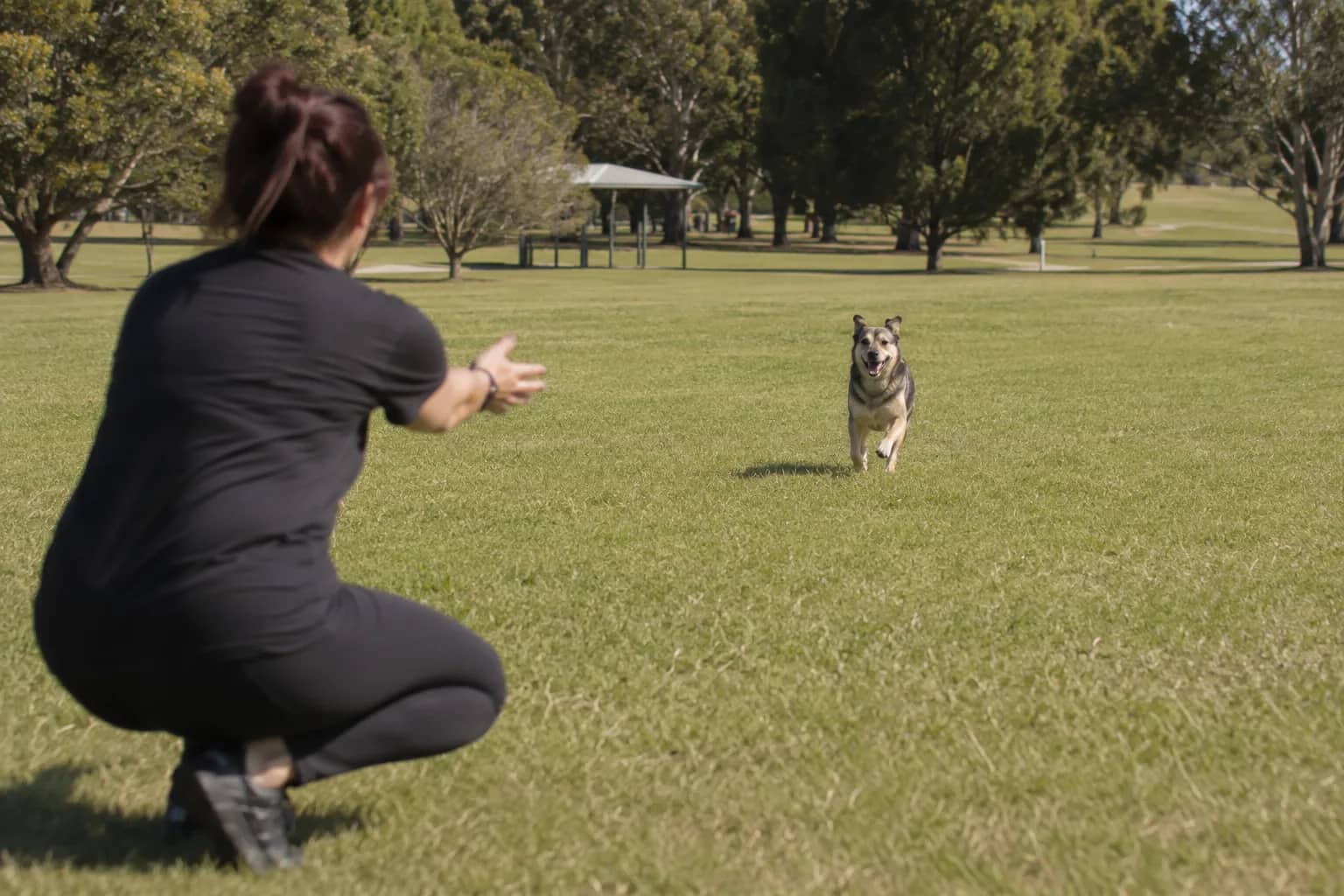
Off-lead reliability is downstream of recall. If recall is patchy in the back yard, it will fail at the beach.
Build it patiently. Long line for weeks before the line ever comes off. No exceptions for "just one quick off-lead" before the work is done.
Pillar 2: Calm leadership
A dog that doesn't defer to you indoors will not defer to you 100 metres away with a kangaroo crossing the track. The relationship has to be set first.
If you find yourself screaming at your dog 100 metres away, the issue isn't distance. It's the relationship at distance zero.
Pillar 3: Environment management
Many "off-lead failures" are environment-selection failures. You took the dog to an environment beyond what it was ready for.
The ladder: empty property → quiet beach off-season → quiet bush track → moderately busy beach → busy environments. Each rung takes weeks.
Region-by-region notes
Yorke Peninsula beaches
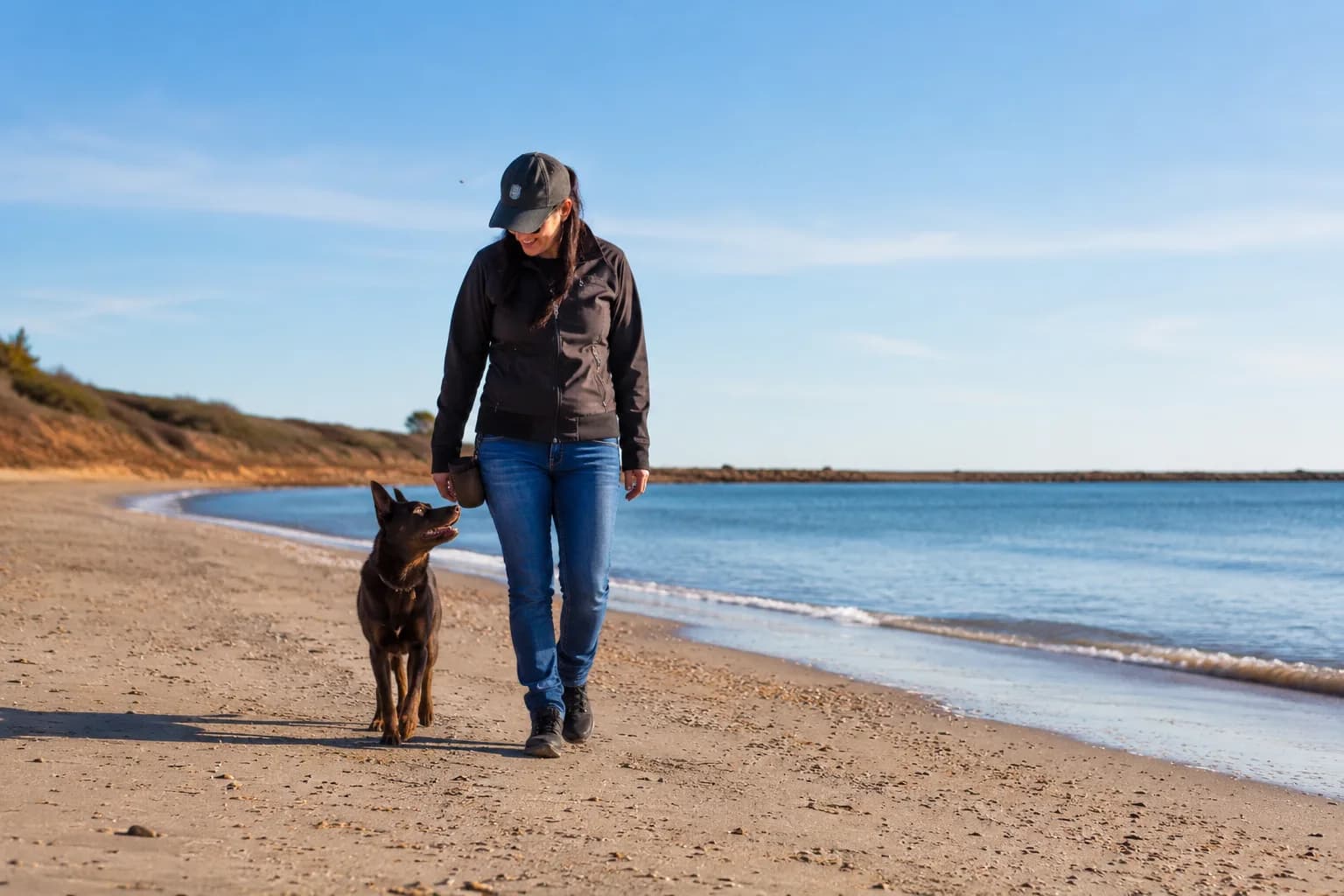
Some of the best off-lead beach country in Australia — and absolutely the most challenging in summer.
December–February: beaches are dog-dense, kid-dense, food-dense. Reliable beach recall in this environment is the standard for "truly trained."
March–November: many beaches are virtually empty. This is when most beach training should happen — building behaviour in low-distraction environments before the summer test.
Watch for:
- Off-lead time and tide limits (check local council rules, e.g. the Yorke Peninsula Council bylaws)
- Penguin and shorebird zones (always on lead)
- Cliff edges (especially around Ardrossan, Edithburgh)
Eyre Peninsula coastline
Often empty enough that off-lead "just works" — until it doesn't. Wildlife is the variable. Snakes, kangaroos, emus, seals. A dog that's never met any of those will chase the first one.
Build wildlife exposure on lead first. Use a long line on beaches with seal populations.
Particular notes for the Eyre Peninsula:
- Many beaches allow off-lead but stock-grazing areas adjoin — confirm boundaries
- Strong winds at coastal areas affect recall (dog literally can't hear you)
- Distance from professional help if something goes wrong — be conservative
Clare Valley vineyards and bush
A growing number of Clare Valley vineyards welcome dogs, and the bush around the valley is excellent off-lead country.
Specific challenges:
- Other dogs at popular cellar doors (your dog needs to be socially calm)
- Resident sheep on many properties (recall must be rock-solid)
- Tourist season crowds (people-tolerance matters)
Mid North paddocks and bush
The most under-rated regional off-lead environment. Quiet, vast, low-distraction. Ideal training territory.
Particular notes:
- Always seek property-owner permission before off-lead on private land
- Many paddocks have stock — even when sheep aren't visible, scent is. Adolescent dogs may bolt after scent.
- Long-line training works exceptionally well here
Iron Triangle towns and surrounds
Port Pirie, Port Augusta and Whyalla have limited true off-lead within town, but excellent off-lead options just outside:
- Port Pirie: the salt flats and surrounds (out of bird-breeding season)
- Port Augusta: bush tracks toward the Flinders
- Whyalla: beaches and conservation areas (check current bylaws)
The chase question
The single biggest risk for regional off-lead dogs is chase — of stock, wildlife, vehicles, bikes.
Prevention rules:
- Never let an adolescent or unproven dog off-lead near stock. Not once. The first chase rehearses the pattern permanently.
- Manage wildlife exposure on lead before any off-lead near it. Kangaroos, emus, echidnas — work the dog past them at distance on lead, calmly, until the dog is bored.
- No off-lead near roads ever, regardless of how quiet they are. Vehicles are not predictable.
- Treat fenced and unfenced differently. A dog that's reliable inside a fenced paddock isn't automatically reliable in an open paddock.
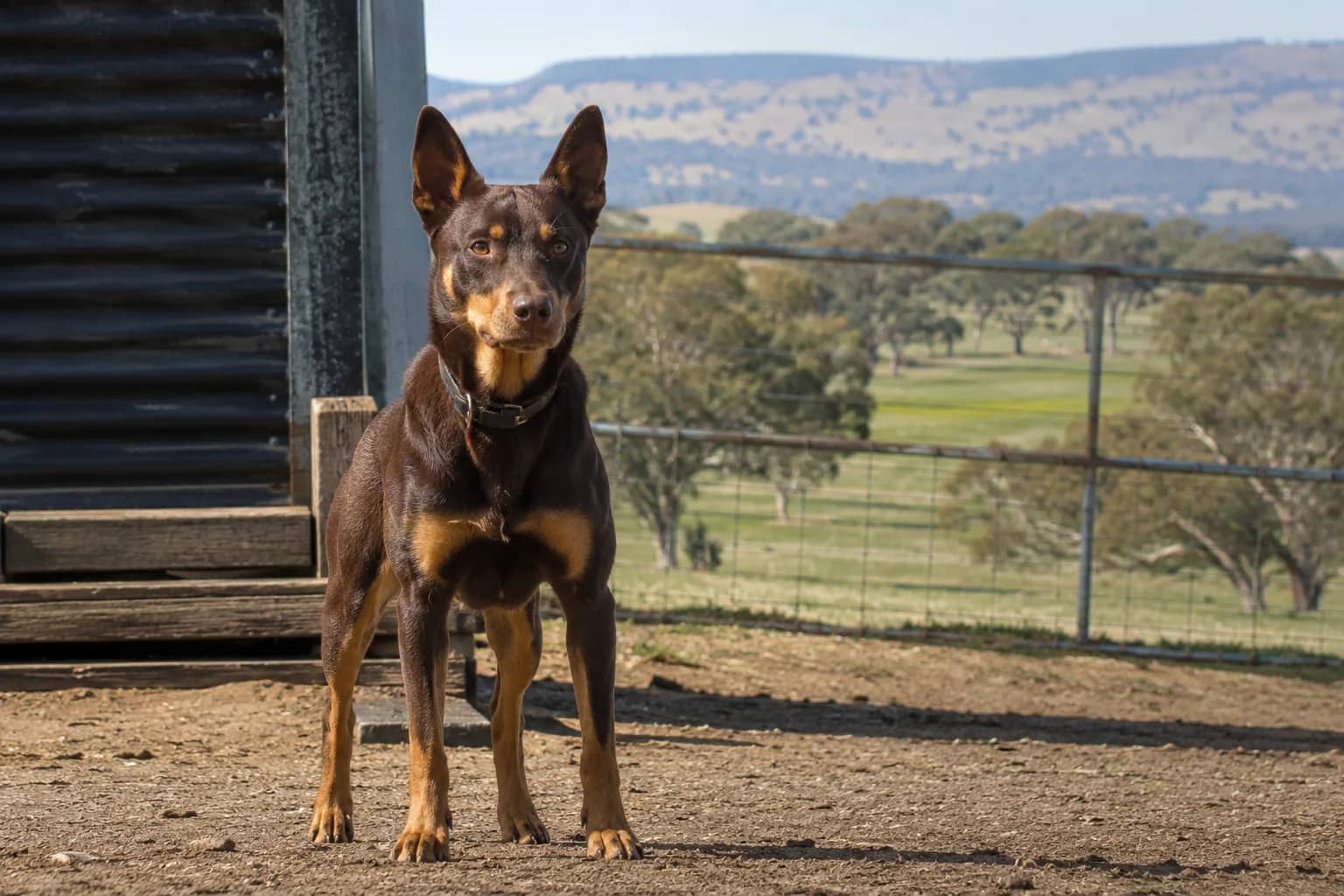
- Working breeds need more management. Kelpies, heelers, BCs and GSDs have wired-in chase patterns. More on working-breed management →
Tools that help
The long line
A 10–15 metre long line is the single most useful piece of off-lead training equipment. It gives the dog freedom to move while keeping you in control. Use it for the entire intermediate phase — possibly months — before the line comes off.
Tip: a biothane long line (rubber-coated webbing) is far easier to handle than rope. Doesn't tangle, doesn't burn, dries easily.
The whistle
Useful for working breeds and distance work. Trains the dog to associate a clear, far-carrying sound with recall. The whistle is a cue, not magic — it still has to be trained.
Treat pouch (used sparingly)
Treats have a place during the initial recall building phase. They are not a permanent solution. By the time the dog is genuinely off-lead reliable, treats are not the primary motivator — your relationship is.
What to do if your dog has a bad incident
Most regional dogs have a bad incident at some point. Took off after a roo. Ignored a recall and got mobbed by another dog. Slipped the lead and disappeared for an hour.
Don't catastrophise. Do reset.
- Stop off-lead immediately. Back to long line, even at familiar locations.
- Diagnose what failed. Recall? Engagement? Environment selection?
- Rebuild the failed piece. Often takes 2–4 weeks of focused work.
- Re-introduce off-lead conservatively. Don't return to the environment where the incident happened until reliability is restored.
If you've had repeated incidents, contact a behaviourist before continuing — you may have leadership or arousal underlying the recall failure.
Where to start
Take the Free Behaviour Test for a clear read on whether your dog is genuinely ready for off-lead work — or whether what looks like a recall problem is actually a leadership issue.
For dedicated recall and obedience work in regional SA, contact Pauline directly. She works across the Yorke Peninsula, Clare Valley, Mid North, Upper Spencer Gulf and Iron Triangle in person, and online for the Eyre Peninsula and beyond.
Regional SA off-lead life is one of the most rewarding aspects of having a dog here. Done patiently, it's where dog ownership really comes alive. Done impatiently, it's where things go wrong fastest. The work is worth doing properly.
Not sure where to start with your dog?
Take the Free Dog Behaviour Test.
Two minutes. You’ll find out exactly what’s driving your dog’s behaviour — and what to do next.
Frequently asked questions
Written by
Pauline Cowey
Accredited Dog Behaviourist, Communicator, Owner Educator and Trainer based at Crystal Brook, South Australia. Decades of hands-on work resolving aggression, reactivity, anxiety and obedience cases across regional SA — through ethical, leadership-based methods.
Read Pauline’s full story →