Mid North Dog Ownership — What I See Across Jamestown, Burra and Peterborough


Mid North living looks like easy dog country. Acreage, open paddocks, the long quiet evenings — most owners who move up here from Adelaide assume the dog will settle into a calmer life by default. Some do. The cases I take on across Jamestown, Burra and Peterborough are the ones that didn't.
The Mid North is the heart of my coverage area. Crystal Brook is my home town and I run consultation days through these three towns most fortnights. The cases I see here have a specific profile — working-breed dogs in lifestyle-block households, livestock-adjacent properties without the recall to match, council-affecting barking complaints on quiet streets where every dog can hear every other dog, and the slow drift of a "we'll work it out" attitude into a real behaviour case at fourteen months.
This post is for owners across the three towns who are at month four, six or twelve of that drift and want to know what the work looks like before they call.
The shared Mid North dog profile
Three things are true across this region in a way that they aren't across most of regional SA.
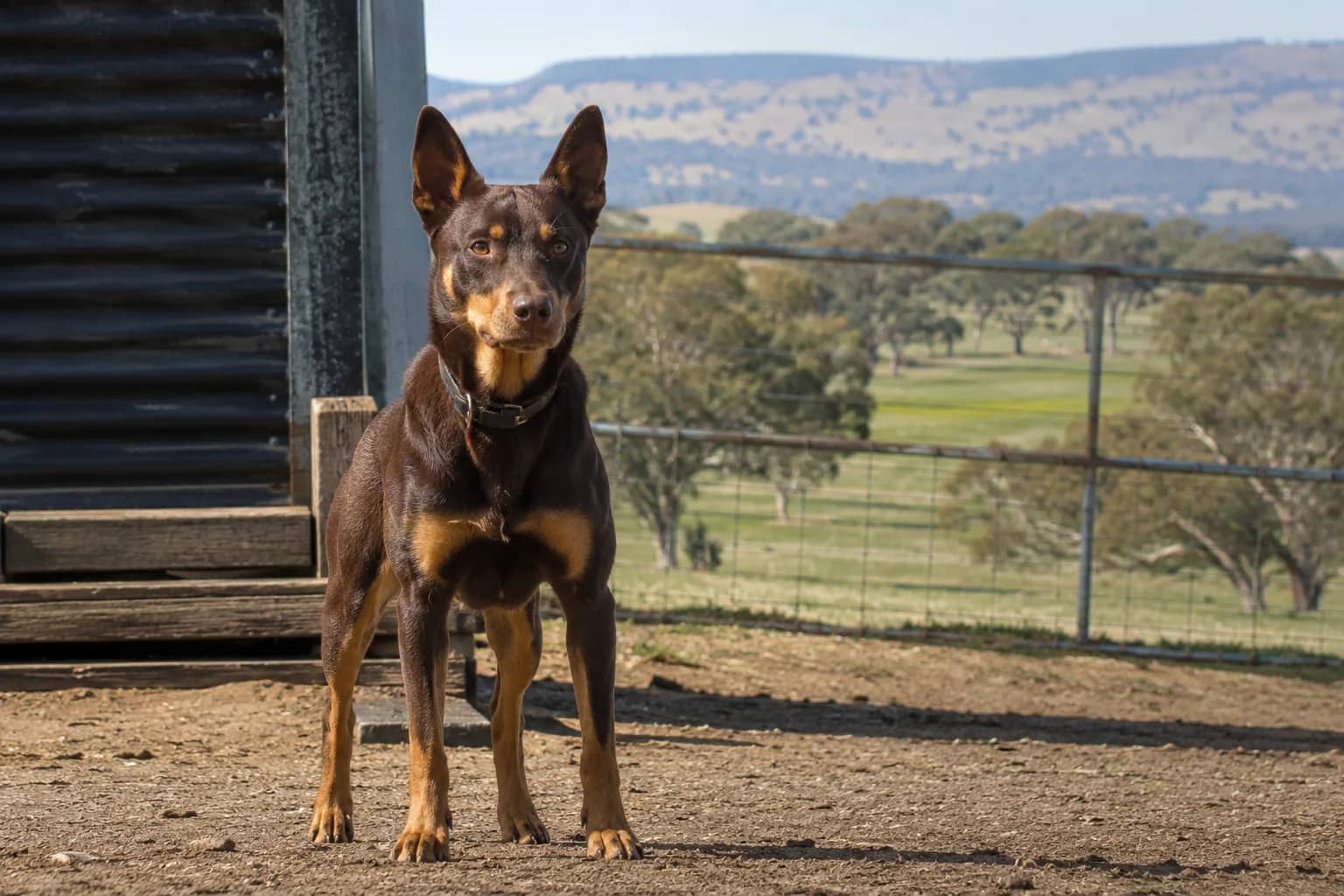
Working-breed concentration is unusually high. Kelpies, blue heelers, border collies, and working-line German shepherds dominate the local dog population — bred locally, often from working litters off surrounding properties, and frequently sold to new owners with the line "they're great family dogs once they settle". The genetics that make them brilliant on stock make them difficult town dogs without structure. Most of the Mid North cases I take involve a working-breed dog whose owners did not realise what they were signing up for at eight weeks.
Livestock proximity is constant. Sheep, cattle, chickens — these dogs grow up in line of sight of stock from week one. Done well, they treat livestock as background noise. Done poorly, they rehearse a chase pattern that becomes catastrophic the first time they're loose. The single most preventable Mid North dog tragedy is a working-bred adolescent discovering livestock for the first time at nine months old, on an exciting chase, with no off-switch. That story usually ends with a dead sheep and a destroyed dog. Early on-lead exposure is the difference.
Acoustic privacy works against you. Quiet streets mean barking carries further, and councils across the Mid North enforce nuisance complaints faster than some metro councils I've worked alongside. A barking issue in an eight-month-old Mid North dog can become a council notice inside a fortnight if a neighbour is motivated — and a written training plan from an accredited behaviourist is what usually resets the situation. I prioritise these cases when they come in.
Jamestown
Jamestown cases skew toward two profiles. The first is the adolescent working-breed dog at the ten-to-fourteen-month mark, raised by a household that did the right things at eight weeks but underestimated what was coming at six months. The dog is suddenly reactive on the Belalie Creek walking circuit, pulling toward the high school at pickup time, or barking at the postal worker through the front yard fence. The owners read enough to know that what comes next is months of avoidance — and that's the right instinct.
The second is the hospital-staff household. Jamestown Hospital's shift roster runs through every household in town, and rotating routines produce separation patterns in dogs that look like ordinary boredom for the first six months and then escalate. By the time the dog has had a chewing episode or a soiled-crate event, the underlying pattern has been rehearsed long enough to need structured rebuilding.
For Jamestown households I cover the main residential streets, the Belalie corner, Spalding road properties, and the rural blocks toward the Bundaleer Reservoir. Most Jamestown consults are inside the in-home four-hour window. Council reality across Jamestown sits with the Northern Areas Council — registration is enforced, off-lead reserves are limited, and barking complaints are taken seriously.
Burra
Burra is the case mix I find most interesting in the region. The town is a heritage destination on weekends — tourists park along the main street, walk the heritage trail, and bring their dogs through Paxton Square and the historic precinct in numbers that no Burra dog grew up expecting. The household dogs who handle this gracefully are the ones whose owners did structured exposure work in the first sixteen weeks. The ones who didn't develop visitor-reactivity in the back fence line and on-lead reactivity through the centre of town.
Inside the town blocks themselves the fence-line reactivity cases are the ones I see most often. Burra's narrow lots and shared fences mean a single new dog next door can rehearse a reactive pattern in your dog inside three weeks if you don't intervene. The fix is the same one I run across the rest of regional SA — environmental management to stop the rehearsal opportunity, leadership reset so the dog defers to you on what is and isn't worth reacting to, and a structured re-entry into the streets where the pattern lives.
The cases on the surrounding properties are a different shape entirely. Isolation cases — dogs whose only social contact for weeks is the household — develop different patterns to town dogs. Some become fearful of new humans. Some become over-attached to one family member. Some become indifferent in a way that owners mistake for "well-adjusted" until something tips it over. The work in these households is about structured exposure built around the family's actual movement patterns, not bringing the dog into Burra for the wrong kind of socialisation.
Peterborough
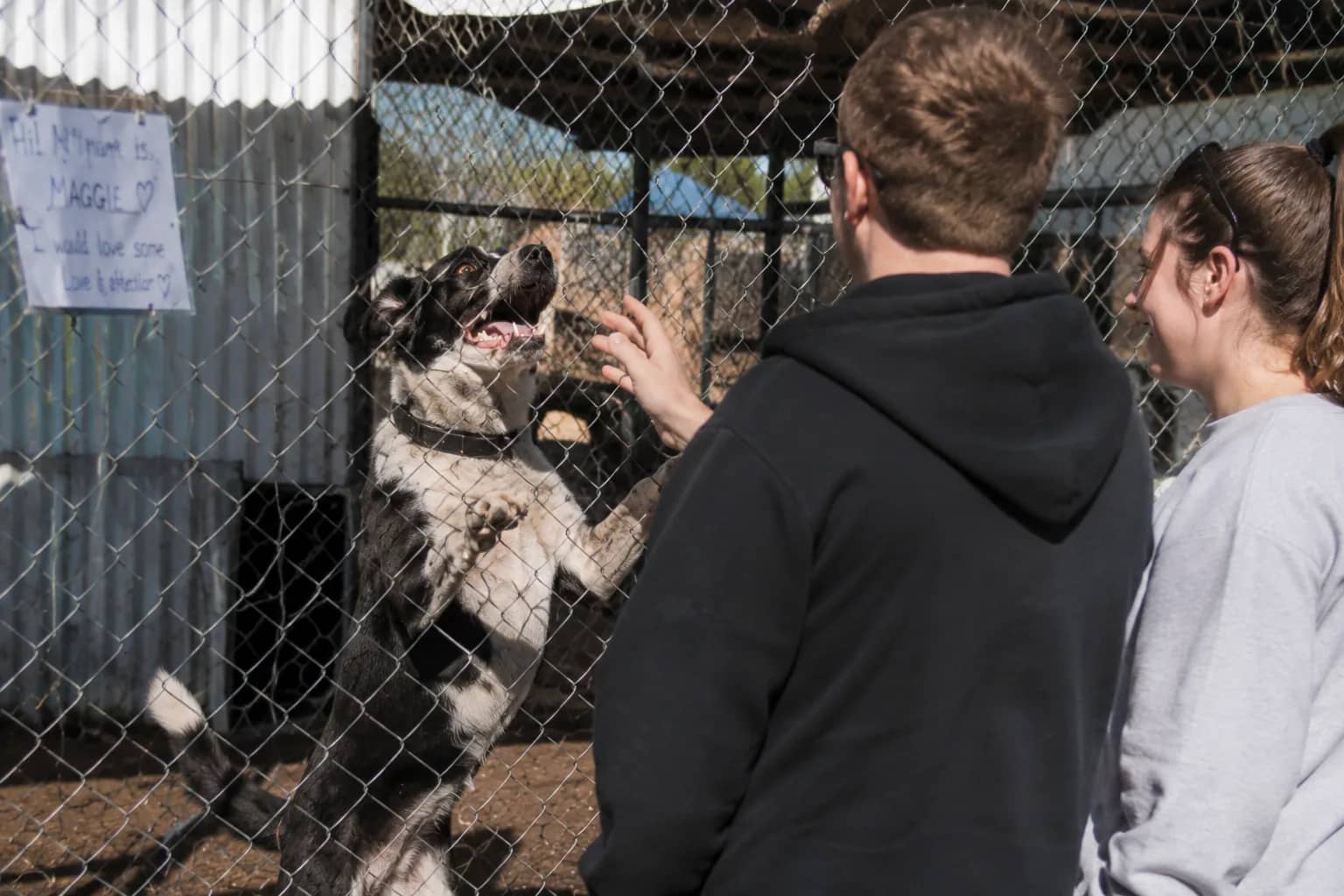
Peterborough is the Mid North town with the highest proportion of rescue and rehomed dogs in my client list. The local pound moves dogs in and out, surrounding sheep properties surrender working dogs that didn't make the cut, and adoption from the railway corridor pattern through the eastern end of town is genuinely common. The cases that follow are characteristic.
The most frequent pattern is the rehomed working-bred adolescent — between twelve months and three years old — whose previous life is partly unknown and whose new household has been improvising leadership for the first three months. Almost universally these dogs need a structured leadership reset, environmental management around the trigger lines specific to the new property, and an honest conversation about what the dog actually is. Most respond fast once those three are in place. A small minority don't, and where that is the case I tell the household honestly early so they can plan around the realistic outcome.
The other pattern is the under-stimulated working dog kept on the eastern blocks toward Yongala — large yards, intermittent attention, and not enough structured outlet for the breed's actual workload. These cases look like boredom and frustration on paper but present as reactivity, escape attempts, or destructive yard behaviour. The fix is structural, not behavioural. The yard isn't the problem; the household pattern around it is.
Peterborough is the longest single drive in my Mid North rotation — about an hour from Crystal Brook — so I batch consultations together when I'm coming through. Lead time for Peterborough is usually two to three weeks.
What an in-home consultation looks like in the Mid North
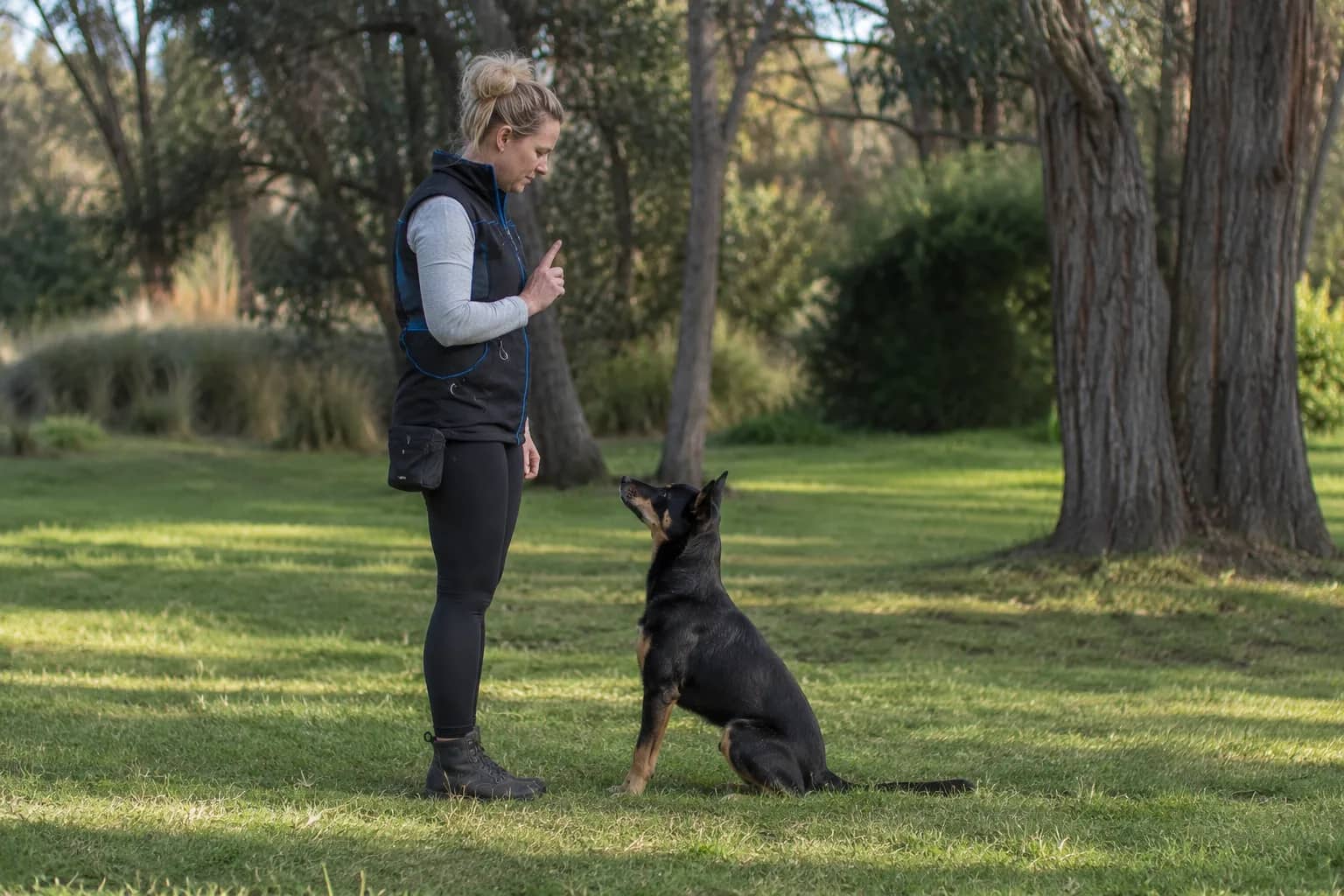
A typical Mid North consultation day for me is two households across one of the three towns, often with one of the consultations on a property thirty or sixty kilometres outside the town centre. The format is three-and-a-half to four hours in-home — everyone present, including kids if they handle the dog at all. The first thirty minutes is environmental and dog-absent. I walk through the property with you, look at the trigger lines, the management possibilities, where the dog sleeps and eats and accesses the yard. Then we bring the dog in and I read it.
By the end of the first hour you know which pattern your case fits and what the work looks like in your specific household. Every protocol gets practised in the room with you running it. The written plan lands in your inbox inside forty-eight hours, and ongoing email support runs through to about eighteen months on most cases — longer for aggression and serious anxiety work.
The work is drug-free. I don't support medicating a dog. The cases I take on resolve the state through leadership, household structure and time, rather than chemically lowering the symptom while the underlying state stays put.
If you're in one of the three towns
If you're in Jamestown, Burra or Peterborough and you've been reading because something in your household has been drifting for the last few months, the realistic timeline is shorter than most owners expect. The cases that don't resolve are almost always the ones where the household waited until eighteen or twenty-four months to start the work. The ones that come in at six to twelve months resolve fast.
Contact me directly if you'd like to start a phone conversation about your dog. Aggression cases get prioritised over the regular schedule; everything else fits the fortnightly rotation across the three towns.
Useful related reading:
- Why calm leadership beats tricks — the foundation underneath every Mid North consult
- Working dogs in town life — relevant for any kelpie, heeler or border collie owner
- Kelpie training in regional SA — breed-specific notes
- Rescue dog first 30 days — for Peterborough's rehomed-dog demographic
Not sure where to start with your dog?
Take the Free Dog Behaviour Test.
Two minutes. You’ll find out exactly what’s driving your dog’s behaviour — and what to do next.
Frequently asked questions
Written by
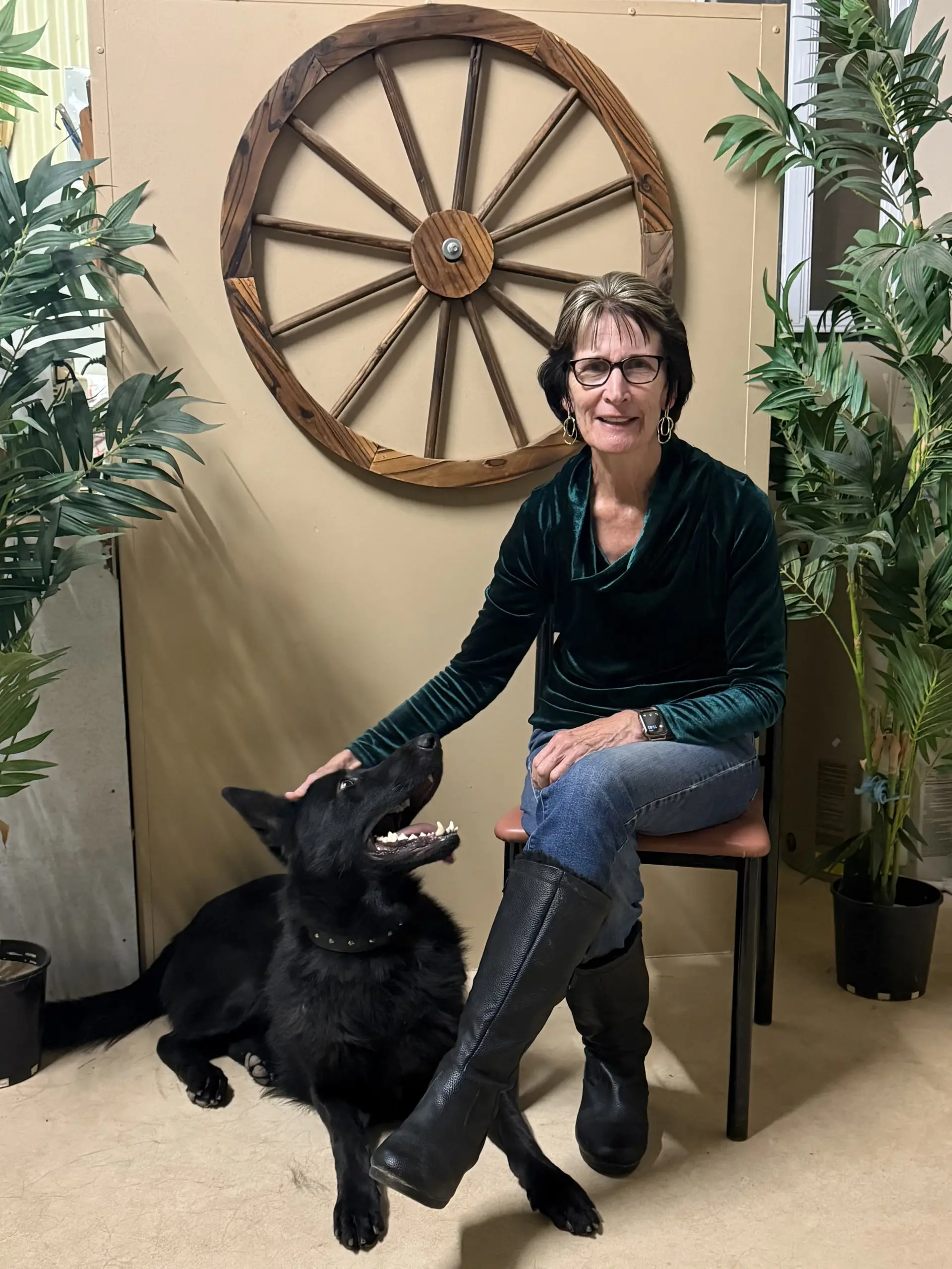
Pauline Cowey
Accredited Dog Behaviourist, Communicator, Owner Educator and Trainer based at Crystal Brook, South Australia. Decades of hands-on work resolving aggression, reactivity, anxiety and obedience cases across regional SA — through ethical, leadership-based methods.
Read Pauline’s full story →