The Working Dog's Town Life — Kelpies, Heelers & Iron Triangle Town Dogs

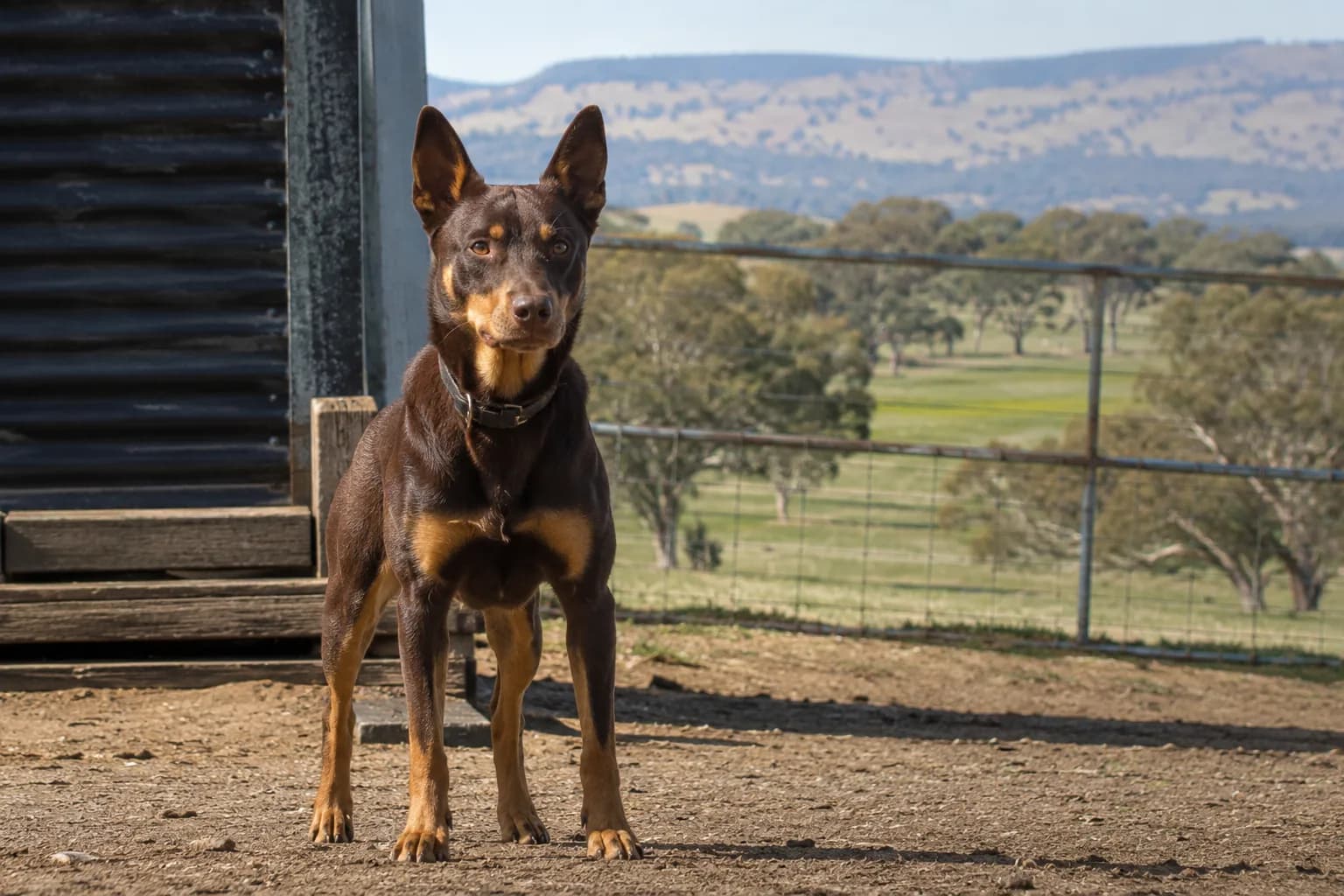
Working-bred dogs (kelpies, blue heelers, Border Collies, German Shepherds, Belgian Shepherds) living town lives in Port Pirie, Port Augusta and Whyalla are an over-represented part of my caseload. The instincts that make them brilliant working dogs become problems when town life doesn't provide a proper outlet. Here's what every Iron Triangle working-breed owner needs to know.
The Iron Triangle dog population is heavy with working breeds. Always has been. Port Pirie families with a heeler under the verandah. Port Augusta households with a kelpie in the back of the ute. Whyalla yards with a German Shepherd patrolling the fence.
When those dogs work, they're extraordinary. When they don't, they become some of the most challenging cases I see — adolescent kelpies that have eaten the laundry, blue heelers fence-charging the neighbours, German Shepherds whose people no longer feel safe walking them past other dogs.
The behaviour isn't the dog's fault. It's a function of genetics meeting environment. Here's how to make town life work.
Why working breeds are over-represented in regional SA
A few overlapping reasons:
- Heritage: regional SA has a strong farming and working-dog tradition. Kelpies, heelers and BCs are working stock locally, and their puppies often end up in town households.
- Practicality: working breeds are smart, sturdy, weather-tolerant, and great with kids — which makes them appealing town dogs in theory.
- Availability: working-line litters are accessible. Show-line pet breeds often have to be imported from interstate.
The trouble: a working-bred dog living a town life needs deliberate management. The same instincts that make it brilliant on stock make it a problem on the foreshore.
What working breeds need that other breeds don't
A job — daily
Working breeds were bred to work most of the day, most days, for centuries. A daily walk doesn't satisfy them. Fetch in the back yard doesn't satisfy them.
What they need is structured mental work — tasks, sniffing, learning, problem-solving. 15 minutes of structured scent work or training does more than an hour of running.
Earlier leadership
Soft breeds can muddle through with imperfect leadership and turn out fine. Working breeds cannot. By 8 months old, an under-led working-breed dog is making decisions you don't want it making — and undoing them takes serious work.
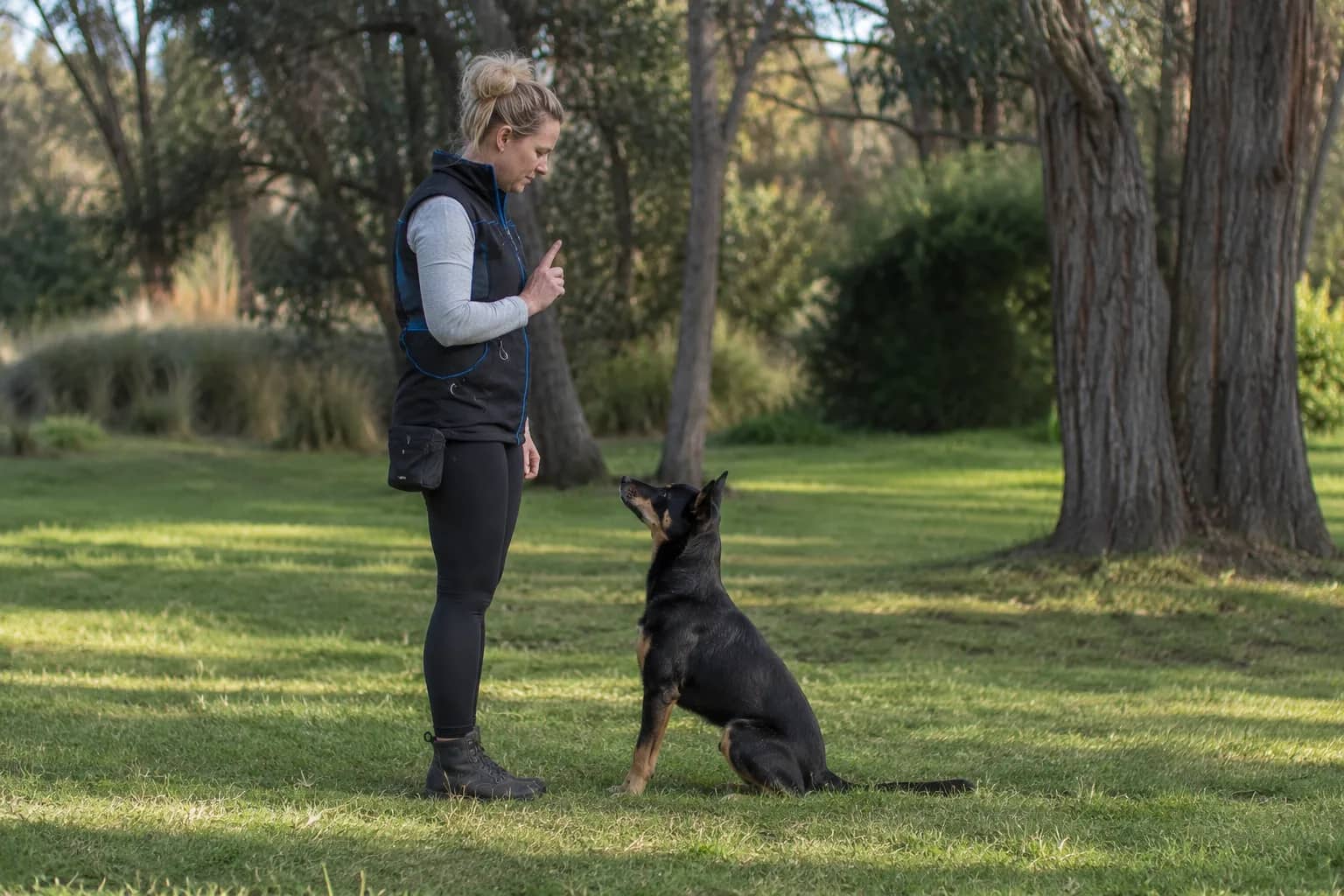
Leadership work needs to start the day the puppy comes home, not when the adolescent starts pulling.
Channelled drive
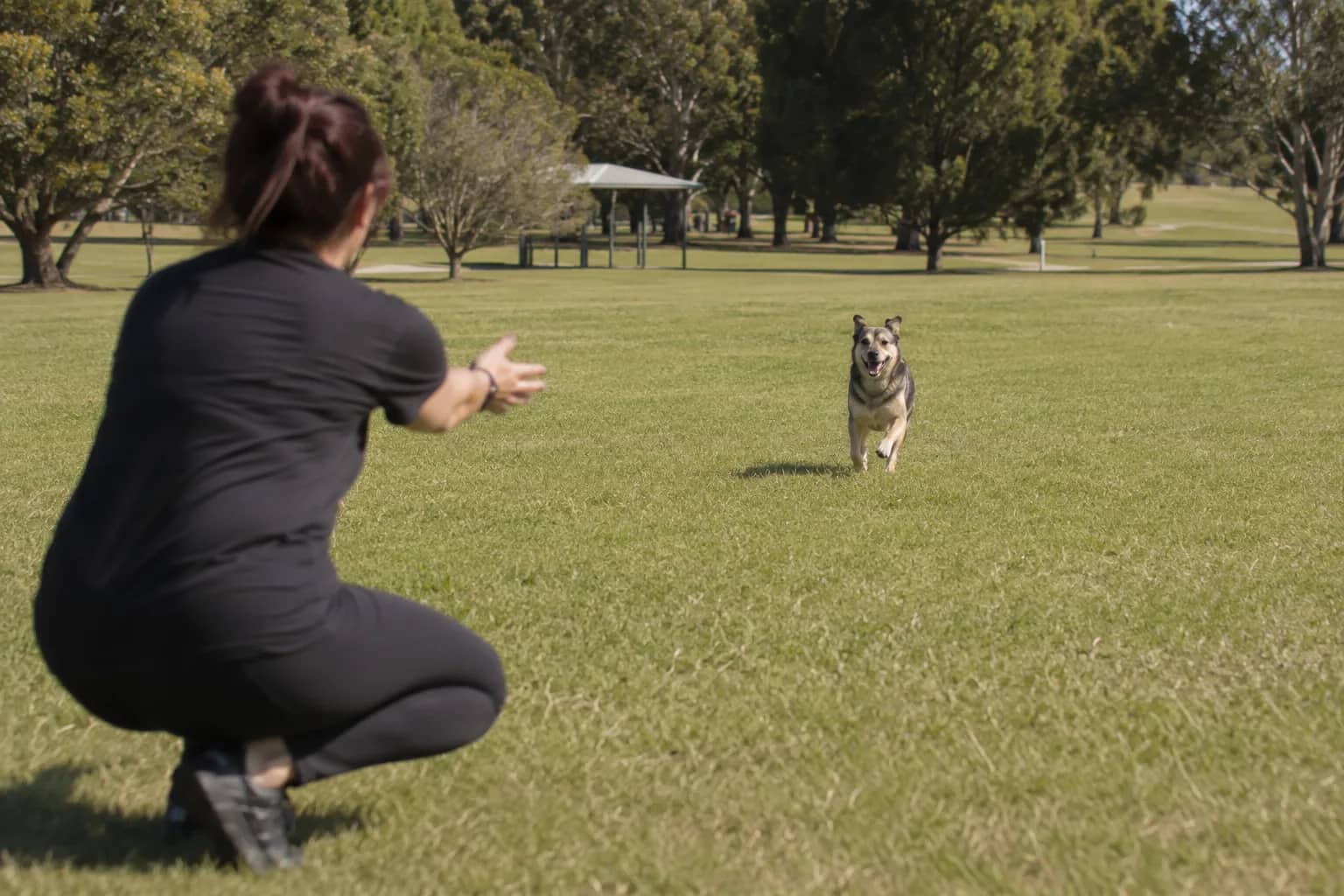
The chase pattern, the herding instinct, the alert behaviour — these don't go away. They surface somewhere. The choice is whether they surface where you want them to (in fetch, in scent games, in structured tasks) or where you don't (on lead, at the fence, at the postal worker).
A calmer household than you think
Working breeds match the energy of their household. If your household is high-arousal (kids running, doors slamming, multiple humans coming and going at unpredictable times), the dog reads that and amplifies it.
Slowing the household down is one of the most reliable interventions for high-drive dogs.
Common Iron Triangle working-breed cases
The 12-month-old kelpie destroying the laundry
This is the most common case I see in town households. Owner adopted from a working line at 8 weeks. Puppy was "great" until 8–10 months. Then it stopped listening, started destroying things, and became "too much."
The dog isn't being naughty. The dog is in late adolescence with surplus drive and no outlet, in a household whose leadership softened as the dog grew. Solution: leadership reset, structured outlet, in-home assessment.
The fence-charging heeler
Common in Whyalla yards backing onto walkways or schools. The heeler has been alert-barking and chasing the fence for months. By the time the owner calls, the behaviour is so rehearsed the dog charges before the trigger has even appeared.
Fix: block visual access (shadecloth on the fence), supervise yard time during peak triggers, address alert and arousal barking with leadership work.
The reactive German Shepherd on the Port Augusta foreshore
Calm at home, fine off-lead in the property, but a nightmare on lead in town. Sees another dog at 50 metres and explodes.
This is on-lead reactivity, and it has nothing to do with the dog being aggressive. It's frustration meeting an inability to communicate. Threshold work, calm leadership and patient distance management resolve it.
The Belgian Shepherd whose family has stopped having visitors
High-drive, smart, hyper-alert, often imported into town households without owners knowing what they signed up for. Within months, the dog is patrolling the front door and the household has stopped letting people in.
Belgians (and high-line GSDs) need extraordinary leadership and structured exposure protocols. Fixable, but you need expert guidance early. Don't wait.
The Border Collie whose only outlet is fetch — and is now obsessive
BCs have predatory motor patterns wired in. Fetch loops them through a fragment of those patterns without resolution. By 18 months, the BC is fixated on tennis balls, spinning at the door, hyper-vigilant.
Fix: replace fetch with structured scent work, restrict ball access, build proper rest into the day. Fetch is not the right primary outlet for this breed.
What town life can actually look like for a working breed
Done well, town-life for a working breed is calm and engaged. The dog:
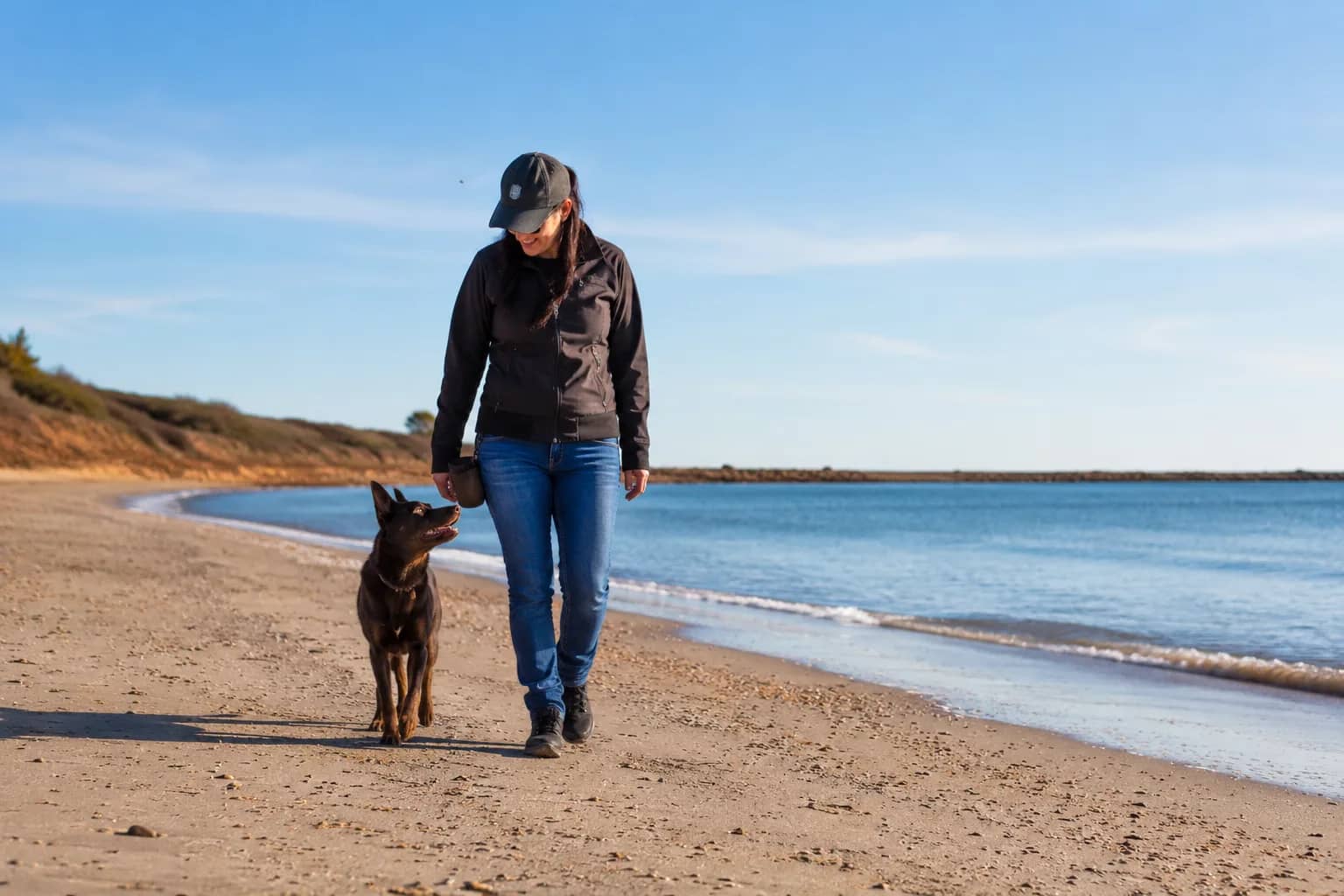
- Walks calmly on lead, no pulling, no reactivity
- Has reliable recall on the property
- Settles indoors for long periods
- Tolerates visitors, tradies, postal workers
- Has 1–2 structured daily activities (sniff walk, training session, scent puzzle)
- Sleeps inside, in a defined space
- Engages with the family but doesn't run the household
Done badly, it's the opposite — pulling, reactivity, fence charging, demand barking, destruction, household tension. Same dog. Different management.
What to do this week
If you have a puppy from working lines:
- Start leadership work immediately
- Plan structured daily mental work
- Manage chase exposure carefully (off-lead around stock or wildlife is the most consequential decision you'll make)
- Take the Free Behaviour Test for a baseline read
If you have a working-breed adolescent already showing problems:
- Don't escalate. Don't tighten the lead, don't yell, don't punish the warning signs.
- Start with a leadership reset (calmer household, clear boundaries)
- Avoid environments that practise the problem behaviour
- Get expert support — these cases are absolutely fixable, but the longer the rehearsal continues, the longer the rehab.
If you've been told your working breed "just is the way it is":
That's wrong. Every working breed I've worked with — even the ones rehomed from "too much" situations — has responded to calm leadership and structured outlet. The genetics raise the bar; they don't make change impossible.
How Pauline works with Iron Triangle working-dog owners
Heart of the Pack is based at Crystal Brook, 25 minutes south of Port Pirie. I work in-home across the entire Iron Triangle and surrounding Upper Spencer Gulf. Working breeds are a substantial portion of my caseload — kelpies, heelers, German Shepherds, Belgians, Border Collies, working line working dogs and pet-life working dogs.
I work with both rural and town households. The method is the same — calm leadership, structured outlet, patient consistency. The application changes with the dog.
If you have a working breed that isn't working out in town, take the Free Behaviour Test or contact me directly. These cases are usually faster to resolve than owners expect — once the right framework is in place.
Not sure where to start with your dog?
Take the Free Dog Behaviour Test.
Two minutes. You’ll find out exactly what’s driving your dog’s behaviour — and what to do next.
Frequently asked questions
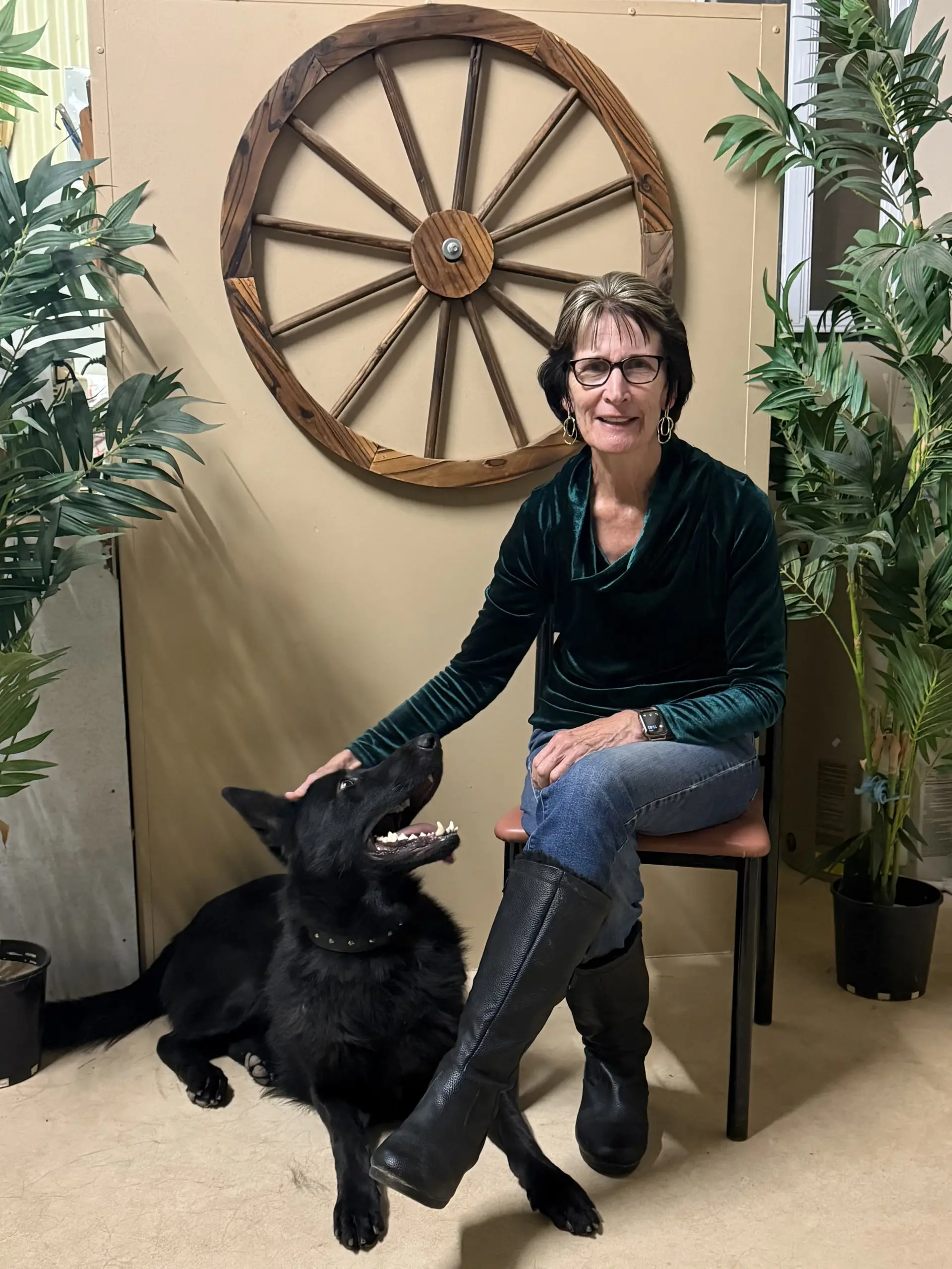
Written by
Pauline Cowey
Accredited Dog Behaviourist, Communicator, Owner Educator and Trainer based at Crystal Brook, South Australia. Decades of hands-on work resolving aggression, reactivity, anxiety and obedience cases across regional SA — through ethical, leadership-based methods.
Read Pauline’s full story →