How to Stop Your Dog Barking — Without a Bark Collar

Excessive barking is a symptom, not a behaviour. There are four common causes (alert, demand, boredom, anxiety) and each needs a different fix. Bark collars and ultrasonic devices punish the symptom while leaving the cause intact — which is why the barking always returns. Here's how to actually solve it.
If you've received a barking complaint in Port Pirie, if the neighbour in Whyalla has stopped saying hello, or if the dog has been barking through every video call you've taken for the past six months — this article is for you.
The good news: every type of nuisance barking is resolvable. The harder news: the fix depends entirely on which type you're dealing with. Get the diagnosis right and the resolution is fast. Get it wrong and you spend years on bark collars that don't work.
Why bark collars don't work (and often make things worse)
Bark collars — citronella, vibration, ultrasonic and e-collar variants — operate by punishing the bark. In some dogs, this temporarily suppresses the noise. In most, one or more of the following happens:
- The dog learns to avoid the collar (barks only when it's removed)
- The dog escalates the underlying state (now anxious and barking)
- The dog redirects to a new outlet (chewing, digging, fence-charging)
- The anxiety-based barking gets worse because the dog now associates the collar with the trigger
For anxiety-driven barking — which is most of what regional SA owners call about — bark collars are actively counter-productive.
Even for cases where suppression appears to work, the underlying state stays. And in dogs with limited outlets, suppressed barking often resurfaces as reactive behaviour or escalation toward aggression.
The four types of barking
Almost every barking case I see across regional SA fits one of these four categories. Each needs a different approach.
Type 1: Alert barking
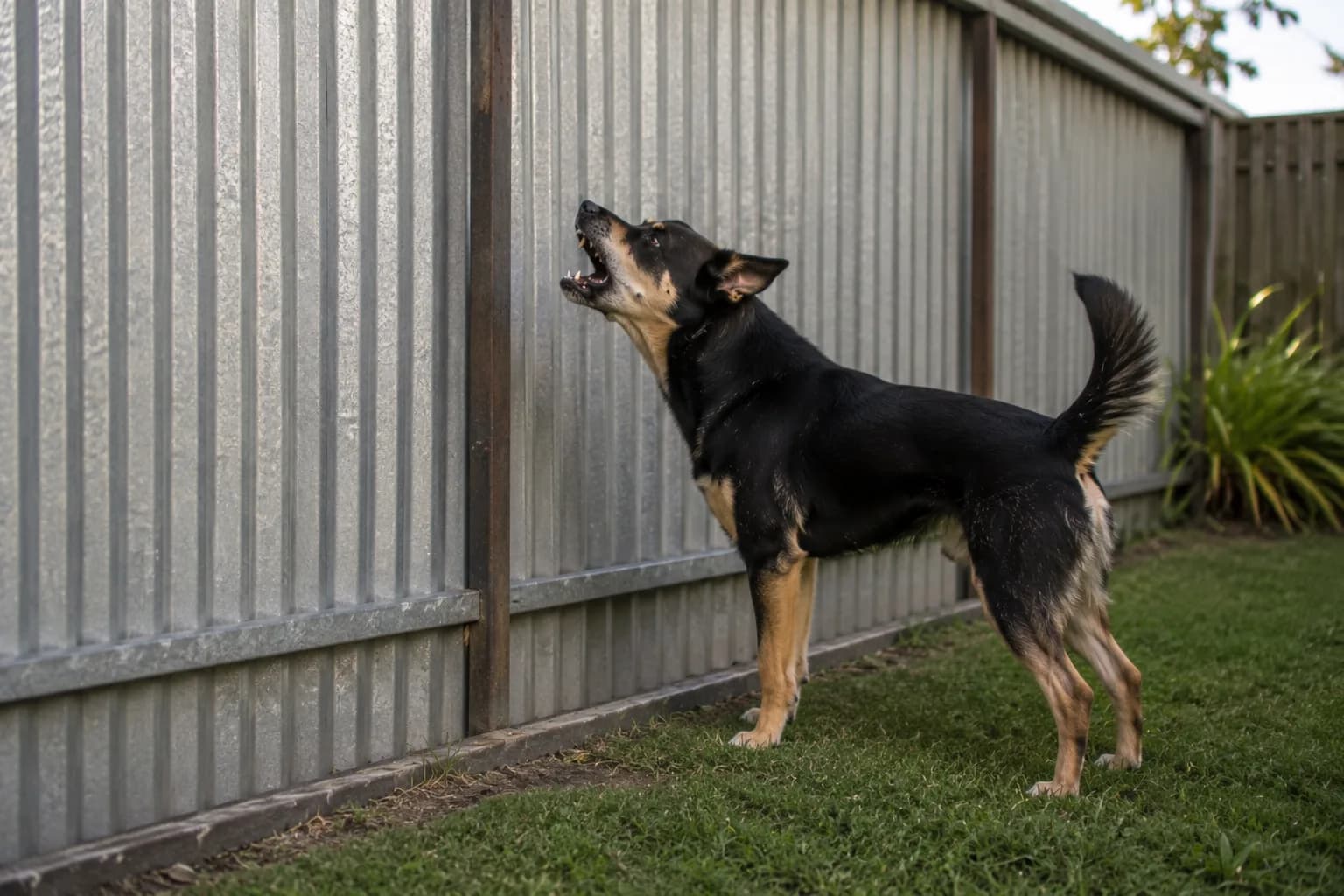
The dog sees or hears something and announces it. Usually short bursts, often repetitive, often at the same triggers (front gate, fence line, window).
This is hard-wired. Some breeds (terriers, herding breeds, livestock guardian breeds) do this more. You will not eliminate it entirely — and shouldn't try.
Type 2: Demand barking
The dog barks at you to get something — attention, food, the door opened, a toy thrown. Often short, sharp, directed at you specifically.
This is almost always rehearsed. At some point you gave in. The dog learned that barking gets results.
Type 3: Boredom / under-stimulation barking
The dog has nothing to do, no outlet for its energy or attention, and it barks because there is nothing else.
Common in regional SA where yards are large, exercise is intermittent, and dogs are left in the yard for the day. Particularly common in working breeds like kelpies, heelers and Border Collies.
Type 4: Anxiety-driven barking (including separation anxiety)
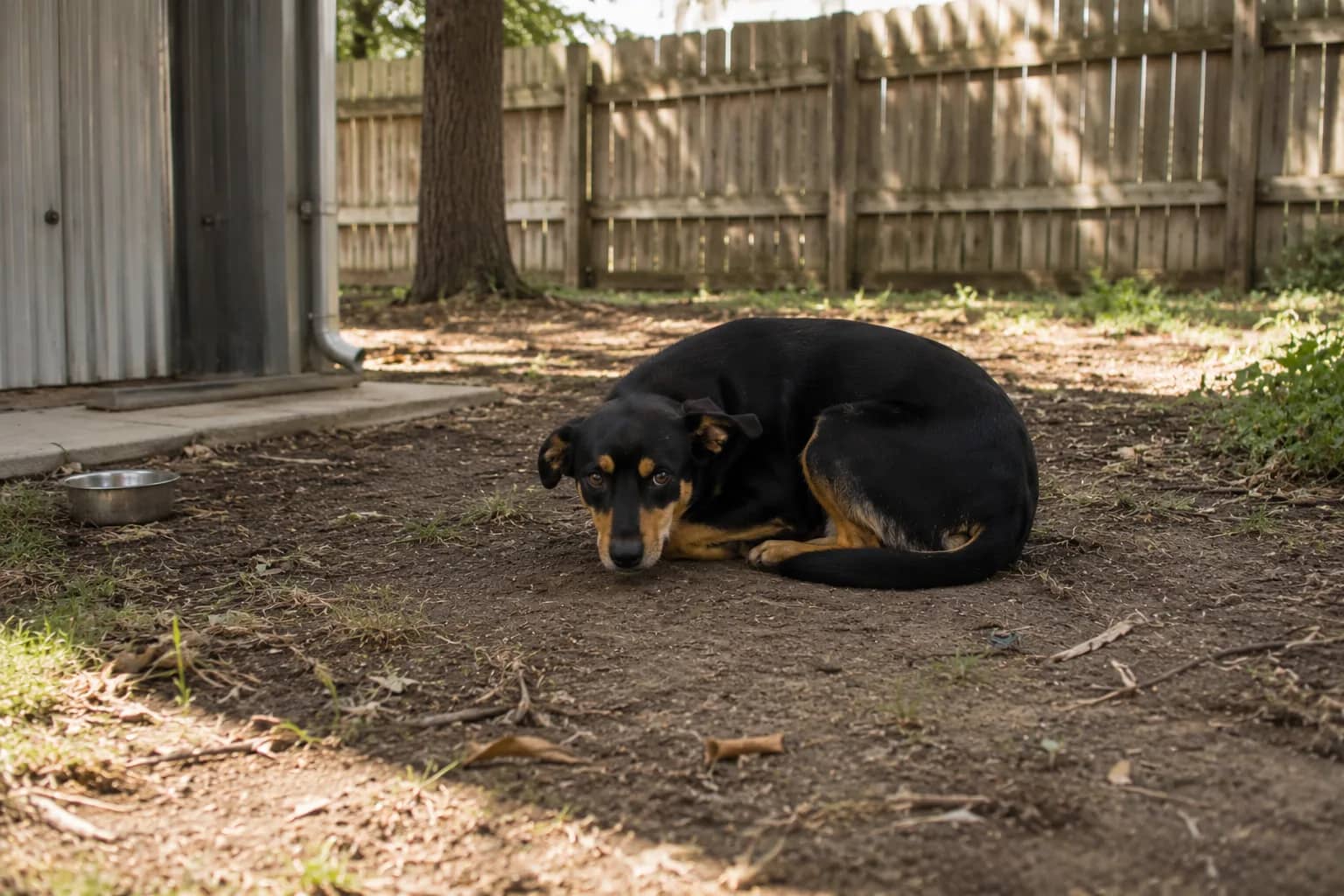
The dog barks because it's distressed. Often longer, more frantic, sustained. Sometimes vocalises with whining or howling. Often when alone (see separation anxiety) but also during thunderstorms, fireworks, or specific triggers.
This is the most serious type. Bark collars on an anxiety-barking dog are genuinely cruel — you're punishing the dog for being scared. For separation anxiety, video diagnose first, then build a desensitisation plan. Full article on separation anxiety here. The work is drug-free — the state needs to be resolved by changing what the dog believes about its environment and the people in it, not chemically lowered while the underlying anxiety stays put.
Council nuisance-dog complaints
If you've received a written notice from a regional SA council — Port Pirie Regional Council, Whyalla, Port Augusta, Yorke Peninsula Council — about your dog barking, you need to act fast.
The good news: councils generally want the problem solved, not punished. A written training and management plan, plus evidence of immediate environmental change, almost always resets the situation.
Steps:
- Acknowledge the complaint to council in writing. Confirm you're acting on it.
- Implement immediate management — block visual triggers, move the dog inside during peak times, address fence-line barking.
- Engage a behaviourist. A written plan from an accredited behaviourist carries weight with council.
- Document progress. Note dates and reductions.
I've worked with dozens of regional SA council-complaint cases. The vast majority resolve within 4–8 weeks of consistent work. Contact me directly if you're in this situation — these cases get prioritised.
Specific situations — quick reference
Fence-line barking
Almost always alert + arousal. The dog has rehearsed it for months or years. Fix:
- Block visual access to the trigger (shadecloth on the fence works wonders)
- Don't allow the dog out unsupervised during peak times (school pickup, postal delivery)
- Calm leadership work so the dog defers to you
- Treat the underlying reactivity at the same time
Barking at every passing car
Alert barking that's been over-rehearsed. Reduce visual access to the road, supervise, redirect, and address leadership.
Barking at thunderstorms or fireworks
Noise phobia. Different to general anxiety. Address with desensitisation (work-in-progress recordings of the trigger sound at increasing volumes), a safe space (a calm den area the dog can choose to retreat to), environmental management on event nights (curtains drawn, white noise, indoor enclosure), and the same calm leadership reset that anchors every anxiety case. The work is drug-free — the goal is a dog that can hear the trigger and stay regulated, not a dog that's sedated through it.
Barking when you're on a video call
Demand barking, almost always. The dog has noticed your attention is elsewhere and is bidding for it. Same as demand barking.
Indoor barking at outside dogs walking past
Alert + jealousy. Reduce window access, leadership reset, give the dog a calm place to be when triggers pass.
What to do instead of a bark collar
If you're tempted by a bark collar, here's the better-cost-better-outcome alternative:
- Take the Free Behaviour Test — figure out which of the four types you have. Two minutes.
- Implement immediate management to reduce rehearsal of the bark
- Address leadership as a foundation
- Get a written plan from an accredited behaviourist if the barking is council-affecting or distressing to your neighbours
A single in-home consultation typically costs less than a year of bark collar replacements (the collars don't last; the dog learns to defeat each one). The behaviour change holds for life.
Where Pauline fits
Heart of the Pack takes barking cases across the Upper Spencer Gulf, Iron Triangle, Mid North, Clare Valley and Yorke Peninsula. In-home for most cases (the trainer needs to see your fence line, your front yard, your real environment). Online for owners further afield.
If you've received a council notice, are about to lose patience with your dog, or are worried the relationship with your neighbour can't recover — start with the Free Behaviour Test or call directly. These cases are recoverable. They're recoverable faster than you think.
Not sure where to start with your dog?
Take the Free Dog Behaviour Test.
Two minutes. You’ll find out exactly what’s driving your dog’s behaviour — and what to do next.
Frequently asked questions
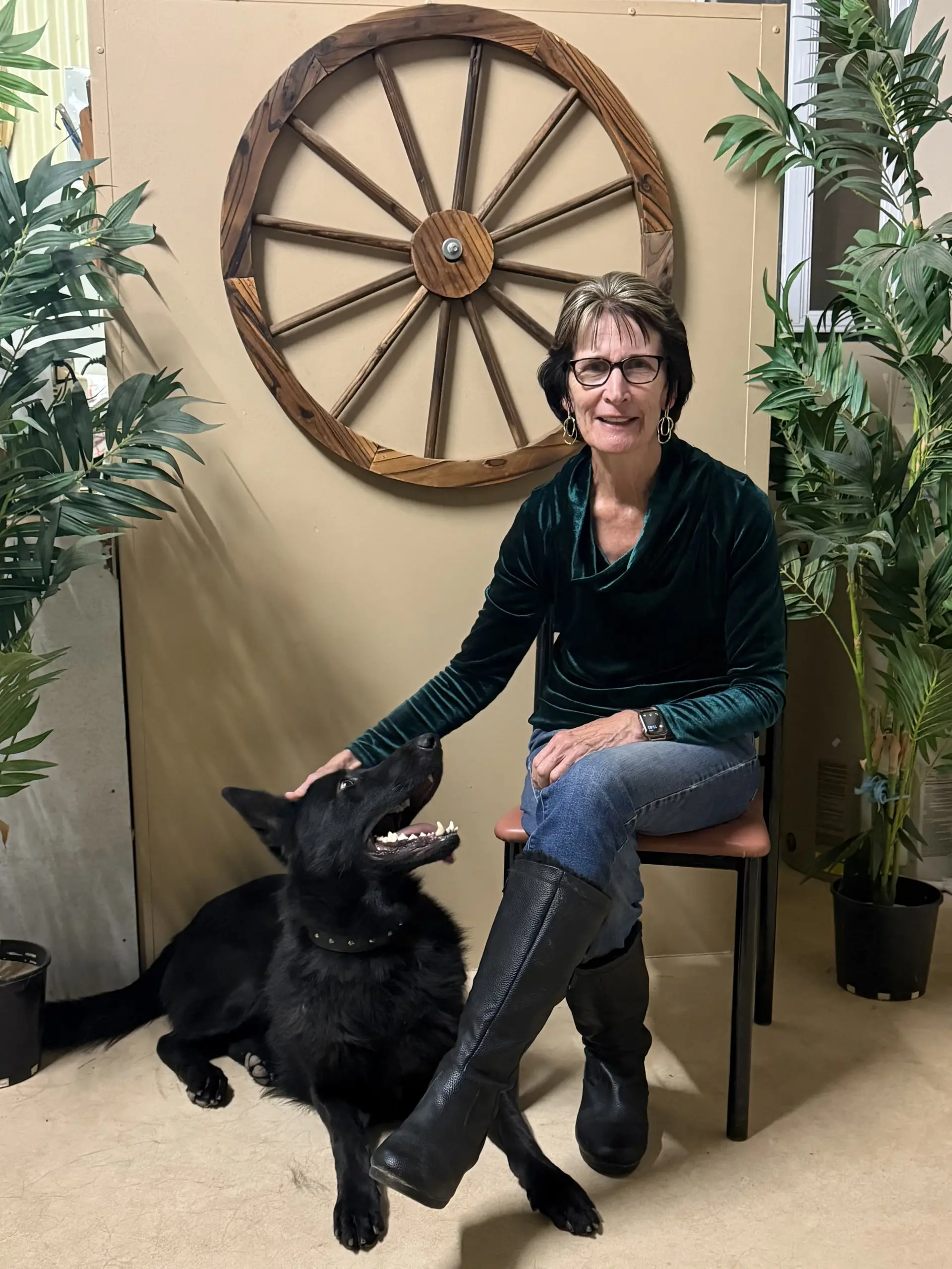
Written by
Pauline Cowey
Accredited Dog Behaviourist, Communicator, Owner Educator and Trainer based at Crystal Brook, South Australia. Decades of hands-on work resolving aggression, reactivity, anxiety and obedience cases across regional SA — through ethical, leadership-based methods.
Read Pauline’s full story →