Separation Anxiety in Port Augusta — Built Around the Rotation, Not a Textbook


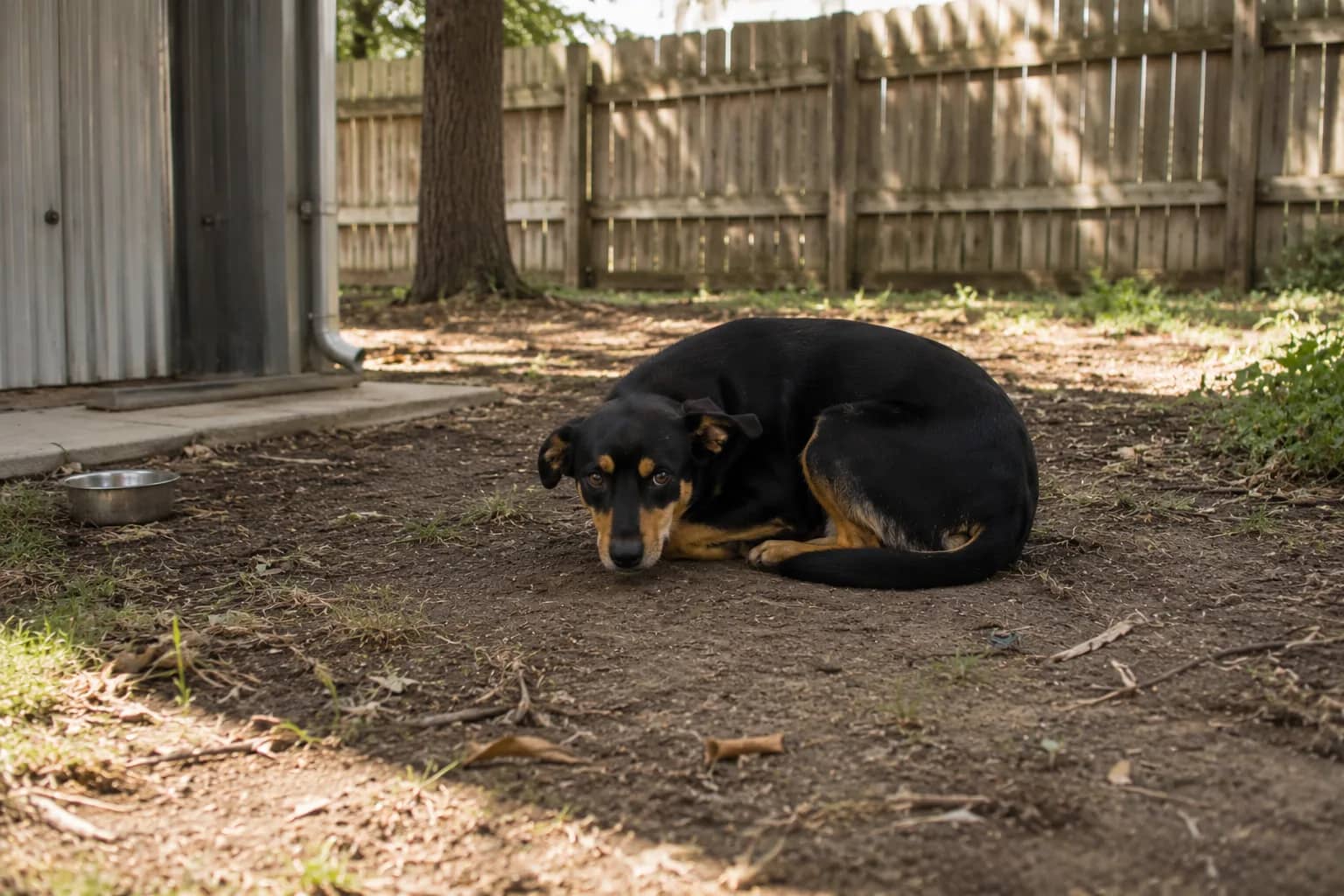
By the time most Port Augusta owners call me about separation anxiety, the dog has been escalating for six to eighteen months. The pattern is usually the same. Mild whining at the door. Then panting and pacing when the car leaves. Then a chewed door frame or a soiled crate. Then the neighbours start mentioning the howling.
What makes the Augusta cases I work different from elsewhere in my coverage area is the household. Port Augusta runs on rotation work — FIFO out of Roxby Downs and Olympic Dam, hospital shifts, refinery shutdowns, transport rosters through the night. The dog spends the first six months of life trying to predict who will be home when, fails, and gradually develops an arousal baseline that never quite comes down. Then a triggering event tips it over.
I'm Pauline, an accredited dog behaviourist based at Crystal Brook, seventy-five minutes south of Augusta. This post is for the Augusta households whose dogs have got worse over the last six months and who want to know what the work actually looks like — before they pick up the phone.
Why FIFO and dogs don't naturally mix
Dogs are not schedule-readers. They are pattern-readers. A dog can adapt to almost any schedule a household lives by, including a difficult one, as long as the pattern is predictable enough that the dog can build a baseline expectation. FIFO and shift work are exactly the kind of household that breaks that.
The Augusta FIFO households I work with run on rotations that change the dog's day fundamentally every week or fortnight. Two-on, two-off. One-week-in, three-out. Day shifts followed by night shifts followed by days off. To the dog, this is not "Pauline's schedule" or "Mark's schedule" — it is a confusing sequence of arrivals and departures that the dog cannot predict and cannot prepare for.
For about seven out of ten dogs in this position, this is genuinely manageable. The dog adapts to "the household is unpredictable, and that is fine". The remaining three develop a low-grade vigilance pattern that compounds over months. They sleep less deeply. They settle slower. They watch the driveway more. Eventually a small event — a partner moving out, a new dog arriving, a child leaving for high school in Adelaide — pushes them over the edge into recognisable separation anxiety.
This is the third-of-three pattern, and it is more common in Augusta than anywhere else in my regional SA coverage area. The cause is environmental and structural, not breed-specific. I see it across kelpies, labradors, working-line shepherds, rescue mixes, small breeds — anything in the FIFO household, given enough rotations, can develop it.
The triggering events I see
The household has usually been running the difficult pattern for one to three years before the dog tips over. The actual triggering event is small and identifiable in hindsight.
The most common trigger I see in Augusta is a partner moving out, or one household member's roster changing significantly. The dog's already-thin pattern stability collapses, and what was vigilance becomes panic.
The second most common is the kids leaving for high school in Adelaide — common across Augusta households whose children attend boarding school or relocate for senior years. The household drops from four bodies to two, the dog loses a constant-presence person, and separation anxiety emerges in dogs whose households thought they had been fine for years.
The third is a new dog arriving. Owners often get a second dog hoping it will help — and almost universally, it makes the first dog's anxiety worse rather than better. If the anxiety is about a specific human, another dog doesn't fill that hole; it adds another household variable for the dog to track.
The fourth is a move within Augusta — Stirling North to Augusta West, or town to a rural block. The dog loses every familiar trigger landmark and has to rebuild from scratch in a state that was already strained.
Whichever the trigger is, by the time the household calls me the chewed door or the soiled crate has already happened. The work starts from where the dog is, not from where you wish it were.
What works in an Augusta household
The in-home portion of an Augusta separation anxiety consultation is non-negotiable. The actual home is where the protocol has to live, and the protocol cannot be designed from a video or a phone call alone. I walk through your house with you. The rooms the dog uses through the day. The doors it watches. The windows it can see the driveway from. Where the crate is. Where the bed is. What the dog does in the five minutes before you leave and the five minutes after you return. Most of what I find is invisible to the household because it has built up too slowly to notice. By the end of the first hour we have a map of what is actually feeding the anxiety.
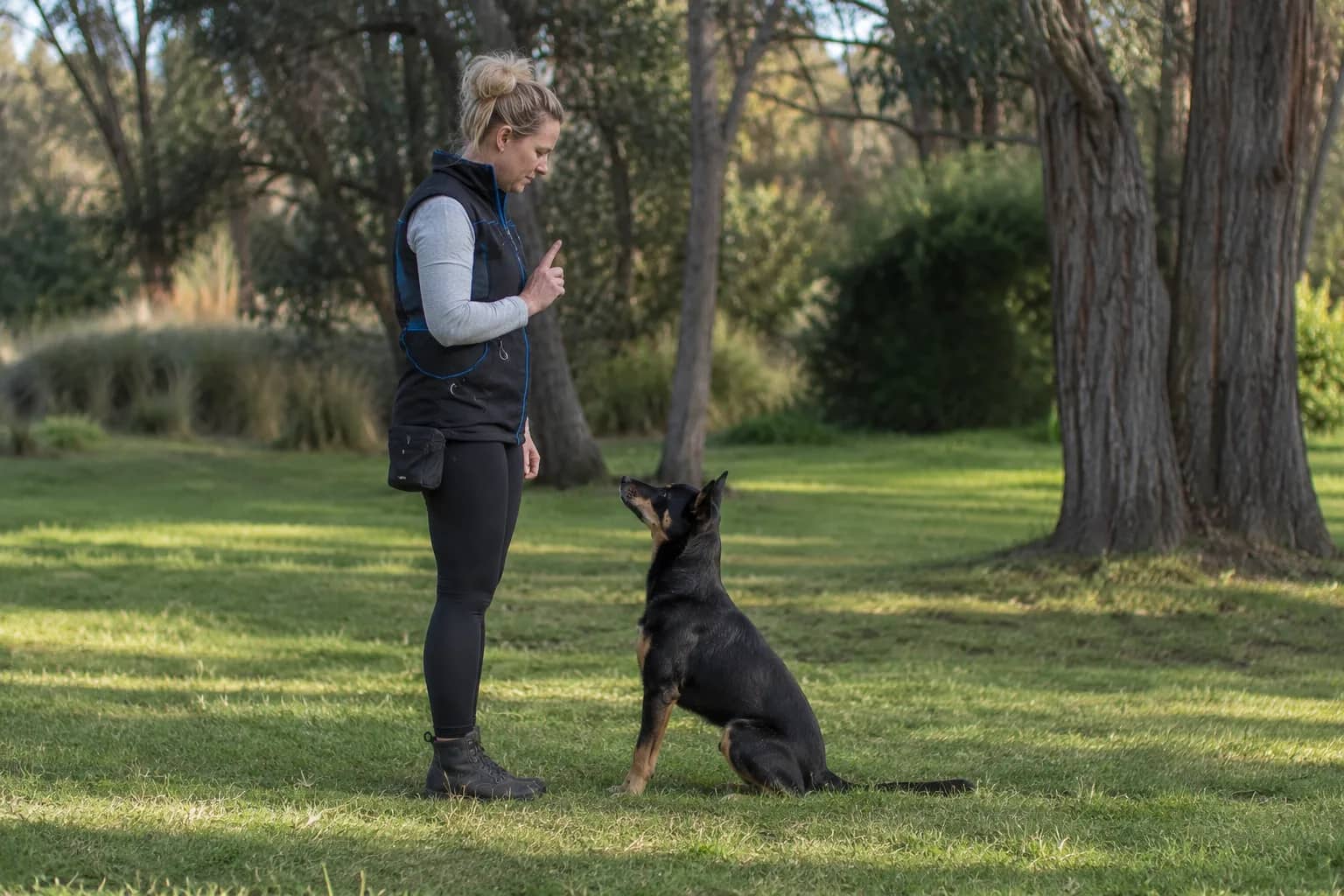
The protocol itself is structured separation training, not gradual exposure as it is usually described. We build genuine independence inside the home first — a dog that cannot be on the other side of a closed laundry door for ten minutes is not ready to be left in the house alone, no matter how good it has historically been. Then we extend, in measured increments, around your actual roster. For a FIFO household the protocol assumes a fourteen-day rotation. For a hospital shift worker we build around the actual roster you work. Generic protocols that ignore the rotation pattern fail in Augusta inside a fortnight; protocols built around it hold.
The household-side work matters more than the dog-side work. Calm leaves, calm returns. No effusive greetings. No prolonged goodbyes. The dog reads the energy of the household more than it reads the words. Augusta households that get the household-side wrong while doing the dog-side perfectly do not see results.
Things that don't work
Getting a second dog. Almost never helps an SA dog. If the anxiety is about you, another dog doesn't substitute. Most second-dog cases I see in Augusta become two-dog cases inside six months, with the new dog inheriting the original dog's pattern.
Medication. I don't support medicating a dog for separation anxiety. Medication suppresses the symptom while the underlying pattern continues to be rehearsed, and the dogs I see who arrive on long-term anxiolytics have universally been more difficult to resolve than those who have not. The work resolves the state. The state stops generating the behaviour.
"Tiring them out" before you leave. A fitter anxious dog is still an anxious dog, with more capacity to express it. The relationship between physical exercise and anxiety is weaker than most owners assume. Mental work and structured settling do far more than aerobic exercise for an SA case.
"Just letting them get used to it". This is flooding, not desensitisation. Every panic event the dog has while alone rehearses the panic and makes the next event worse, not better. Months of this approach create dogs whose SA is far worse than when you started.
The realistic timeline for an Augusta case
Meaningful reduction in two to four weeks, on a household that runs the protocol consistently. Stable hold inside three months for most cases. Six months for the more severe rescue-history cases or for households where the rotation makes consistency genuinely hard.
The single biggest variable is household consistency across the roster. A household where one person runs the protocol while the other doesn't, or where the protocol falls apart on the off-week, does not get the result. A household where both rotating members run the same protocol — to the dog, the household is one entity, not two — does.
I schedule Augusta consultation days about every three weeks. Lead time is usually two to four weeks. Acute cases — a dog that has caused significant property damage, a dog that has self-injured during a panic event, a dog that has escaped the yard during an event — get prioritised.
If you're in Port Augusta
The Augusta separation anxiety page covers the service detail and the FIFO-specific format. If you'd like to start a phone conversation, contact me directly. The conversation usually takes twenty to thirty minutes and gives both of us enough to know whether the in-home consultation is the right next step.
Useful related reading:
- Separation anxiety — the regional SA edition — the general framework underneath the Augusta-specific work
- Why calm leadership beats tricks — the household-side foundation
- Rescue dog first 30 days — relevant for the third of Augusta SA cases that are rescue dogs
- Stop dog barking without a bark collar — useful for the howling-while-alone subset of cases
Not sure where to start with your dog?
Take the Free Dog Behaviour Test.
Two minutes. You’ll find out exactly what’s driving your dog’s behaviour — and what to do next.
Frequently asked questions
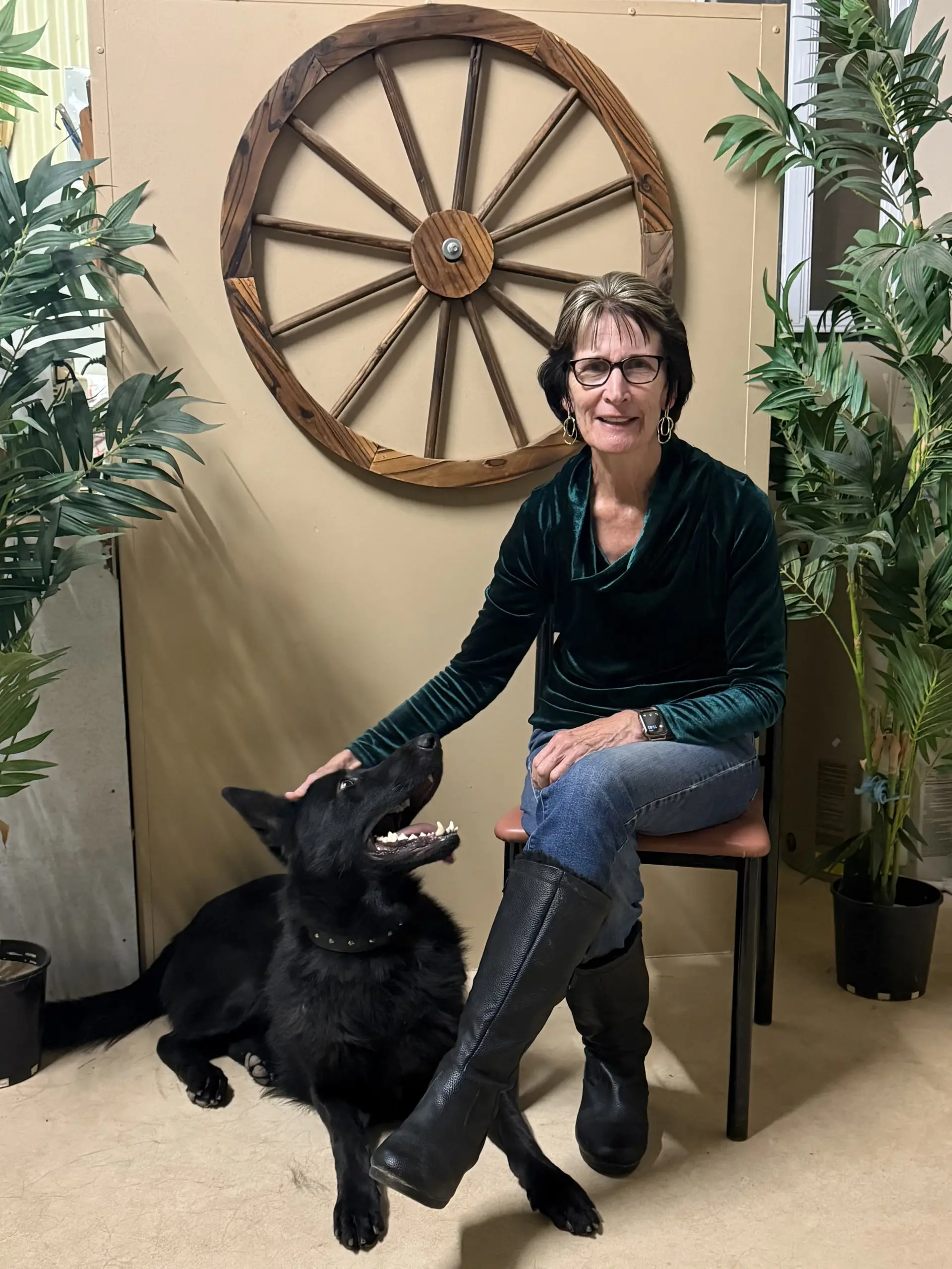
Written by
Pauline Cowey
Accredited Dog Behaviourist, Communicator, Owner Educator and Trainer based at Crystal Brook, South Australia. Decades of hands-on work resolving aggression, reactivity, anxiety and obedience cases across regional SA — through ethical, leadership-based methods.
Read Pauline’s full story →