Your Senior Dog Is Not "Just Getting Old" — The Behavioural Shifts Worth Investigating

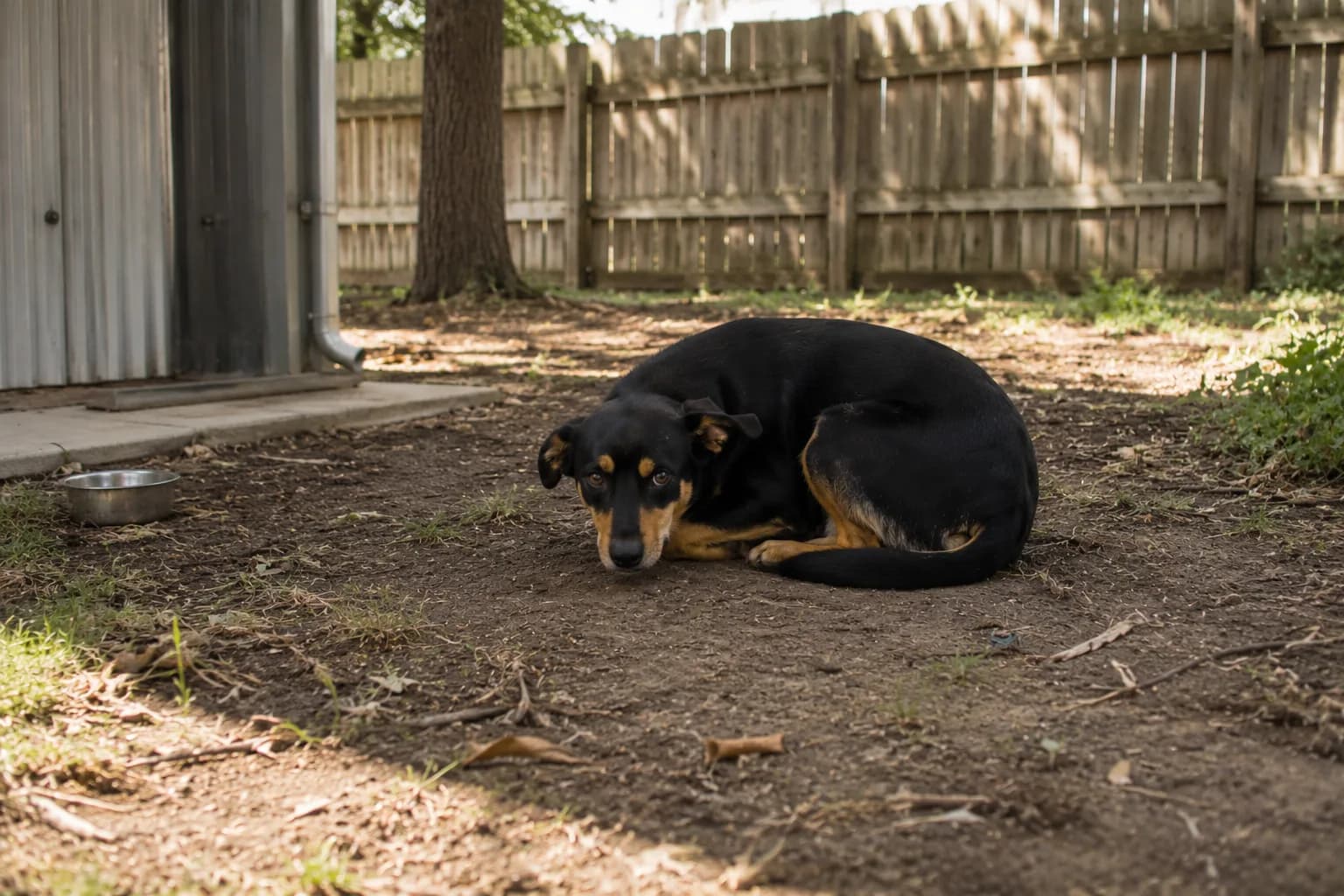
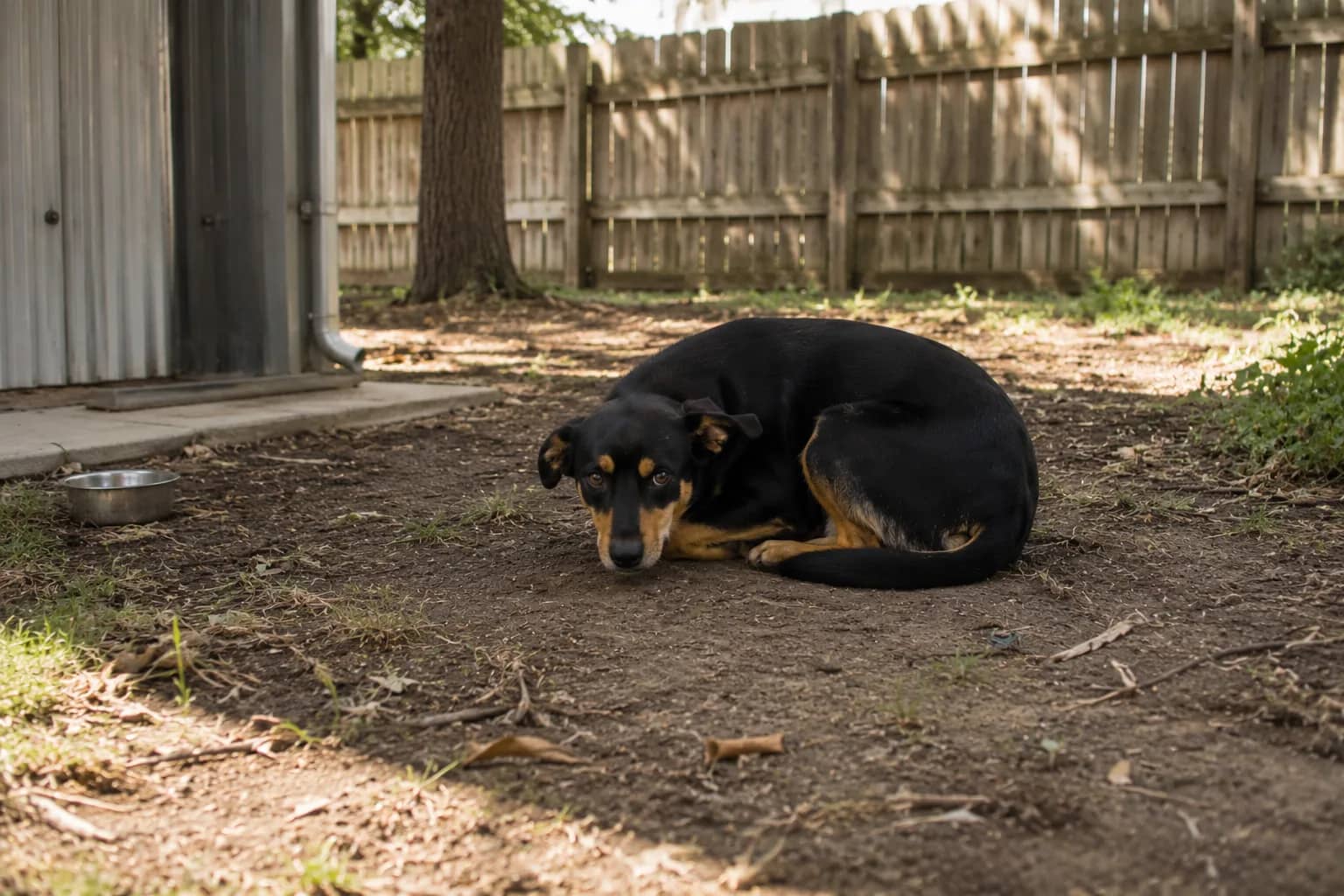
A dog that has been settled, predictable and easy for seven years starts pacing at night. Or becomes suddenly reactive on walks. Or stops wanting to be alone in the car when it used to sleep through every trip. Or gets snappy with the kids in a way it never has before. Owners book these dogs in with me describing the same thing: "he's just getting old". He probably isn't. He is probably trying to tell you something — and almost always it's one of a short list of specific, resolvable things.
This is the practical guide to behaviour changes in senior dogs for owners across regional South Australia. It covers when the changes are medical (and need a vet first), when they are state-based and respond to behavioural work, what cognitive dysfunction actually looks like in a dog, how household adaptations can resolve most of the issues owners write off as unfixable, and when to intervene rather than hope the dog "settles down".
What counts as senior
Rough guides, by breed size, before the behavioural shifts become likely:
- Small breeds (under 10kg): seven to nine years
- Medium breeds (10 to 25kg): six to eight years
- Large breeds (25 to 45kg): five to seven years
- Giant breeds (over 45kg): four to six years
These are averages. An individual dog shifts at its own pace. The behavioural changes often precede the physical changes by a year or two — the dog's internal state is adjusting before the grey muzzle appears.
The medical causes to rule out first
Any sudden or marked behavioural change in a dog over six years old needs a vet check as the first step. The reason is that most of the behavioural changes that look like "the dog is just getting weird" are actually downstream of a specific, treatable medical issue. Common ones:
Pain. Dog arthritis, dental disease, undiagnosed injury, abdominal issues. Pain in dogs almost never presents as whining or limping — it presents as behaviour change. The dog that is suddenly reactive on walks is often painful. The dog that growls when picked up is often sore. The dog that stops jumping on the couch has usually been painful for weeks before the behaviour shifted.
Hearing loss. Hearing loss develops gradually and owners often don't notice until the dog startles when approached from behind, stops responding to its name, or becomes anxious in situations it previously handled. A dog that can't hear becomes a dog that needs to compensate with vigilance.
Vision loss. Cataracts, retinal degeneration, slowly progressive blindness. A dog with declining vision becomes reactive, uncertain in new environments, startled by things approaching the periphery. Often misdiagnosed as "new reactivity" when it is actually the dog navigating a shrinking visual field.
Thyroid issues. Low thyroid (hypothyroidism) in older dogs produces lethargy, weight gain, hair loss, and crucially behaviour changes — new reactivity, irritability, cognitive slowing. A simple blood test rules this out.
Cognitive dysfunction syndrome (CDS). The canine equivalent of dementia. Signs include disorientation, altered sleep-wake cycle, pacing at night, vocalising for no apparent reason, forgetting toilet training, loss of recognition of familiar people, staring at walls, getting stuck in corners. This is real, it is common, and it is addressable (though not reversible). A vet can discuss supplements, diet, environmental enrichment, and sometimes medication.
Urinary tract issues, diabetes, kidney disease. All of these present behaviourally as toilet accidents, increased drinking, restlessness, irritability. Standard blood and urine panels catch most of them.
If you have ticked these off and the vet has given a clean bill of health, then the changes are behavioural — and almost always addressable.
The behavioural causes to look for next
Loss of structure. Many households soften their routines as the dog ages. Walks become less consistent. The dog is allowed to sleep where it likes. Meal times become loose. Rules relax. This is kindness in intention but destabilising in effect — the dog's nervous system relies on predictability, and more so, not less, as it ages. Dogs that become reactive, anxious or snappy in old age often respond beautifully to re-tightening the household structure.
Shrinking world without replacement. The dog is walked less because it tires more. It is left alone more because the household is at a different life stage. It engages with the world less, and its baseline arousal climbs because the usual releases of exercise and engagement have disappeared. The intervention is not more exercise — it is appropriate engagement, matched to the dog's capacity. Scent work, calm walks on familiar routes, structured time in the household.
New household members or stresses. A new grandchild, a visiting dog, a renovation, a new partner moving in, a bereavement. Senior dogs read these shifts acutely and respond with new behaviours. Give the senior dog the space and predictability to adapt; don't force integration.
Age-related loss of sensory confidence. A dog that can see and hear less well becomes more reliant on the household's leadership to tell it what to do. Households that provide clear leadership, calm transitions and gentle predictability produce senior dogs that stay settled; households that assume the dog knows what to do produce senior dogs that become anxious.
Pattern re-emergence. Behaviours the dog had in puppyhood (anxiety around strangers, resource guarding, reactivity) that were well-managed in adulthood can resurface in old age when the dog's capacity to inhibit itself drops. The old patterns are not new; the dog's ability to override them is reduced.
The specific presentations I see most often
Night-time pacing. The dog walks laps of the house between 1am and 4am. Often vocalises, sometimes toilets. Usually some combination of CDS, hearing loss, mild anxiety, and a baseline that is too high at bedtime. Interventions include: more structured engagement during the day, a predictable wind-down routine in the evening, a familiar bed in a quiet room, sometimes a low-light nightlight if vision loss is involved. If CDS is diagnosed, the vet-recommended protocols help significantly.
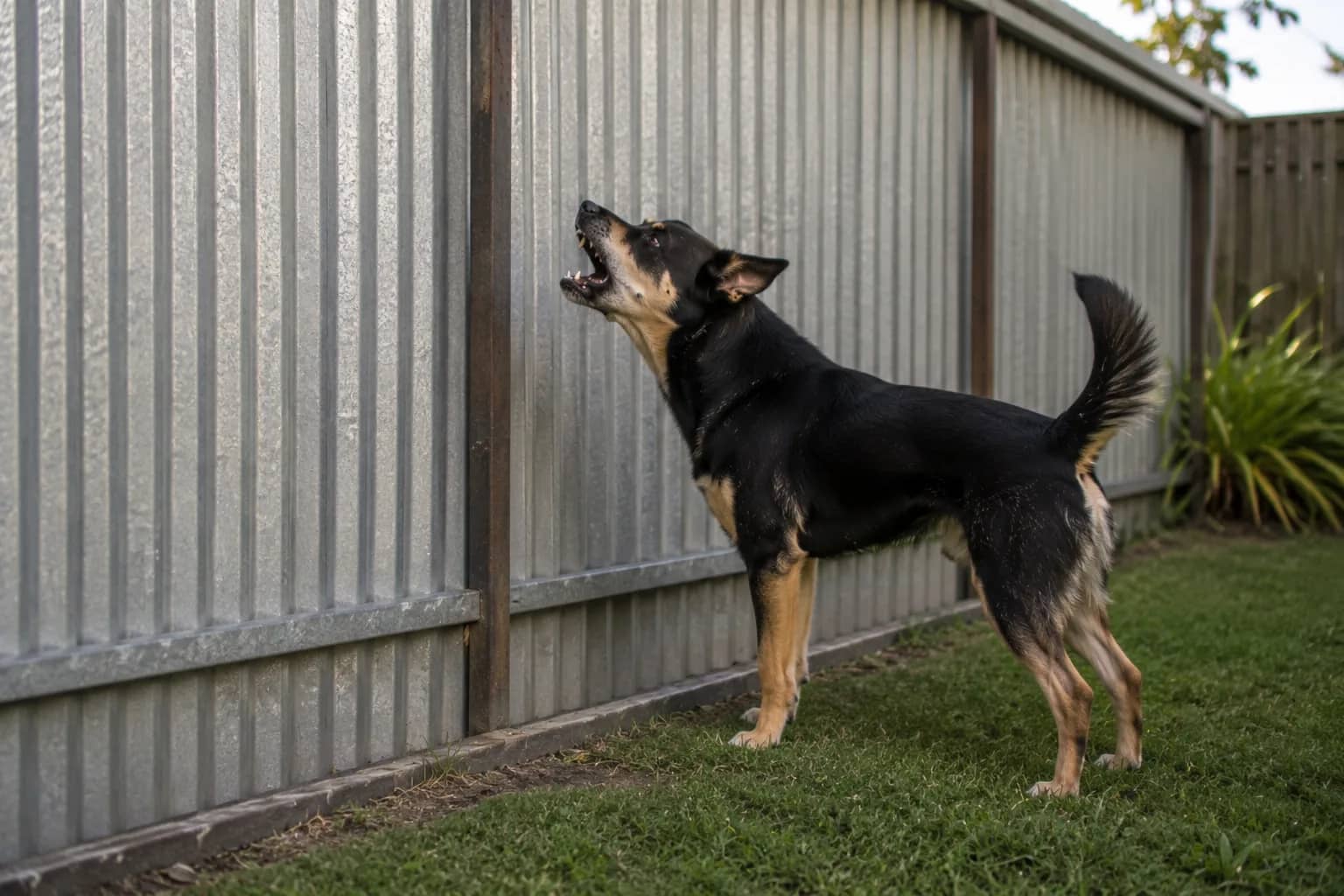
New reactivity on walks. The dog that was fine for years now barks at other dogs, pulls on lead, becomes aroused by passing bikes. Usually one of: pain (arthritis in the hips changes gait and reactivity), hearing or vision loss, or a shift in baseline arousal because the walk routine has become less reliable. The intervention is medical first, then a return to structured, predictable walks on familiar routes at consistent times.
Snappy with kids or visitors. The dog that used to tolerate the grandchildren now growls or snaps. Almost always pain — the dog has arthritis and is being touched or sat on in ways that hurt. Not kindness to assume it's "just the dog getting older"; the dog is telling you it hurts. Vet check, pain management, and a household protocol that gives the senior dog space from unpredictable touch.
Separation anxiety emerging. The dog that was fine alone for ten years suddenly can't be left. Often cognitive — the dog's ability to understand "you will come back" is diminishing. Can also be medical. The intervention is incremental re-conditioning to time alone, familiar comforts (a worn t-shirt, a radio on low), and sometimes medication. See our separation anxiety guide for the broader framework.
Toilet accidents in a previously-reliable dog. Medical first — UTI, diabetes, kidney disease. If medical is clear, consider: cognitive dysfunction, reduced mobility (getting outside is harder), household structure (the toilet routine has become irregular), or anxiety-related toileting. Punishment is actively counterproductive. See the puppy toilet training guide for the household structure that applies at both ends of the dog's life.
The household adaptations that make the biggest difference
Tighter structure, not looser. Senior dogs do better with more routine, not less. Meals at the same time, walks at the same time, bedtime at the same time. Predictability compensates for the dog's reduced capacity to make sense of change.
Sleeping arrangements the dog can actually use. An elderly dog with sore joints should not be sleeping on a hard floor. An orthopaedic bed in a quiet, warm, familiar spot. For dogs that are losing vision or hearing, consistency of location matters — don't move the bed around.
Shorter, more frequent engagement. Instead of one long walk, two shorter ones. Instead of one training session, three five-minute ones. The dog's capacity for sustained engagement reduces; the frequency of engagement should go up to compensate.
Protect from well-meaning children. Grandchildren particularly. The senior dog needs to be able to retreat, and the household needs to enforce the retreat. A clearly-marked quiet space that no household member interrupts.
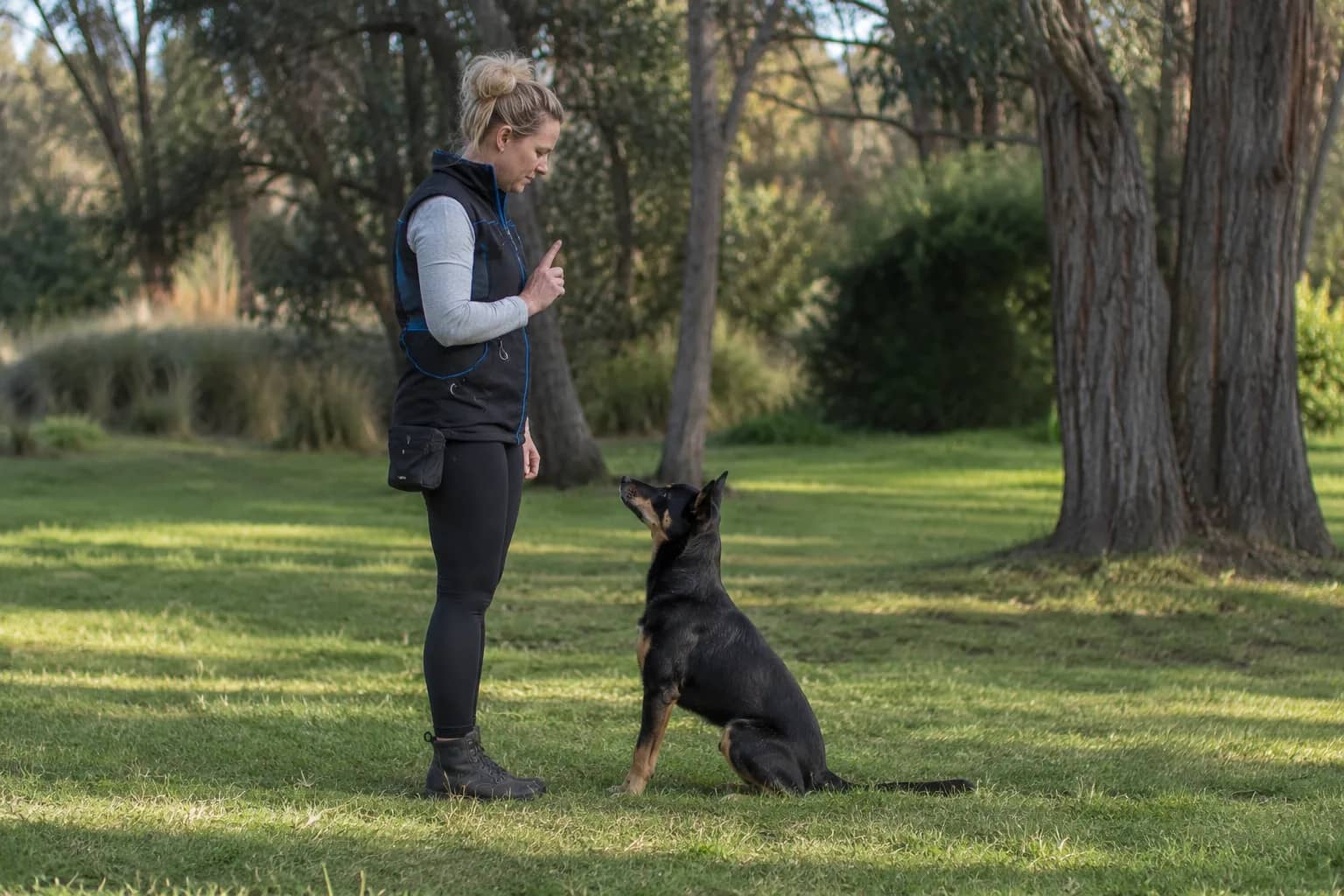
Keep training going. Many owners stop training the senior dog, assuming it's done. In fact training is one of the best gifts you can give an older dog — the mental engagement, the predictability, the clear leadership. Training doesn't have to be new behaviours. Rehearsing known ones gives the dog pattern and purpose.
Watch for subtle signs. Senior dogs stop telling you clearly when something is wrong. The subtle signs — a slower response to its name, a reluctance to jump, a mild irritability with the other dog — are the signal. Don't wait for the obvious.
When to call a behaviourist
Not every behaviour change in a senior dog needs a behaviourist. The vet check is the first stop, and often the only stop. But a behaviourist is worth calling for:
- Any case where medical has been cleared but the behaviour has not resolved
- Any aggression or snap, particularly directed at household members
- Any case involving kids and a senior dog whose temperament is shifting
- Any case where the household structure needs rebuilding and the owner isn't sure where to start
- Any case where cognitive dysfunction has been diagnosed and the household needs to adapt
The dogs I see most often in this category are between eight and twelve, and the vast majority improve dramatically with household adaptation. The dog doesn't become young again — but the behaviours that were making life hard for the household quietly resolve, and the final years with the dog become the gentle, settled time they should be.
The honest final point
The dogs that go through old age well are the dogs whose households stayed engaged. Not with more exercise, not with more drilling — with more attention to the subtle shifts, more willingness to adapt the household, and more consistency in the leadership that has anchored the dog its whole life.
If you have noticed changes in your senior dog and you aren't sure whether they are medical, behavioural, or both, start with the vet and then take the Free Dog Behaviour Test. For in-home consultations across the Iron Triangle, Mid North, Clare Valley, Yorke Peninsula and Eyre Peninsula, reach out — senior-dog cases are among the most rewarding work I do, because the gains are often immediate and the dog's final years become materially better. Online coaching produces the same framework for owners further afield.
Your old dog is not getting difficult. Your old dog is getting older — and the way you help them through it is the measure of the relationship you built with them when they were young.
Not sure where to start with your dog?
Take the Free Dog Behaviour Test.
Two minutes. You’ll find out exactly what’s driving your dog’s behaviour — and what to do next.
Frequently asked questions
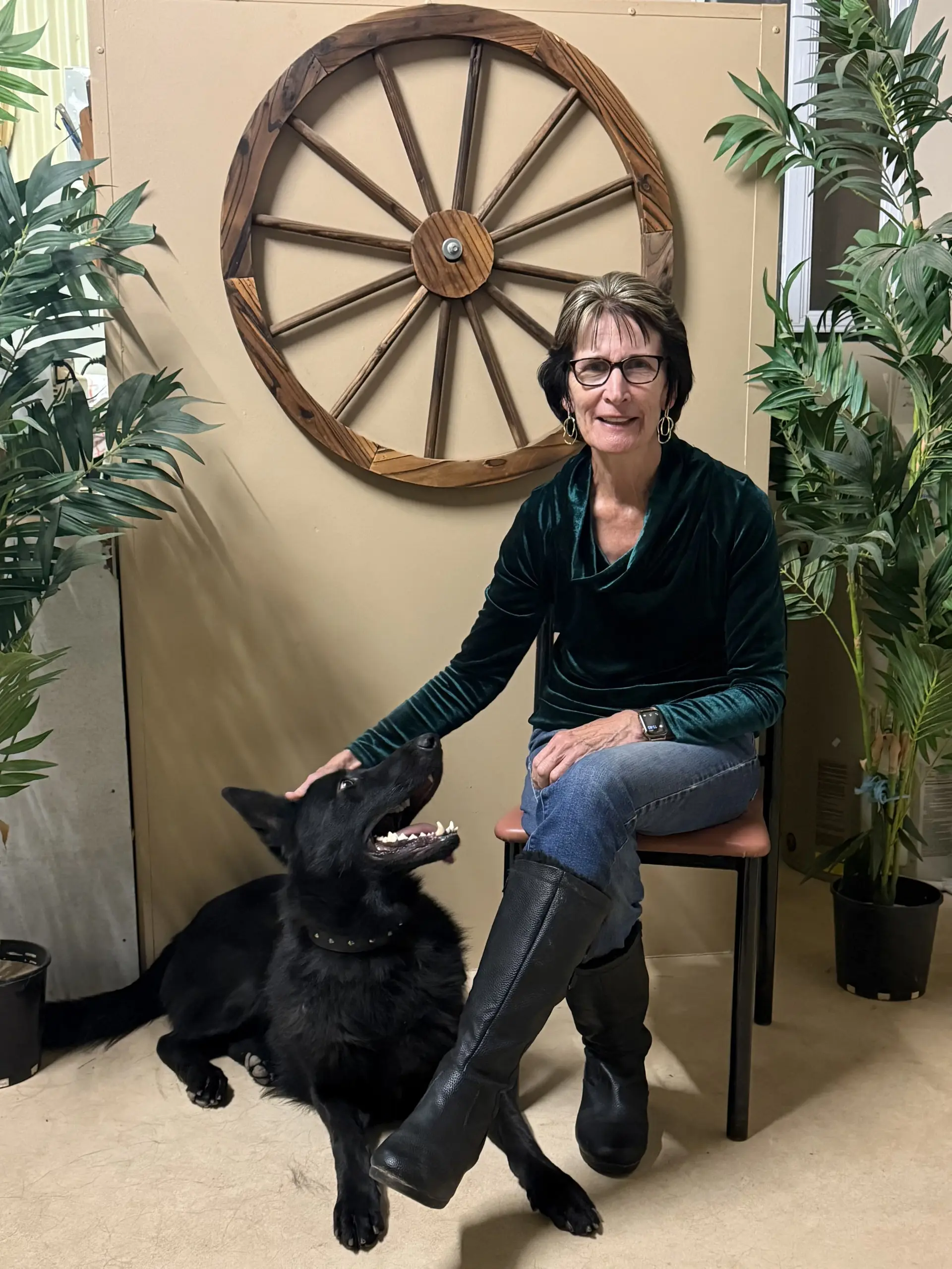
Written by
Pauline Cowey
Accredited Dog Behaviourist, Communicator, Owner Educator and Trainer based at Crystal Brook, South Australia. Decades of hands-on work resolving aggression, reactivity, anxiety and obedience cases across regional SA — through ethical, leadership-based methods.
Read Pauline’s full story →