When Your Dog Growls at You

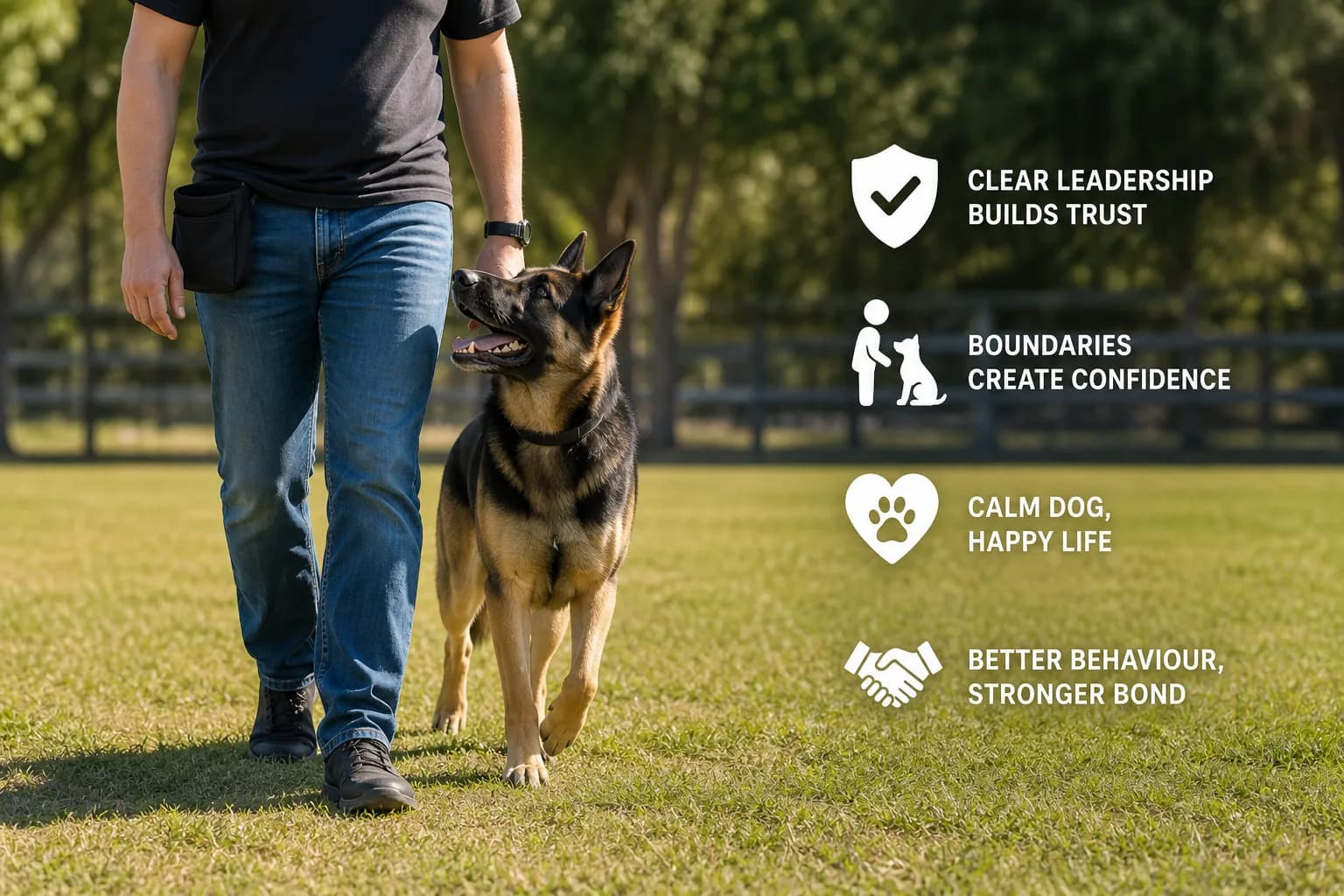
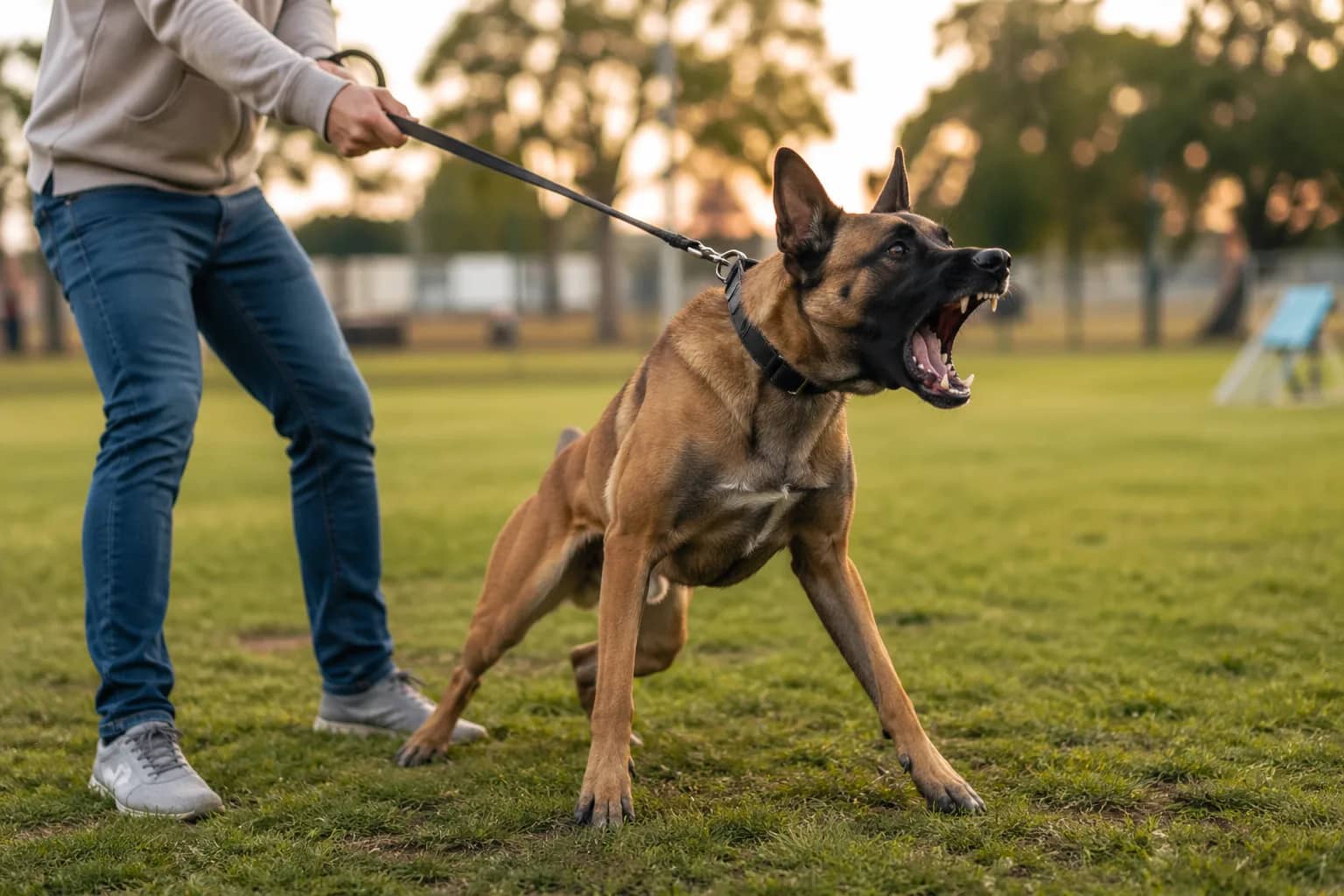
Your dog growled at you. Maybe over food. Maybe when you reached for the lead. Maybe at the kids on the couch. And the most common reaction — punishing the growl — is the thing that turns a warning into a bite.
I'm Pauline, an accredited dog behaviourist working across regional South Australia. A dog growling at the owner is one of the cases I take most often as a phone consultation before driving up for an in-home — because the response in the first forty-eight hours after a growl shapes the next six months of household life, and getting it wrong is what turns a manageable case into an unmanageable one.
This post is what I tell those owners on the call.
What growling actually is
Growling is a warning, not a threat. A dog that growls is communicating, in the clearest way it knows how, that the current situation is more than it can tolerate. The growl sits on a ladder of communication that every dog uses, in roughly the same order — look away, move away, lower body, stiffen, lip-curl, growl, snap, bite. The growl is the loud warning that comes before the line gets crossed.
This is why punishing the growl is the worst thing you can do. You don't change the dog's emotional state by punishing the growl. You just remove the warning. The dog learns that growling brings a consequence — so it stops growling. But the state underneath the growl, the thing the dog was actually communicating, is unchanged. The next time that state arrives, the dog skips the growl and goes to the next rung up the ladder.
Owners who have been through punishment-based training programs almost universally tell me their dog "stopped growling, but now it just snaps without warning". That is not a coincidence and it is not a different dog. That is the same dog with the warning trained out of it.
The right response is to take the growl as the information it is — and address the state that produced it, not the noise itself.
The five contexts I see
Almost every growl-at-the-owner case I work fits one of five patterns. The first hour of any consultation is spent figuring out which one your dog is in.
Resource guarding. The dog growls when you approach a food bowl, a chew, a toy, a bed, sometimes a person on a couch. Resource guarding is hard-wired and breed-tendency-influenced, but the household pattern around it is what determines whether it becomes a real problem or a manageable one. The single most reliable way to make resource guarding worse is to "test" the dog by repeatedly taking the resource away. The fix is leadership work, environmental management, and structured trading — not confrontation.
Pain. A dog whose behaviour has recently changed — and who has started growling where it did not before — needs a vet check before anything else. Hip dysplasia, dental issues, ear infections, undiagnosed gastrointestinal problems and back pain are all under-diagnosed drivers of growling-on-handling and growling-on-being-touched. If the growling is new, the first call is to the vet, not to me. I will not work behaviour on a dog that hasn't had pain ruled out.
Fear. A cornered, surprised, or restrained dog growls because it has no other option. Children who corner the family dog under a table, owners who reach over the head of a fearful rescue, and visitors who insist on greeting a dog that has clearly turned away — these create the conditions for a fear growl. The solution is environmental and educational, not training-based. The dog needs an exit, the household needs to learn to read the body language, and the resource (the trigger of the fear) needs to be managed.
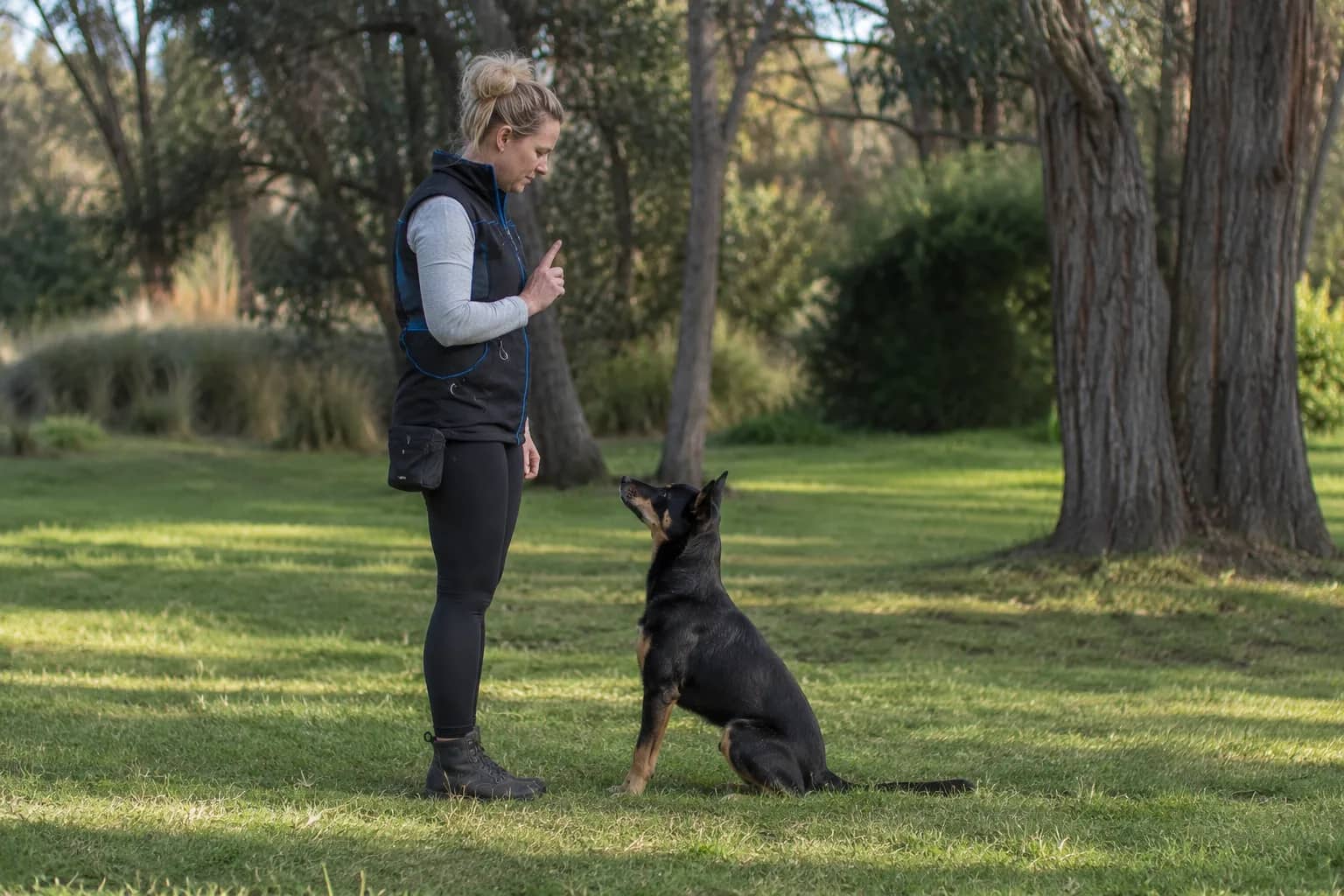
Leadership test. Adolescent dogs — eight months to two years old — sometimes growl at owners in moments of household ambiguity. This is the dog working out the household pecking order, and the growl is the test. The right response is calm, clear, structural — not confrontational. The dog needs the household leadership pattern to be clearer, not for the owner to win an argument.
Redirected. The dog is reacting to something else — another dog through the window, a person on the street, a noise outside — and growls at whoever is closest, which is often the owner reaching to soothe or restrain. Redirected aggression is the most-misread of the five contexts. The fix is not "address the growl at me"; it's "manage the original trigger and don't reach for an over-aroused dog".
What to do in the moment
When your dog growls at you, do the following.
Step back calmly. Not a flinch. Not a freeze. Just enough physical and energetic distance that the dog sees you have heard the warning. The growl was communication; the step back is acknowledgement. That single act often resets the situation.
Don't reach in. Don't take the resource back, don't lock eyes, don't grab the collar, don't try to "show them who's boss". All of these escalate the situation up the communication ladder you do not want to climb.
Note the trigger. What was happening in the thirty seconds before the growl? Where was the dog? Where were you? Who else was in the room? Was the dog cornered? Was a resource present? Had something happened earlier in the day? The trigger pattern is what the next conversation has to be built around.
Wait for the dog to decompress. Most growling events resolve themselves within minutes if you don't escalate. Give the dog time to drop back to baseline. Then move on — without making a big deal of it.
What not to do
Don't punish the growl. Don't scold, don't yell, don't physically correct, don't "show them who's boss". You remove the warning. The state stays.
Don't immediately re-test. Putting the dog back in the same position to see if it growls again is a guarantee that it will, and that the situation will escalate. The next time you encounter the same situation, manage it differently first.
Don't take the dog to the dog park to "blow off steam". The household is the work. Adding more arousal does not resolve the state.
Don't immediately rehome. Some owners receive a growl as a final-straw event and start looking for a new home for the dog. Almost no growl-at-the-owner case is unsolvable. Take the next forty-eight hours to make the call carefully.
Don't go to a "balanced trainer" or anyone who promises to fix the growl through corrections. This is the path that turns a growl into a bite without warning. Look for an accredited behaviourist who works with leadership and household structure, not with consequences for communication.
When it's a one-off and when it's a pattern
A single growl in a clearly identifiable context — your dog growled once at a stranger who reached over its head, or once at the toddler who pulled its tail — is information about the trigger. It is not necessarily a pattern. Manage the trigger, watch the dog, and the conversation may end there.
A growl that has happened in multiple contexts, or that is escalating, or that involves household members the dog has previously been comfortable with, is a pattern that needs structured work. The window where this is easy to resolve is the first month or two. Cases that come to me at the six-month-of-rehearsal mark are slower than they need to be.
A growl that has been followed by a snap or a bite, at any point, is a different category. These are aggression cases and they get prioritised. The phone consultation comes first; the in-home follows within a week or two of that call.
If you're in regional SA
The free behaviour test is a useful two-minute diagnostic for working out which of the five contexts your case sits in. If you want a direct phone conversation about a specific incident, contact me directly — for growling cases I usually return calls within twenty-four hours.
Useful related reading:
- Why aggressive dog training methods fail — the underlying reason most growl cases are mishandled
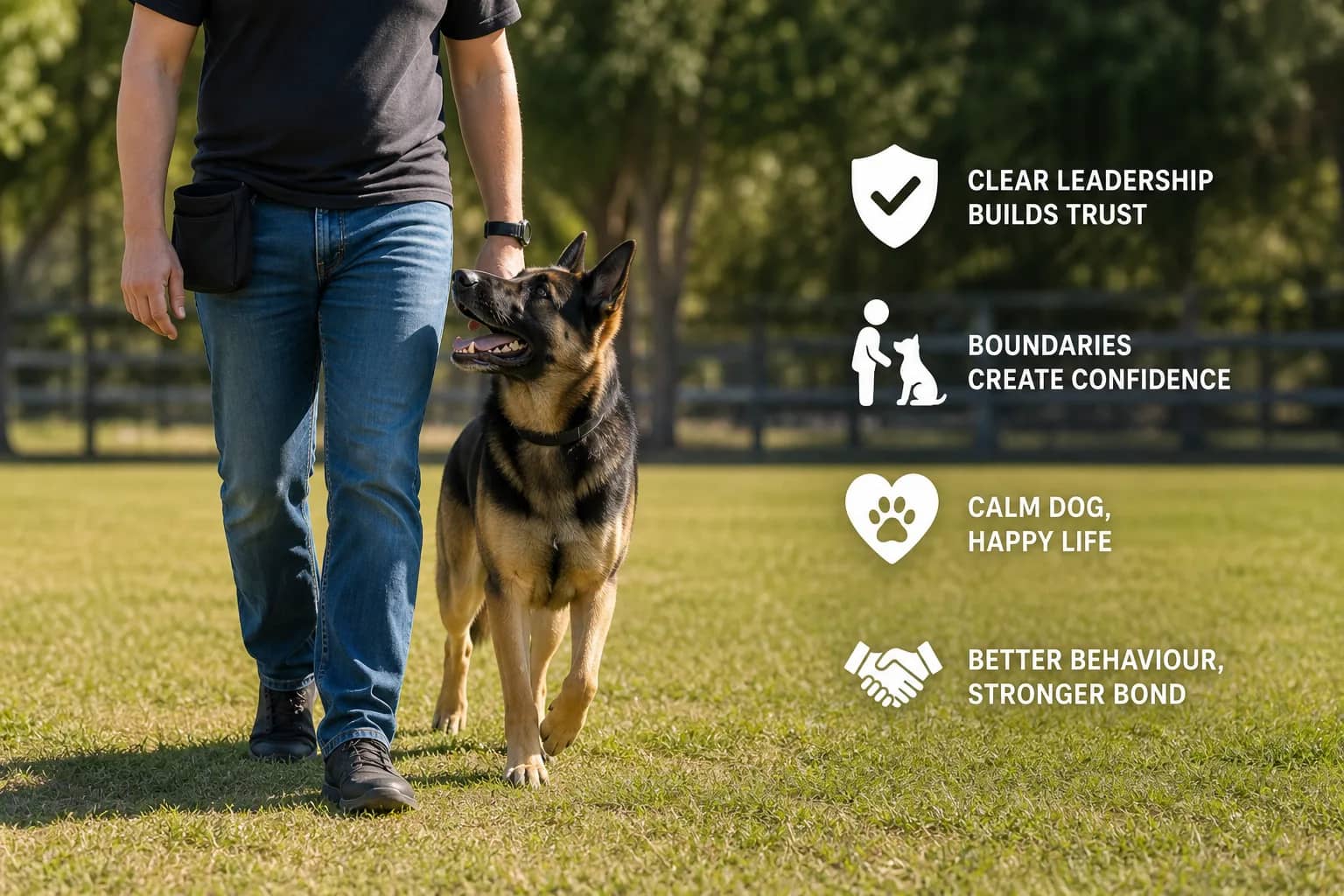
- Why calm leadership beats tricks — the foundation that prevents most of the five contexts from arising
- Signs your dog trainer is using the wrong methods — what to avoid when you start looking for help
Not sure where to start with your dog?
Take the Free Dog Behaviour Test.
Two minutes. You’ll find out exactly what’s driving your dog’s behaviour — and what to do next.
Frequently asked questions
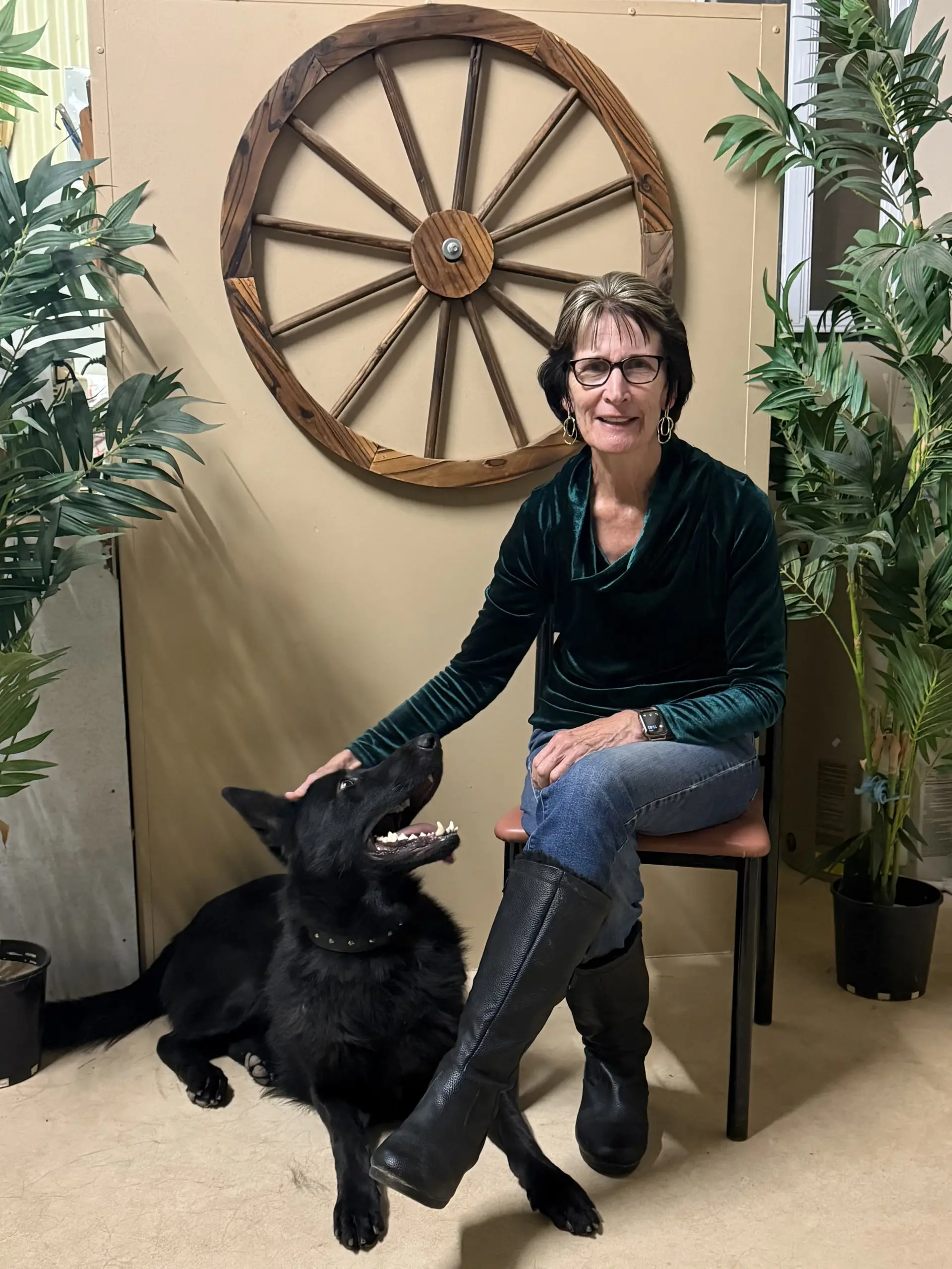
Written by
Pauline Cowey
Accredited Dog Behaviourist, Communicator, Owner Educator and Trainer based at Crystal Brook, South Australia. Decades of hands-on work resolving aggression, reactivity, anxiety and obedience cases across regional SA — through ethical, leadership-based methods.
Read Pauline’s full story →