My Dog Got Worse After Aversive Training — Can It Be Fixed?

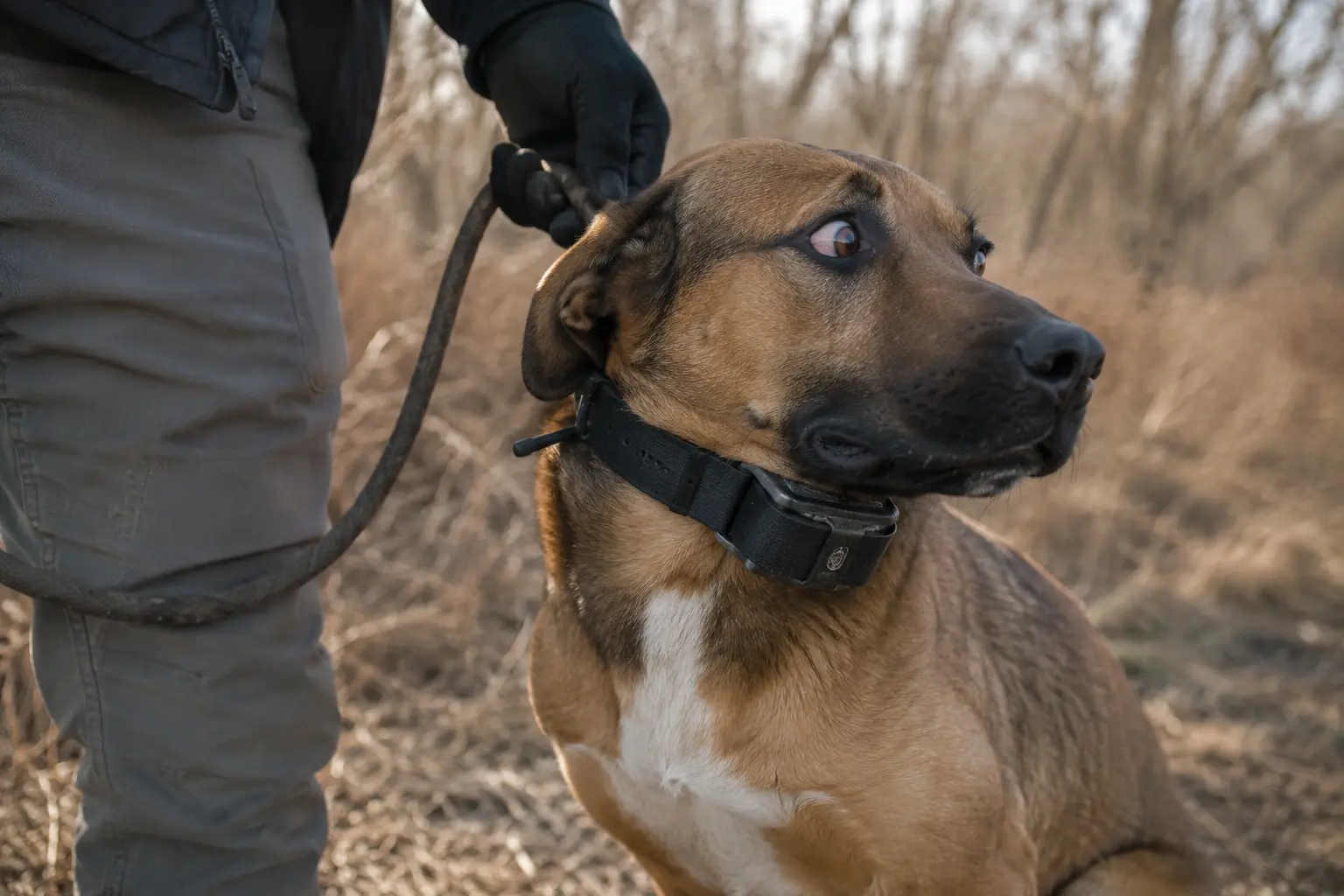
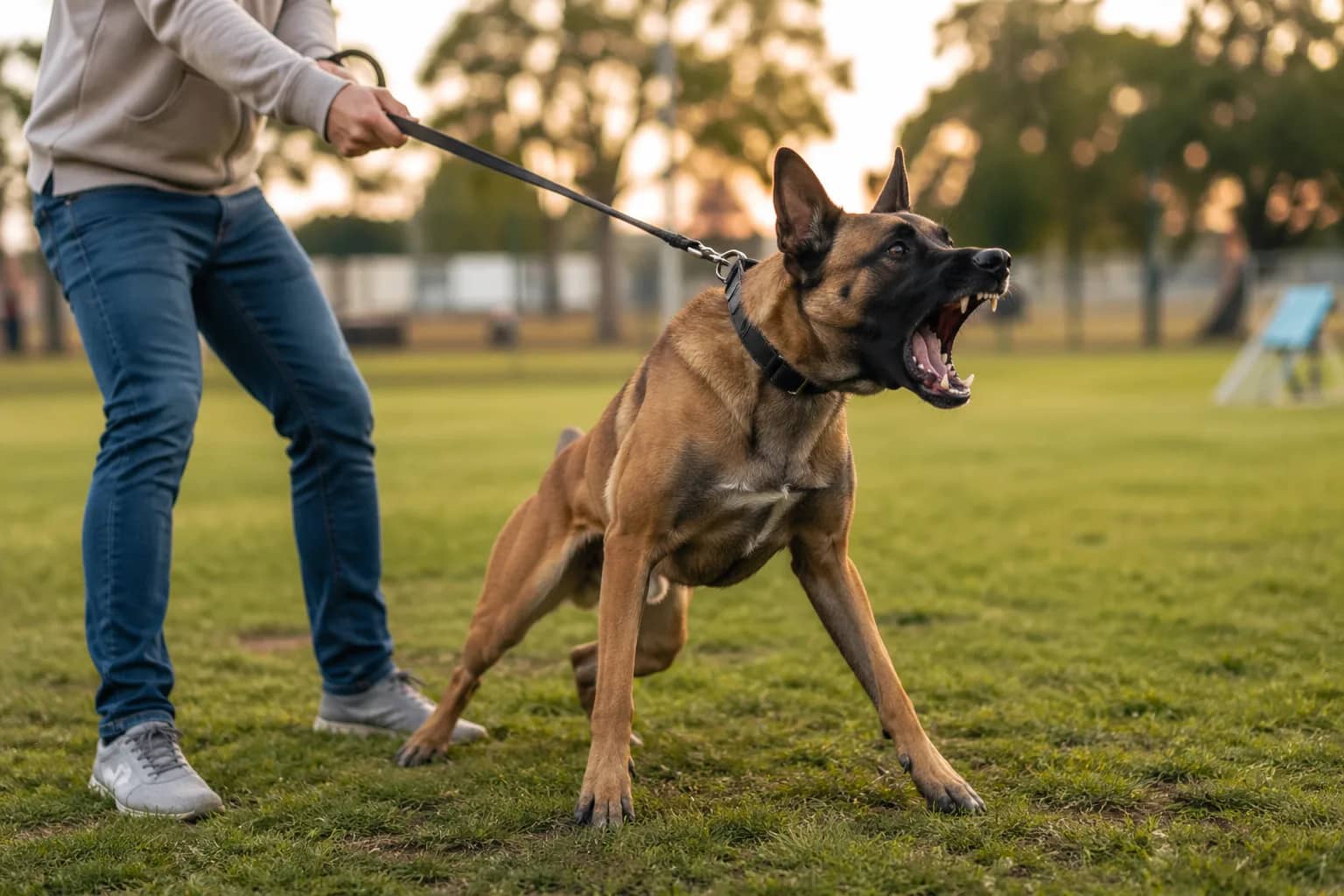
Most of the aggression and reactivity cases that come to me have already been through at least one aversive trainer — a shock collar, a prong collar, a "balanced" trainer with a rope collar, a self-styled dominance trainer, a punish-the-growl approach. The dog looked "fixed" for a few weeks. Then it wasn't. Then it was worse. And by the time the owner reaches out, they are exhausted, guilty, and half-convinced the dog is beyond help.
The dog is almost never beyond help. But the recovery work is different from starting with a dog that hasn't been trained aversively — because the damage those methods do is layered under the original behaviour, not on top of it. This is the honest guide to what recovery actually involves, why the "regression" that happens two or three weeks in is a good sign, and how long it really takes for the dog to come back.
What aversive training actually does to a dog
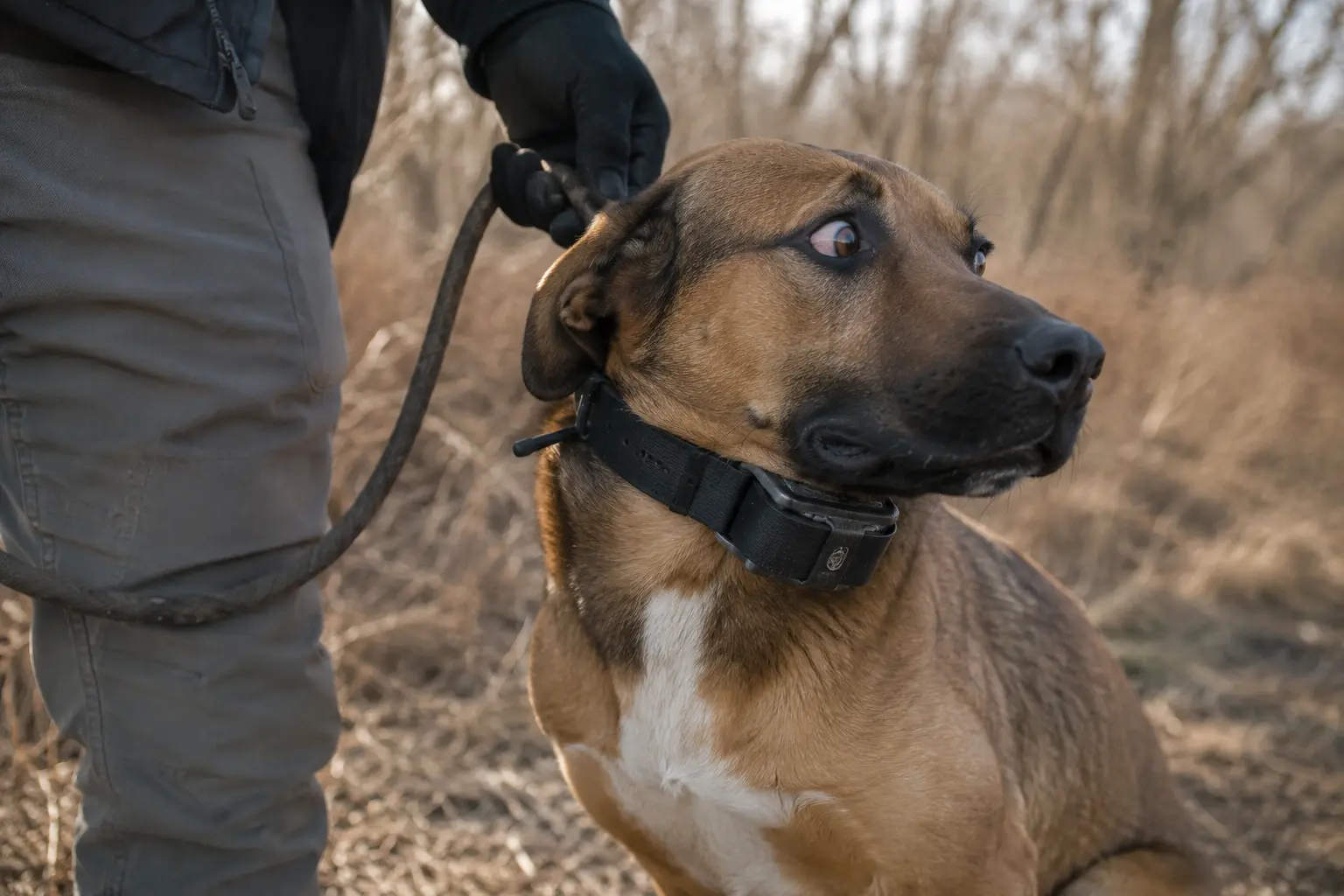
Aversive training — shock collars, prong collars, rope collars used for choking, alpha-rolling, forced eye contact, physical corrections for growling — does not teach a dog what to do instead. It teaches the dog that displaying the behaviour hurts. The behaviour stops. The owner thinks the problem is solved.
What has actually happened is that the dog's outward behaviour has been suppressed while the underlying state — fear, over-arousal, anxiety, frustration — is unchanged or worse. The dog has learned that growling brings pain, so it stops growling. The dog has learned that lunging brings pain, so it stops lunging. But the dog has not learned that the trigger is safe, that the household is in charge, or that it doesn't need to warn.
This is why aggressive training "works" for a while. The dog looks calm because the dog has shut its warning system down. Look closer and you see the dog isn't relaxed — it's braced. The tail is not loose. The face is not soft. The eyes are watching. The dog has learned to be silent, not safe.
The ticking time bomb
The problem with suppression is that pressure never released doesn't disappear. It builds. And it comes out — eventually — in one of three ways:
The explosion. Weeks or months into "successful" aversive training, the dog snaps. Usually a bite, often without warning, often against a family member or a child who came near the dog at the wrong moment. Because the warning system has been trained out of the dog, there is no growl, no lip curl, no stiff freeze before the bite. Just the bite. Owners describe this as "coming out of nowhere". It didn't come out of nowhere. The warnings had been punished away, so the dog went straight to the last item in its toolbox.
The shutdown. Some dogs, particularly softer temperaments, stop expressing anything at all. No barking, no growling, no lunging — but also no tail-wagging, no play, no engagement, no eye contact. The owner thinks the dog is "calm" and often praises the trainer for the result. What has happened is that the dog has become learned-helpless. It has stopped trying to communicate because trying was punished. This is the outcome that breaks my heart the most. The dog is not calm; the dog has given up.
The transfer. The behaviour the aversive training targeted stops. A new behaviour surfaces somewhere else. The dog was shocked out of lead reactivity, and now it destroys the house when the household leaves. The dog was corrected out of growling, and now it obsessively licks a paw raw. The state hasn't gone anywhere; it has just found a new outlet.
Any of the three is a case that needs proper behavioural rehabilitation. All three are recoverable.
The signs you're seeing suppression, not resolution
Owners often ask how to tell the difference between a genuinely-changed dog and a suppressed one. The difference is in the whole dog, not just the target behaviour. A rehabilitated dog:
- Moves loosely, with weight distributed evenly, tail carried at natural height, muscles not held taut
- Sleeps deeply — sides rising and falling, not one ear cocked
- Chooses to be near the household voluntarily
- Investigates novel objects and sounds without a hard freeze
- Plays — real play, initiated by the dog, involving loose body language
- Responds to its name with interest, not with a flinch
A suppressed dog often does none of these things, even when the outward "problem" behaviour has stopped. If the dog looks calm on the walk but sleeps lightly, avoids eye contact, doesn't play, and moves stiffly — the dog isn't calm. The dog is coping.
The rehabilitation approach
The first thing that has to happen is the aversive tools have to come off. Not "used less". Not "only when needed". Off. The dog cannot rebuild trust in the household while wearing the thing that hurts it, and the human running the tool cannot rebuild the dog's confidence in them while holding a device that delivers pain on command. Every day the tool is on the dog is a day the rebuild hasn't started yet.
Once the tools are off, the work happens on three fronts simultaneously.
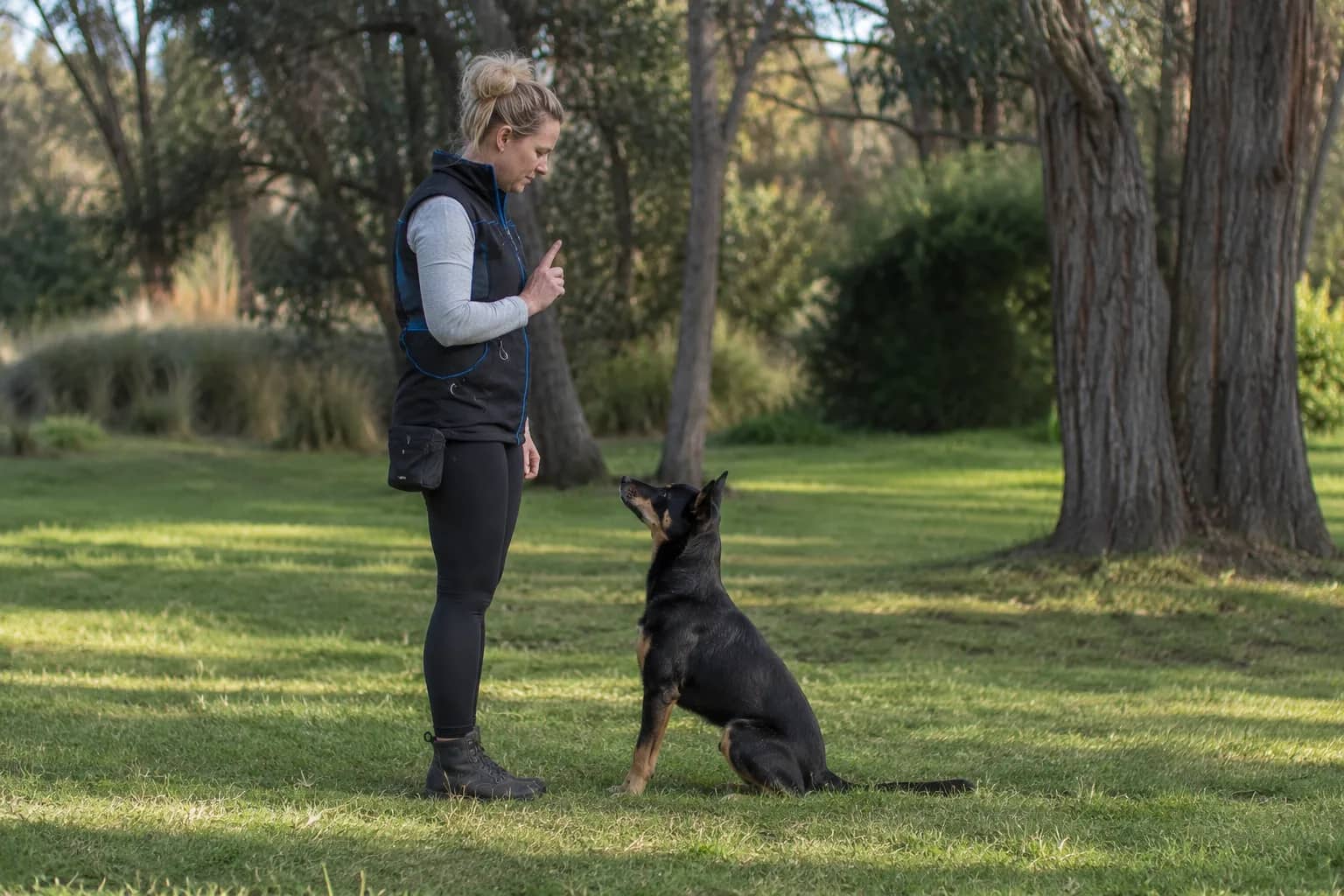
The household resets. The dog is not asked to "perform" — no drills, no obedience corrections, no forced behaviours. Instead, the household provides what the dog has been missing: calm, consistent, unambiguous leadership. Where the dog sleeps, how meals are delivered, who moves through doors first, how greetings are handled, what the dog is asked to do before it gets what it wants — all of this shifts, and stays shifted. The dog learns that the household is in charge of the situation, so the dog no longer has to be.
The environment shrinks. For the first weeks, the dog's world gets smaller. Fewer walks, in quieter places. No exposure to the specific triggers the aversive training was aimed at, until the dog has decompressed. This isn't "avoiding the problem"; it's giving the nervous system the space to lower before you ask it to cope with anything.
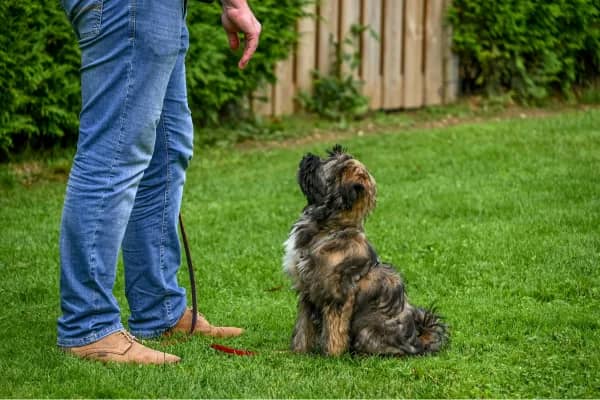
The relationship rebuilds. The dog needs to experience the human as a source of safety and calm rather than a source of correction. This is the slowest part and the least optional. Time spent quietly in the same room. Consistent structure without corrections. Presence, without demands. The dog needs to relearn that the human is safe. Some dogs take a few weeks. Some take a few months. It depends on how long the aversive training lasted and how severe it was.
The "regression" that isn't regression
Two to four weeks into a proper rehabilitation, most cases hit what looks like a setback. The dog starts growling again. Or barking again. Or resource-guarding again. The behaviours the aversive training suppressed come back. Owners panic. They ask whether the new approach isn't working. They are tempted to put the collar back on.
Do not put the collar back on. What is happening is not regression — it is the case starting properly. The warning system is coming back online. The dog is once again communicating with the household about what it is finding hard. That communication is the raw material real rehabilitation needs. Without it, there is no case to work; there is only a suppressed dog waiting to explode later.
The growl coming back is a win. It means the dog trusts the household enough to tell you what is going on. From there — for the first time — the actual behaviour can be resolved.
What real recovery looks like
Realistic timelines, based on hundreds of cases across regional South Australia:
- Weeks 1-2: The dog decompresses. Owners describe the dog as "different" — sleeping more, softer face, less braced. This is not the fix yet; this is the baseline dropping.
- Weeks 3-4: Suppressed behaviours resurface. This is where owners lose their nerve. This is also when the actual behavioural work becomes possible.
- Weeks 4-8: The household holds the pattern. The dog starts to trust that this new way of being is the way it stays. Environmental exposure begins, gradually.
- Months 3-6: The dog is genuinely different. Not just quieter. Different. Softer body, deeper sleep, real engagement, real play. The behaviour that started the whole story is gone — not suppressed, gone — because the state underneath it has resolved.
Most owners feel the shift somewhere around week six. The dog looks like a different dog. It usually is.
What to do if you have been down this road
If your dog has been through aversive training and you are recognising any of the patterns above — the ticking time bomb, the shutdown, the transferred behaviour, the suppressed warning system — the case is not lost. But it does need proper professional support, and it should not be attempted with more corrections layered on top.
Three things to do this week:
- Take the Free Dog Behaviour Test — two minutes, and you will have a clearer read on whether you are looking at suppression, shutdown, or something else.
- Take the aversive tools off — completely. If you have a shock collar, a prong collar, a slip lead that you use for corrections, or any equipment that delivers discomfort as its mechanism — put them away today and don't put them back on.
- Call directly on 0429 321 231 if the case involves any bite history or if you are unsure whether the household is safe with the dog in it. These cases are prioritised.
For the wider picture on why aversive methods fail in the first place, see why aggressive dog training methods fail. For the specific mechanics of shock collar damage, see do shock collars work?. For what leadership-based training looks like instead, see calm leadership — the real reason your dog will listen.
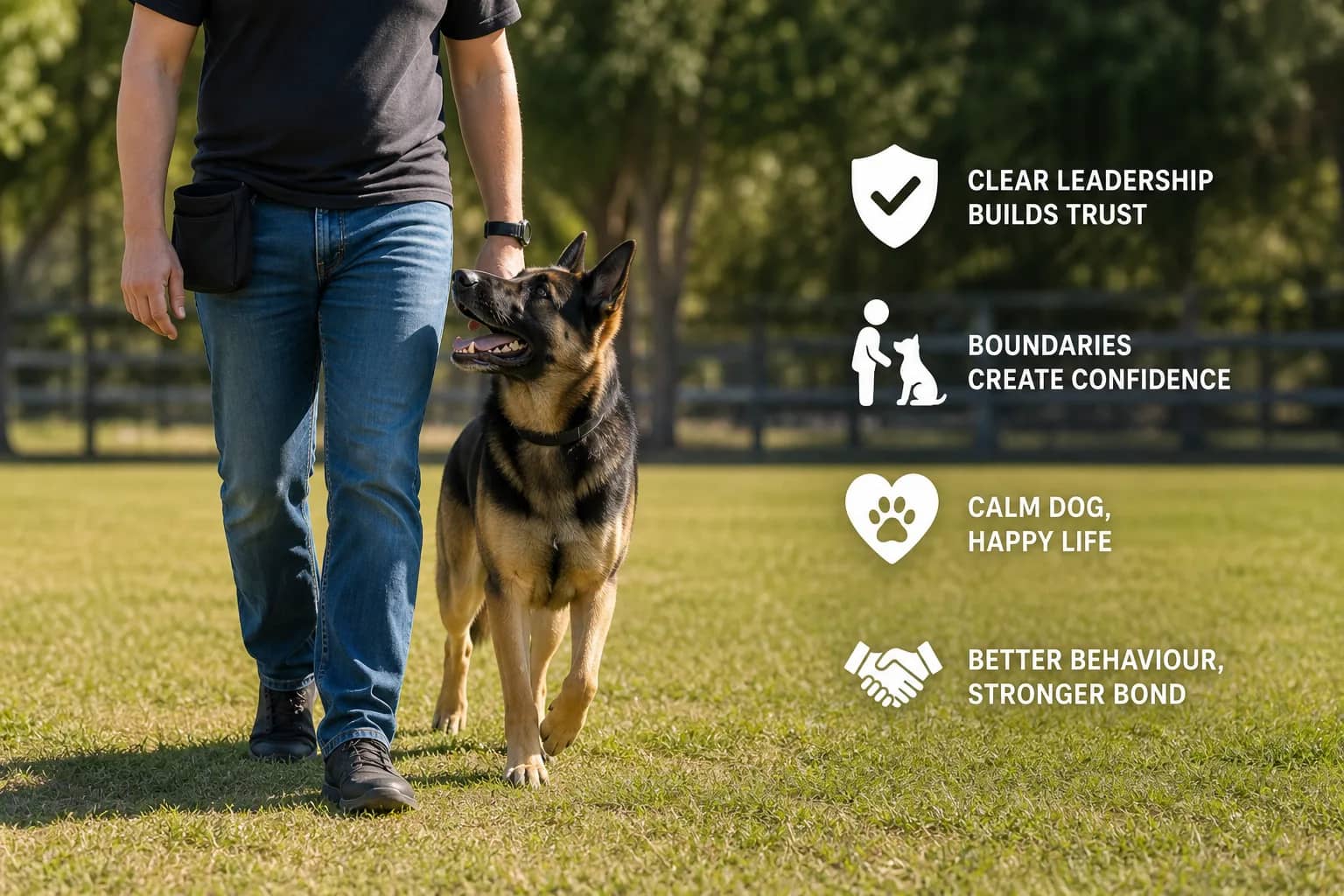
The dogs I see recover from aversive training are, almost without exception, dogs whose owners changed course and held the change. The dogs don't hold grudges. They hold hope. Your job is to become the person the dog was trying to trust before someone talked you into hurting them. Once you do, the dog will meet you there — every time.
Not sure where to start with your dog?
Take the Free Dog Behaviour Test.
Two minutes. You’ll find out exactly what’s driving your dog’s behaviour — and what to do next.
Frequently asked questions
Written by
Pauline Cowey
Accredited Dog Behaviourist, Communicator, Owner Educator and Trainer based at Crystal Brook, South Australia. Decades of hands-on work resolving aggression, reactivity, anxiety and obedience cases across regional SA — through ethical, leadership-based methods.
Read Pauline’s full story →