Reactive Dog on the Whyalla Foreshore — The Rebuild That Works

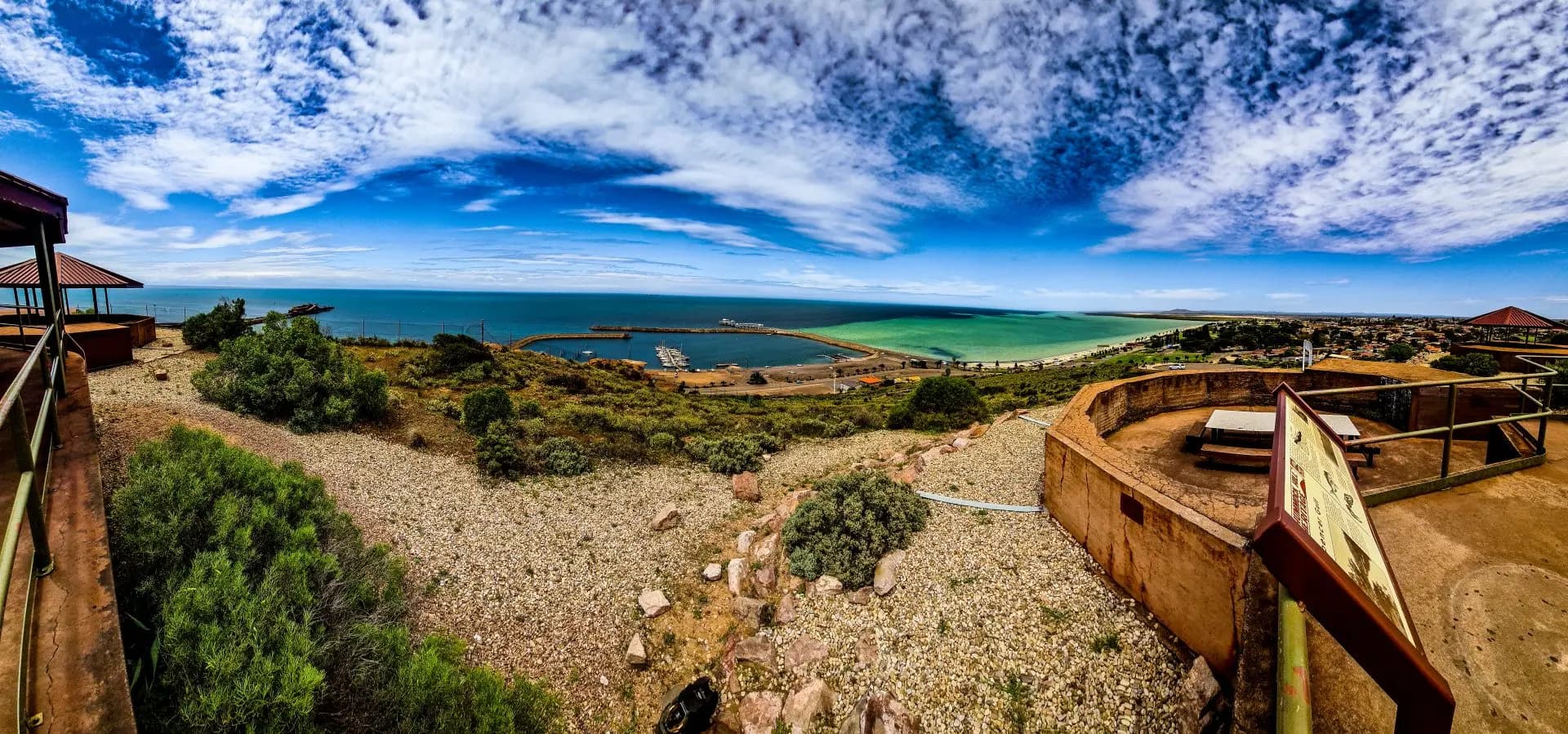
The Whyalla foreshore is the most-rehearsed reactivity setup in the Iron Triangle. I work more leash-reactivity cases there than anywhere else in my coverage area, and the cases all share a pattern: the dog was fine for the first six to twelve months, then something tipped over, and the foreshore became a place the household started to avoid.
If you're in that position right now — Norrie, Stuart, Whyalla Norrie, Whyalla Playford — this post is for you. I'm Pauline, an accredited dog behaviourist based at Crystal Brook, and the Whyalla reactive cases I work follow a clear pattern with a clear fix. The work doesn't start on the foreshore. It starts in the house.
Why the foreshore specifically
Whyalla's geography concentrates the problem in a way that the rest of the Iron Triangle does not. The foreshore walking strip is dense with dog traffic year-round — local dogs in the morning, the marina visitors and snapper-season influx through summer, holiday tourists across the school holidays. The path is narrow. Line-of-sight runs the length of the strip with very few visual breaks. There is no easy off-ramp for a dog past threshold. Whatever your dog does on that walk, the foreshore guarantees it does it twenty times in a row.
That density would be manageable for a well-led adult dog. But the Whyalla puppies who grew up on the foreshore in their first six months absorbed a different lesson — that on-lead means surrounded by dogs at close quarters, and that the lead is the one thing standing between the puppy and the play it wants. The frustrated greeter is what comes out the other side of that, and the foreshore is where it rehearses.
The other Whyalla walking environments — the marina, Hummock Hill, Ada Ryan Gardens, Wilson Park, the Whyalla Conservation Park out west — are not the same context. They each have a role in a rebuild. The foreshore is where the problem lives.
The pattern I see in 80% of Whyalla reactive cases
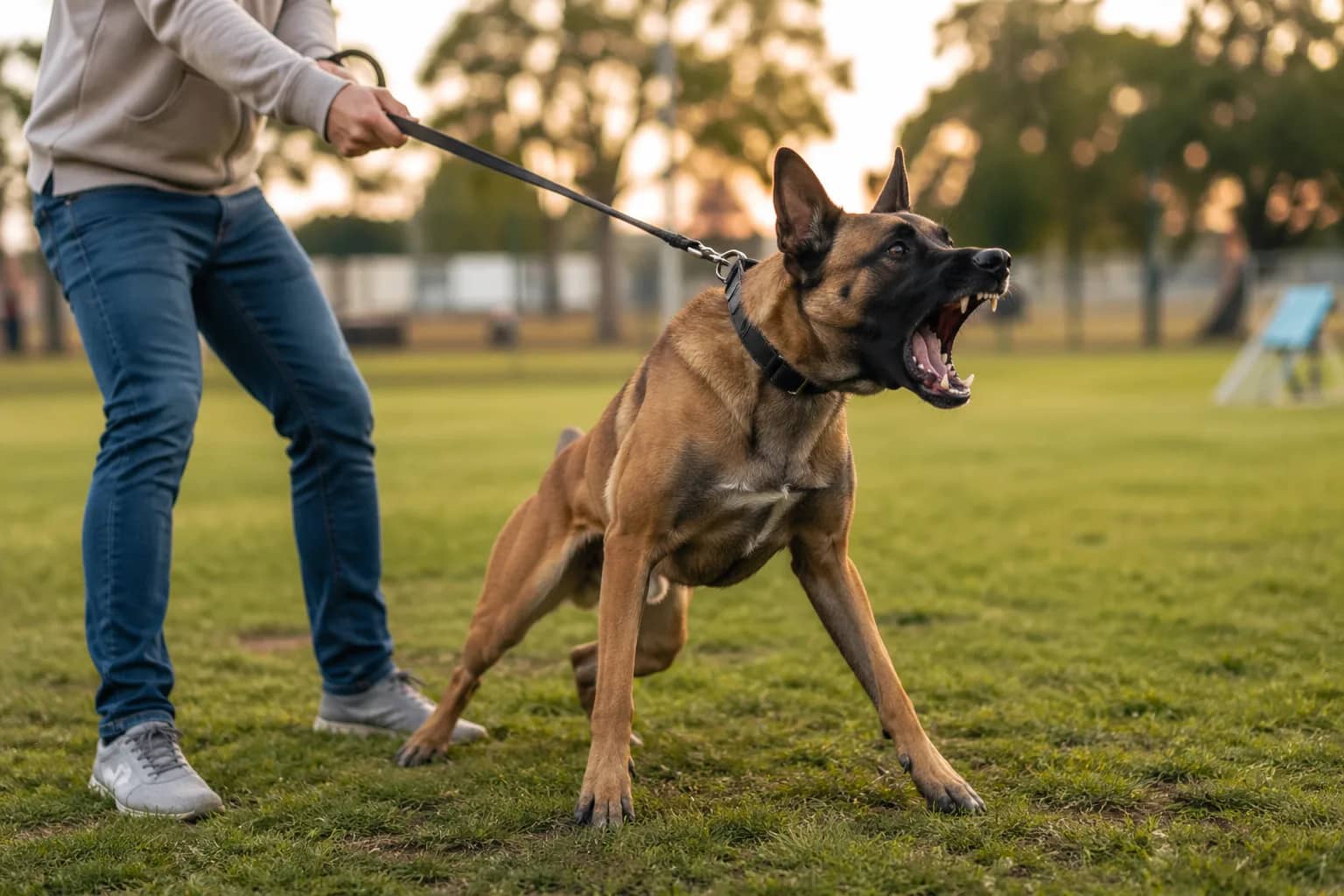
The dog is two to five years old. On the lead it lunges, screams, sometimes redirects onto the lead or the owner's leg. Off the lead at the dog park it is mostly fine — sometimes a bit much, but fine. The owners have tried a head halter, switched to a no-pull harness, tried treats from a pouch, tried ignoring it, tried correcting it, tried crossing the street every time another dog approaches. Nothing has held.
Most have been to one of the larger metro behaviourists or done an online program. The gains haven't transferred to the foreshore.
The reason the standard approach doesn't transfer is that Whyalla foreshore reactivity is mostly arousal-driven, not fear-driven, and the standard counter-conditioning protocols assume fear. A frustrated greeter who explodes at a passing dog because it cannot get to it does not need a treat at a safe distance. It needs leadership that tells it the trigger is not its to handle. That leadership cannot be built from a treat pouch in a high-arousal environment. It has to be built at home first.
A smaller number of Whyalla cases are genuinely fear-driven — usually rescues, often with a history of resource guarding or restraint-based handling. These look similar on the foreshore but need a slower, more patient threshold approach. The diagnostic in the first hour of an in-home consultation is what separates the two.
What actually works
The work breaks into three phases that don't run in parallel — they run in order.
Phase one is the household. The household is where the arousal baseline lives. A dog that is patrolling the back fence at the Norrie or Stuart cul-de-sacs, alerting at the postal worker, racing the kids around the yard, and tracking every car down the street is already running at seventy percent of its ceiling before the lead goes on. The foreshore merely tips it over. We restructure the household first — the leadership pattern, the settle pattern, the meal pattern, the access to the fence line — and the foreshore walks calm down before we have addressed them directly. This phase is usually two to four weeks of consistent work at home, without the foreshore involved.
Phase two is timing and route. While the home work lands, you avoid the foreshore. The reactive dog cannot rehearse the pattern while we are dismantling it. The alternative routes through this period — Hummock Hill at first light, the residential streets on weekday mornings, the Whyalla Conservation Park, the quieter end of the foreshore on a winter Sunday — let your dog walk and exhaust energy without being placed in the trigger environment. Owners hate this phase and it is the most important one. Every avoided rehearsal makes the rebuild faster.
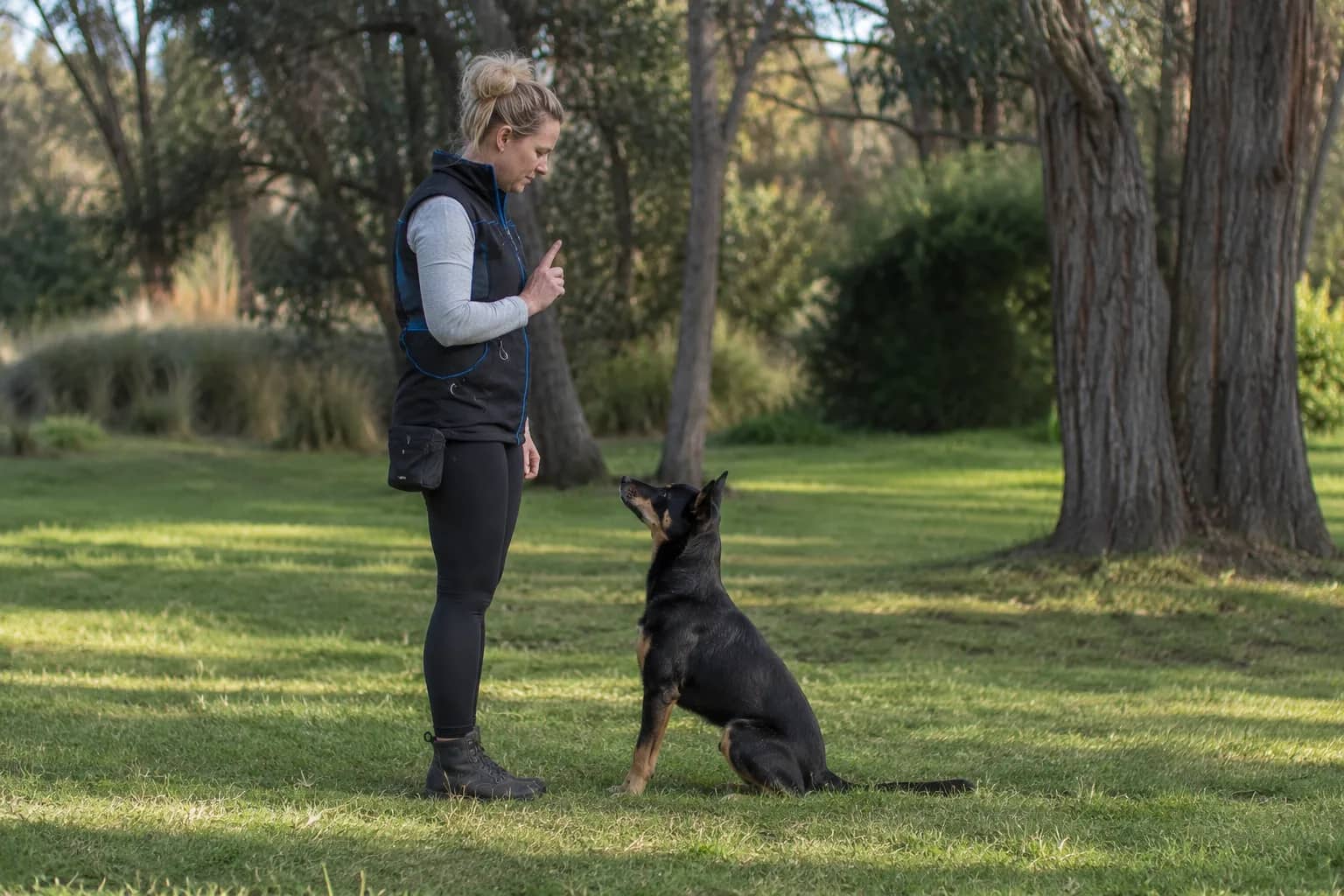
Phase three is the re-entry. When the household state has shifted — usually inside three to five weeks — we go back to the foreshore at the distance the dog can still think. Often that is fifty metres from the path. Sometimes a hundred. Occasionally across the bay on the other side of the road. We rebuild the response from that threshold inward. The first walk past a previously catastrophic trigger happens inside the consultation, every time. That single moment is the thing the rest of the work compounds from.
The Whyalla dog park question
A particular Whyalla case I see often is the dog that was fine at the foreshore-adjacent dog park for two years and then started reacting in the carpark before going in. That pattern is almost always frustration that has tipped over — the dog has learned that the lead is the one thing standing between it and the play it wants — and it responds beautifully to a leadership reset plus a short period of avoiding the carpark altogether while we rebuild. Most cases are back at the dog park inside a month, with calmer entries than they have ever had.
The dog park is not the cause of the foreshore reactivity. But the same pattern that drives one drives the other, and the household leadership work resolves both.
Common questions Whyalla owners ask
Will it ever come right? For most cases, yes — and faster than owners expect. A six-week timeline to stable foreshore walking is normal. A three-month timeline to the previously catastrophic trigger being a non-event is normal. Cases that genuinely don't come right are the ones where the household cannot or won't change the household pattern that produced the reactivity in the first place.
How long does this take? Foundation in two to four weeks. Reliable foreshore walking in six to ten weeks. Generalisation across all the Whyalla environments in three to six months.
Can I do this online? Some of it, yes. The household audit and the leadership rebuild translate to online coaching reasonably well. The threshold work on the foreshore is harder online — being in the environment myself gives me information that video does not, and I'd push back on doing serious Iron Triangle reactivity work online if an in-home consult is reachable. If the geography or schedule rules it out, online is the second-best option, not the first.
The vet has suggested medication. What do you think? I don't support medicating a dog for reactivity. Medication suppresses the symptom while the underlying pattern continues to rehearse, and the dogs I see who arrive on long-term anxiolytics have universally been more difficult to resolve than those who haven't. The work resolves the state; the state stops generating the behaviour. That's the order.
What do I do this weekend? If you're reading this and your dog is going to be on the foreshore tomorrow morning, change the walk. Take the dog to Hummock Hill or out to the Conservation Park instead. Every rehearsal you can prevent between now and the start of the work shortens the rebuild. The foreshore will still be there in six weeks.
If you're in Whyalla
I run my Whyalla consultation days about every three weeks. The drive from Crystal Brook is two hours each way and I batch bookings together, which means lead time is usually two to four weeks. Acute cases — a dog that has just bitten, a household that has lost control of the walking entirely — get prioritised inside that schedule.
The Whyalla reactive dog page covers the service detail and pricing. If you'd like to start a phone conversation, contact me directly and we'll work out whether your case fits the in-home consultation format or whether online coaching is the right starting point.
Useful related reading:
- Why aggressive dog training methods fail — most reactivity cases sit on the same emotional ground
- Why calm leadership beats tricks — the foundation underneath the foreshore work
- Working dogs in town life — for the kelpie, heeler and border collie cases specifically
Not sure where to start with your dog?
Take the Free Dog Behaviour Test.
Two minutes. You’ll find out exactly what’s driving your dog’s behaviour — and what to do next.
Frequently asked questions
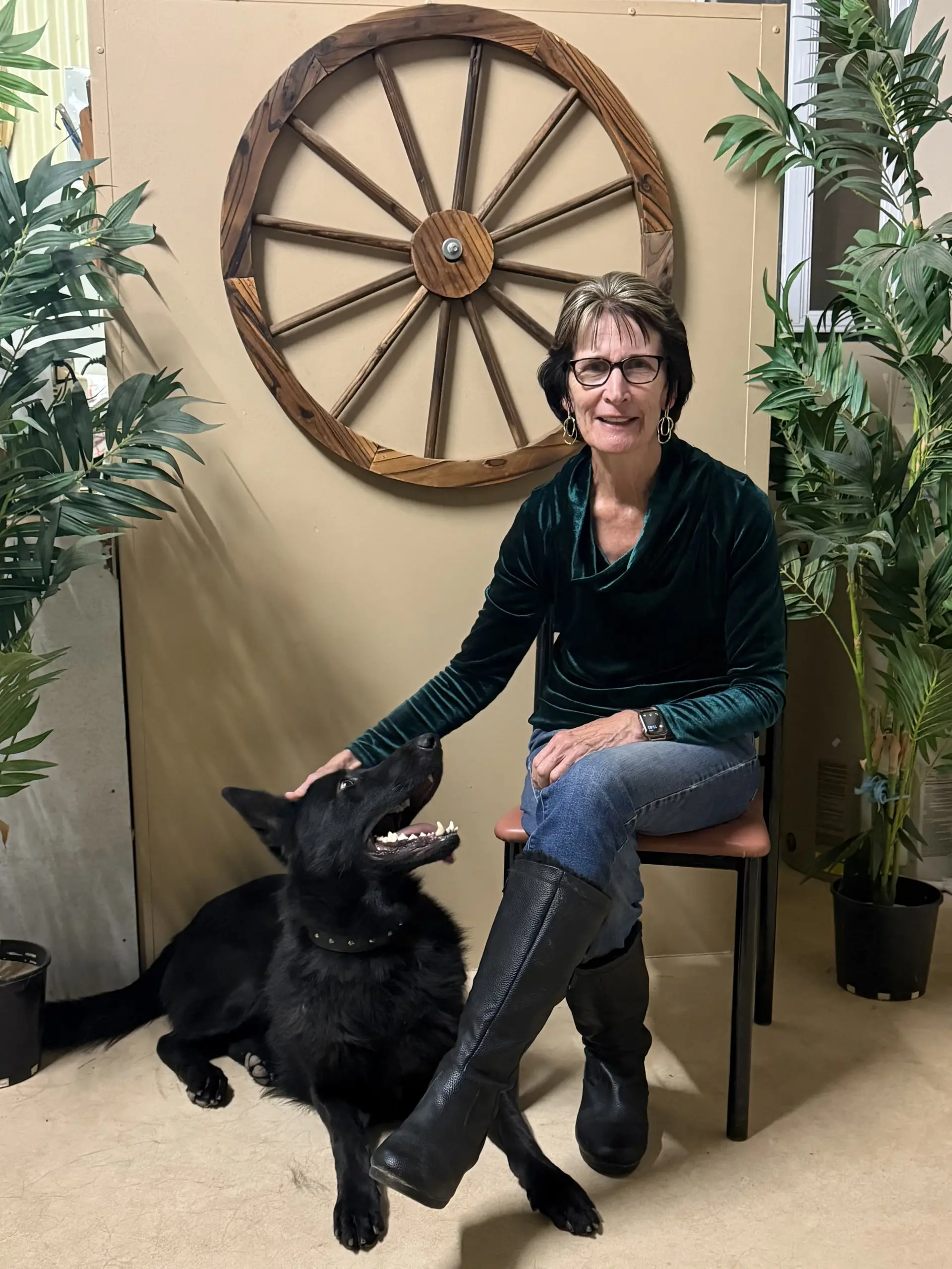
Written by
Pauline Cowey
Accredited Dog Behaviourist, Communicator, Owner Educator and Trainer based at Crystal Brook, South Australia. Decades of hands-on work resolving aggression, reactivity, anxiety and obedience cases across regional SA — through ethical, leadership-based methods.
Read Pauline’s full story →