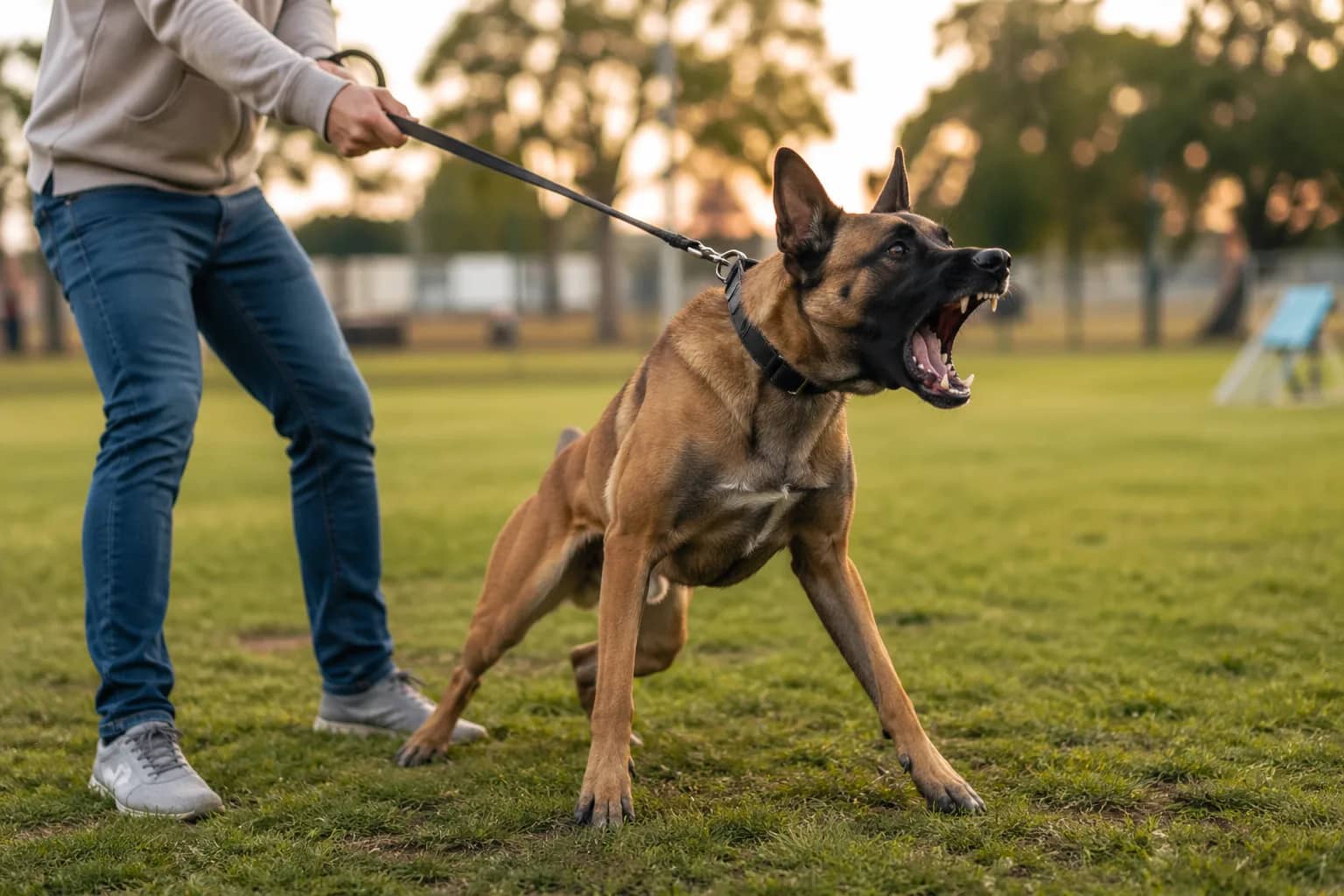
Bringing Home a Rescue Dog — The First 24 Hours, First Week, First Month

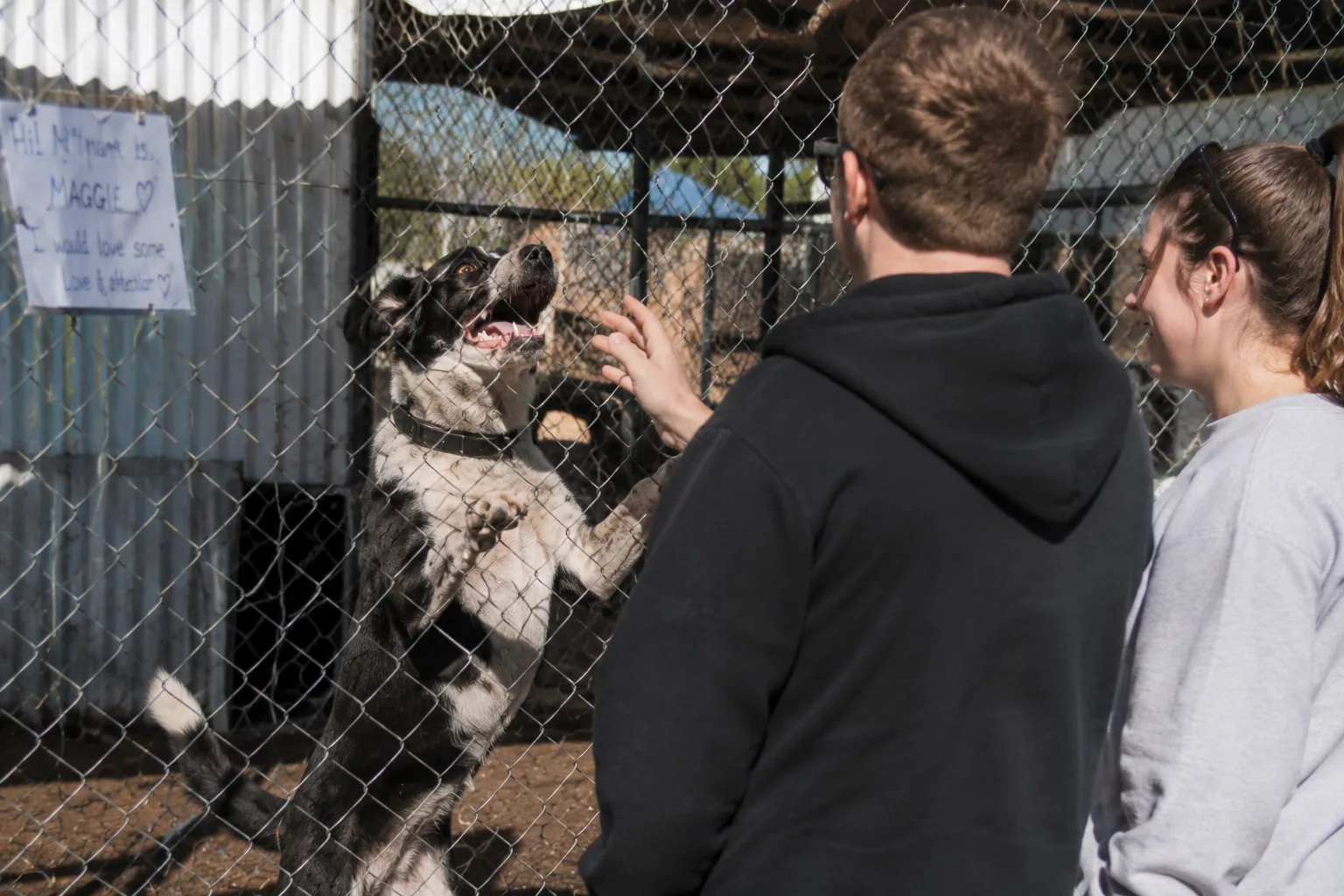
The way a rescue dog is introduced to its new home decides more of the case than anything that comes after. Not the training program you book, not the food you feed, not the walks you go on. The first hours, the first days, the first weeks — that is when the dog's brain writes the map of what its new life is. Get the introduction right and most rescue cases settle beautifully. Get it wrong and you spend six months unwinding a pattern that would not have started.
This piece is the honest guide to introducing a rescue dog to your home — what to do in the first 24 hours, the first three days, the first month, and the specific mistakes to avoid across household members, existing pets and children.
The short version
Introducing a rescue dog well means starting with less stimulation, less freedom and less affection than most owners assume — and building each of them up as the dog earns them over the first month. Rescue dogs almost always look calm in the first week because they are performing, not settled. The real dog surfaces at week three to six. The households that hold structure and calm leadership through the settling period land the case well; the households that "spoil the poor dog" for the first month usually undo months of behaviour work.
Before the dog arrives
Two hours of preparation saves months of behaviour work. Before the dog crosses the threshold:
- Decide the layout. Where the dog will rest, where it will eat, where it will not go. The living room couch is negotiable. The kids' bedrooms usually should not be. Get the household on the same page before day one; changing rules later teaches the dog the rules are negotiable.
- Remove the tempting failure points. Shoes, remote controls, kids' toys, food on low counters, open bins. Rescue dogs test the environment; unnecessary tests are unnecessary corrections.
- Set up a resting zone. A specific bed or crate in a quiet area. Not in the middle of household traffic; not tucked into a bedroom where the dog will bond only with one person.
- Buy the equipment. Flat collar, standard lead, food and water bowls, a bed, the same food the rescue was feeding to avoid a diet change on top of the environment change.
- Book the veterinary check. Every rescue dog gets a full veterinary check in the first two weeks. Pain, dental issues, endocrine problems and undiagnosed pre-existing conditions all surface in the first month. Rule them out early.
The first 24 hours
Arrival day is not a party. Every well-meaning household in the world wants to celebrate the dog coming home, and every well-meaning household in the world regrets it two weeks later.
- Keep arrivals calm. No high-pitched greetings, no jumping into the dog's space, no visitors on day one, no children screaming with excitement. The dog is already over-stimulated by everything else it is processing.
- Show the dog the layout. A slow, on-lead tour of the yard and the ground-floor rooms. Show it where its bed is. Show it where the water is. Take it outside within the first fifteen minutes to toilet. Then let it settle.
- Do not overwhelm with affection. Rescue dogs do not need cuddling on arrival. They need calm space. Physical affection in the first day teaches the dog that arrival is a high-arousal event; the settle protocol that most cases need in month three is built by holding calm at the door on day one.
- Feed dinner as normal. Same food as the rescue was using, in a quiet spot, without hovering over the dog. If the dog doesn't eat, that's normal — some rescue dogs don't eat for 24 to 48 hours in a new environment.
- Rest on day one. No walks in new territory. No dog parks. No visits to friends. The dog needs to sleep more than it needs to explore. Twelve to sixteen hours of sleep on day one is normal for a rescue dog.
The first three days
Days one to three are decompression. The dog is not itself yet; you are not seeing the real dog. The window between day one and roughly day seventy-two is the "honeymoon" — many rescue dogs perform well in this window because the environment is unfamiliar and they are not yet secure enough to test it. Do not read this window as the dog's real behaviour.
- Hold the routine. Same meal times, same toilet breaks, same walks (short and local), same rest window. Rescue dogs settle on rhythm faster than on affection.
- Limit access to the household. The dog should not have run of the whole house yet. Use baby gates, closed doors, or lead-in-hand supervision. Freedom is earned, and giving it too early rehearses freedoms the dog cannot yet handle.
- No visitors. Not for at least a week. The household is enough novelty; adding new humans on day two is a fast way to trigger a rescue dog's reactive baseline before it has one week of stability to hold onto.
- Structured toilet breaks. Every 90 minutes on day one and two, extending as the dog holds the pattern. Do not free-roam a rescue dog for indoor toileting until the pattern is reliable.
- Watch the body language. Tail carriage, ear position, resting posture, appetite, water intake. All of these are normalising over the first week. If any of them are trending the wrong way at day three, take note.
Introducing to family members
Introduce household members one at a time, calmly, on the ground.
- Adults first, kids second. Adults model the calm energy the dog needs to read from the household. Kids introduce arousal and unpredictability. Adults set the pattern; kids come in once it is set.
- Do not force interaction. If the dog does not want to approach a family member, do not have that person approach the dog. Space and time do the work; forced greetings backfire.
- Feed food from every household member. Simple but reliable trust-builder. Every human the dog lives with should hand-feed at least a few meals or high-value treats in the first fortnight.
- Do not let one person become the dog's favourite by monopolising. Rescue dogs bond intensely and fast. If one household member does all the walking, feeding and cuddling, the dog will attach hard to that person and struggle when they are absent. Share the handling across the household.
Introducing to resident dogs
If you already have a dog, the resident-dog introduction is one of the highest-stakes moments of the whole rescue process. It is worth doing carefully.
- Meet on neutral territory first. Not in your yard, not in your house. A quiet street or park where neither dog has a territorial claim.
- Both dogs on lead, both handlers calm. Parallel walk first — same direction, distance apart, both dogs able to see the other without direct interaction. Close the distance gradually as both dogs stay relaxed.
- Do not force a face-to-face greeting. Dogs do not naturally greet by walking straight into each other's face. Force the greeting and you set up the reactivity you are trying to avoid.
- Bring the new dog into the shared space last. Once the parallel walk has gone well, come back to the yard with the resident dog already inside. The new dog enters the shared space calmly, on-lead, and the dogs get a few minutes together before food, bedding and resources become a factor.
- Feed separately for the first month. Different rooms if possible. Resource guarding cases start early and are best prevented rather than treated.
- Watch for the second-week test. Many resident-dog introductions look fine for the first week and then the resident dog "tests" the new one around week two — a growl over a toy, a warning at the food bowl. That test is normal. The intervention is calm and structural, not corrective.
Introducing to cats and children
Cats. Cat introductions are slower than dog introductions. Physical separation for the first week, controlled visual contact through a gate for the second week, and supervised same-room contact from week three onward. Never leave a rescue dog and a resident cat unsupervised in the first month, and often longer. Herding-breed rescues in particular need extended supervision — the herding instinct does not turn off because the cat is technically in-family.
Children. Children add unpredictability, height differences, unexpected movement and vocalisation. Even friendly rescue dogs benefit from a slow child introduction. Structured meetings, no cornering the dog, no hugging or face-approach, guaranteed exit route for the dog. Household rules for the children: do not disturb the dog when it is on its bed, do not take resources from the dog, do not approach when eating or chewing.
The first 30 days framework
The rescue dog case has a specific rhythm. Understanding the rhythm keeps the household from panicking or celebrating too early.
Week one — performance week. The dog is quiet, easy and settled. This is not the real dog. Do not build habits around this week.
Weeks two to three — the shift. The dog starts showing its actual baseline. The behaviours the rescue mentioned (or didn't) begin surfacing. This is the window where household consistency and calm leadership matter most.
Weeks four to six — the real case. The dog's genuine behaviour pattern is now visible. Cases that will need a behaviourist reveal themselves clearly here. This is the window where most rescue-related consultations get booked.
Weeks six to twelve — consolidation. Whatever pattern the household has held through the first six weeks now consolidates. Loose rules produce loose behaviour; consistent rules produce consistent behaviour.
The longer piece on the first 30 days covers the four-week timeline in more detail with case examples.
Signs to book professional help
Book an accredited behaviourist promptly if you see any of the following in the first two months:
- Aggression toward any household member, human or animal
- Escalating resource guarding
- Bite history or any warning that could have been a bite
- Severe fear or anxiety that is not settling with routine
- Separation anxiety patterns emerging
- Reactivity that is worsening with each walk rather than settling
- Any pattern that has made a household member feel unsafe
Books before the pattern is entrenched. Rescue-dog behaviour cases resolve far faster in the first two months than in the second six months.
If you are in regional South Australia and want to talk through a specific rescue case, contact me directly. If you are not sure yet whether professional help is needed, take the Free Behaviour Test — it is designed to help owners work out whether a case is a training gap or a genuine behaviour case, and whether it needs a trainer, a behaviourist, or a veterinary conversation first.
Rescue dogs land beautifully in households that hold structure through the settling period. The introduction is where that structure starts.
Not sure where to start with your dog?
Take the Free Dog Behaviour Test.
Two minutes. You’ll find out exactly what’s driving your dog’s behaviour — and what to do next.
Frequently asked questions
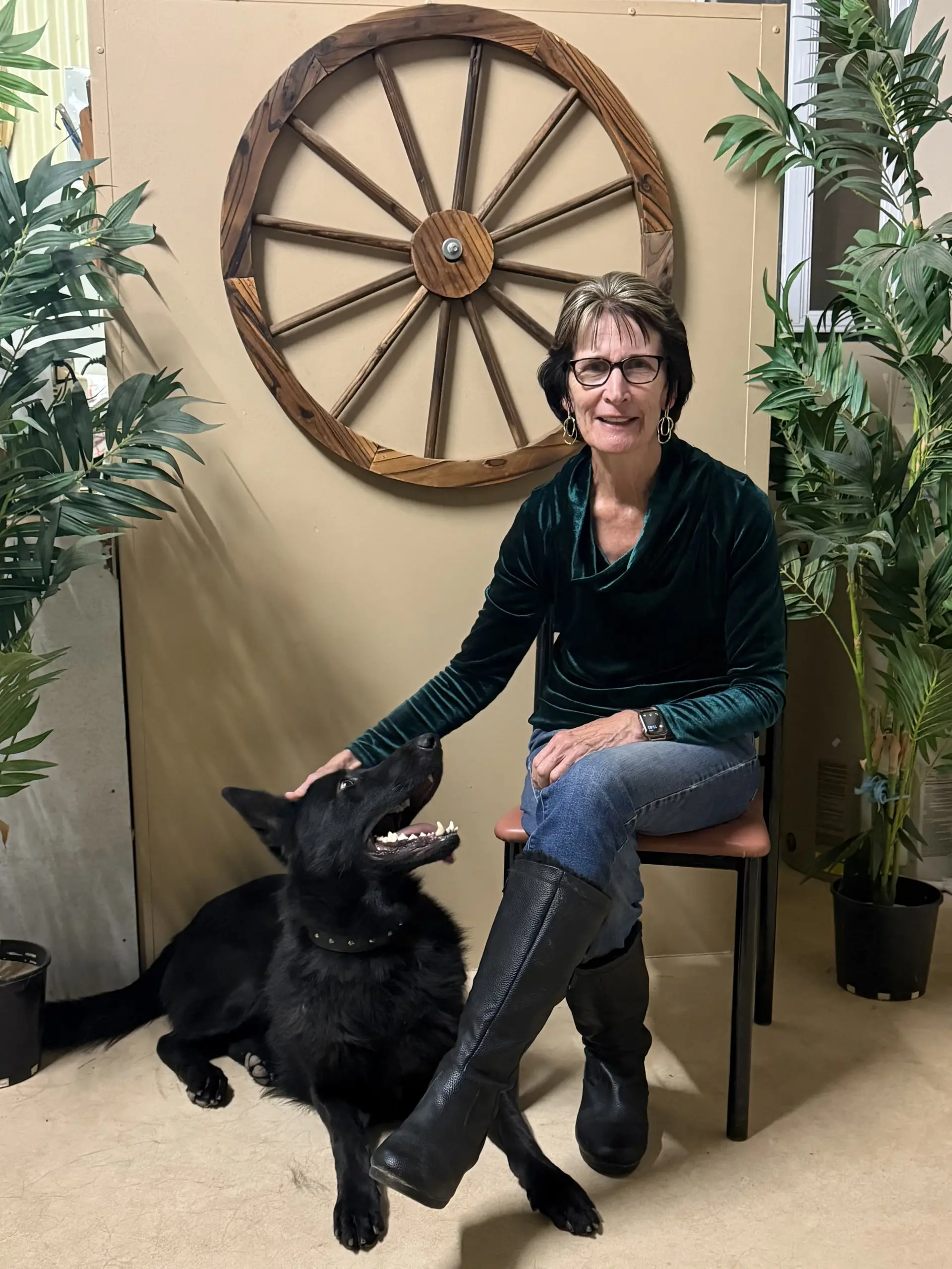
Written by
Pauline Cowey
Accredited Dog Behaviourist, Communicator, Owner Educator and Trainer based at Crystal Brook, South Australia. Decades of hands-on work resolving aggression, reactivity, anxiety and obedience cases across regional SA — through ethical, leadership-based methods.
Read Pauline’s full story →