GSD Puppy Training Done Right — The Critical First 14 Months

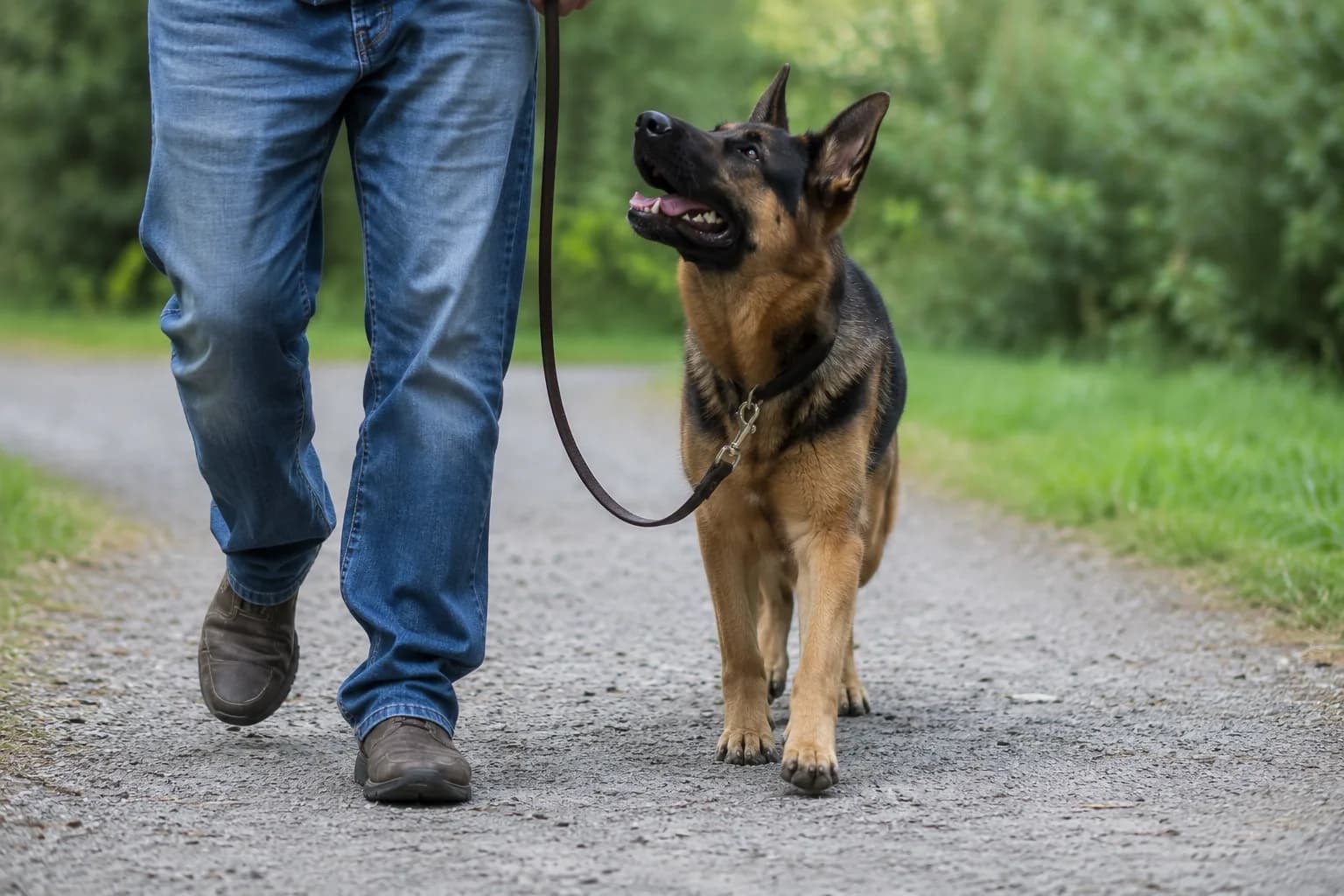
German Shepherd puppies are one of the most common breed enquiries I take across regional South Australia — and one of the breeds where the difference between a good and a poor early-training approach is largest. GSDs bring driven, protective, quick-to-alert genetics that produce an exceptional adult dog in a household that understands the breed and an overwhelming one in a household that treats them as generic puppies.
This piece covers what German Shepherd puppy training actually needs to look like — the critical socialisation window done breed-appropriately, the five most common early mistakes, why generic puppy classes fall short for the breed, and the timeline from bringing the puppy home through to the adolescent test at ten to fourteen months. It doesn't lay out the specific in-home methodology I use during a GSD puppy consultation, but it gives the framework needed to set the puppy up for life.
The short version
German Shepherd puppy training done right starts on day one with calm household leadership rather than treat-based obedience, prioritises deliberate breed-appropriate socialisation during the 3-to-16-week critical window, avoids the trap of aerobic exhaustion in favour of structured mental and calm work, and prepares the household for the adolescent test at ten to fourteen months when the breed's genetic drive fully surfaces. Generic puppy classes designed for family-companion breeds don't fit the German Shepherd's needs — the puppy that gets breed-appropriate work through months one to six is a dramatically easier adult than the one that doesn't.
Why German Shepherd puppies are different
The GSD was bred for a specific purpose — herding, guarding, and later police, military and service work. That breeding produced a dog with specific traits that are visible from puppyhood:
- High drive. GSD puppies want jobs. They want engagement. They want to work. A GSD puppy raised with no outlet for its drive becomes a destructive or reactive adolescent.
- Protective instinct. Even puppies show early alerting behaviour — barking at strangers, positioning between the household and an approaching person. This is genetic, not defective. What matters is what the household teaches the puppy about who decides whether an alert is warranted.
- Sensitivity to leadership. GSDs read the household's calm authority (or lack of it) faster than most breeds. A confident household produces a confident puppy. An anxious or inconsistent household produces an anxious puppy.
- Adolescent intensity. The GSD adolescent phase (roughly ten to fourteen months) is harder than most breeds. The dog's drive fully surfaces during this window, and the household that didn't prepare for it becomes overwhelmed.
- Long developmental window. Behavioural adulthood in a German Shepherd is closer to eighteen months to two years than the one-year mark most other breeds hit. The household needs to hold pattern for longer.
These traits are the reason a GSD is the breed it is. They're also the reason generic puppy programs — designed around family-companion breeds like Labradors and Cavaliers — don't fit. A GSD puppy is not a slower Labrador. It is a different dog, and it needs a different approach.
The critical socialisation window for GSD puppies
The 3-to-16-week critical socialisation window matters for every puppy. For GSDs, it matters more, and it needs to be executed differently.
Prioritise calm exposure over play. GSD puppies do not need to play with fifty other puppies to be well-socialised. They need calm, deliberate observation of the things the adult dog will live around — visitors, kids, traffic, livestock, other dogs at a distance, unfamiliar environments, veterinary handling, household appliances, novel surfaces underfoot. Play-heavy puppy schools that let all the puppies engage at high arousal often produce over-aroused GSD adolescents, not well-socialised ones.
Focus on the specific triggers of adult GSD life. Strangers approaching the house. Deliveries. Other dogs on lead. Kids on bikes and scooters. Cars, motorbikes, trucks. Anything the adult dog will need to accept without alerting. The socialisation window is when you shape the alert response — after week sixteen, changing it becomes real behaviour work.
Handle the puppy extensively. Feet, ears, teeth, tail, collar, harness fittings, standing still, being lifted, being on the vet table. Every household member handles the puppy in every part of the body during weeks 8 to 16. GSDs that were undersocialised to handling become adults who need muzzles at the vet.
Watch the second fear period. Between roughly seven and fourteen months, GSDs (like most working breeds) hit a second fear period where a scary experience can consolidate into a lifelong fear. Protect the puppy from forced exposures during this window; if the puppy is fearful of something, add distance and try again later, don't push through.
The five most common early GSD training mistakes
Across the GSD puppy cases I take, five patterns come up repeatedly.
Mistake 1: Treating aerobic exercise as the answer. "GSDs need lots of exercise" is a common piece of advice that misses the point. A well-exercised GSD is a fitter, more aroused GSD. What the breed needs is structured work — training that engages the mind, calm settle practice, deliberate boundary work, breed-appropriate outlets like scent games or structured retrieves. Chuck-it fetch sessions at the beach produce dogs that are addicted to arousal, not calmer dogs.
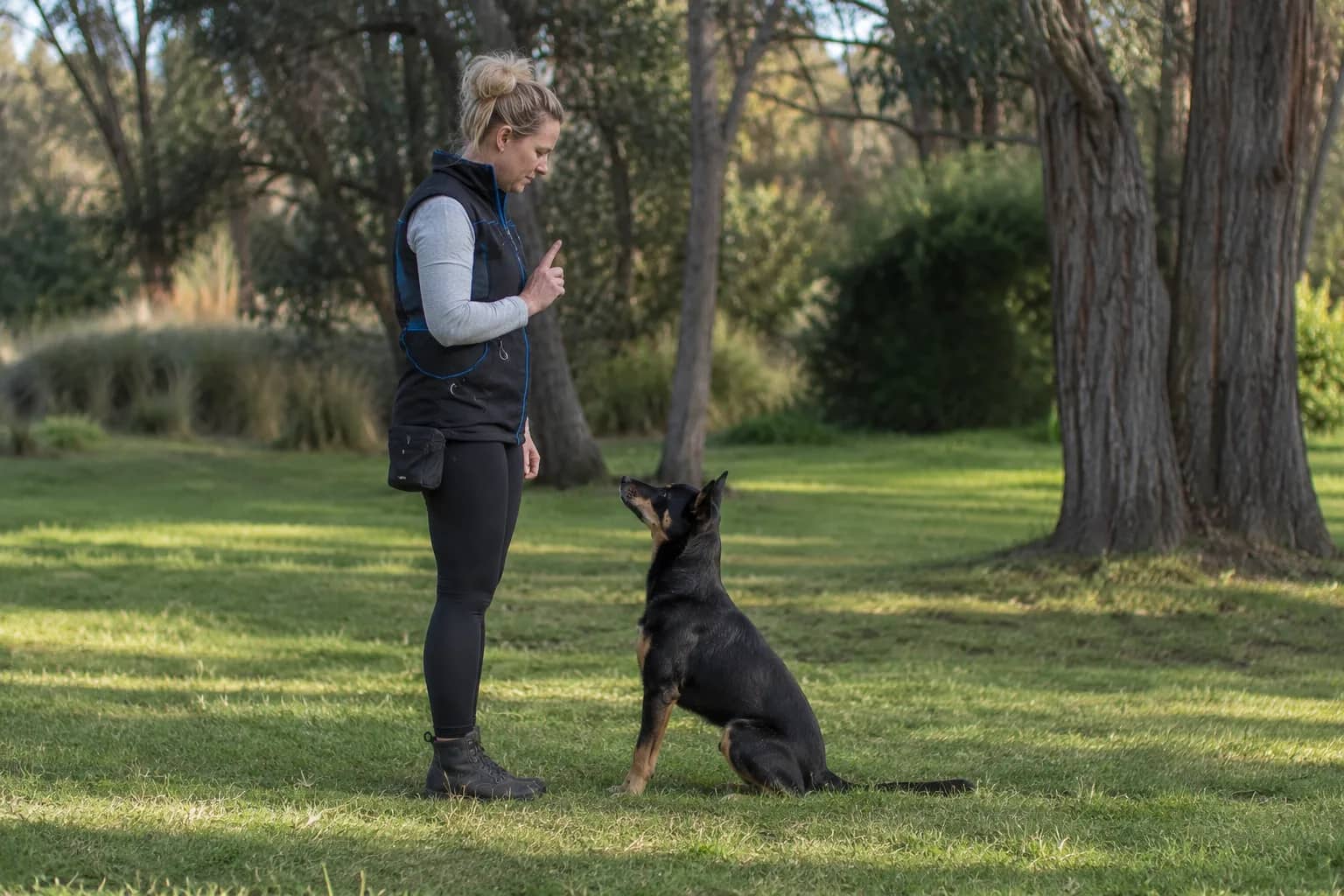
Mistake 2: Delaying the leadership work until "the puppy grows up." The household pattern the puppy experiences at 10 weeks is the pattern it will hold as an adult. Owners who wait until six months to "start training" have already had six months of the puppy learning the household is soft. The reset is harder than it needed to be. Leadership starts day one, gently, calmly, non-negotiably.
Mistake 3: Generic puppy classes. Group classes designed around family-companion breeds usually don't work well for GSDs. The class teaches sits and stays with treats in a low-arousal environment. The GSD needs work on calmness around other dogs, appropriate greeting, ignoring environmental distraction — the specific things the class isn't focused on. In-home work or breed-experienced group work is a better fit.
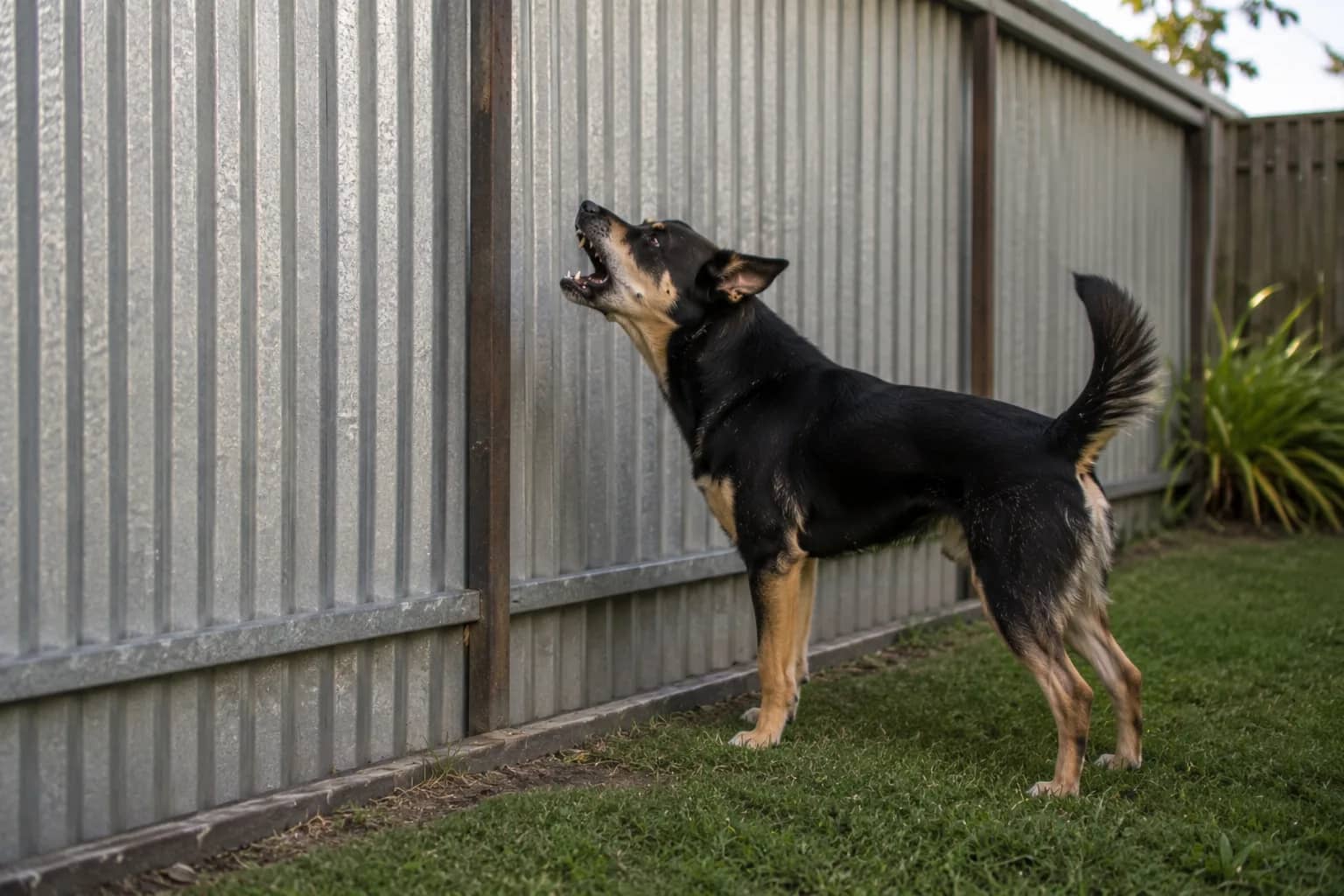
Mistake 4: Correcting the alert response. The puppy barks at the person at the fence and the owner tells it off. The puppy learns that alerting to strangers produces conflict with the household — which either escalates the alerting (the puppy now barks more because it's anxious about the correction) or suppresses it entirely (the puppy stops warning but the underlying state doesn't change, which is exactly the setup for the "sudden bite, no warning" adult pattern). The right approach is calm household leadership on the alert — you show the puppy you've heard it and the household decides how to handle it, not correction for expressing what the breed was bred to express.
Mistake 5: No preparation for the adolescent test. The household that has coasted through months two to six on the puppy's natural affection is not prepared for the adolescent GSD at ten months. The dog re-tests every boundary, drops recall reliability, becomes intense. Households that have installed clear structure early ride the wave. Households that haven't crash into it.
What leadership looks like for a GSD puppy
I won't lay out the specific technique here because it varies significantly by the puppy's temperament, the household composition, and the specific triggers you're preparing for. What is the same across GSD cases is the shape of the work.
Calm household energy. The puppy reads your state before it hears your words. A calm household produces a calm puppy. High-arousal greetings, excited baby-talk, ping-pong energy in the household — all produce the wired GSD puppy owners then complain about.
Clear boundaries the whole household holds. Where the puppy sleeps. Where the puppy is and isn't allowed. Who feeds and when. Rules for the couch, the bed, the door. GSDs learn rules fast when the household is consistent; they don't learn them at all when the household isn't.
Structured feeding and rest. GSDs benefit from clear routines around meals, rest and activity — not military rigidity, but a predictable rhythm the puppy can settle into.
Calm settle work as a genuine skill. A GSD puppy taught to settle on a mat while the household moves around, with calm reinforcement, learns the most important adult-dog skill the breed needs — the ability to disengage from stimuli and rest when nothing is asked of it.
Deliberate exposure without forced confrontation. Show the puppy the world at distances it can handle. Reinforce the calm response. Add proximity gradually. Don't force the puppy into situations it can't cope with.
Timeline: 8 weeks to 12 months
Weeks 8–12. Bringing home. Household setup. Calm handling. Beginning of critical socialisation. Deliberate exposure to novel stimuli at manageable intensity. Establishing the household rhythm.
Weeks 12–16. Continued socialisation through the closing critical window. First veterinary visits with structured, calm handling. Beginning of longer settle practice. Household rules getting fully installed.
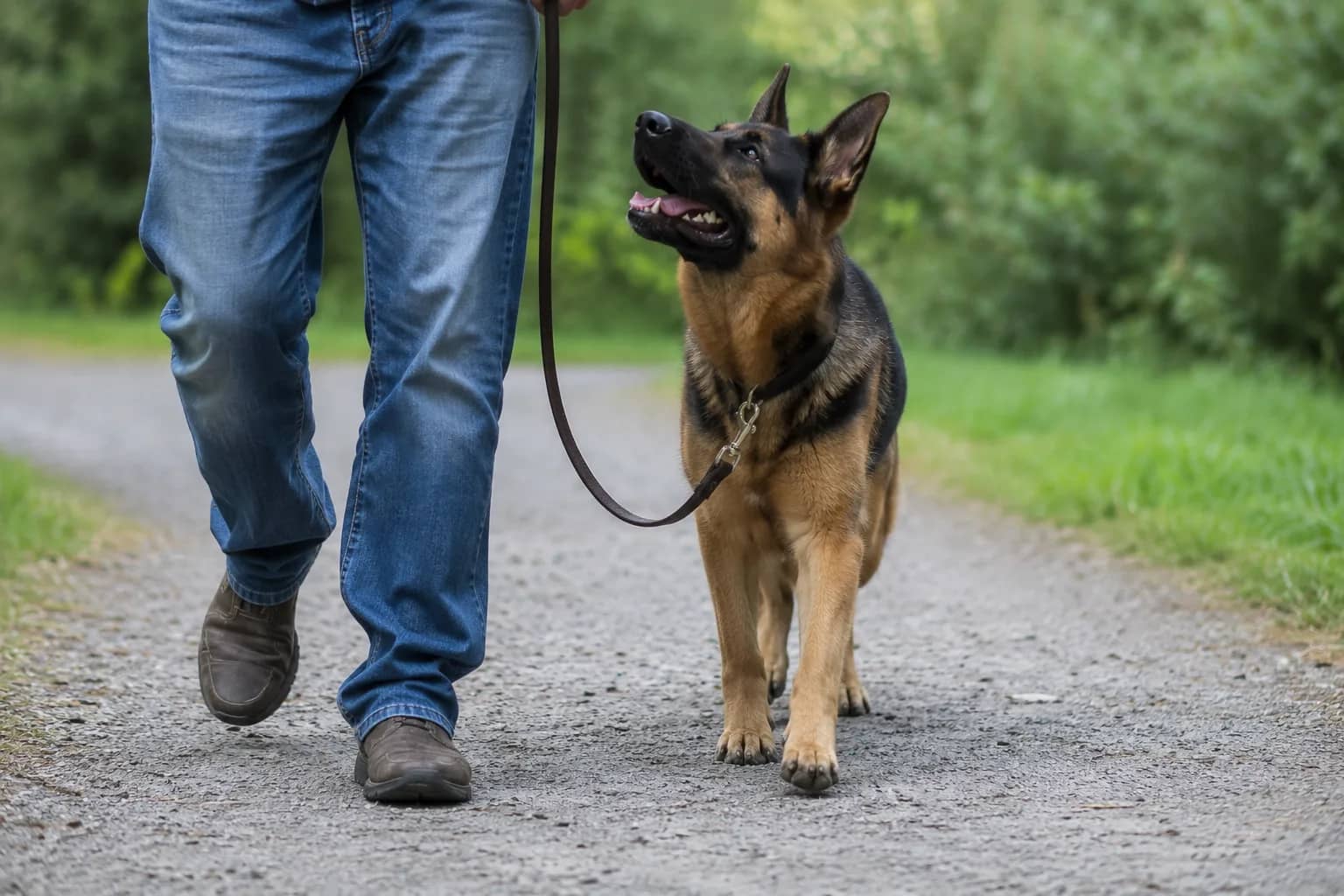
Months 4–6. The puppy looks like a real puppy — solid recall in low-arousal environments, sitting attentively, learning household routines. This is the phase where owners think the work is done. It isn't.
Months 6–10. First hints of the adolescent phase. Small tests of household rules. Recall wobbles in higher-arousal environments. The household starts hearing the phrase "he was fine last week." Hold pattern.
Months 10–14. The adolescent test proper. Full drive surfaces. Boundaries get re-tested at intensity. Recall breaks down further. The dog looks unfamiliar. This is the period where households book a behaviourist most often — and where the household that installed clear structure early has a real advantage over the household that didn't.
Months 14–24. Consolidation. The adult GSD settles into the pattern held through the adolescent phase. Households that held pattern get the calm, confident, engaged adult dog the breed is famous for.
When to book a behaviourist
Most GSD puppy owners benefit from a single in-home consultation between weeks 10 and 20 — early enough to shape the household pattern before adolescence, and specific enough to the breed that generic puppy classes won't cover it. That's the highest-leverage professional intervention across the breed's whole life.
Book urgently — not as scheduled preventive work — if any of these appear:
- Aggression toward household members or other dogs
- Genuine fear of specific triggers that isn't settling
- Intense reactivity on lead that is worsening walk-to-walk
- The adolescent phase turning behavioural rather than just intense
- Anyone in the household starting to feel unsafe
For GSD adolescent cases specifically, professional help caught in the first four to eight weeks resolves in a fraction of the time the same case takes at six months.
What to do next
If your GSD puppy is in the socialisation window and the household is holding calm structure, keep going. Most GSD puppies raised this way become the adult dog owners hoped for.
If you're heading into adolescence and want to prepare, or if you're already in the middle of the adolescent test and things are getting hard, book a consultation or take the Free Behaviour Test — for GSD cases specifically the early consultation is one of the most valuable investments household owners make.
Related reading: the broader GSD training piece covers the adult breed context. Adolescent dog problems — the 6-14 month storm covers the phase every GSD household needs to be ready for. Calm leadership — the real reason your dog won't listen covers the household pattern that underpins every successful GSD household.
German Shepherds are one of the world's best dogs when raised in the right household. The right household is what this piece is about.
Not sure where to start with your dog?
Take the Free Dog Behaviour Test.
Two minutes. You’ll find out exactly what’s driving your dog’s behaviour — and what to do next.
Frequently asked questions
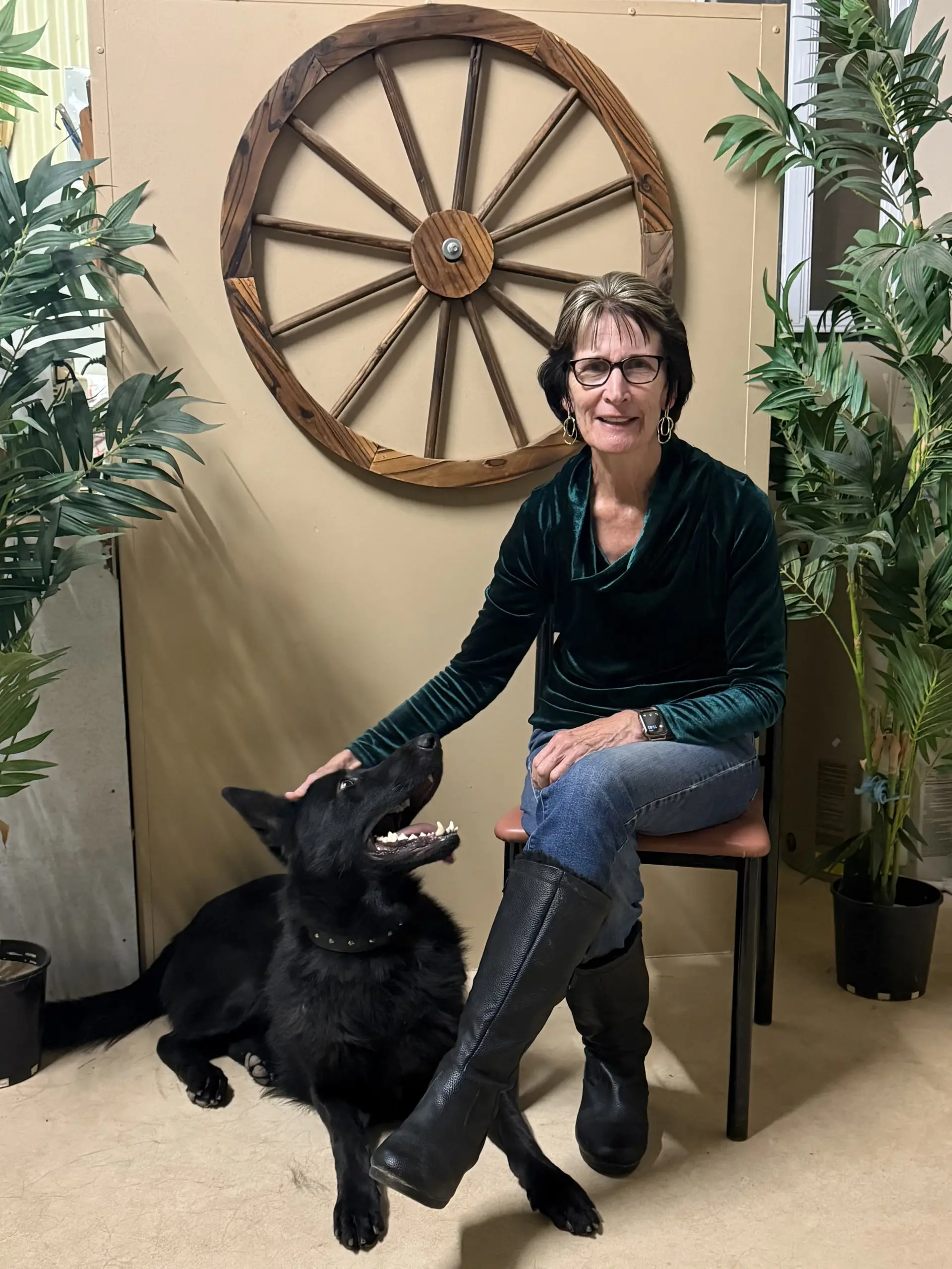
Written by
Pauline Cowey
Accredited Dog Behaviourist, Communicator, Owner Educator and Trainer based at Crystal Brook, South Australia. Decades of hands-on work resolving aggression, reactivity, anxiety and obedience cases across regional SA — through ethical, leadership-based methods.
Read Pauline’s full story →