How to Socialise Your Puppy the Right Way — A Regional South Australian Guide

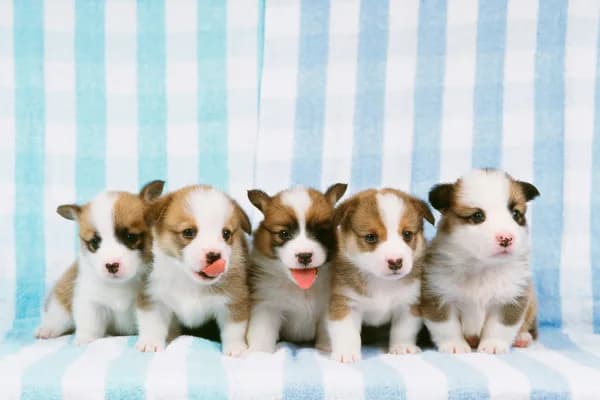
The critical socialisation window for puppies is 3 to 16 weeks of age. What you do (and don't do) during that window shapes your dog for life. This is a complete guide for regional South Australian puppy owners — including how to handle livestock, beaches, town visits, and the unique challenges of rural and remote socialisation.
If you've just brought home a puppy in Port Pirie, Whyalla, the Clare Valley or anywhere across regional SA — congratulations, and welcome to the most important sixteen weeks of your dog's life.
You have a small window to shape your puppy into a confident, calm, social adult. The window closes faster than most owners realise. And the choices you make during it matter more than any training you'll do later.
This guide is everything I want every regional SA puppy owner to know — in one place.
The critical socialisation window: 3 to 16 weeks
Between 3 and 16 weeks of age, your puppy's brain is forming the templates it will rely on for life. Every novel experience in that window becomes a category your puppy is comfortable with. Every category your puppy doesn't encounter becomes a future fear.
That sounds dramatic. It is.
The puppy that never meets a child in those weeks will, in most cases, be uncertain around children for life. The puppy that never sees livestock — in regional South Australia, this is a problem — will struggle around livestock. The puppy that never travels in a car will hate the car.
There is no make-up exam after week 16. Whatever happens after that window builds on the foundation laid before it.
The biggest mistake — "wait until fully vaccinated"
The biggest single socialisation mistake regional SA owners make is waiting until their puppy is fully vaccinated (typically 16 weeks) before any exposure outside the home.
By the time your puppy is fully vaccinated, the window is largely closed.
The American Veterinary Society of Animal Behavior, the Australian Veterinary Association, and every major behaviour body in the developed world have all stated the same thing: the behavioural cost of delayed socialisation is greater than the infectious disease cost of early, careful socialisation.
What "careful early socialisation" actually means:
- Carry your puppy to places where you wouldn't put paws down yet (busy carparks, the front porch facing a busy street, outside the Port Augusta cafe on a Saturday morning)
- Sit at exposure points — let the puppy watch the world without being trampled by it
- Avoid dog-trafficked areas until vaccines are complete (dog parks, off-lead beaches) — but this is a small subset of the world
- Invite people over — friends, kids, tradies — and let the puppy meet humans of all ages and shapes
This is not reckless. It is responsible. The far greater risk to your puppy is the under-socialised adolescent it will otherwise become.
What "socialisation" actually means
Most owners think socialisation means "let the puppy play with other dogs." That's part of it — but it's a small part, and not the most important part.
Real socialisation is about exposure to:
- People — adults, children, elderly, men with beards, people in hats, people in hi-vis, people in wheelchairs, postal workers, tradies
- Other animals — other dogs (carefully), cats, livestock (calmly, on lead), birds, horses
- Environments — towns, beaches, paddocks, forests, vet clinics, cafes, hardware stores, dog-friendly venues
- Surfaces — grass, gravel, sand, concrete, metal grates, wooden decking, stairs, slippery floors
- Sounds — traffic, motorbikes, the vacuum, the lawnmower, doorbells, kids playing, sheep, dogs barking in the distance
- Handling — being touched all over by familiar and unfamiliar humans, including vet-style handling (ears, mouth, paws, belly)
- Solitude — being alone for short, gradually-extending periods, with no drama on departures or returns
Every category needs ticks in the box. None of them need overdoing.
A regional SA-specific socialisation list
Here's what your specific environment requires. Tailor as needed.
For Iron Triangle and Upper Spencer Gulf owners:
- Industrial sounds (mining trucks, heavy vehicles)
- Working dogs you don't know (visit a stock-friendly farmer if you can)
- Foreshore environments (Whyalla, Port Pirie and Port Germein)
- The local shopping centre carpark on a busy Saturday
- Tradies, neighbours, postal workers
- The vet (visit when nothing's wrong, just to say hi and get a treat)
For Yorke Peninsula owners:
- Beaches (calm dogs first, busy dogs later)
- Tourist environments (markets, busy main streets)
- Boats and jetties if you're a fishing household
- Sheep and stock — early calm exposure is critical
For Clare Valley owners:
- Cellar doors (busy and quiet)
- Tourist crowds (peak season weekends)
- Vineyards and rural properties
- Wine-region events where dogs are welcome
For Mid North and rural owners:
- Livestock (more than any other regional environment, get this right)
- Working dogs at neighbour properties
- Rural town visits (Jamestown, Peterborough, Burra)
- Long-distance car trips (very important — many rural puppies become car-anxious because their only car trips are vet trips)
How to socialise around livestock — the regional SA superpower
If your puppy will live anywhere near livestock — sheep, cattle, chickens — early, calm, on-lead exposure is one of the most important things you'll do.
The goal is not "puppy learns to chase sheep." The goal is "puppy learns that sheep are background noise."
Done right, this prevents one of the most devastating regional dog tragedies — a working-bred adolescent dog discovering livestock for the first time at 9 months old, on an exciting chase, with no off-switch. That story usually ends with a dead sheep and a destroyed dog.
Common puppy issues — and what each one usually means
Biting and mouthing
Normal puppy behaviour. Becomes a problem when it isn't redirected and outgrown. Don't punish — interrupt, redirect, and use calm physical removal of attention.
Toilet training stalling
Almost always a routine and supervision issue. Take the puppy out every 30 minutes for the first weeks, immediately after waking, eating, or playing. Praise the toilet that happens outside. Don't punish the toilet that happens inside — you missed a window.
Fearful of new things
Slow down. Reduce intensity, increase distance, lower exposure rate. A fearful puppy who is forced becomes a fearful adolescent. A fearful puppy who is supported becomes a confident adult.
Won't settle / endlessly stimulated
You're probably giving too much. Puppies need enormous amounts of sleep (16–18 hours per day in the first months). A puppy that "can't settle" is usually an over-tired puppy whose owners keep stimulating it. Schedule rest as deliberately as you schedule play.
Pulls on lead from week one
Most owners don't start lead manners until the puppy is bigger. This is backwards. The puppy that is taught calm lead pressure at 10 weeks will never pull. The puppy that drags you for six months becomes the dog that pulls for life. More on stopping lead pulling.
Resource guarding food or toys
Worth taking seriously even in puppies. Hand-feed for the first weeks. Don't snatch things away. Trade up instead of grabbing. If the guarding is escalating, it's worth talking to a behaviourist early.
What about puppy school?
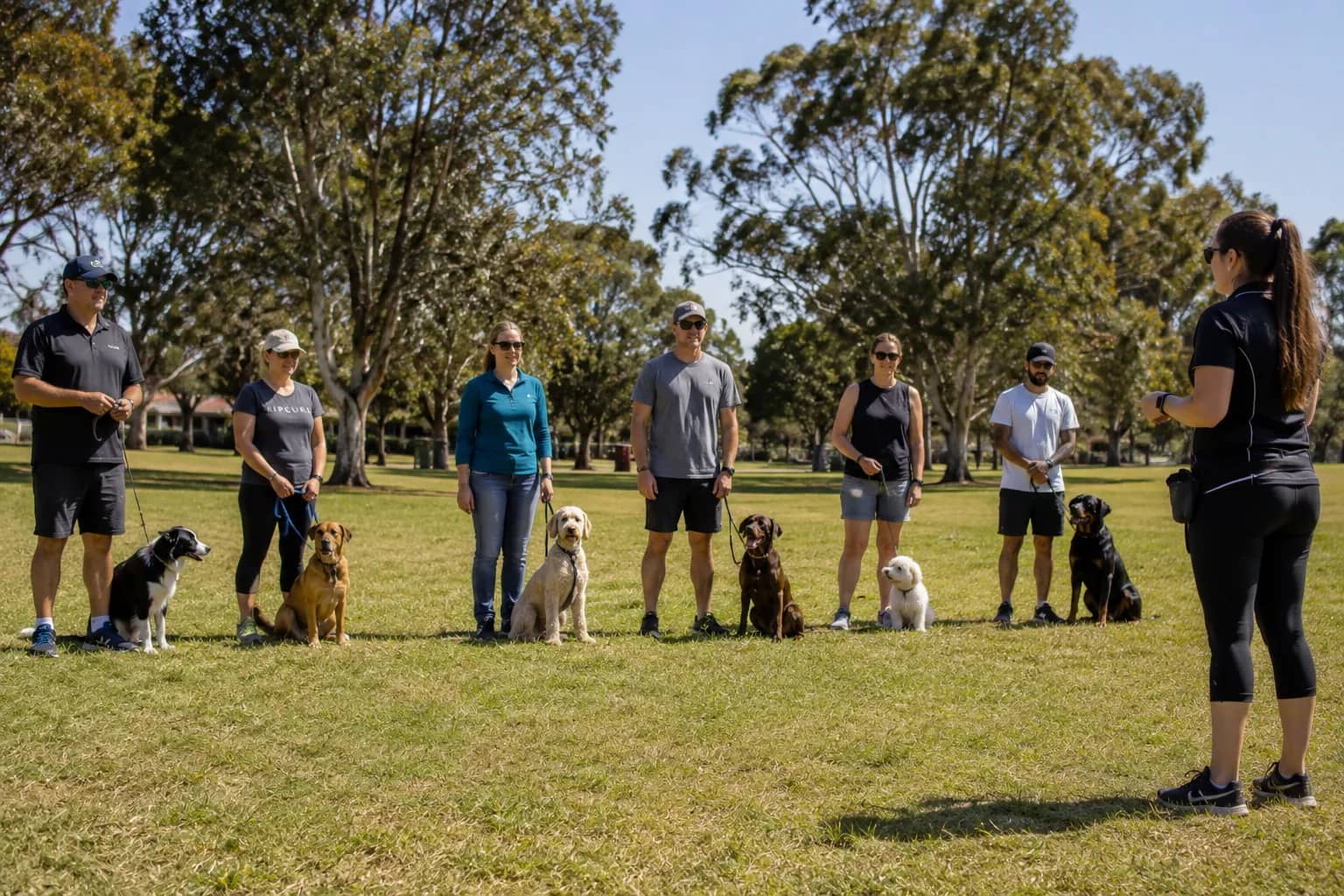
If you can access a well-run puppy class, the socialisation benefit can be useful — especially for owners who otherwise wouldn't get their puppy near other puppies.
The catch: in regional SA, accessible well-run puppy classes are rare. Many "puppy schools" are run by vet clinics with limited behaviour expertise. Some teach methods that conflict with calm leadership. And group puppy environments can be overwhelming for puppies who'd benefit more from one-on-one exposure.
The alternative is in-home puppy work, where a behaviourist sees your real environment, your real family, and coaches a tailored socialisation and leadership program from week 8 onwards. For most regional SA puppy owners, this is the better choice.
The adolescent storm (8 to 18 months)
Here's the part nobody warns you about. Around 8 months, your beautifully-socialised puppy will appear to forget everything it ever knew.
This is adolescence. Hormones surge, the brain rewires, and the dog you thought you had disappears for a while. This is normal. It is also the period where many owners give up — or worse, switch to harsh methods because "what worked before isn't working anymore."
Don't. The work from the puppy window is still in there. The dog just needs you to be a calm, consistent leader through the storm. Adolescent dogs need more boundaries, more structure, and more patience — not less.
How Pauline works with puppy owners
Heart of the Pack takes on puppy clients across the Upper Spencer Gulf, Iron Triangle, Mid North, Clare Valley and Yorke Peninsula. The earlier the better — ideally the week the puppy comes home.
A typical puppy consultation:
- 3.5–4 hours, in your home
- Whole family present (kids welcome)
- Full socialisation roadmap tailored to your puppy's breed, environment and household
- Leadership reset so you start as the calm guide, not the entertainment
- Written plan to take forward
- Email check-ins as your puppy grows
Start here
Take the Free Behaviour Test — it works for puppies too. Or, if you'd rather just talk: contact Pauline or call directly.
The sixteen-week window is short. It will not come back. But what you do inside it will quietly shape every walk, every paddock, every cafe and every car ride you ever take with this dog. It's worth getting right.
Not sure where to start with your dog?
Take the Free Dog Behaviour Test.
Two minutes. You’ll find out exactly what’s driving your dog’s behaviour — and what to do next.
Frequently asked questions
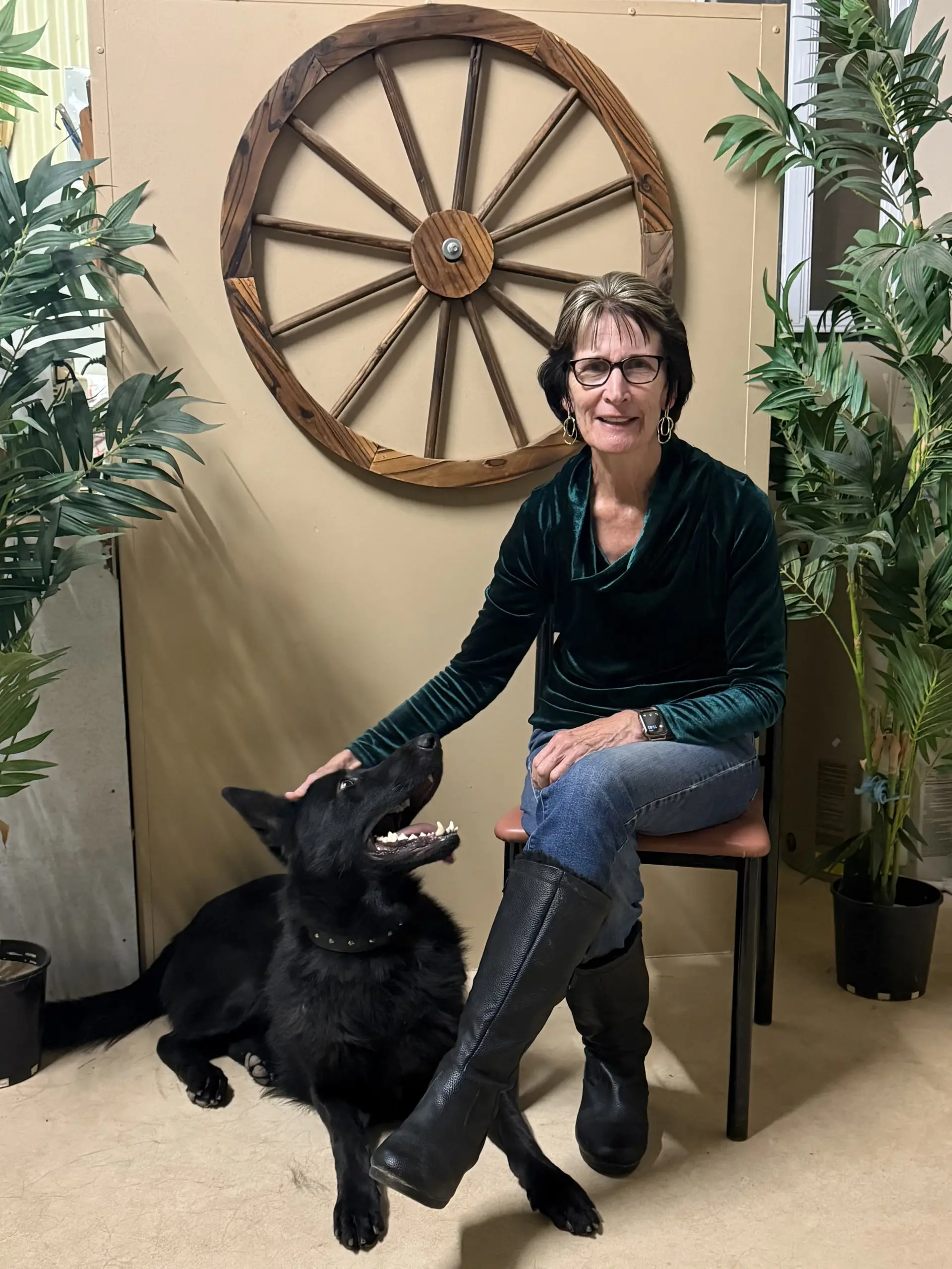
Written by
Pauline Cowey
Accredited Dog Behaviourist, Communicator, Owner Educator and Trainer based at Crystal Brook, South Australia. Decades of hands-on work resolving aggression, reactivity, anxiety and obedience cases across regional SA — through ethical, leadership-based methods.
Read Pauline’s full story →